Quick answer: possibly, and the only authority that can tell you is the City of Claremont's planning and building staff, for your specific parcel, under the rules in effect on the day you ask.
That is not a dodge. California's accessory dwelling unit law has been amended repeatedly over recent years, cities adjust their local ordinances in response, and what was true two years ago is an unreliable guide today. ANY ARTICLE THAT TELLS YOU THE RULES IS OUT OF DATE THE MOMENT THE LEGISLATURE MOVES. So this piece covers what actually decides the answer and what owners discover after the zoning question is settled.
Start with the city, not with a contractor
Call or visit Claremont planning with your address in hand and ask what is permitted on this parcel today. Ask specifically about unit type, size limits, setbacks, height, parking, whether a conversion of existing space is treated differently from new construction, and what the review path and timeline look like.
Get it in writing where you can. A contractor's confidence, a neighbor's experience and a builder's brochure are not entitlements, and a project that proceeds on any of those is a project with a risk nobody priced.
The parcel-level facts that decide it
Lot size and shape. What remains after setbacks and required open space is often smaller than owners assume, particularly on the deeper but narrower lots common in the older parts of the city.
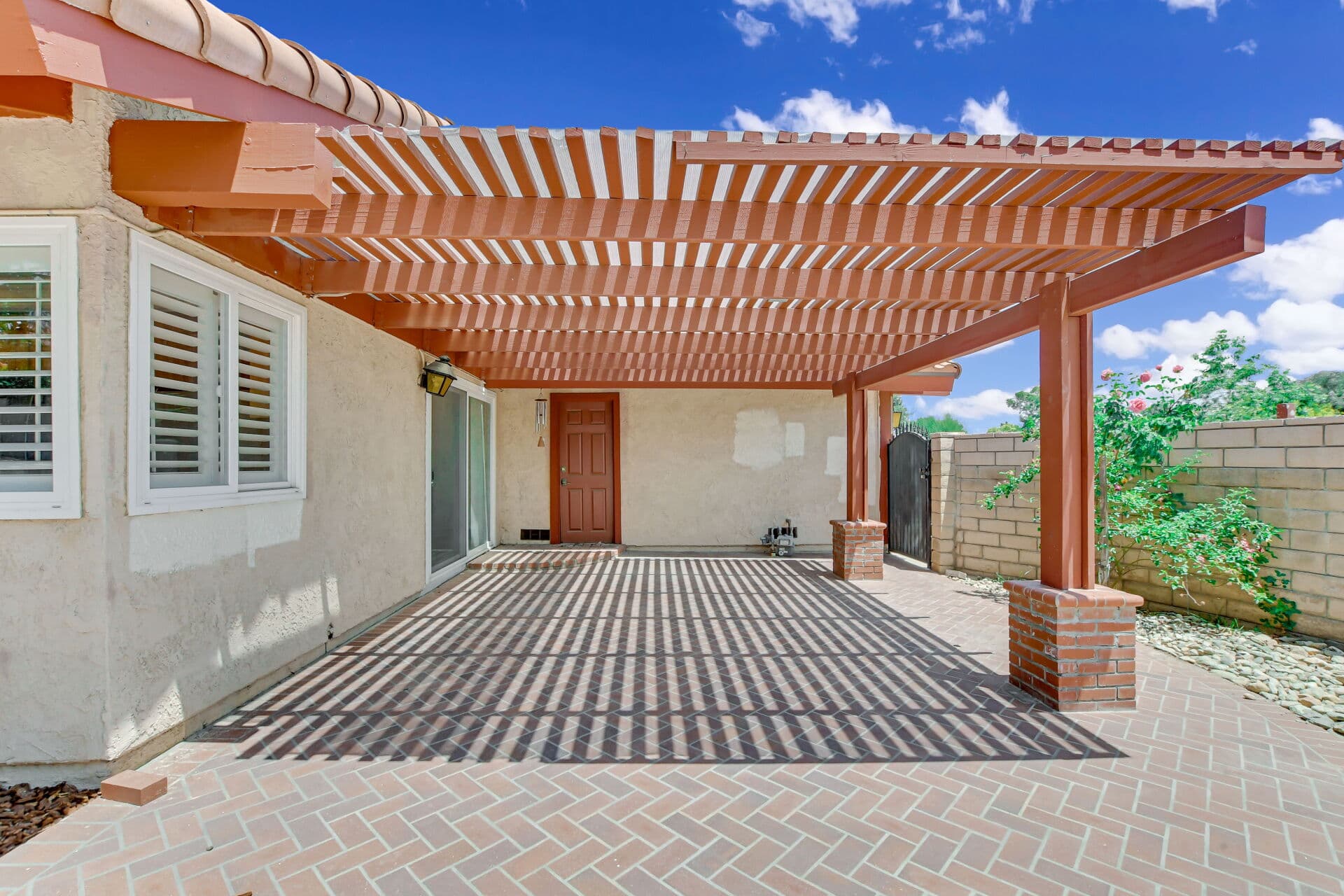
Existing structures. A detached garage, a workshop or a covered patio can be an opportunity if conversion is permitted, or an obstacle if it occupies the only buildable area.
Access. A unit needs a way in that is not through the main house. On a constrained lot that pathway can be the item that kills an otherwise workable plan.
Utilities. Panel capacity, sewer lateral condition and water service on an older property frequently drive real cost. In a city with a lot of older housing stock, this is a common surprise.
Trees. Mature canopy is part of what makes Claremont what it is, and street trees are generally the city's rather than the owner's. Root systems and protected trees can constrain a footprint. The background is in why Claremont is called the City of Trees and PhDs.
Slope. Hillside parcels toward the foothills bring grading, drainage and access questions that a flat central lot does not, plus a different hazard conversation.
Historic considerations. Older properties may sit within districts or carry designations that add review. Ask the city rather than assuming.
The layer above the city: your association
If your property is in a planned development or an attached project, the association's governing documents are a separate set of restrictions from the city's rules, and they can be more restrictive than the municipal code. Read the documents and ask the association before spending money on design. Where associations exist here is covered in does Claremont have HOAs everywhere.
What owners find out after the zoning question
The number is bigger than the internet suggested. Design, permits, utility work, site work and finish on a small structure do not scale down the way people expect. Get real bids on a real plan before treating a project as decided.
Financing is its own conversation. Construction and renovation lending differs from a standard purchase loan. Talk to a lender early, because the financing path can shape the project scope rather than the other way round.
Renting it out has its own rules. Tenancy is governed by state and local law, and short-term rental use in particular is governed by the municipal code, which is a separate question from whether the structure may be built. See does Claremont allow short-term rentals and, for the landlord side, Claremont rental property.
Taxes. New construction generally affects assessment. How that works for a specific project is a question for the Los Angeles County Assessor and your CPA; the framework is outlined in Claremont property taxes.
Why owners here ask
The motivations are consistent and worth naming, because they change what a good answer looks like.
Housing a family member. An aging parent, an adult child, a caregiver. This is the most common reason in a city with long ownership tenures and multigenerational households, and it is the one where the project usually makes sense even when the arithmetic is unremarkable, because the alternative is a much larger disruption.
Income. A legitimate motive, and the one that needs the most scrutiny, because the income assumption has to survive the actual construction cost, the actual permitted use and the actual vacancy risk.
Flexibility. A workspace now that becomes something else later. This one tends to age well, because it does not depend on a rental market behaving in any particular way.
Be honest about which of the three you are in before you start spending, because a project that is right for the first reason can be wrong for the second.
Does an ADU add value?
Sometimes, and not automatically, and not by its construction cost. What a specific buyer pool will pay for a specific unit on a specific property is a question for an analysis of that property, not a rule of thumb. A well-built, permitted, well-integrated unit tends to be received very differently from an awkward or unpermitted one.
PERMITS MATTER ENORMOUSLY AT RESALE. Unpermitted work is a disclosure issue, a lending issue and an appraisal issue, and it turns a selling point into a negotiation. If you build, build with permits and keep the paperwork. The disclosure duty is outlined in California seller disclosures.
The order of operations
City first, with the address. Association second, if one exists. Then a designer who has worked in Claremont, then real bids, then a lender, then a CPA on the tax consequences. Build in that order and you will know whether the project is real before you have spent much.
More local questions are collected on the Claremont real estate FAQ hub. Anthony Grynchal has been licensed in California since November 2009. He is a licensed real estate salesperson, not a planner, architect, contractor, attorney or CPA. Verify all current requirements with the City of Claremont before relying on anything here.
Frequently asked questions
Who decides whether I can build an ADU in Claremont?
The City of Claremont's planning and building staff, applied to your specific parcel under the rules in effect when you ask. State law in this area has been amended repeatedly and local ordinances follow, so treat any published summary as background and get the current answer from the city directly.
Can my homeowner association stop an ADU?
Association governing documents are a separate layer of restriction from the municipal code and can be more restrictive. If your property sits in a planned development or attached project, read the documents and ask the association before commissioning any design work or paying for plans.
Will an ADU increase my property taxes?
New construction generally affects assessment in California, but how it applies to a specific project is a question for the Los Angeles County Assessor and your own CPA. Get that answer before you build rather than discovering it on a supplemental bill afterwards.
Does an ADU add resale value?
Sometimes, not automatically, and rarely at construction cost. What matters most at resale is that the work was permitted and documented. Unpermitted construction becomes a disclosure, lending and appraisal issue, and turns what should be a selling point into a negotiation.

Written by
Anthony Grynchal
Anthony Grynchal is a California real estate professional with eXp Realty, licensed since November 2009 (California DRE# 01873626), and the Designated Local Expert™ for Claremont — where he has lived for more than 33 years.
More about AnthonyPublished · Updated