There is no best neighborhood in Claremont, and any answer that names one is telling you about the person answering rather than about the city. What there is, usefully, is a set of distinct areas with genuinely different character, housing stock, lot sizes and daily rhythm. Match those to how you live and the question answers itself.
Below is the orientation I give a buyer on a first call. It is deliberately about character and trade-offs, not rankings, and it names no schools, because school assignment follows district boundary lines rather than neighborhood names and belongs with Claremont Unified.
Around the Village
The blocks surrounding the Village and running toward the colleges are the oldest part of residential Claremont. Craftsman and period architecture, deep lots, the thickest tree canopy in the city, and the shortest walk to restaurants, the farmers market, the theater and the train platform.
Trade-off. The houses are old. That means character and also original systems, tighter secondary bedrooms, detached garages and remodels layered over decades. It is also the most contested part of the market, because proximity to the Village cannot be duplicated. If walking is the point of the move, this is where you look; the geography is in is Claremont walkable.
The central grid
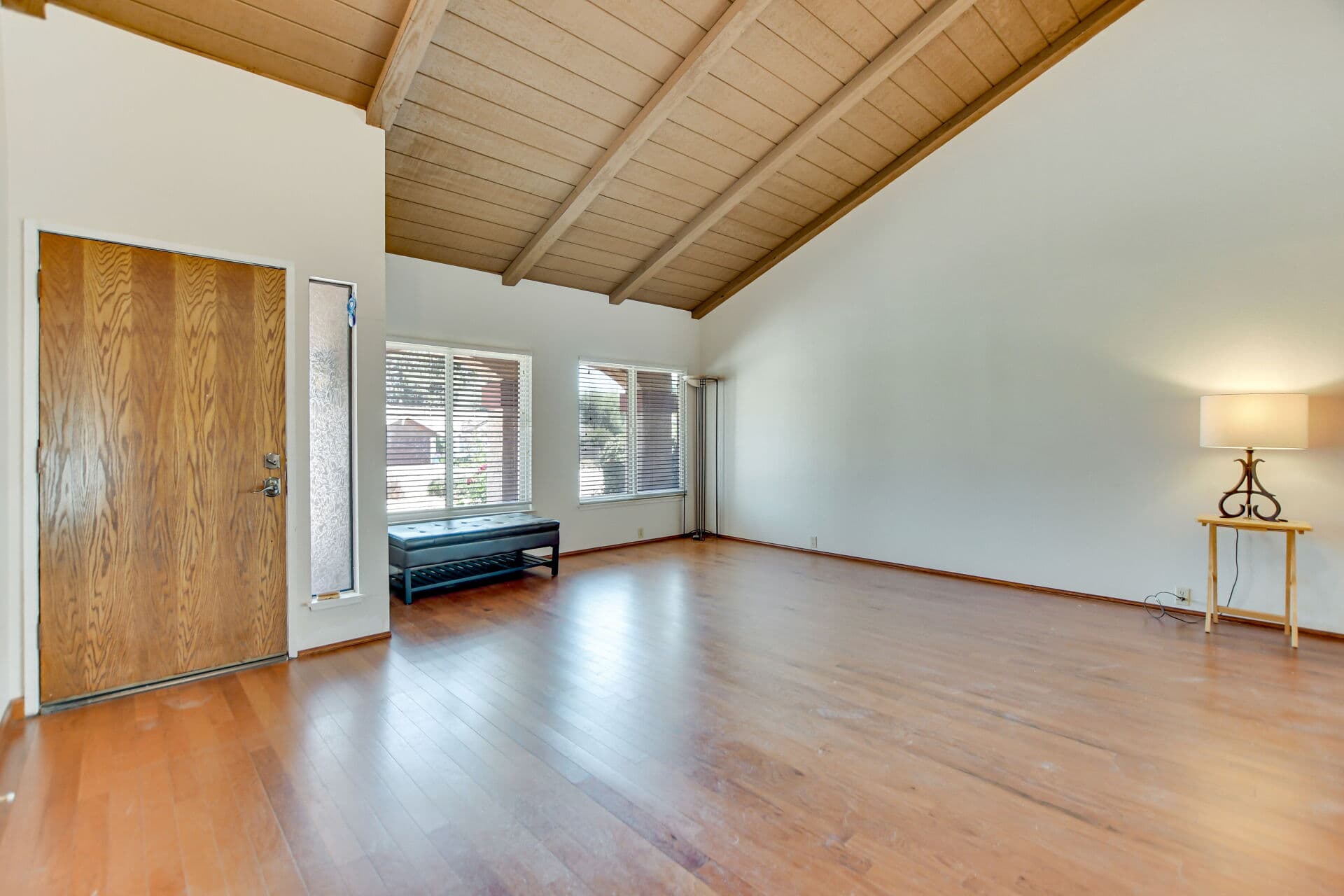
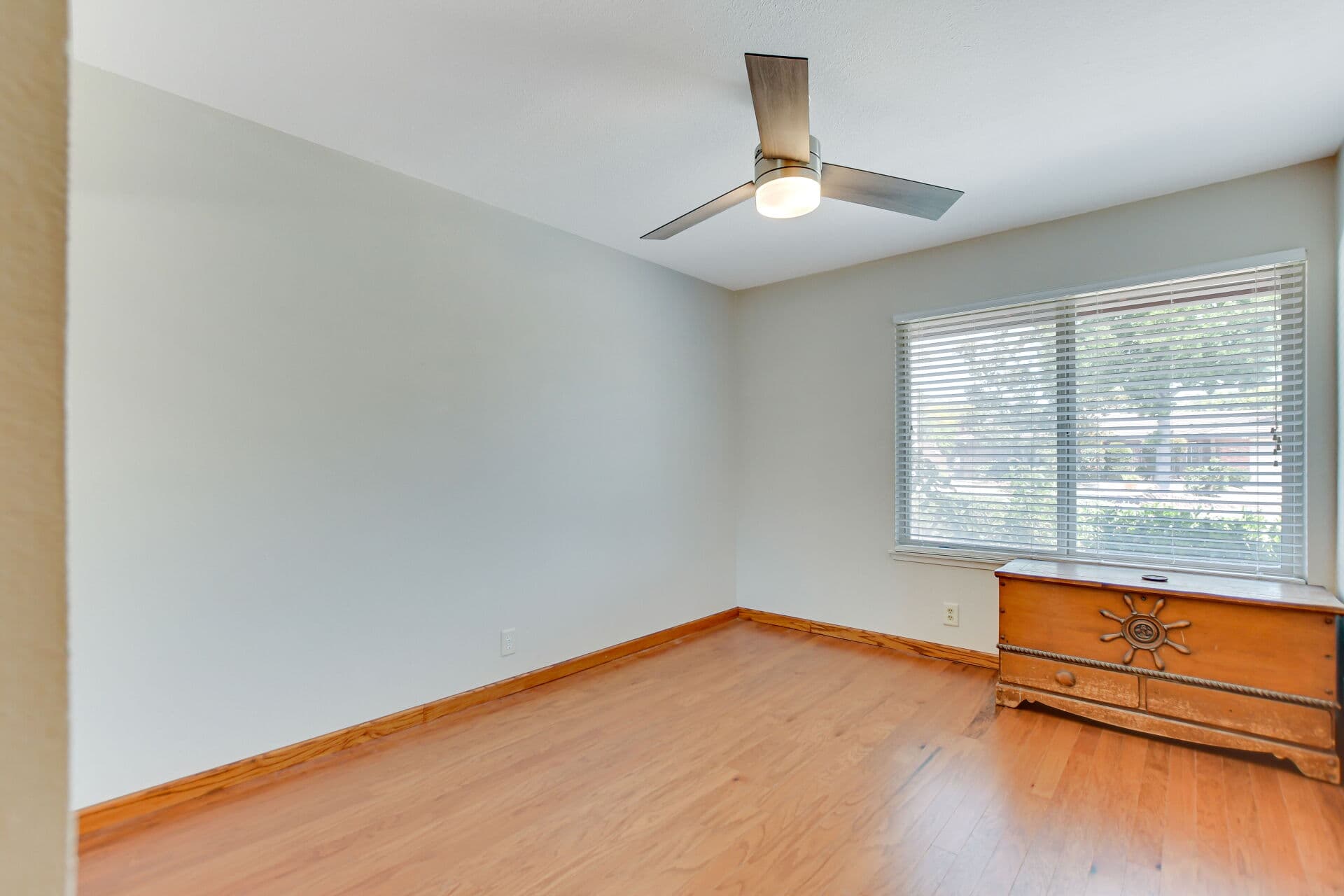
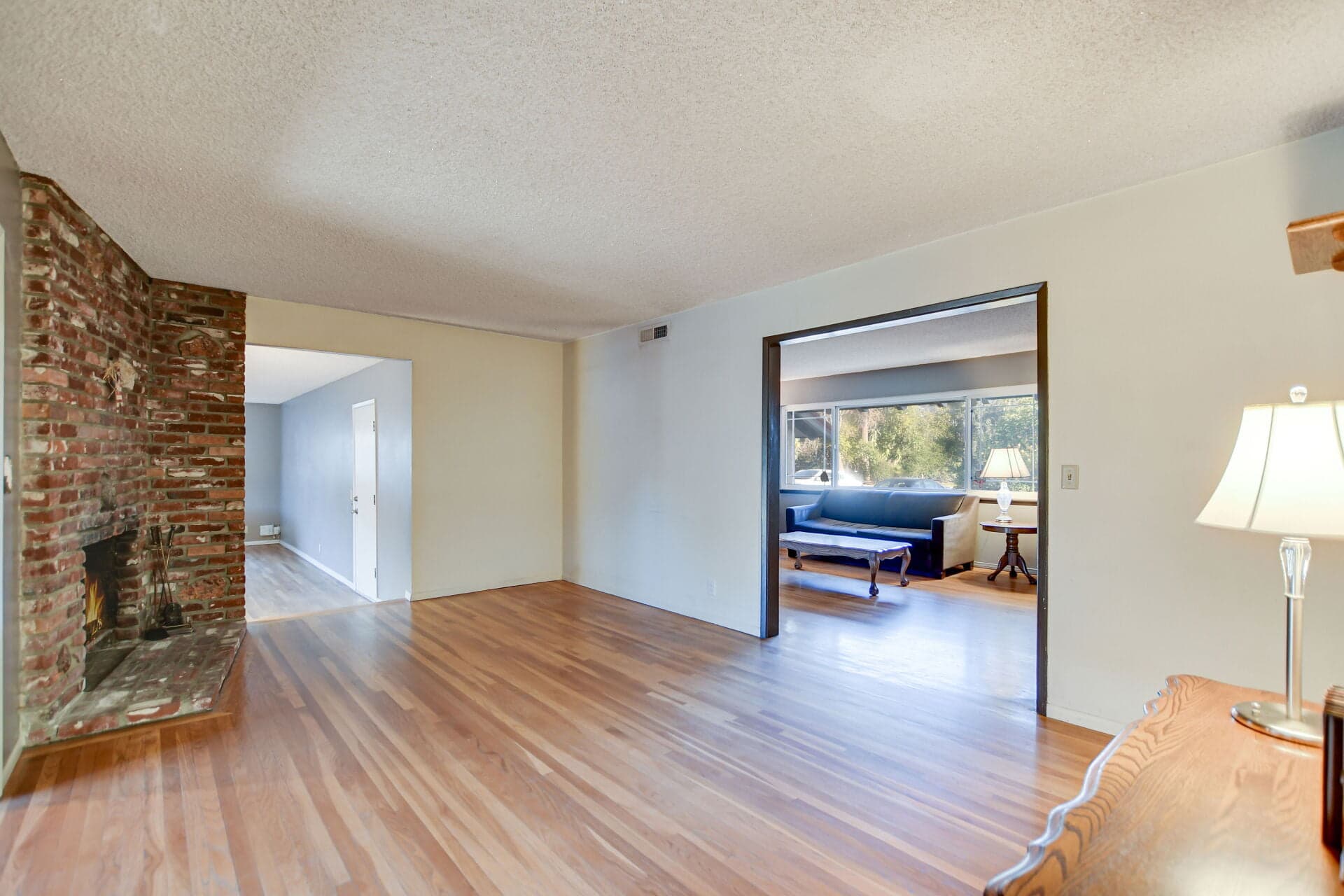
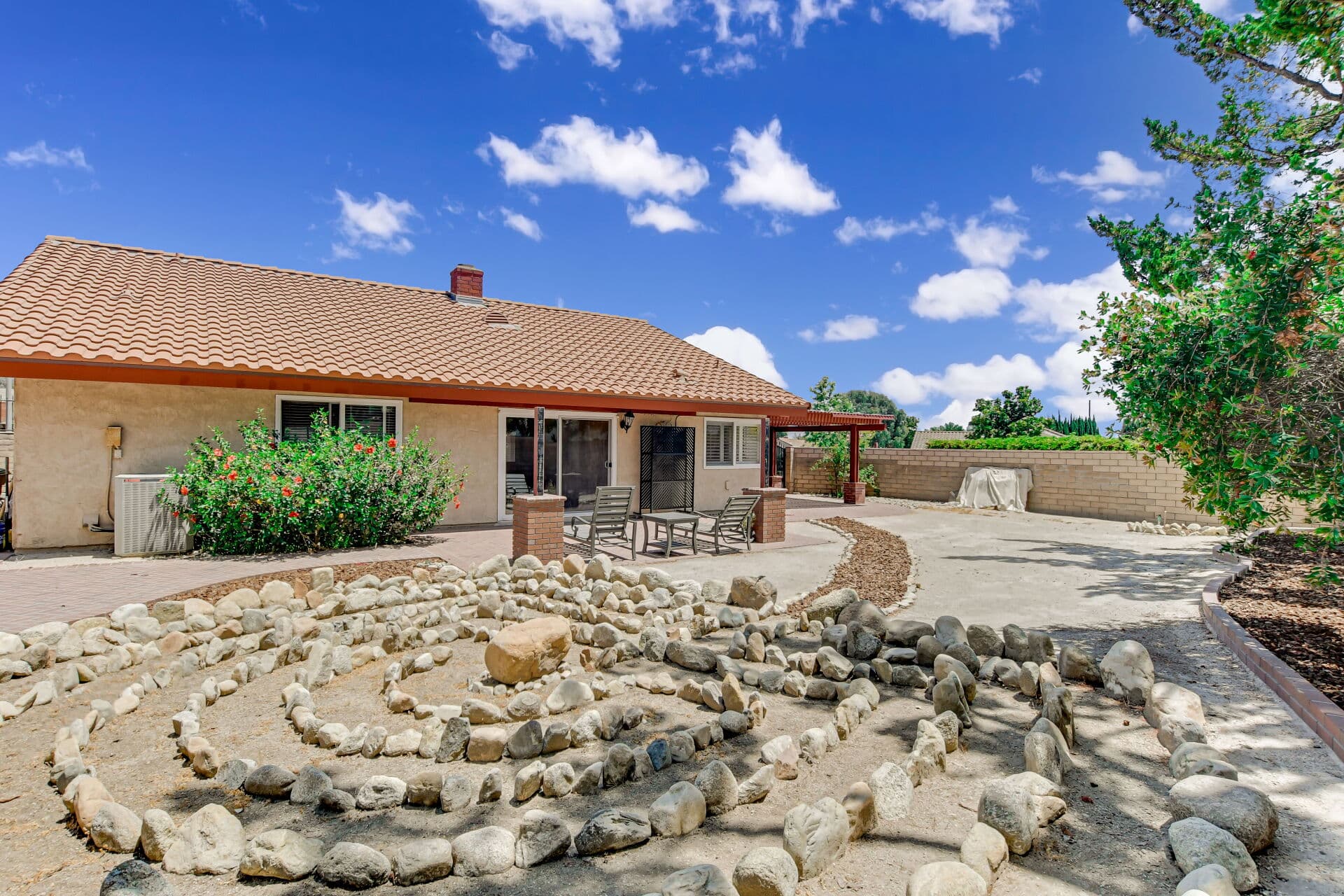
Move outward and you get the post-war and mid-century body of the city: ranch and mid-century floor plans on regular streets, flatter lots, attached garages, and enough width in the house for a family that needs bedrooms rather than parlors. Canopy is still substantial on most streets.
Trade-off. You give up the walk to the Village and gain a floor plan built for how households actually live now, usually with more parking and more usable yard for the money.
North Claremont and the foothills
The northern part of the city climbs toward the San Gabriel foothills. Larger parcels, views, a quieter feel, closer access to the wilderness park and trails, and a mix of 1960s through more recent construction.
Trade-off. Slope, longer drives to everything, and a different hazard and insurance conversation than a flat central lot. Check the state's fire hazard severity zone mapping for the specific parcel and read the natural hazard disclosure report carefully; insurance should be shopped as soon as escrow opens rather than at the end.
The planned tracts and association communities
Several parts of the city are organized as planned developments with homeowner associations, and most attached housing carries one. These offer newer construction, consistent streetscape, sometimes shared amenities, and a maintained common area.
Trade-off. Rules and dues. Associations govern exterior changes, parking, rentals and often much more, and the governing documents are the thing to read rather than the brochure. Claremont is not blanketed in associations, which surprises people both ways; the map of where they do and do not exist is in does Claremont have HOAs everywhere.
Condos and townhomes
Attached housing exists across the city and is the usual entry point for buyers who want to be in Claremont without an older single-family maintenance load. Lower exterior upkeep, association services, often a good location relative to the Village.
Trade-off. Shared walls, association governance, and a financing conversation that differs from a detached house because lenders look at the project as well as the borrower. Talk to a lender about the specific complex early.
How to actually pick
Rank your own constraints before you tour, in this order.
One: the non-negotiables. Single story or not. Minimum bedrooms. Maximum commute. Yard or no yard. These eliminate more inventory than anything else and they do not bend.
Two: the daily pattern. Do you want to walk somewhere in the evening, or do you want quiet and a bigger lot? Those two answers push you to opposite ends of the city and both are legitimate.
Three: the maintenance appetite. An older house near the Village is a wonderful thing to own and a real ongoing project. A 1990s tract home is not the same experience. Be honest about which one you want to spend Saturdays on.
Four: verification. Confirm school assignment with Claremont Unified for the exact address, read association documents if any exist, and inspect thoroughly on anything older. The school step is laid out in Claremont school boundaries and enrollment.
What the areas have in common
It is worth saying, because buyers arriving from larger cities sometimes expect sharper contrasts than exist. Claremont is small. The distance from the Village to the northern edge is not far, the same city services cover all of it, and the same municipal tree program shapes most of the streets. Someone living at the north end still shops, eats and catches a train in the same downtown as someone living three blocks off it.
So the differences between areas are real, but they are differences of housing stock, lot size, canopy age and how much you drive, rather than differences of civic identity. A household that is agonizing over two areas is usually really choosing between two houses, and would do better to look at the houses.
The mistake buyers make
Picking the neighborhood first and forcing the house into it. Buyers who fall for an area and then compromise on floor plan, bedroom count or condition usually regret the house rather than the location, and the house is the part they cannot change without spending a great deal of money.
Run it the other way. Let the non-negotiables filter the inventory, tour what survives across several areas, and let the neighborhood emerge from where the right houses turn out to be. Buyers who do that end up in places they never listed on the initial wish list, and are usually happier for it.
For the wider picture of what the city offers, see what Claremont is known for. More local questions live on the Claremont real estate FAQ hub. Anthony Grynchal has been licensed in California since November 2009. He prepares a comparative market analysis and coordinates independent, state-licensed appraisers when a formal appraisal is required; school assignment questions go to Claremont Unified.
Frequently asked questions
Which Claremont neighborhood is the best one?
There is no single best neighborhood, and naming one would say more about the person answering than about the city. Claremont has several distinct areas with genuinely different housing stock and rhythm. Rank your own non-negotiables first and let the right area follow from where the right houses are.
Is it better to buy near the Village or further out?
Near the Village you buy walkability, canopy and older architecture, and you accept older systems and tighter secondary bedrooms. Further out you buy floor plan, parking and yard, and you accept driving. Both are reasonable; the answer depends on whether you will genuinely use the walk.
Do all Claremont neighborhoods have homeowner associations?
No. Associations are concentrated in specific planned tracts and in most attached housing rather than spread across the city. Where one exists, read the governing documents rather than the marketing, because rules on exterior changes, parking and rentals vary widely.
What should I verify before choosing a neighborhood?
School assignment with Claremont Unified for the exact address, association documents where they exist, hazard mapping and the natural hazard disclosure report on hillside parcels, and a thorough inspection on anything older. Verify at the address level, never at the neighborhood level.

Written by
Anthony Grynchal
Anthony Grynchal is a California real estate professional with eXp Realty, licensed since November 2009 (California DRE# 01873626), and the Designated Local Expert™ for Claremont — where he has lived for more than 33 years.
More about AnthonyPublished · Updated