The first few showings are mostly overwhelming. You walk in, you react to the kitchen, and twenty minutes later you are on the sidewalk trying to remember whether the second bedroom had a closet.
That is normal. It also means first-time buyers consistently miss the same things, and the things they miss are rarely cosmetic. This is a list of what to actually look at, and an equally important note about what a showing cannot tell you at all.
You are touring a system, not a decor scheme
Staging is designed to move your attention. Paint, furniture, lighting, and scent are all doing work.
The discipline is simple: look at what does not move. The roof, the windows, the foundation and the ground around it, the panel, the water heater, the heating and cooling equipment, the plumbing you can see. Those are the expensive things. A dated kitchen is a preference. A tired system is a bill.
So spend the first minutes of every showing outside, before the interior has a chance to charm you.
Outside, before you go in
Walk the perimeter.
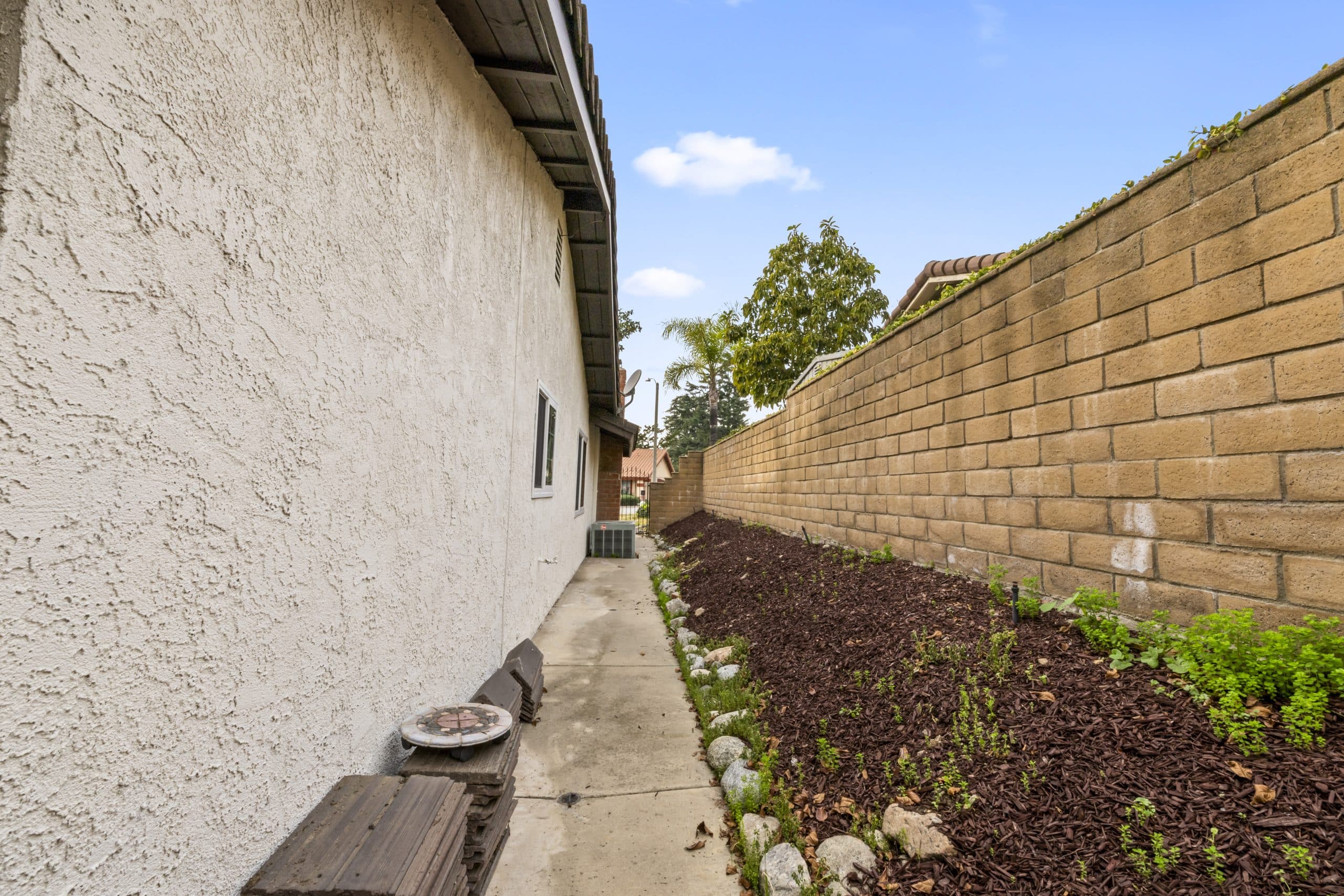
Look at how the ground slopes relative to the house. Water should move away from the structure. Look for staining on the exterior walls, at downspouts that discharge against the foundation, and at any place where soil has built up above the base of the wall.
Look up at the roof from the ground, and at the gutters. Look at the fascia and the eaves for soft or discolored wood.
Look at trees. Claremont's canopy is one of the best things about the town and mature trees are also large objects with roots and limbs, sitting near structures, hardscape, and sewer lines. A big tree is a feature and a maintenance responsibility at the same time.
Check where the utilities enter, find the main water shutoff, and note the electrical panel's location and general condition.
Inside, the boring rooms first
Go to the garage, the laundry area, the water heater, and any mechanical closet before you go to the kitchen. Sellers stage living space; they rarely stage a garage, so it tells you more about how the house has been kept.
Then, room by room:
Open things. Windows, closets, cabinets. Windows that stick, or that have fogged double panes, are telling you something. Doors that will not latch can point at movement.
Look at ceilings and at the top of walls under bathrooms. Staining, patched drywall, and fresh paint in one isolated area are all worth a question.
Run water. Check pressure, look under sinks for corrosion or past leaks, and notice how long hot water takes to arrive.
Look at the floor where it meets the wall, look at the tile grout in wet areas, and look at the transitions where flooring changes.
Count the outlets, and notice the panel again. In older stock, capacity and grounding are real considerations, and they are worth asking about rather than assuming.
The things you can only learn at the property
Some information exists nowhere except on site, and only at the right time.
Noise. A house near a busy street, a rail corridor, or a flight path sounds completely different on a Sunday morning than on a Tuesday evening. Go back at a different hour before you write an offer on anything.
Light. Which rooms get sun, and when. In a hot summer, west-facing glass is a comfort and cooling issue, not a design note.
Parking, on the street and off it. Trash day. Where neighbors' windows look. How far it actually is to walk to the places you told yourself you would walk to.
Do the walk. It is free and it prevents the most common form of buyer regret.
Questions to ask, without expecting a full answer
Ask when the roof was last done, how old the systems are, whether there has been work done and whether it was permitted, and whether there has ever been a leak or a pest treatment.
The seller has disclosure obligations, and those disclosures arrive as documents rather than as showing conversation. Treat answers at a showing as leads to verify, not as facts established.
If the property is in an association, ask what the dues cover and what the association maintains versus what you would. Those lines vary by complex, and the governing documents settle it. How attached ownership actually works is worth reading before you tour any of them.
What a showing absolutely cannot tell you
This is the part that matters most.
You are not an inspector, I am not an inspector, and no amount of careful looking substitutes for one. Sewer lines, the interior of walls, the attic and subfloor, the true condition of a roof, and the function of systems under load are outside what anyone can assess at a showing.
Everything above exists to help you decide which properties are worth pursuing and what to have examined closely. When you are in contract, get a thorough INSPECTION, attend it if you can, and read the report as a forecast of future costs rather than as a verdict on the house.
Pace yourself
Touring while you are not yet ready to buy is one of the cheapest educations available, and it makes you far better at this. Two dozen showings teaches you what condition looks like in a way no article can.
It also protects you from pressure. A buyer who has seen a lot of homes does not believe that any single one is the last chance, and that steadiness is worth more than any checklist. If none of them fit right now, continuing to rent while you look is a perfectly sound choice, and it is often the better one.
If you are touring with a household that is still forming, what a growing family should look for covers the layout questions this page does not.
For the full sequence from lender to keys, see the Claremont first-time buyer hub and the first-time buyer's path to a Claremont home.
Anthony Grynchal has been licensed in California since November 2009.
Frequently asked questions
What should I look at first when I walk into a showing?
Start outside. Walk the perimeter and look at drainage, the roof from the ground, the eaves, the trees, and the electrical panel. Then go to the garage and mechanical areas before the staged living space, because those rooms show how the house has been kept.
Can I tell if a house has problems just by touring it?
No. A careful walk helps you decide what is worth pursuing, but sewer lines, wall interiors, attics, and system performance under load require a professional inspection. Treat everything you notice as a question to have examined, not as a conclusion.
Should I visit a property more than once?
Yes, and at a different time of day. Noise, traffic, light, and parking change completely between a Sunday open house and a weekday evening, and that information exists nowhere except on site.
Are answers I get at a showing reliable?
Treat them as leads. Sellers have disclosure obligations that are met through documents during the transaction, so verify anything material through those disclosures and your inspection rather than through conversation at an open house.

Written by
Anthony Grynchal
Anthony Grynchal is a California real estate professional with eXp Realty, licensed since November 2009 (California DRE# 01873626), and the Designated Local Expert™ for Claremont — where he has lived for more than 33 years.
More about AnthonyPublished · Updated