Buying a first home in Claremont can feel like arriving at a door someone else already closed. The town's prices carry a college-town premium, the good listings draw competition, and the arithmetic on a first purchase here looks, at first pass, impossible. Here is what I want you to hear before any of the mechanics: people buy first homes in Claremont every month. They do it through the attached market, through the town's starter streets, through loan programs built for exactly this situation, through family help documented properly, and above all through preparation that starts earlier than they expected. This page is the whole path in order, money, search, offer, escrow, first year, written for someone doing this for the first time, with no jargon left unexplained and no false promises anywhere.
I am Anthony Grynchal, Mr. Claremont, licensed in California since November 2009, and first-time buyers are some of my favorite work in this business: nobody remembers their fifth escrow, but everyone remembers their first keys. The coaching below is what I actually tell people across a kitchen table.
Start with the honest picture
Claremont is a premium market, and pretending otherwise would waste your time. The same things that make the town worth wanting, the Village, the Colleges, the schools, the trees, keep demand ahead of supply, and a first buyer here is usually competing with move-up buyers who hold more cash. But the honest picture cuts both ways, because the market has real entry points: condos and townhomes that trade well below the detached tier, starter-scale homes in the town's south and central neighborhoods, and the occasional dated house that scares off buyers who cannot see past the carpet. The first mental shift of a successful first purchase is this: you are not buying your forever home, you are buying your first one. A first home is a foothold, in the same market whose growth priced you out of the bigger houses, and the foothold is what makes the second home possible later. Timelines help the same way: most first purchases here unfold over months, not weeks, from the first lender call to keys, and knowing that from the start converts impatience into pacing.
Money before house: the lender conversation
Every successful first purchase I have watched started with money, not listings. Before the first open house, talk to a lender, because everything downstream depends on what that conversation establishes. Learn the difference between being pre-qualified, a quick estimate based on what you tell them, and pre-approved, a documented review of your income, assets, and credit that produces a letter sellers take seriously; in a competitive market, only the second one matters. Understand the loan categories in plain terms: conventional loans, the standard route; FHA-backed loans, built to accommodate smaller down payments and a wider credit range; and VA loans for those who have served, each with its own trade-offs your lender can walk through against your actual finances. Know that assistance exists: California runs programs for first-time buyers, CalHFA among them, and other assistance programs surface and change over time, so the current terms, and whether you qualify, are a conversation for your lender rather than a fact any static page should claim. If family is helping, document the gift properly from the start, lenders have rules about gift funds, and a clean paper trail keeps the help helpful. And budget for the true monthly cost, not just the loan payment: property taxes, insurance, association dues if you buy attached, and maintenance all live in the real number. The full landscape, programs, qualifying, choosing a lender, is mapped in the Claremont financing guide.
Where entry-level Claremont actually lives
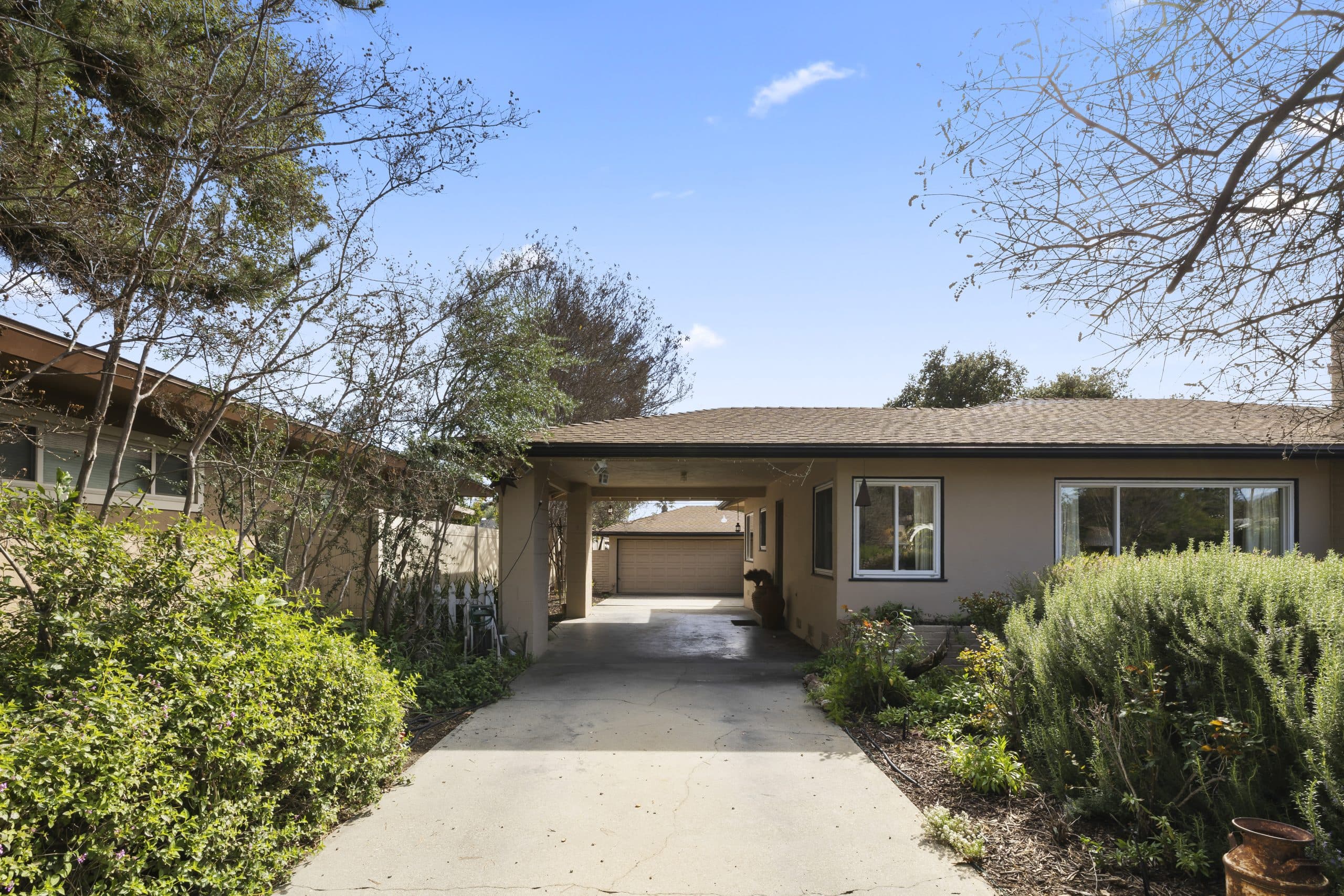
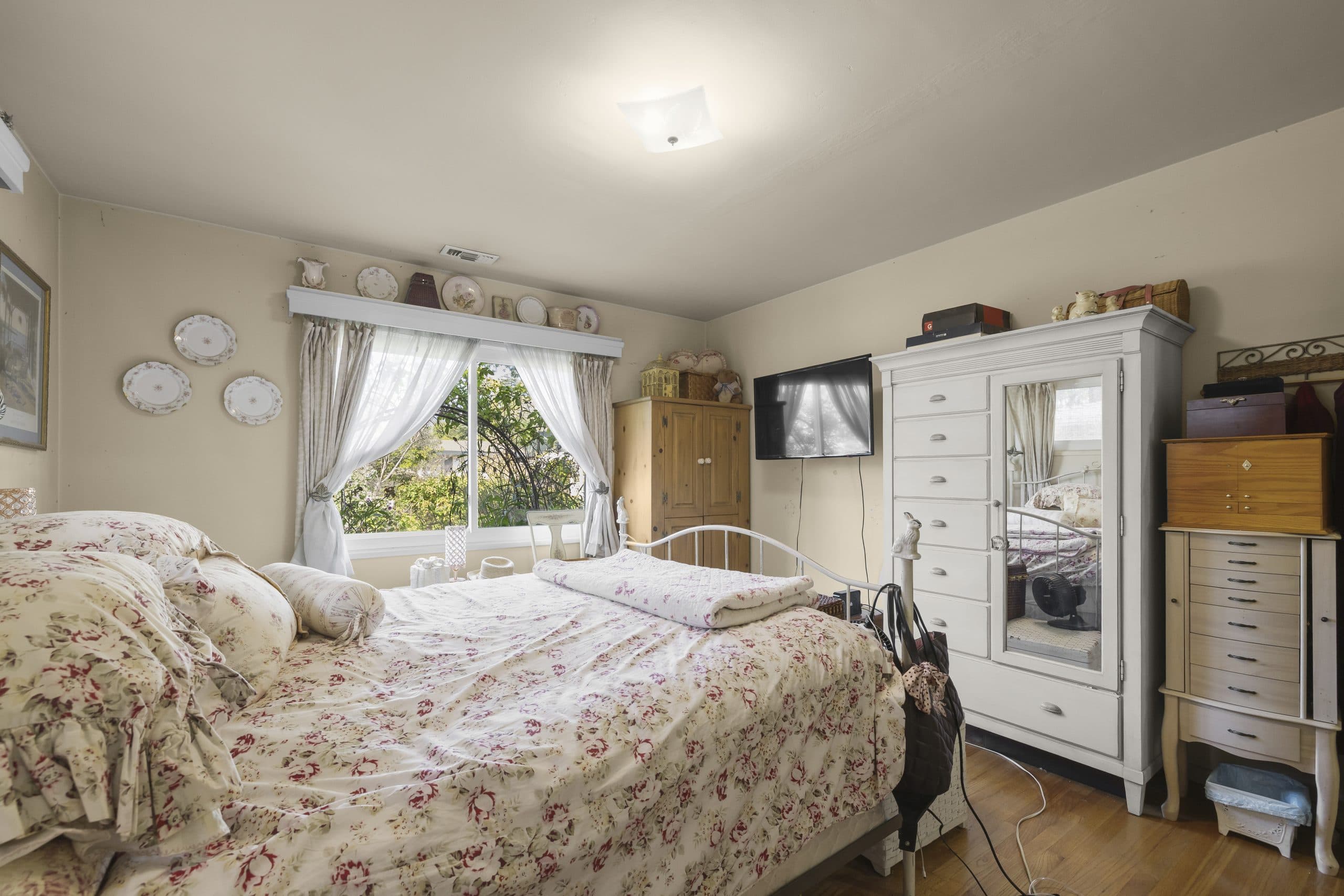
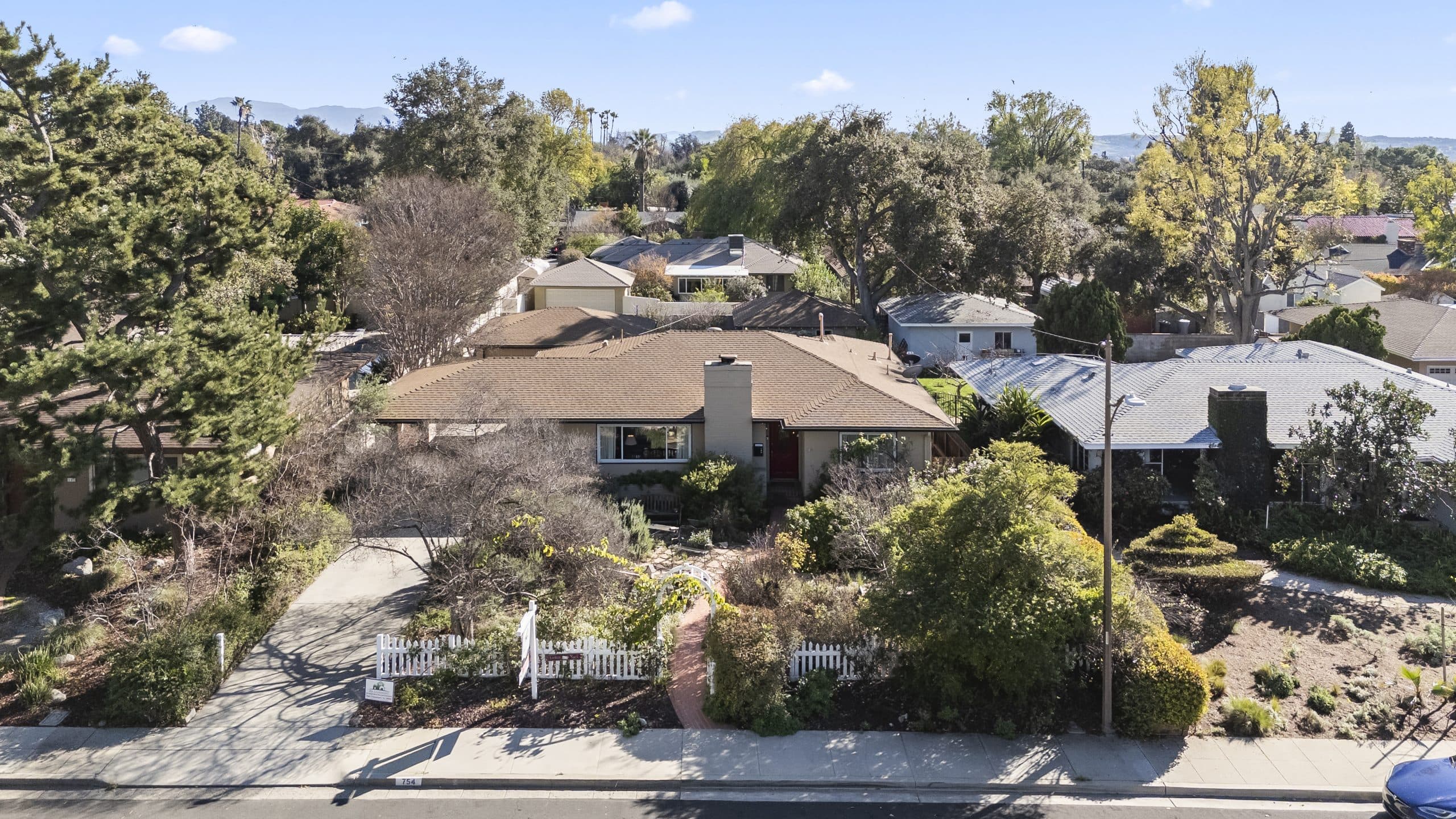
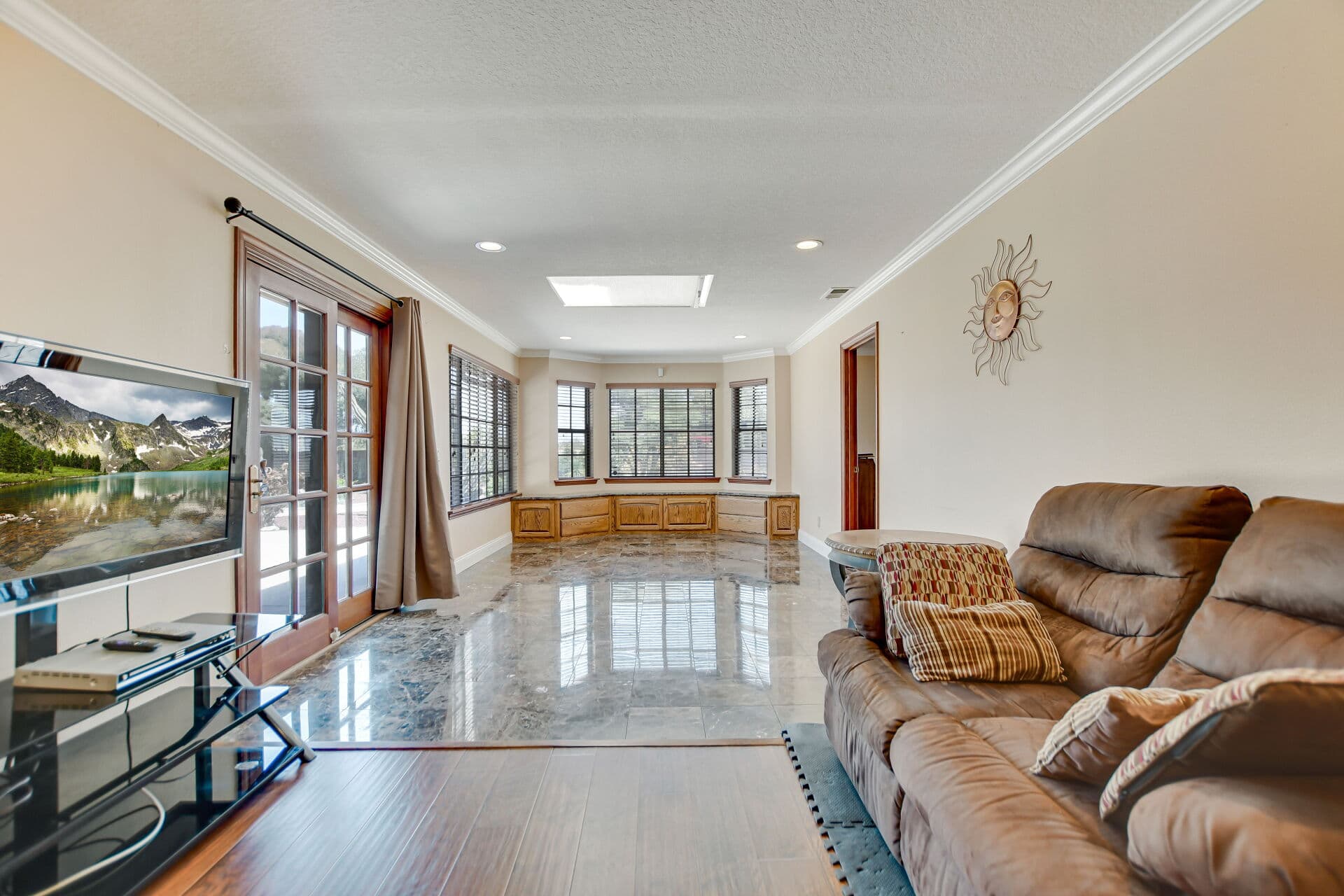
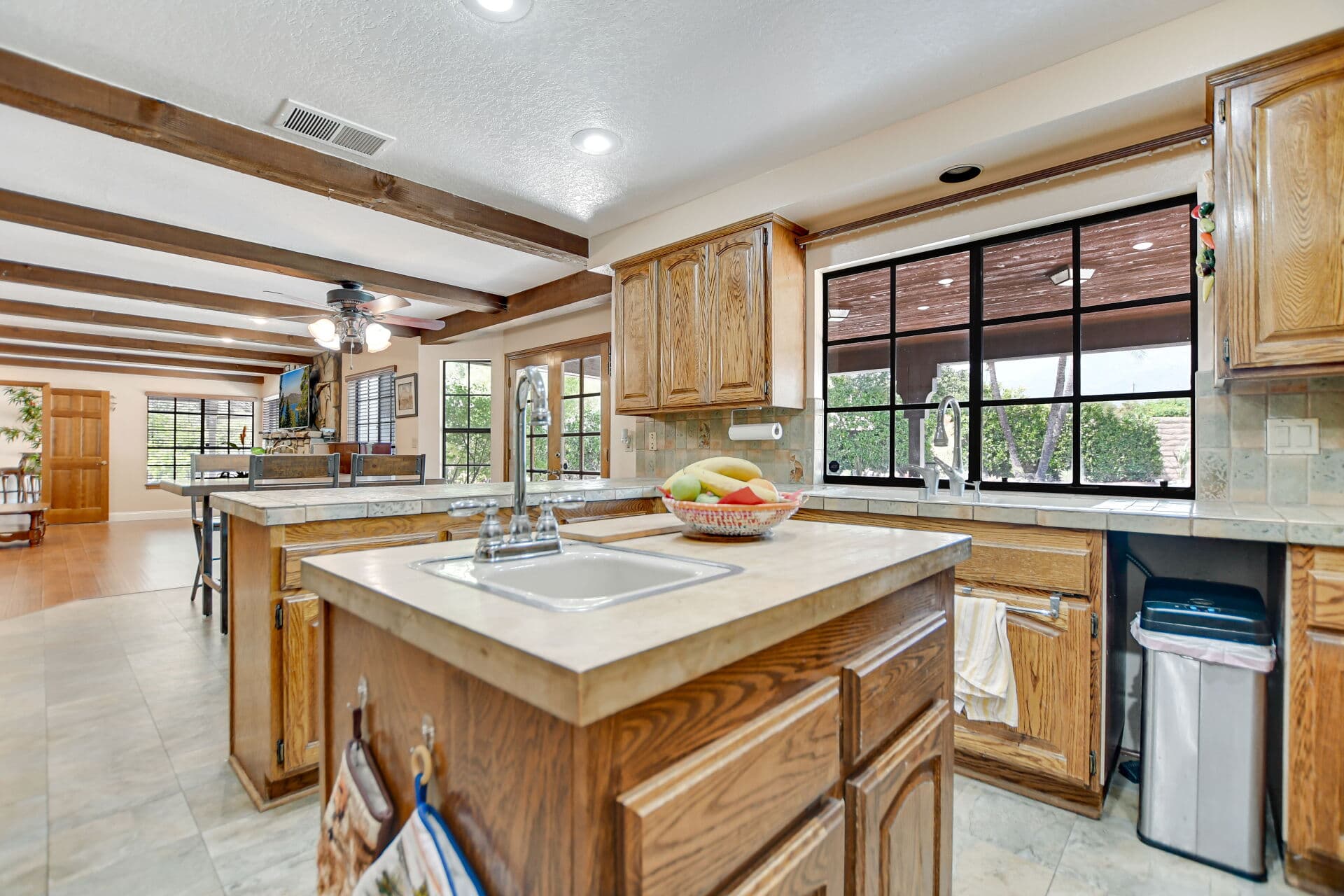
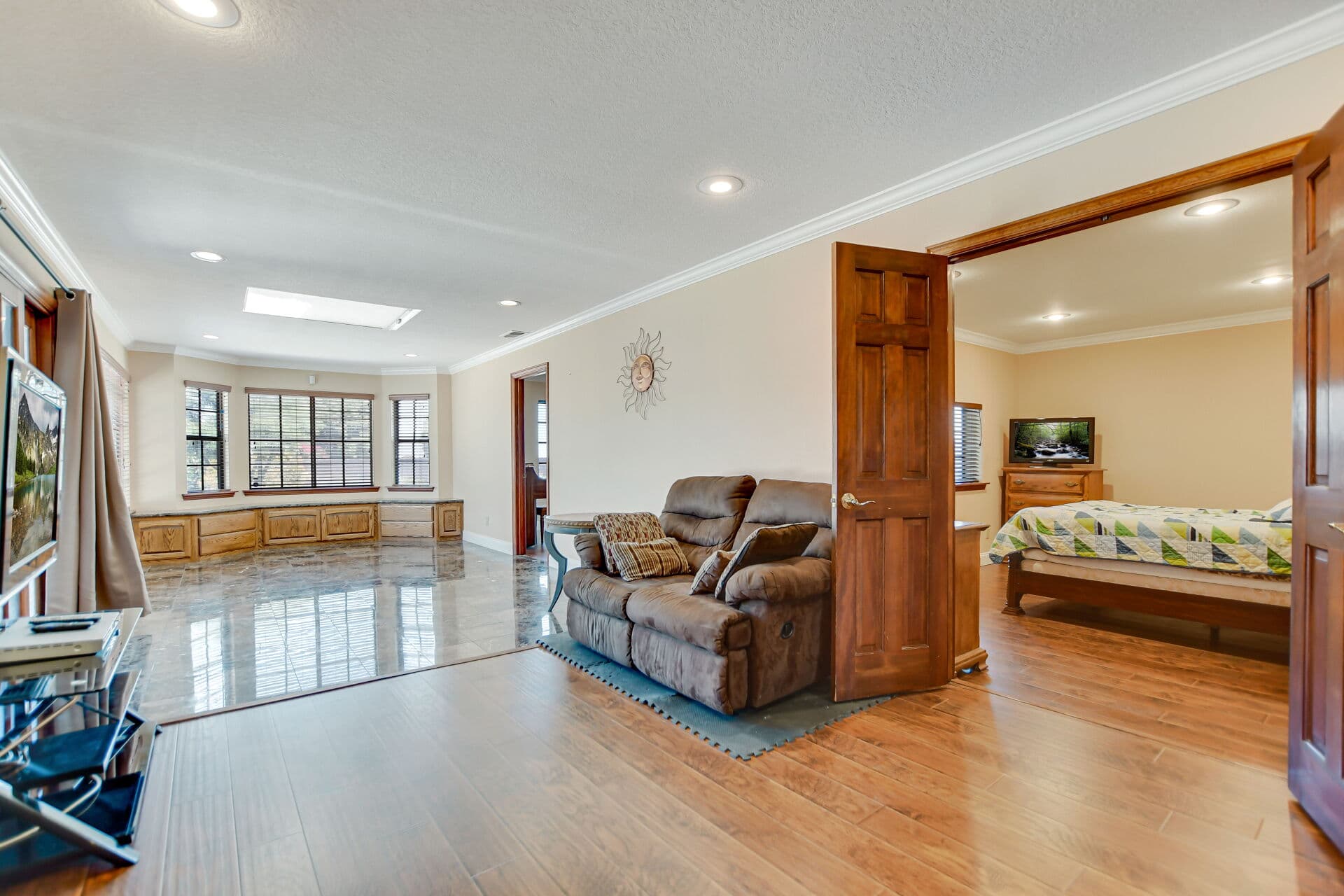
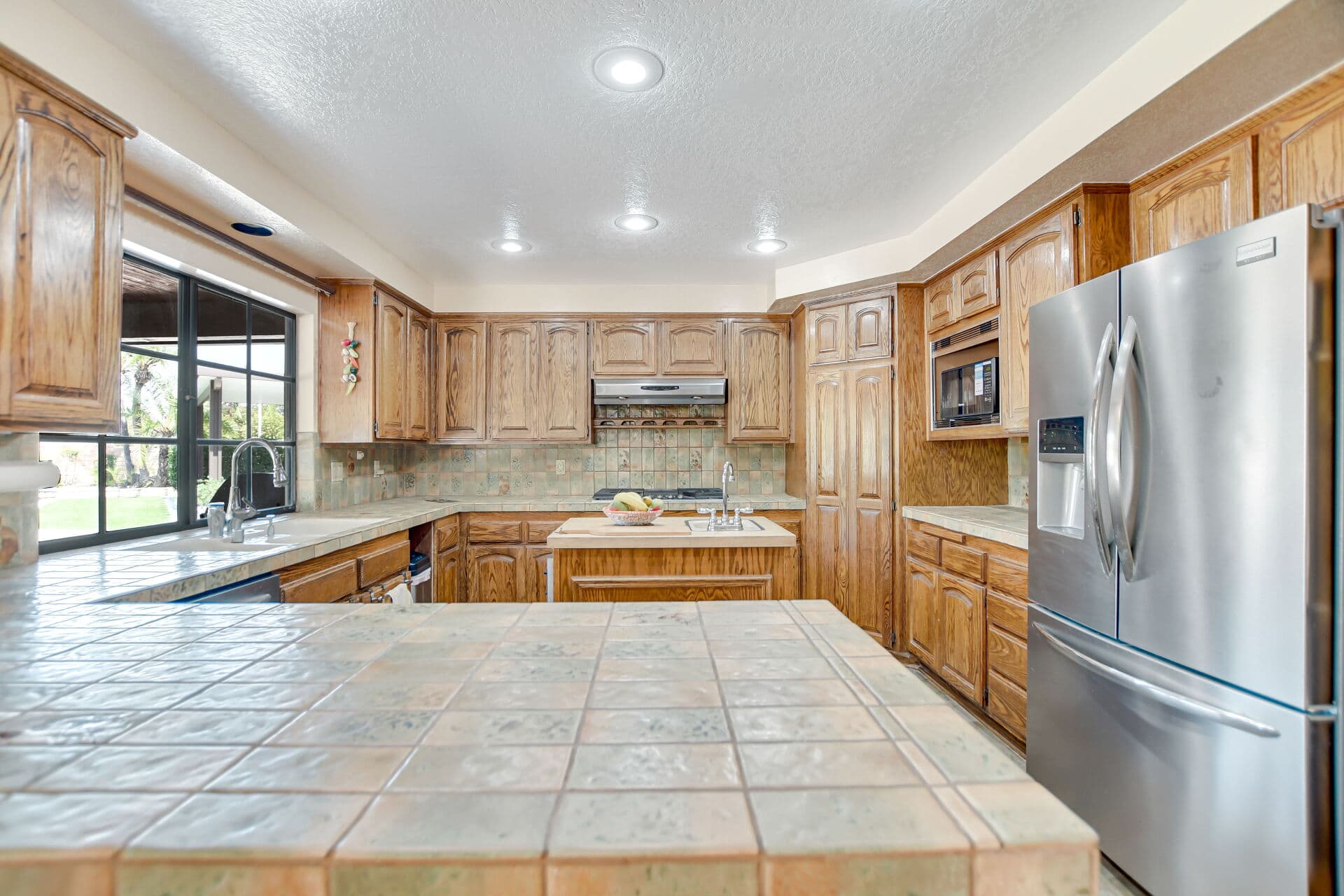
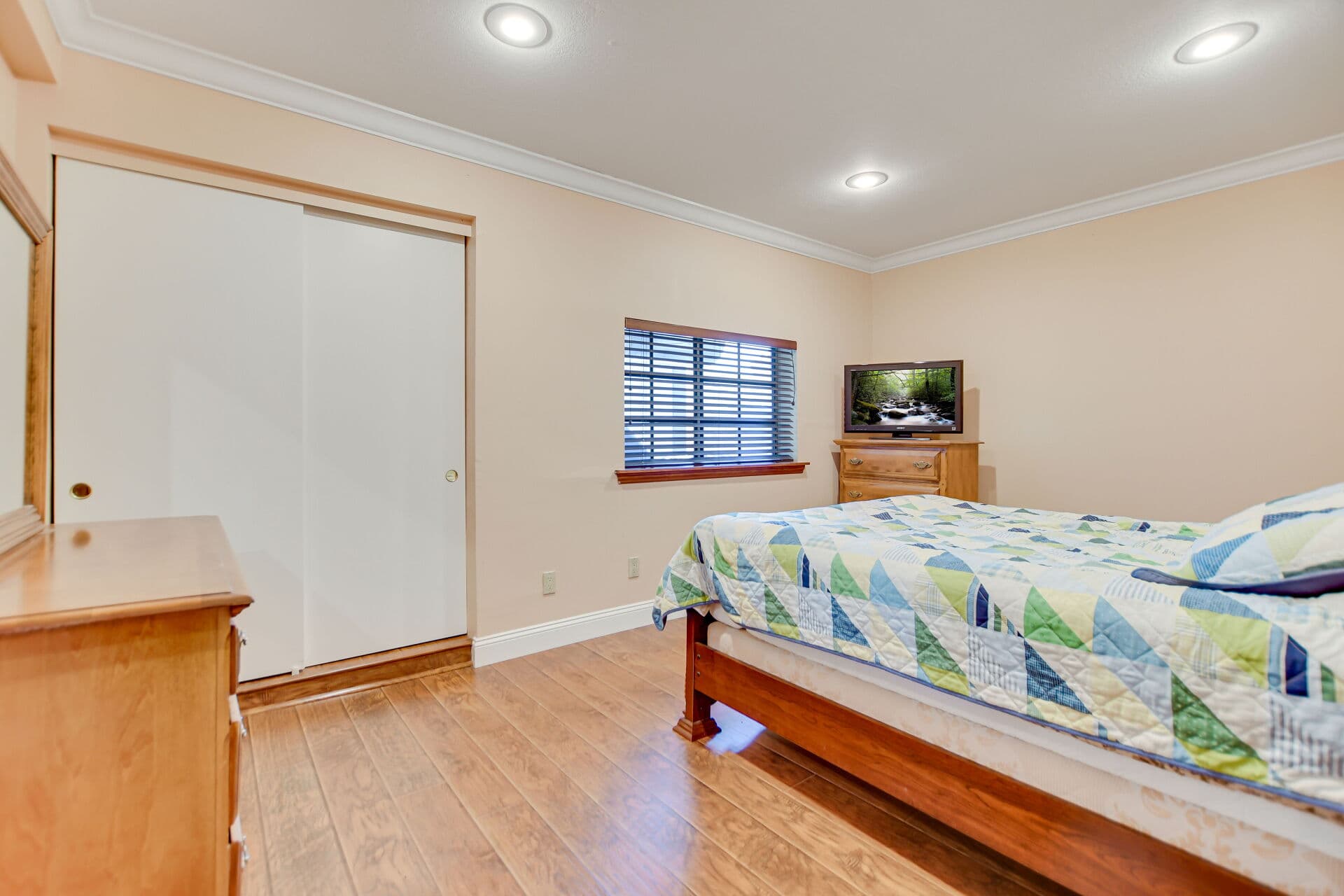
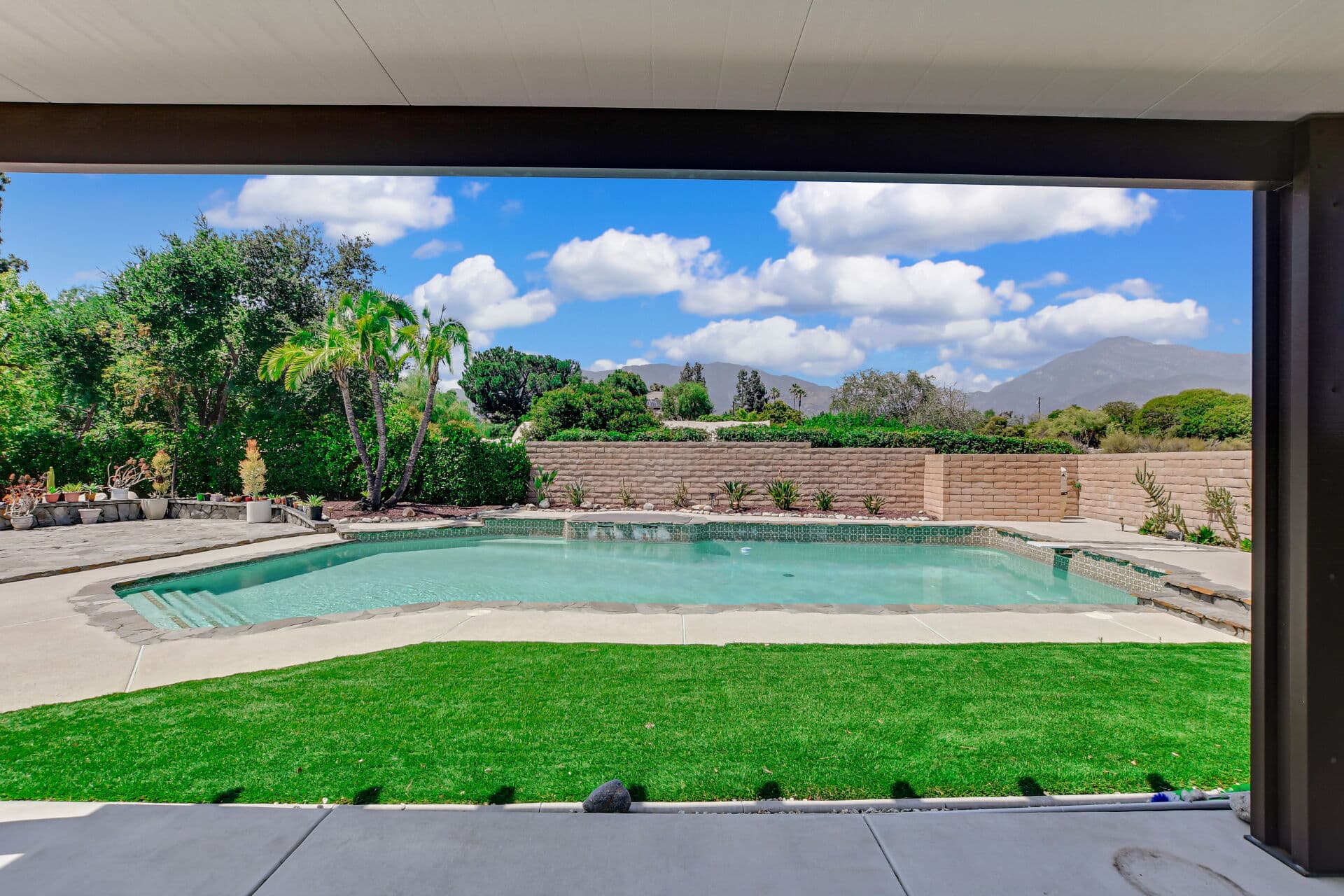
First homes here cluster in two territories. The first is the attached market: condos and townhomes are Claremont's most attainable ownership, and a well-chosen unit in a well-run association is a real home in a premium town, not a consolation prize. The attached purchase carries its own layer, association documents, dues, lender review of the community, all mapped in the Claremont condo and townhome guide. The second territory is the detached starter stock: the modest single-story homes of South and central Claremont, much of it midcentury, on real lots, in neighborhoods that share the same schools and the same Village access as the town's pricier tiers. Choosing between these territories, and between the neighborhoods inside them, is its own decision with its own trade-offs, walkability, lot, commute, era of construction, and the framework for making it lives in the Claremont neighborhood decision guide. One honest note on the dated house: cosmetic ugliness, old paint, worn floors, a sad kitchen, is a first buyer's friend, because it discounts the price without compromising the bones. Structural problems are a different matter entirely, which is what inspections are for.
Two more paths deserve a mention because they work here. The first is buying with help beyond the down payment: parents co-signing or contributing is common in a market like this one, and it works best when the arrangement is structured deliberately, with the lender's rules and the family's expectations both in writing. The second is buying with the future in mind: a home with a separate-entry room, a convertible garage, or space for a future accessory unit gives a first purchase room to grow into, and in a college town, a spare room has a way of paying rent. Neither path is required; both widen the field.
Learn the market on foot
Between the lender conversation and the first offer, there is a skill to build, and the town offers a free classroom every weekend: open houses. Touring homes you do not intend to buy teaches you the market faster than any listing portal, what a given price actually buys in each neighborhood, how staging flatters, what your own non-negotiables really are once you have stood in enough kitchens. Walk the streets you are considering at different hours, weekday morning and Saturday night read differently, and time the walk to whatever anchors your life, the Village, the depot, the freeway. The rhythm and etiquette of touring, and how to get the most from it, live in the Claremont open house guide. By the time you write an offer, the market should feel familiar, because calibration is confidence, and confidence is what keeps a first buyer from either freezing or overreaching.
The offer, and losing well
Now the part nobody enjoys hearing: in a market like Claremont's, many first buyers lose an offer or two before they win one, and the losing is survivable if you handle it as information. A competitive first offer is built on preparation, the documented pre-approval, terms as clean as your situation honestly allows, responsiveness that shows the seller's side you are organized, and on discipline: decide your true ceiling for a property before the negotiation starts, not during it, and let the ceiling be about your budget rather than about winning. When an offer loses, ask what won, adjust what is adjustable, and keep your criteria stable; the buyers who struggle are the ones who let three losses talk them into a house they never wanted or a number they cannot carry. The full anatomy of offers, contingencies, and negotiation lives in the Claremont buying guide, and it is worth reading before your first one, not after.
Manage the emotional arithmetic too, because it is real. A first purchase is the largest transaction of your life so far, conducted on someone else's deadline, and the stretch between offer and answer is genuinely stressful. The antidote is structure: know your numbers cold, decide your walk-away in daylight, and treat the process as a series of decisions rather than a single verdict on your worthiness. Every experienced homeowner you know was once exactly this nervous.
Escrow, keys, and the first year
When an offer is accepted, you enter escrow, the structured stretch where deposits are held, inspections happen, disclosures are reviewed, and the loan moves to final approval. It is the most paperwork-dense phase of the purchase and the least mysterious once the sequence is laid out, which is exactly what the Claremont escrow guide does, step by step, deadline by deadline. Two first-year notes that surprise almost every new owner: first, in California your purchase triggers a reassessment, and a supplemental property-tax bill typically follows some months after closing, separate from anything your lender collects, so expect it and set money aside; the system is explained in the Claremont property taxes guide. Second, the house will ask things of you, a first year of small maintenance surprises is normal, especially in older stock, and a modest standing reserve turns those surprises from crises into chores. Neither of these is a reason to hesitate; both are reasons to walk in prepared.
One more habit for the escrow weeks: read everything, and ask about anything unclear before signing rather than after. No honest professional minds the questions, and a first buyer who understands each document leaves escrow owning more than a house; they own the process, which makes every future purchase easier.
If you are somewhere on this path, whether the lender call is behind you or the whole thing still feels theoretical, call me at (909) 731-5374 for a first-buyer strategy session. We will lay out your actual numbers, your realistic territories, and a timeline that fits your life, and if the honest answer is that another year of saving serves you better, I will tell you that too.
Frequently asked questions
How much do I need for a down payment on a first Claremont home?
There is no single number, because it depends on the loan path. Conventional loans, FHA-backed loans, and VA loans each carry different down-payment structures, and California assistance programs, CalHFA among them, exist specifically to help first-time buyers with entry costs, though terms change over time. The reliable move is a lender conversation early: a documented pre-approval establishes what you can actually do, and gift funds from family can help when documented properly under the lender's rules.
Are there first-time buyer programs for Claremont?
Yes, programs exist. California operates assistance for first-time buyers, including CalHFA programs, and other state and local assistance surfaces over time. What no static page can honestly tell you is the current terms, income limits, funding availability, and qualification rules change, so the accurate answer for your situation comes from a lender who works with these programs. The practical takeaway: assistance is real, it helps genuine buyers into genuine homes, and asking about it early costs nothing.
Is buying a condo a good first step in Claremont?
For many first buyers, honestly yes. Condos and townhomes are Claremont's most attainable ownership, and a well-chosen unit in a well-run association builds equity in the same premium market as the houses around it, which is what makes the second purchase possible later. The qualifier matters: the association is half the purchase, so reviewing its documents, budget, reserves, and rules during escrow is essential. Buyers who need a yard or cannot live with shared walls should weigh the detached starter stock instead.
What if I keep losing offers on Claremont homes?
Treat each loss as information rather than a verdict. Ask what the winning offer had, adjust what is honestly adjustable, cleaner terms, faster responsiveness, better preparation, and keep your budget ceiling fixed, because the real risk after several losses is being talked into a price you cannot carry or a house you never wanted. Many Claremont first buyers lose an offer or two before winning one. Preparation, a documented pre-approval, and patience are what convert the process into keys.