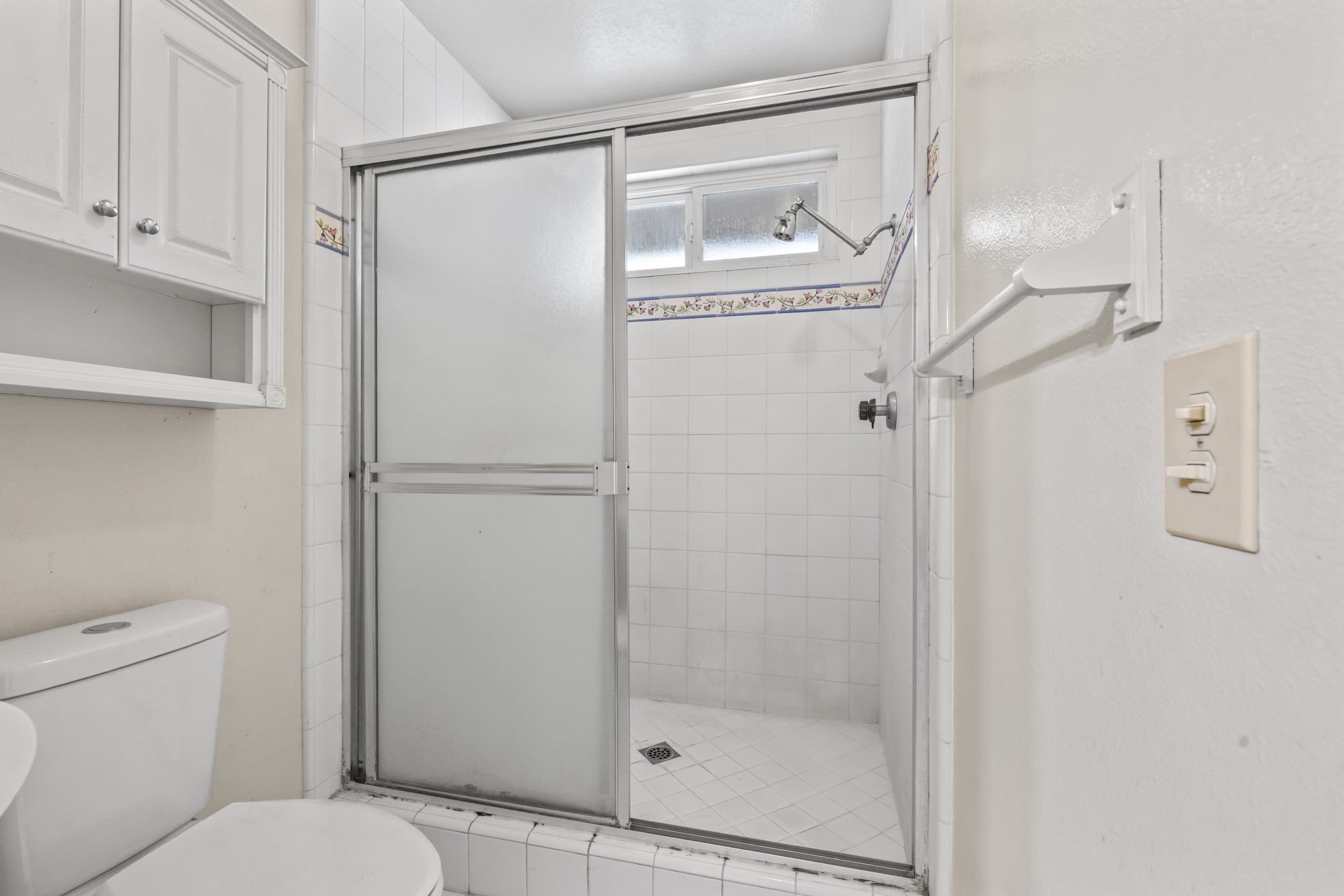
When a property does not sell at a trustee's sale, title reverts to the foreclosing lender. The institution now owns a house it never wanted, and it will list that house for sale. In the trade it is called REO, for real estate owned.
For most buyers this is the accessible version of a distressed purchase. The property can generally be seen. Financing is often possible. Escrow follows recognizable steps. Compared with bidding at an auction, it is a different world.
It is still not an ordinary sale, and the differences are where buyers get caught.
The seller has never seen the house
This is the single most important thing to understand. An ordinary seller lived in the property and knows which window leaks. The REO seller is an institution acting through an asset manager, and it has no personal knowledge of the property at all.
The practical consequences follow from that.
Expect limited disclosures. California disclosure requirements include exemptions applicable to certain transfers, including some following foreclosure, so a buyer should confirm with their agent and, where the stakes warrant, an attorney what is and is not required in a given transaction. What you should assume is that nobody will tell you the history of the roof.
Expect the seller's own addendum. REO transactions usually come with a seller addendum that modifies the standard purchase agreement, often on timelines, remedies, per-diem charges for delayed closings, and the property's as-is status. READ THE ADDENDUM BEFORE YOU SIGN, and have your agent explain each modified term. This document, not the standard form, is where the deal actually lives.
Expect slow, impersonal responses. Decisions route through an asset manager with a portfolio, and counteroffers can take days. It is not a negotiating tactic; it is a process.
Condition, and what to do about it
The house has usually been vacant for a stretch, and often through a period when nobody was paying for maintenance.
Common findings: utilities off and systems untested, water damage from a failed heater nobody noticed, appliances missing, landscaping dead, a pool that has become a science project, and copper or fixtures gone.
The response is straightforward. INSPECT EVERYTHING, and pay to have utilities turned on for the inspection if the seller allows it. A general inspection plus the specialists the property calls for — sewer, roof, pool, electrical — costs a fraction of what a single missed system costs after closing.
Then set expectations honestly. Most REO sellers sell as-is and decline repairs. The inspection is not a negotiating tool so much as a decision tool: it tells you whether to proceed and at what number.
Financing
REO properties can often be financed, which is their main advantage. Two complications.
Condition can affect eligibility. If a property is missing systems or has significant damage, some loan programs will not lend on it as it stands. Renovation loan products exist for exactly this situation; ask a lender early which programs fit the property you are considering.
And appraisal risk is real, because a distressed property's condition can produce a value below the contract price. Know in advance how your contract handles that.
Title and the paperwork
Title tends to be cleaner than at auction, because the foreclosure process has run and the lender generally wants to convey marketable title. That is a tendency, not a guarantee.
Review the preliminary title report properly. Look for surviving liens, tax obligations, association claims, easements and anything unusual. The catalogue of what can go wrong is set out in the article on title problems, and the preliminary report is when you find these things, not the week of closing.
Occupancy
This is the one item people skip, and it is the one that carries a legal process rather than a repair estimate.
Most REO property is delivered vacant, but not all of it. If anyone is in the house, the timeline and cost of obtaining possession become part of your purchase, and that process has its own legal requirements. Establish occupancy status in writing before you remove contingencies.
Making an offer that gets taken seriously
Asset managers evaluate offers on certainty as much as on price. A pre-approval from a lender who has seen your documents, a realistic closing timeline, and a clean, complete offer package all matter, because the institution is trying to close a file rather than to win a negotiation.
Two habits help. Keep your terms simple, since every unusual request is another item requiring an approval somewhere in a chain. And respond quickly when the seller does respond, because the addendum often shortens the periods you are used to and a missed deadline can carry a real consequence.
Expect the process to feel impersonal, and do not read delay as disinterest. It is a portfolio, not a household.
Whether the price is actually a bargain
REO listings are priced by people looking at market data, and they are frequently listed close to market for their condition. The discount, where one exists, is compensation for condition and for the absence of disclosures.
So do the arithmetic. Purchase price plus repairs plus carrying costs, against a realistic value for the finished home in that neighborhood. If the numbers only work on optimistic assumptions, the property is not underpriced; it is priced correctly for what it is.
For the broader landscape, start at the foreclosures guide. Legal questions belong with an attorney and tax questions with a CPA. Anthony Grynchal has been licensed in California since November 2009.
Frequently asked questions
What does REO mean?
Real estate owned. It describes property whose title reverted to the foreclosing lender because it did not sell at the trustee's sale, and which the lender then lists for sale in the ordinary way.
Will an REO seller make repairs?
Usually not. Most REO sellers sell as-is and decline repair requests. Inspections remain essential, but treat them as a decision tool about whether and at what price to proceed rather than as leverage.
Can I get a mortgage on an REO property?
Often yes, which is REO's main advantage over an auction purchase. Condition can affect eligibility, however, so ask a lender early which programs fit the property, including renovation loan options.
What is the REO seller addendum?
A document the institution attaches that modifies the standard purchase agreement, commonly covering timelines, remedies, delay charges and as-is status. Read it carefully with your agent, because its terms govern the transaction.

Written by
Anthony Grynchal
Anthony Grynchal is a California real estate professional with eXp Realty, licensed since November 2009 (California DRE# 01873626), and the Designated Local Expert™ for Claremont — where he has lived for more than 33 years.
More about AnthonyPublished · Updated