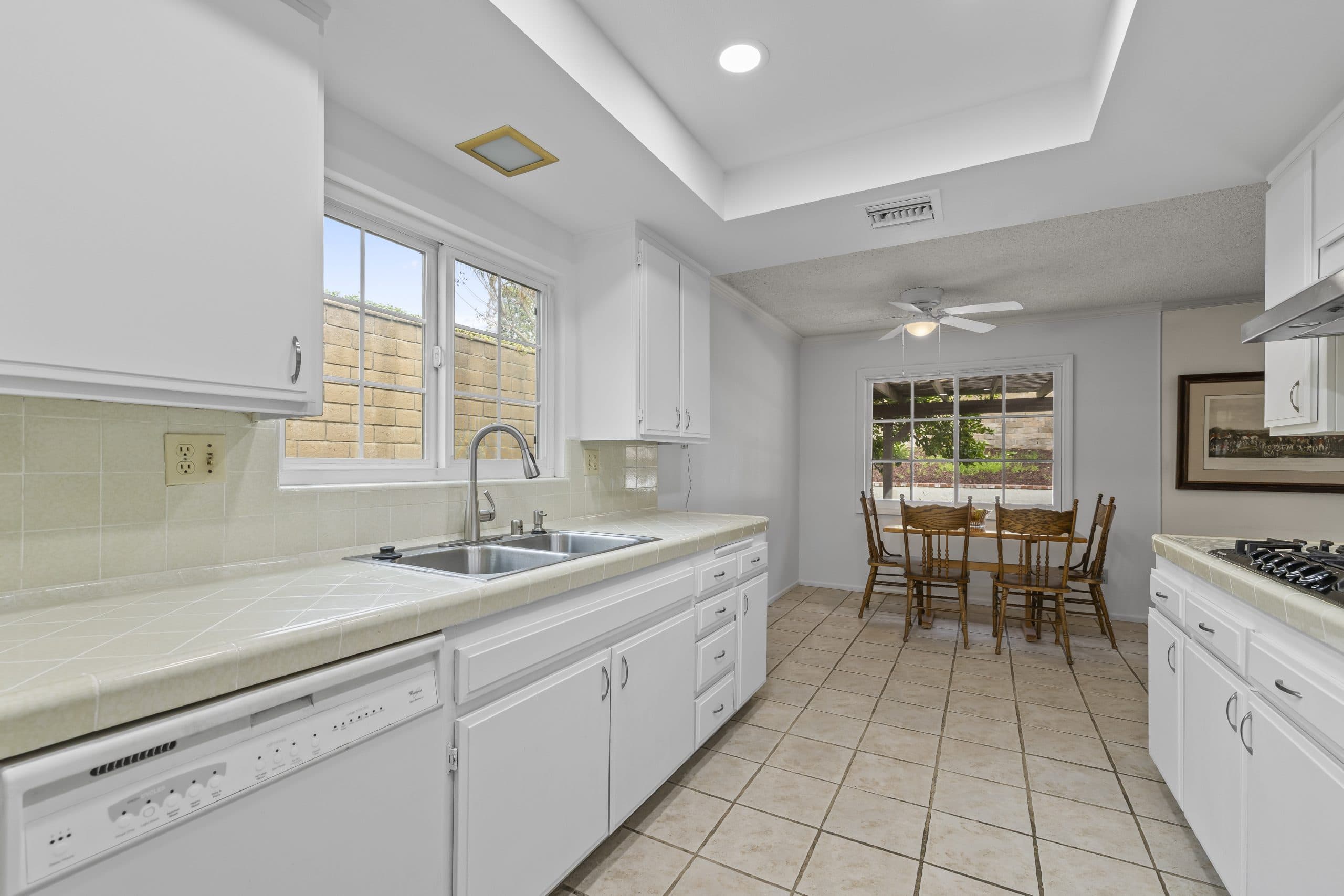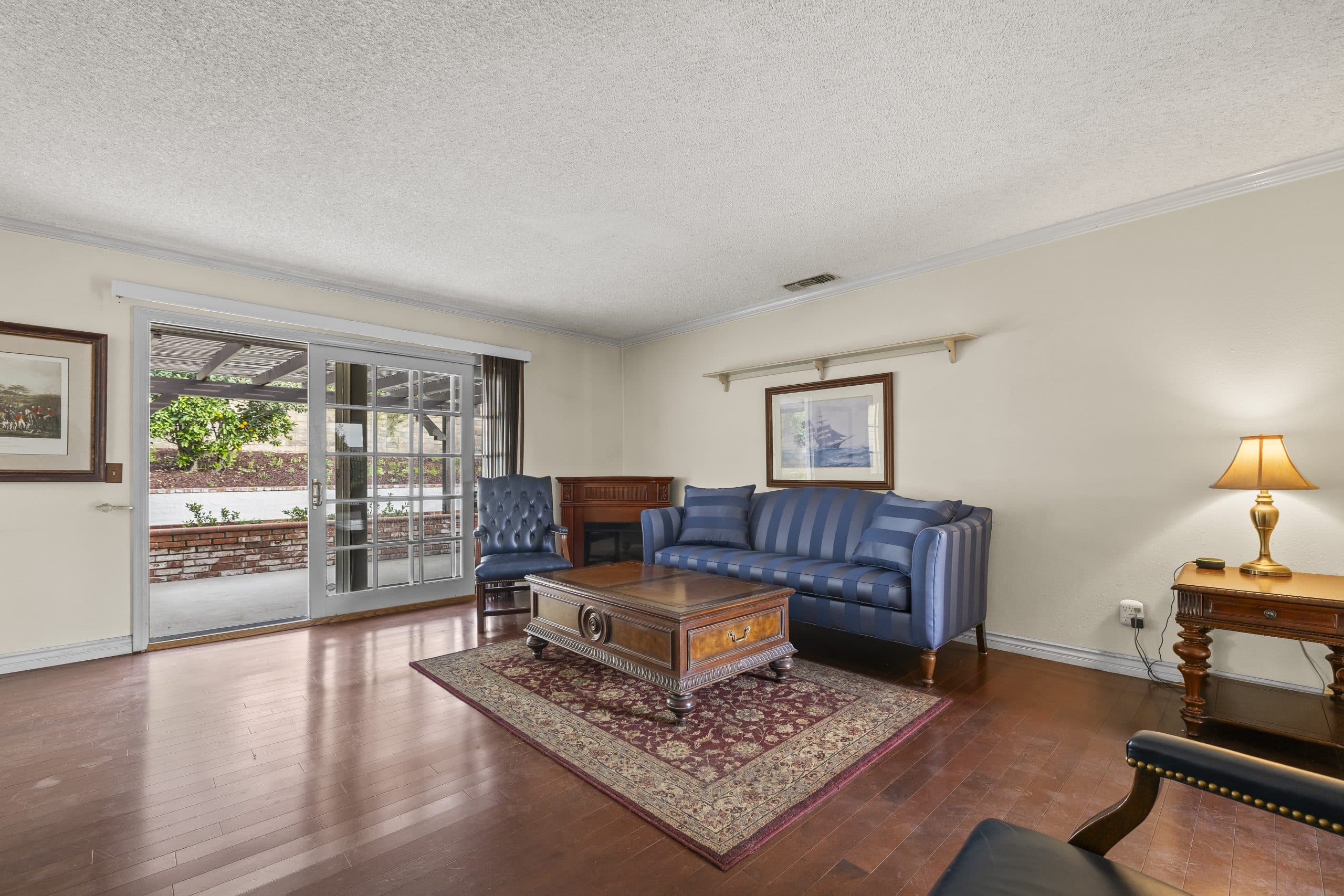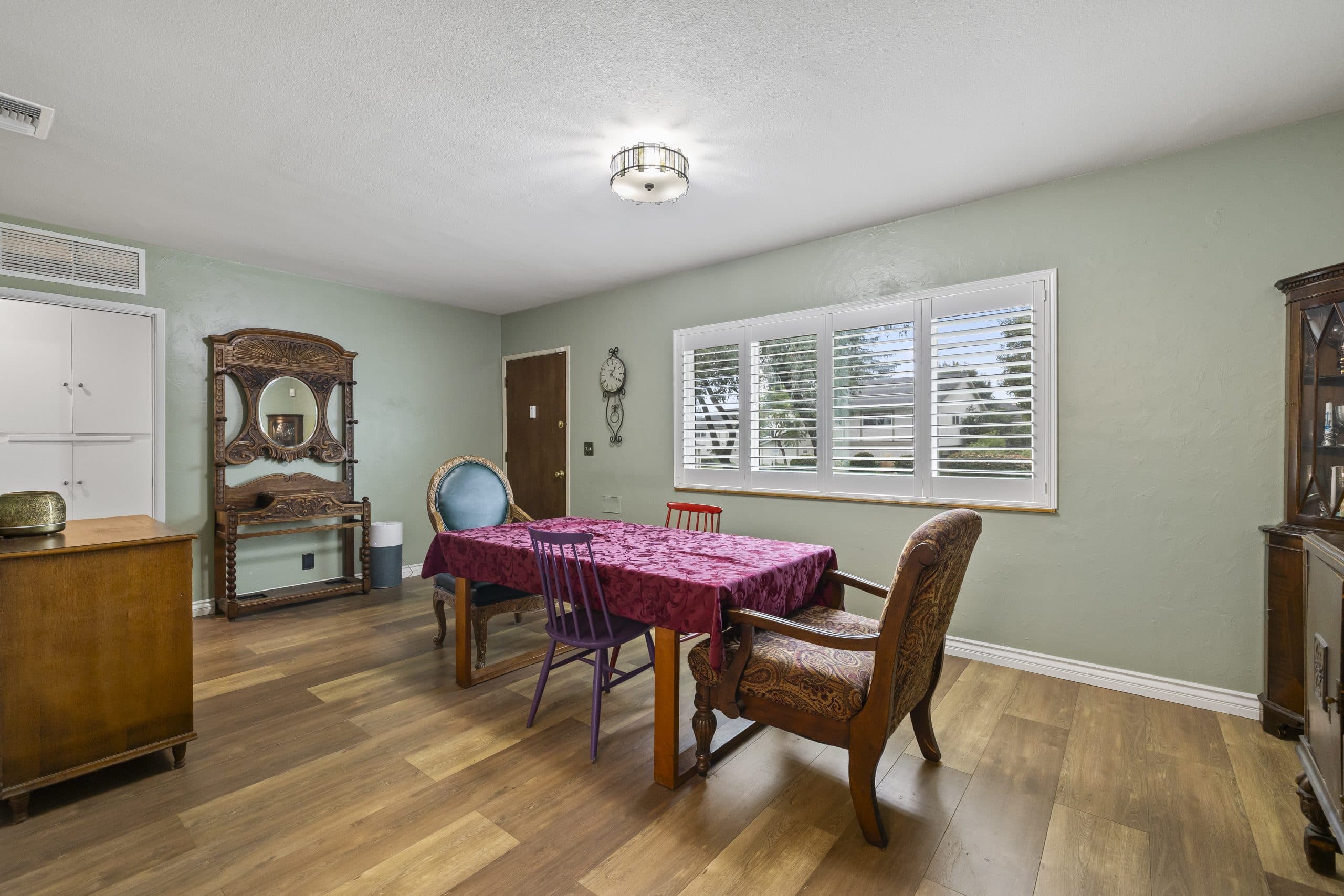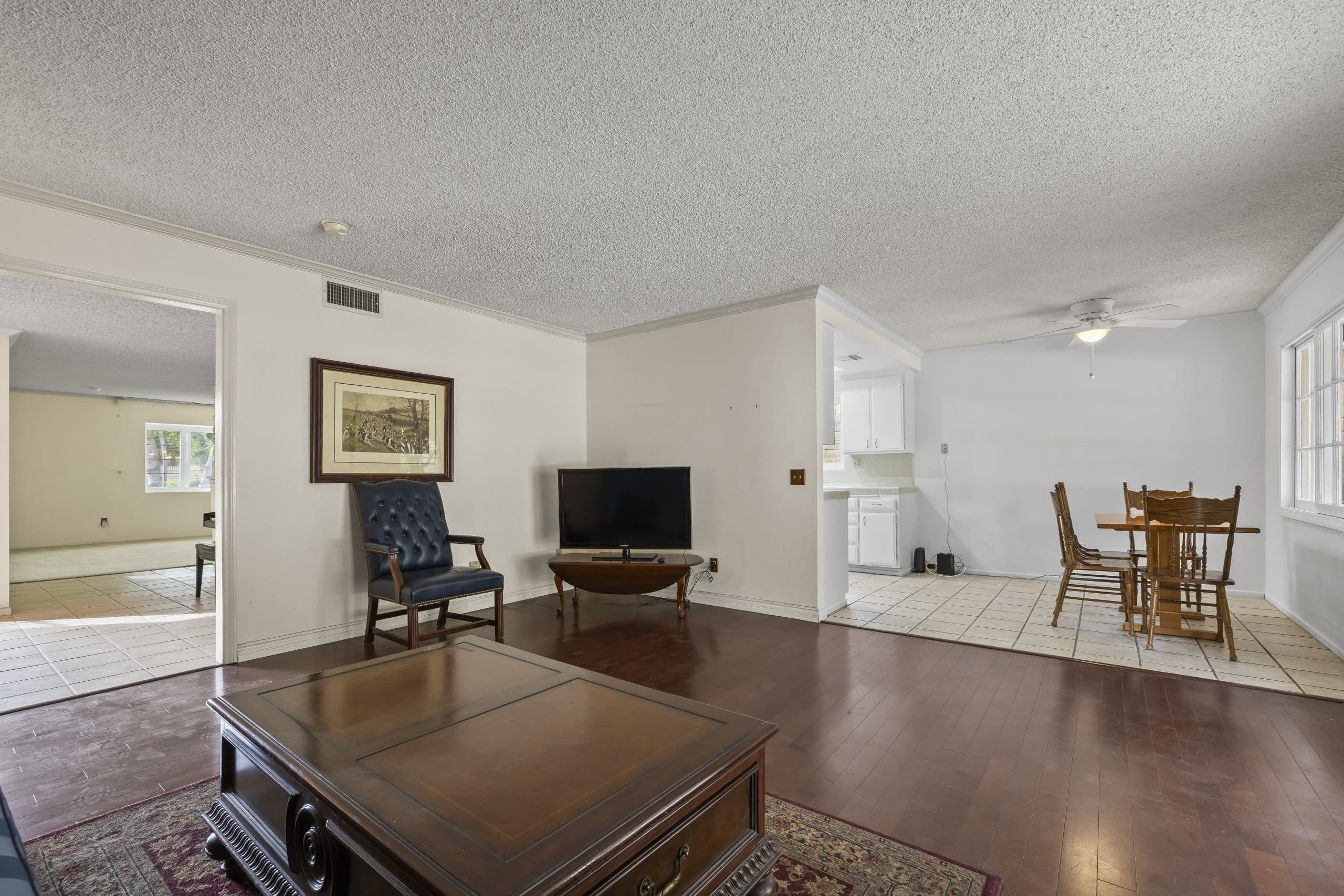
There is a version of the historic listing that everybody has read. Words like stately and timeless, a vague nod to a golden era, an unsourced claim about an architect, and photographs that could be any house anywhere.
It does nothing. Worse than nothing, because a buyer who knows old houses reads that copy and concludes the seller does not know what they own.
Provenance done properly is different. It is specific, it is documented, and it is careful about the difference between what is known and what is believed. Done that way it becomes the single most persuasive asset an old house has.
The rule that governs everything: claim only what you can show
Write this on a sticky note.
A property description is a representation. If it says the home was designed by a named architect, built in a particular year, or holds a particular historic designation, those are factual assertions that a buyer may rely on. Getting them wrong is not a stylistic problem.
So sort every claim into two piles before you write a word. DOCUMENTED, meaning you can point at a permit, a deed, a dated map, a photograph, an archival record. And UNDOCUMENTED, meaning you heard it, or a previous owner said it, or it seems likely.
The documented pile goes in the copy. The undocumented pile can still be interesting, but it needs language that is honest about its status. Local tradition holds. Family history suggests. Consistent with the style and period. Those phrasings are not weasel words. They are accurate, and informed buyers respect them.
The research that fills the documented pile is set out in tracing a home's history. Do that work before writing the listing, not after a buyer challenges it.
The status claim is the one to be most careful about
Never state that a property is designated, landmarked, in a historic district, or under a preservation agreement unless the City of Claremont has confirmed it for that specific parcel.
This gets stated loosely all the time, usually in good faith. The house looks the part, the neighborhood has a reputation, and somebody writes historic district into the remarks. If it is not true, that is a misstatement about a legally meaningful condition. If it IS true, the buyer needs to know what it entails anyway, which is the subject of how homes qualify for landmark status.
Same discipline for what any status DOES. Do not characterize what a buyer will or will not be allowed to build. Say that the property carries a status confirmed by the City, and direct the buyer to the City for what it means for their plans.
What actually persuades a buyer
Not adjectives. Details.
- The building itself, named precisely. What the materials are, what is original, what was repaired and when. Original sash. Plaster over lath. Fir floors. Period hardware. A buyer of old houses reads that list like a spec sheet.
- The maintenance record. Roof year, electrical scope, foundation work, sewer line, systems. Unglamorous and enormously reassuring. It answers the question every buyer of an old home is silently asking, which is whether this house has been LOOKED AFTER.
- The alteration history. When the rear was added, when the porch was enclosed and reopened, what a previous owner did well and what they did badly. Honesty here is disarming and it preempts the inspection surprise.
- The setting. Mature trees, the yard's structure, the relationship to the street. Real value, frequently omitted.
- The people, when documented. Who built it, who lived in it, what they did. One well sourced paragraph about a real family beats three paragraphs of atmosphere.
Show it properly
Photography for a period home has a different job than photography for a new one. Wide angle everything flattens exactly the qualities you are selling.
Shoot the details. The hardware, the casing profile, the built in, the tile, the joint where two materials meet. Shoot light at the hour the room is best rather than at whatever hour was convenient. Shoot the elevation from the sidewalk, because the relationship between house and street is part of the product.
And where you have them, use archival images. A photograph of the house eighty years ago beside a photograph of it today is one of the most effective pieces of marketing available to an old property, and it costs whatever the copy fee is.
Assemble a provenance packet
Rather than trying to cram the story into remarks, build a document that goes to serious buyers.
Chronology of the property. Documented facts with their sources named. Alteration history. Maintenance record with receipts. Photographs, historic and current. Any confirmed information from the City about status. Any inspection reports and what was done about them.
This does three jobs at once. It sells the house, it demonstrates stewardship, and it functions alongside the disclosures rather than against them. That interaction is covered in selling to the right buyer.
The line you should not cross
Do not imply that history creates value you cannot substantiate. Do not suggest tax or financial outcomes; those depend on programs and on individual circumstances, and they belong to the City, the County Assessor and a tax professional.
Do not attribute the house to a designer on the basis of resemblance. Do not upgrade local tradition into fact between the first draft and the final one, which is exactly how these things happen.
Why the discipline pays
Because the buyer you want is the one who checks. They will look up the parcel, they will ask the City, they will bring somebody who knows the era.
A listing that survives that scrutiny does not just avoid a problem. It establishes that the seller is credible, which makes every other representation about the house more believable.
That is worth more than any adjective.
The rest of the cluster is at the historic homes hub. Anthony Grynchal has been licensed in California since November 2009.
Frequently asked questions
Can I say my home was designed by a well known architect?
Only if documentation supports it. Attribution based on resemblance is a representation a buyer may rely on. Where the record is uncertain, use accurate language such as local tradition holds, and say what the evidence actually is.
Can I describe a home as being in a historic district?
Not unless the City of Claremont has confirmed that status for the specific parcel. Status is a legally meaningful condition and should never be assumed from the look of the house or the reputation of the street.
What details actually persuade buyers of old homes?
Specifics rather than adjectives: what materials are original, what has been repaired and when, the alteration history, the maintenance record, and the setting. Informed buyers read that like a spec sheet.
Should I prepare a provenance packet?
Yes. A chronology with sources, alteration history, maintenance receipts, historic and current photographs, and any confirmed status information from the City sells the house and demonstrates stewardship at the same time.

Written by
Anthony Grynchal
Anthony Grynchal is a California real estate professional with eXp Realty, licensed since November 2009 (California DRE# 01873626), and the Designated Local Expert™ for Claremont — where he has lived for more than 33 years.
More about AnthonyPublished · Updated