Selling an ordinary house is a numbers exercise. Selling an old house is a MATCHING exercise, and the difference changes almost every decision along the way.
An old Claremont home does not need a hundred buyers. It needs the right one: somebody who walks in, sees original casings and a plaster ceiling, and feels lucky rather than burdened. That buyer exists. They are just fewer, they are more informed, and they are much harder to fool.
Everything below follows from that.
Stop trying to make it look new
The instinct is to neutralize. Grey paint everywhere, modern fixtures, cover the quirks. It is the standard advice, and on an old house it is frequently wrong.
The buyer who wants a neutral house is not going to be converted by your neutral paint. They will still see a raised foundation, single pane windows and a kitchen that is not open to anything, and they will buy something else. Meanwhile you have spent money erasing the exact features that would have made the right buyer commit.
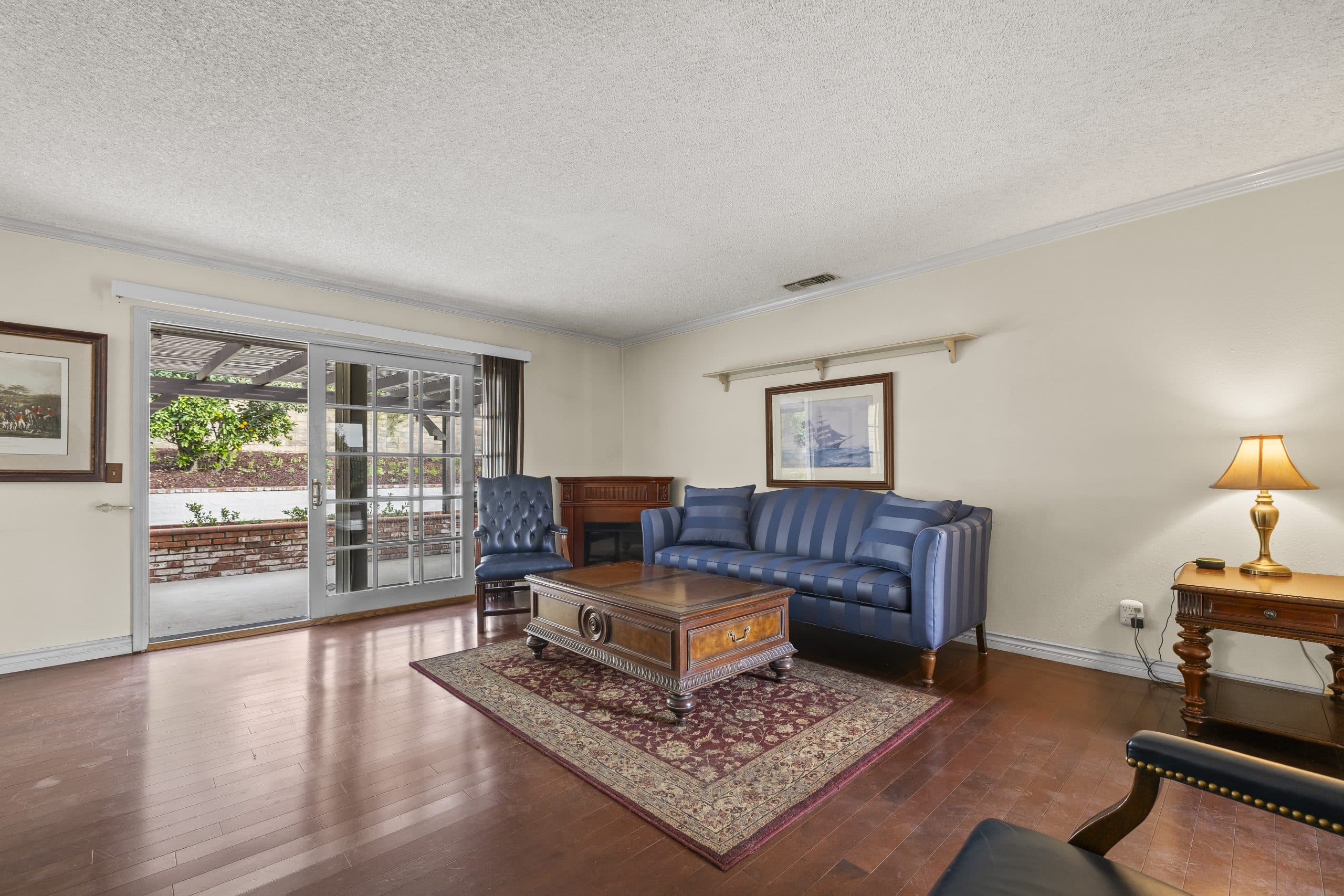
What you actually want to do is CLARIFY, not neutralize. Clean, repair, light it well, and make the original material legible. Strip the fussy window treatments hiding the sash. Take the paint off the hardware if it is easy. Wax the floors instead of replacing them. Let the house be an articulate version of itself.
The judgement about what stays is essentially the one in what to preserve in a Claremont classic, applied to a listing rather than a renovation.
Fix the things that scare buyers, not the things that bore them
Buyers of old houses are not put off by an old kitchen. They are put off by the suspicion that the building has been neglected in the ways that cost real money.
So spend where fear lives:
- Water. Working gutters, downspouts discharging away from the house, no active roof leaks, no damp in the crawl space. Nothing tanks confidence faster than a stain on a ceiling.
- Structure. If there is a known foundation or framing issue, get it assessed rather than leaving a question mark. The territory is covered in raised floors and old foundations.
- Systems. Panel, wiring, plumbing and heating. Documented upgrades are worth more than undocumented ones.
- Pests and rot. Get the report early and address what it finds.
Cosmetic dating is fine. Unexplained deferred maintenance is not.
Get inspections before the buyer does
On an old house, a pre listing inspection is one of the highest return decisions a seller can make.
The reason is control of timing. Every old house has findings. If you learn them in week one, you can repair, price, or explain them from a position of calm. If the buyer's inspector finds them in week four, you are renegotiating under pressure with someone who now suspects there may be more.
Use inspectors who know old construction. A general inspector who has mostly seen post 1980 houses will either miss things or alarm everyone about ordinary conditions, and both outcomes cost you. The inspection piece in this cluster covers what a competent one should be doing.
Disclose properly, and treat it as a selling tool
California disclosure obligations are real and they are not optional, and older properties tend to carry more to disclose: alterations of unknown permit status, past repairs, known defects, and material facts about the property.
Two categories deserve specific care. LEAD PAINT and ASBESTOS containing materials are common in older housing and carry federal and state disclosure requirements. Handle them through the proper forms and, where work is involved, through licensed professionals. Do not improvise.
Here is the part sellers underestimate: thorough disclosure SELLS an old house. A buyer looking at a period property is already braced for surprises. A seller who hands over a complete, organized file signals that the house has been cared for by somebody who paid attention. Evasiveness signals the opposite, and buyers price that in.
Assemble the file
Before listing, build one package containing everything you know:
- Permit history and any approvals obtained for past work.
- Receipts and warranties for major systems, roof, and structural work.
- Inspection reports and what was done about them.
- Any documentation about historic status, including whatever the City of Claremont confirms about designation, designated areas, or recorded agreements affecting the parcel. Confirm this before you list; do not let a buyer discover it.
- Research on the house itself, if you have done it. The method is in tracing a home's history.
If the property is under a preservation agreement, the buyer's side of that is set out in what transfers to a new owner, and you should expect informed buyers to ask every question in it.
Reaching the right buyer
A period home is not sold by exposure alone. It is sold by explanation.
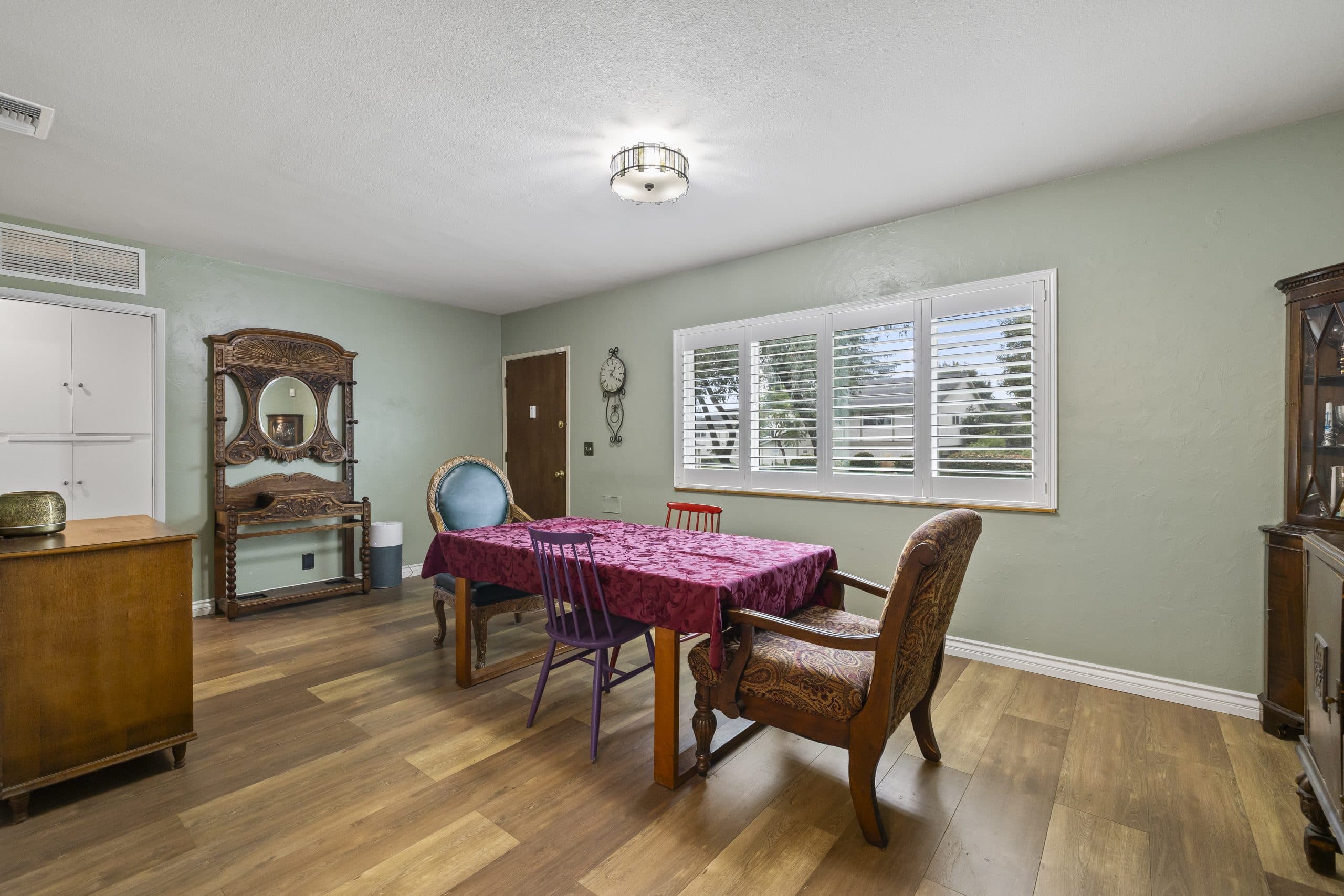
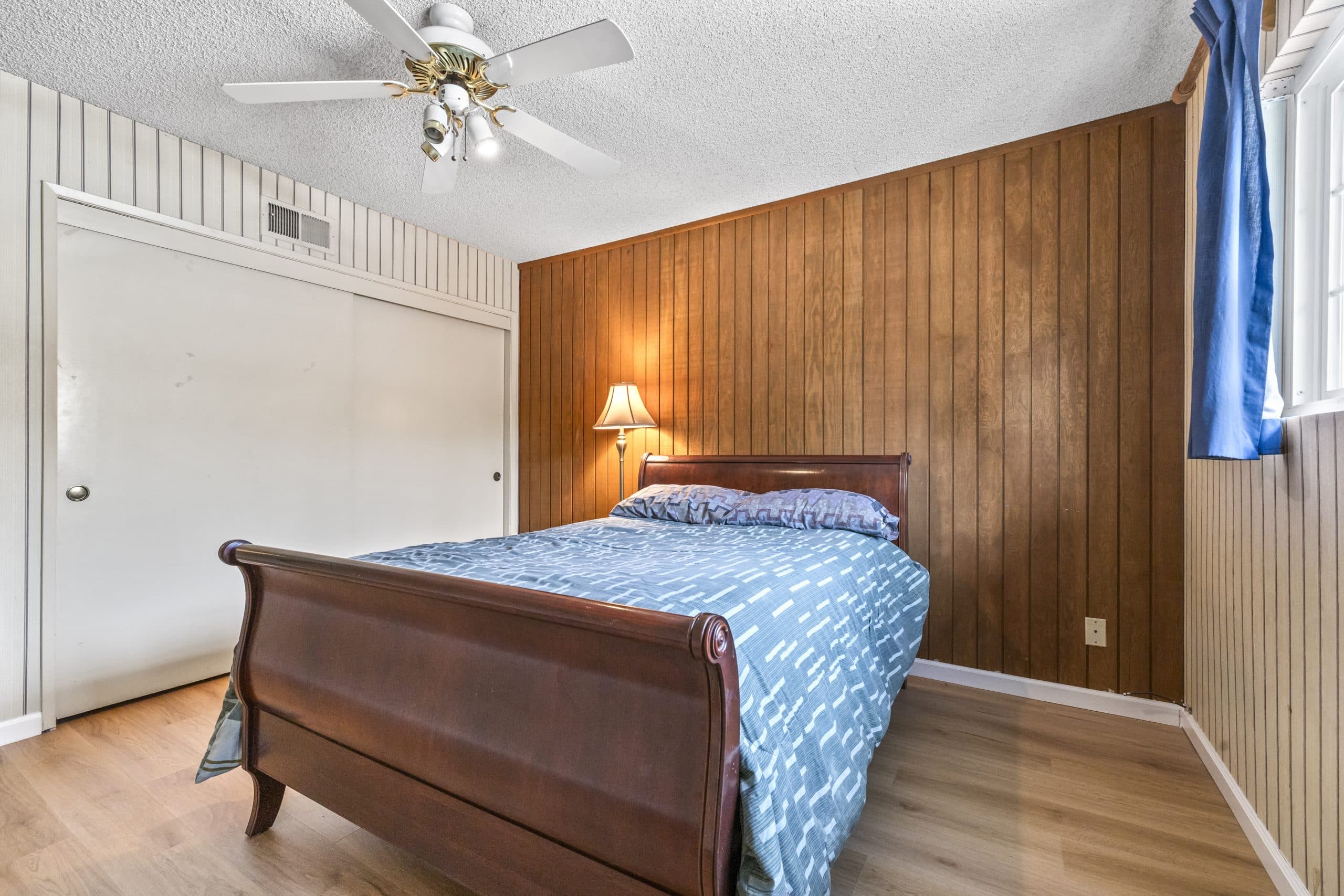
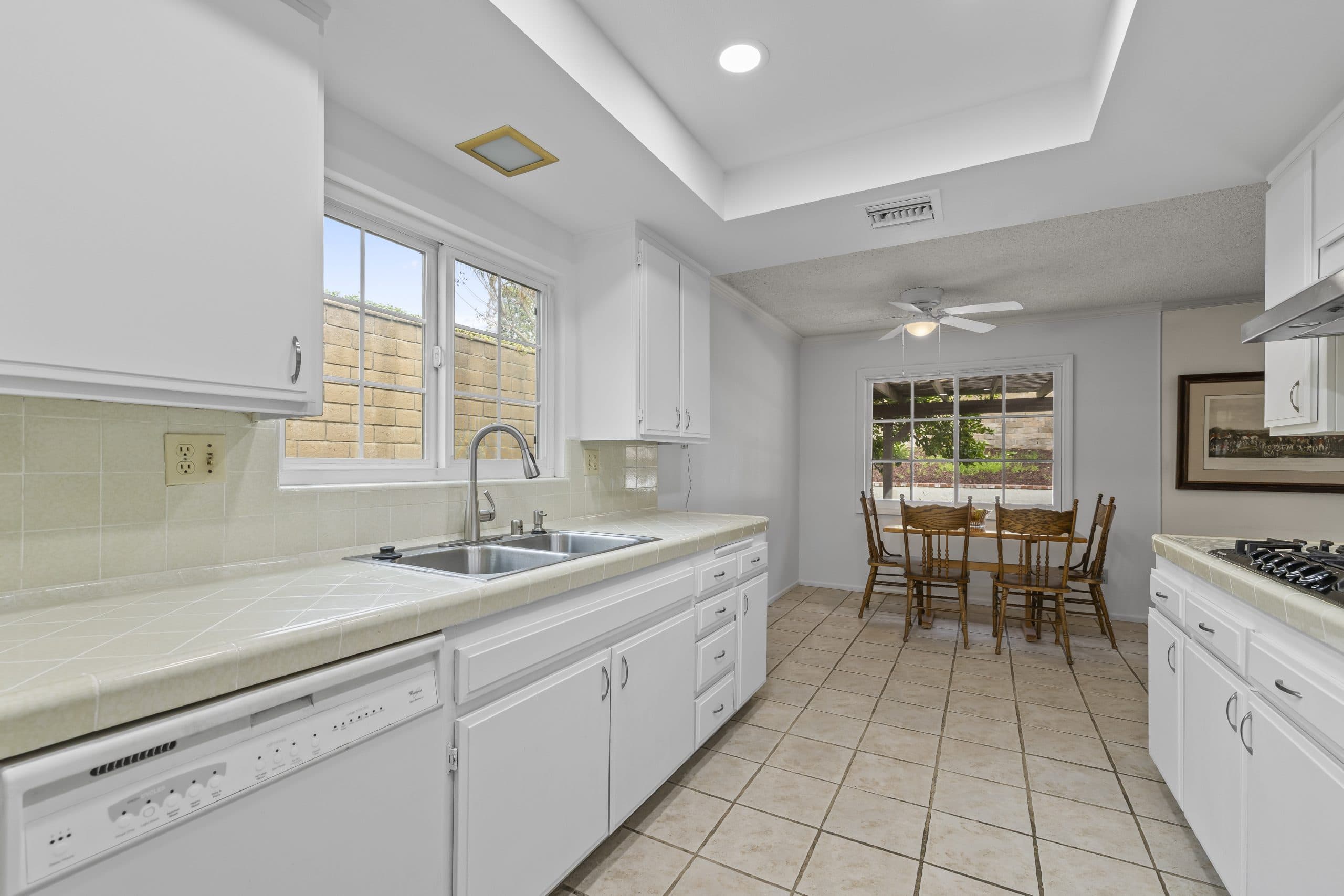
The photography has to show the things that matter: the details, the light, the wood, the proportions, the setting. Not just wide angle room shots that make every house look like every other house.
The copy has to name what the house IS, in specific language rather than generic praise, and it has to be accurate. That is the whole subject of marketing provenance honestly.
And the agent has to be able to answer questions. What is the electrical situation. Is the foundation bolted. Are those windows original. What does the designation mean for a remodel. A buyer who gets vague answers assumes the worst, and reasonably so.
Set expectations on time
Matching takes longer than volume selling. That is not a failure signal, it is the nature of a smaller and more specific buyer pool, and a seller who panics in week three and starts cutting is usually reacting to a timeline they never should have expected.
Plan for a longer marketing period, prepare properly, and let the right buyer arrive.
What the right buyer looks like
They ask about the roof before they ask about the kitchen. They notice the hardware. They bring a contractor who repairs rather than replaces. They ask what the City would allow, because they have already thought about it.
When that person walks in, everything you did to keep the house legible pays off at once.
The rest of the cluster is at the historic homes hub. Anthony Grynchal has been licensed in California since November 2009.
Frequently asked questions
Should I modernize an old home before selling it?
Usually not by neutralizing it. Clarify instead: clean, repair, light it well, and make original material legible. Buyers who want a neutral house will not be converted, and erasing character loses the buyer who wanted it.
Is a pre listing inspection worth it on an older home?
It is one of the highest return decisions a seller can make. Every old house has findings, and learning them before listing lets you repair, price or explain them rather than renegotiating under pressure later.
How much should I disclose?
Everything required, thoroughly. Older properties carry more to disclose, and complete organized disclosure builds buyer confidence. Lead paint and asbestos carry specific federal and state obligations and should be handled through proper forms and licensed professionals.
Does an older home take longer to sell?
Often, because the buyer pool is smaller and more specific. That is a matching process rather than a failure signal, so plan a longer marketing period instead of reacting early.

Written by
Anthony Grynchal
Anthony Grynchal is a California real estate professional with eXp Realty, licensed since November 2009 (California DRE# 01873626), and the Designated Local Expert™ for Claremont — where he has lived for more than 33 years.
More about AnthonyPublished · Updated