
There is a moment in almost every old-house walkthrough where a buyer runs a hand along a doorframe and stops. The wood is not like new wood. It is denser, the grain tighter, the profile a shape no lumberyard carries. That is old-growth material milled to a pattern nobody makes anymore, and once it leaves the house it does not come back.
That is the whole argument for preservation stated in one detail. This article is about the rest of them: which features in an older Claremont house are worth protecting, how to tell what is original from what is a later replacement, and where repair beats replacement. It sits inside the historic homes guide.
Character-defining features, in plain terms
Preservation practice uses the phrase CHARACTER-DEFINING FEATURES, which sounds bureaucratic and means something simple: the parts of a building that make it recognizably what it is. Remove them and the house is still standing, but it has become a generic old building.
On Claremont's older stock, that list is fairly stable. On the outside: the roof form and its overhangs, the porch and its columns, the front door and its surround, the windows and their pattern across the elevation, the cladding, the chimney, and any stonework or masonry that was clearly done by hand. On the inside: original woodwork and its finish, built-ins, the fireplace surround, doors and their hardware, plaster surfaces and any decorative treatment, original flooring, and the room arrangement itself where it reflects how the house was designed to be lived in.
Not everything old is significant. Later additions of no particular quality, a nineteen-eighties bath, an aluminum awning, are simply old, and nobody is asking you to enshrine them.
How to tell original from replacement
This is a learnable skill, and it changes how you shop.
WOOD gives itself away first. Old-growth lumber is tight-grained and heavy; modern replacement trim is broader-grained and lighter, and the milled profile often differs subtly from the rest of the house. If one room's baseboard profile does not match the room next door, one of them is not original.
WINDOWS tell the story through glass and hardware. Older glazing frequently carries slight distortion visible when you look through it at an angle; sashes may show wavy reflections, and original hardware has a weight and a wear pattern reproductions lack. Uniform, perfectly flat glass throughout a century-old house means the windows were replaced.
PAINT LAYERS are evidence. A gently rounded, softened profile on trim usually indicates many coats accumulated over decades. Crisp arrises on trim in an otherwise soft-edged house suggest new material.
DOORS are often the last survivors, and hinge type, thickness, and panel construction distinguish them from later hollow-core replacements immediately.
And FLOORS: original hardwood in these houses is frequently narrower and installed differently than later engineered products, and the boards near a closet or under a later addition often reveal what the rest of the room used to be.
The features people destroy first, and shouldn't
Three losses account for most of the damage I see.
PAINTED WOODWORK is the leading one. Someone paints over original unpainted interior wood because the room feels dark, and a feature that took skilled labor and irreplaceable material becomes white trim. It can sometimes be reversed, but stripping is slow, messy, and never fully recovers the original surface. Consider lighting and wall color before reaching for the woodwork.
WHOLE-HOUSE WINDOW REPLACEMENT is the second. It is sold as an upgrade, executed in days, and changes the face of the building permanently, usually with units whose proportions and depth do not match the openings they fill. Old wood windows are, in most cases, repairable, and repair preserves both the fabric and the look.
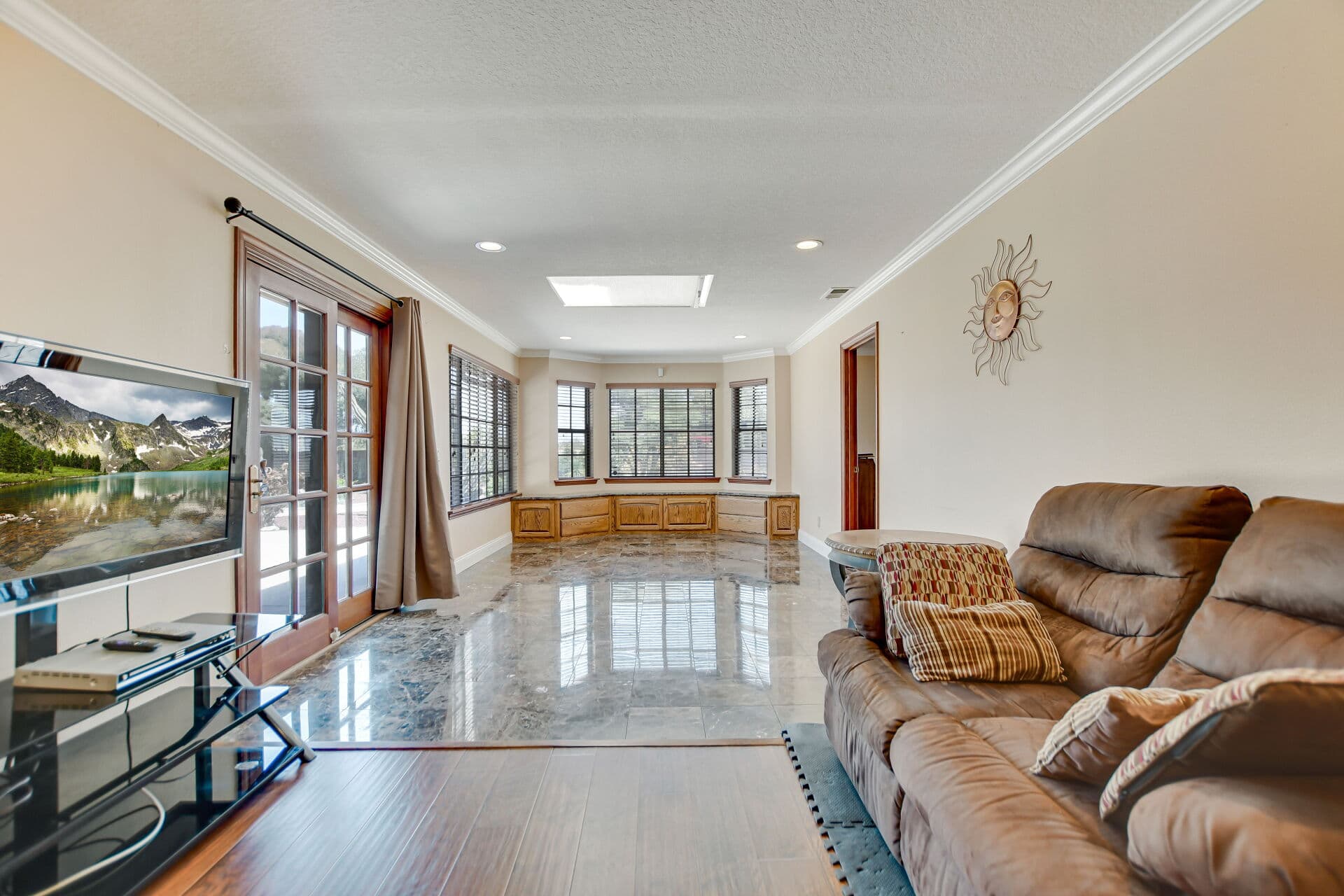
BUILT-INS are the third: the window seat that becomes a wall, the bookcases removed for a television, the dining-room cabinetry taken out to open a floor plan. These are the features buyers of these houses specifically look for, and they cannot be bought back.
Repair before replace
The default instinct in modern construction is replacement, because it is fast and priced by the unit. Old buildings invert that logic. Materials in a century-old Claremont house are frequently better than what would replace them, and were built to be repaired: sash windows come apart, wood can be pieced in, plaster can be patched, hardware can be cleaned and rehung.
The practical rule is to repair what can be repaired, replace in kind when repair is genuinely exhausted, and treat wholesale replacement as the last resort rather than the opening move. Finding trades who work this way matters as much as the decision itself, which is why the contractor screening in renovating a historic Claremont home is worth reading before you hire anyone.
None of this applies to systems. Nobody preserves obsolete wiring or failing supply lines; those get renewed, and they get renewed inside the walls so the visible fabric survives the process intact.
Documenting what you have
If you own one of these houses, photograph it. Room by room, detail by detail, before any work starts and again after. Note which elements you believe are original and why. Keep the file with your permits and approvals.
This pays three ways. It gives any future approval process a factual baseline. It gives an insurer something concrete when replacement quality is at issue. And at sale it is the single most persuasive thing you can hand a buyer, because the buyer for an old house is buying confidence as much as square footage. What a documented, intact house does for a listing is part of the wider picture in the Craftsman bungalow guide, where originality and value are treated directly.
Before you fall in love
For buyers, the detail question runs alongside the inspection question. Walk the house asking what is original, what has been replaced, and whether the replacements were done sympathetically or expediently. A house with intact detail and tired systems is usually a better purchase than a house with new finishes and stripped character, because systems are renewable and character is not.
And if the property carries any historic designation, remember that some of these decisions may not be entirely yours to make unilaterally; confirm the status and the review framework with the City of Claremont before planning changes to anything visible from the street.
Anthony Grynchal has been licensed in California since November 2009. This is general guidance on older housing stock, not advice about a particular property; the condition, originality, and status of a specific house are established by inspection and by the city's records.
Frequently asked questions
What counts as an original detail worth preserving in an older Claremont home?
The features that make the house recognizable as what it is: roof form and overhangs, the porch and entry, window pattern, cladding, chimneys and hand-laid masonry outside; and original woodwork, built-ins, fireplace surrounds, doors and hardware, plaster, and flooring inside. Later low-quality additions are simply old rather than significant.
How can I tell whether trim or windows are original?
Old-growth trim is tight-grained and heavier, with a milled profile that should match room to room; a mismatch means one is a replacement. Original glazing often shows slight distortion at an angle, and original hardware has weight and a wear pattern reproductions lack. Softened paint-layer edges on trim also indicate decades of accumulated coats.
Should original wood windows be replaced for efficiency?
Old wood windows are usually repairable, and repair preserves both the material and the building's appearance, which whole-house replacement changes permanently. Weatherstripping, sash repair, and storm windows address comfort without discarding the originals. If the property carries historic designation, window replacement is also among the changes most likely to require review.
Is it better to buy an old house with original detail or updated finishes?
For most buyers of Claremont's older stock, intact original detail with tired systems is the stronger position, because systems can be renewed while character cannot be restored once removed. Price the systems work honestly, inspect to the house's age, and weigh what has already been stripped as a permanent subtraction.

Written by
Anthony Grynchal
Anthony Grynchal is a California real estate professional with eXp Realty, licensed since November 2009 (California DRE# 01873626), and the Designated Local Expert™ for Claremont — where he has lived for more than 33 years.
More about AnthonyPublished · Updated