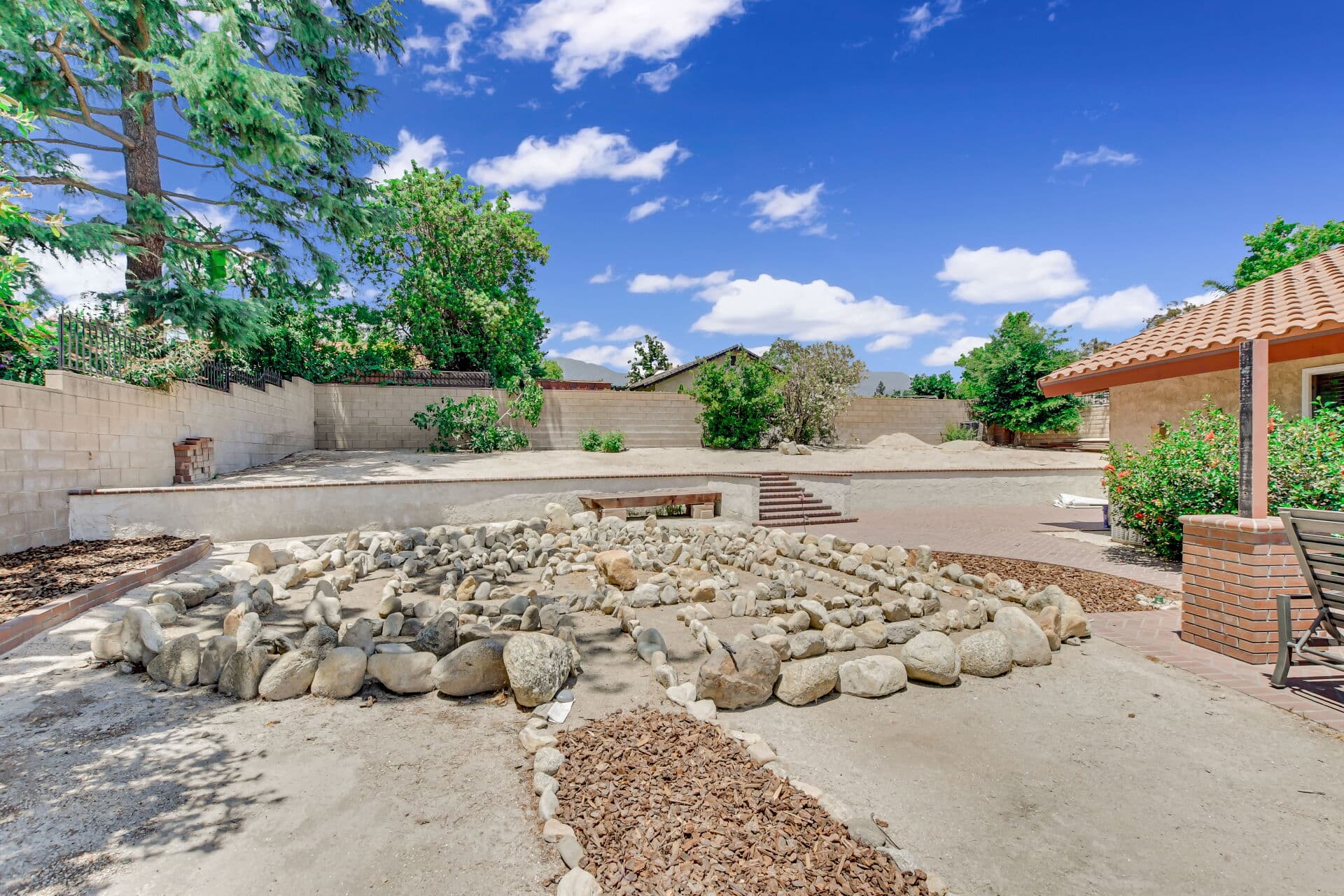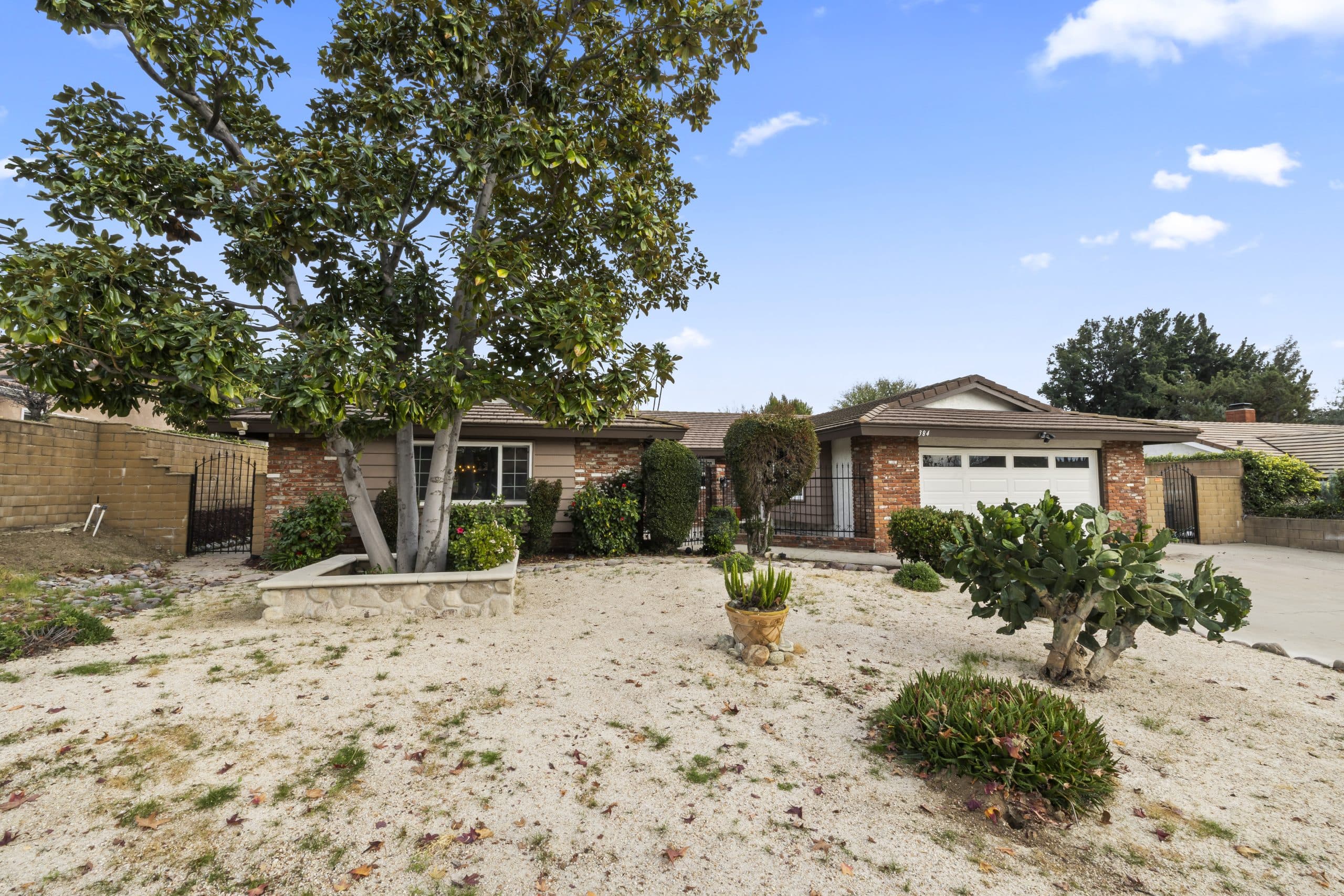
A lot of what makes living here pleasant happens outside. Deep lots, mature trees, pools that get used most of the year, and a climate that turns a backyard into another room of the house.
All of that is genuinely good. It is also, in insurance terms, surface area, and it is the part of the policy owners think about least.
The liability half of the policy
Homeowners coverage has two sides. One protects the property. The other responds when somebody claims you are responsible for their injury.
The second side is unbounded by your property value. A dwelling limit is capped by what the house costs to rebuild. A liability claim is capped by what the claim turns out to be worth, and that number has nothing to do with square footage.
Which is why a modest house with a pool and a dog can carry more meaningful exposure than a larger one without either.
Pools and spas
A pool is the feature underwriters ask about most consistently, and the reason is not mysterious. Water plus children plus gravity is the oldest hazard in residential property.
California has requirements around pool safety features on residential property, and those requirements have changed over the years. Do not rely on what was required when a pool was installed; verify what applies now, because the rules attach to the property rather than to its history. The city and a licensed pool professional are the right sources.
Beyond the legal floor, the things that actually reduce risk are unglamorous. A gate that self-closes and self-latches, and that actually works rather than being propped. A fence with no climbable furniture beside it. An alarm that is armed. A cover that gets used. And no gap in the enclosure that a determined toddler could find in fifteen seconds.
Tell your carrier the pool exists. An undisclosed pool is a disclosure problem on top of a hazard.
Dogs
This is where policies get specific in ways owners do not expect.
Some carriers exclude certain breeds entirely. Some will write coverage but exclude the dog from liability. Some ask about bite history and make a decision on that basis. Some do not ask at all until a claim arrives.
California generally holds dog owners strictly liable for bites in circumstances the statute describes, which is a materially different posture from a negligence standard. The details are a legal question, and they belong with an attorney rather than with an insurance summary.
The practical instruction is the same either way. Disclose the dog. Ask directly whether the policy excludes it, and get the answer in writing. Discovering a breed exclusion after an incident is the worst possible sequence, and it happens more than it should because nobody asked.
Stating the boundary plainly: Anthony Grynchal is a licensed real estate salesperson, not an insurance broker, an adjuster, or an attorney. Nothing here is a coverage opinion or legal advice, and the decisions below belong with licensed professionals in those fields.
Trampolines, play structures, and sport courts
Trampolines are the other feature carriers routinely ask about, and some will not write a policy with one on the property. Treehouses, zip lines, climbing structures, and sport courts sit in similar territory, generally less strictly.
None of these are forbidden. What matters is that the carrier knows they are there. A feature that shows up on an aerial photograph during an inspection but never on the application is a conversation nobody wants to have at renewal, and inspections do look, as described in what carriers photograph.
Hosting, which is the invisible one
Graduations, holidays, block gatherings, kids in and out all summer. Every one of those puts people on the property who do not live there, and most of the ordinary liability claims that happen to ordinary households happen exactly this way.
Steps in the dark. A loose handrail. A raised paver edge. A branch that came down. None of it is dramatic and all of it is preventable with attention rather than money.
Serving alcohol adds a dimension worth knowing about rather than worrying about, and the law around social host responsibility is genuinely a matter for an attorney rather than for a general article.
Trees, which Claremont has more of than most places
Mature trees are part of the character here and they carry a real maintenance obligation. A limb that comes down on a neighbor's property or a visitor is a different conversation depending on whether the tree was visibly declining beforehand.
Get large trees inspected periodically by a certified arborist, act on what they tell you, and keep the records. Documented maintenance is the difference between an accident and a known condition that was ignored.
When to add a layer
A pool, a dog, regular hosting, or young drivers in the household are the ordinary triggers for looking at coverage above the base liability limit. That decision is worked through in do Claremont homeowners need an umbrella policy.
The point is not to be frightened out of having a backyard worth using. It is that the features which make outdoor space enjoyable are exactly the ones the policy asks about, and matching the coverage to the property is a single conversation.
For the wider coverage picture, browse the home insurance resources. For what your policy says about a pool, a dog, or a trampoline, ask the licensed agent or broker who wrote it, and get the answer in writing.
Anthony Grynchal has been licensed in California since November 2009.
Frequently asked questions
Does a pool affect my homeowners insurance?
It is the feature underwriters ask about most consistently, and some carriers apply conditions around enclosure and safety equipment. Disclose it. California has requirements for residential pool safety features that have changed over time, so verify what applies now with the city and a licensed pool professional rather than assuming the original installation still satisfies them.
Can my policy exclude my dog?
Yes, and this catches owners out. Some carriers exclude certain breeds, some write the policy while excluding the dog from liability coverage, and some ask about bite history. Disclose the dog, ask directly whether it is excluded, and get the answer in writing rather than discovering it after an incident.
Do trampolines and play structures matter?
Carriers commonly ask about trampolines, and some will not write a policy where one is present. Treehouses, zip lines, and sport courts sit in similar territory. The problem is rarely the feature itself; it is a feature that appears in an inspection photograph but never appeared on the application.
What about a tree limb falling on a neighbor's property?
How that is treated can depend on whether the tree was visibly declining beforehand, which makes documented maintenance meaningful. Have large trees inspected periodically by a certified arborist, act on the recommendations, and keep the records. Specific liability questions belong with an attorney.

Written by
Anthony Grynchal
Anthony Grynchal is a California real estate professional with eXp Realty, licensed since November 2009 (California DRE# 01873626), and the Designated Local Expert™ for Claremont — where he has lived for more than 33 years.
More about AnthonyPublished · Updated