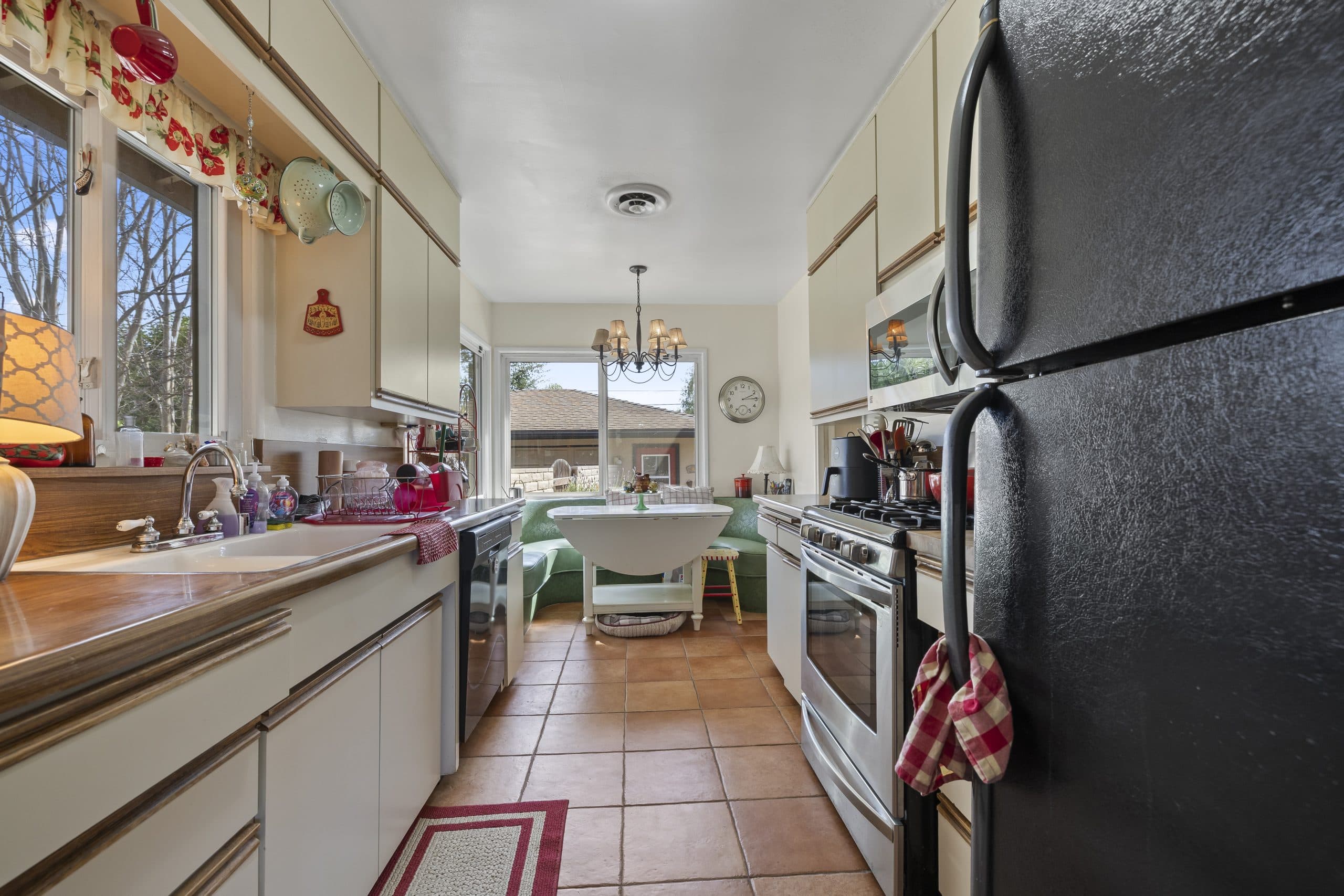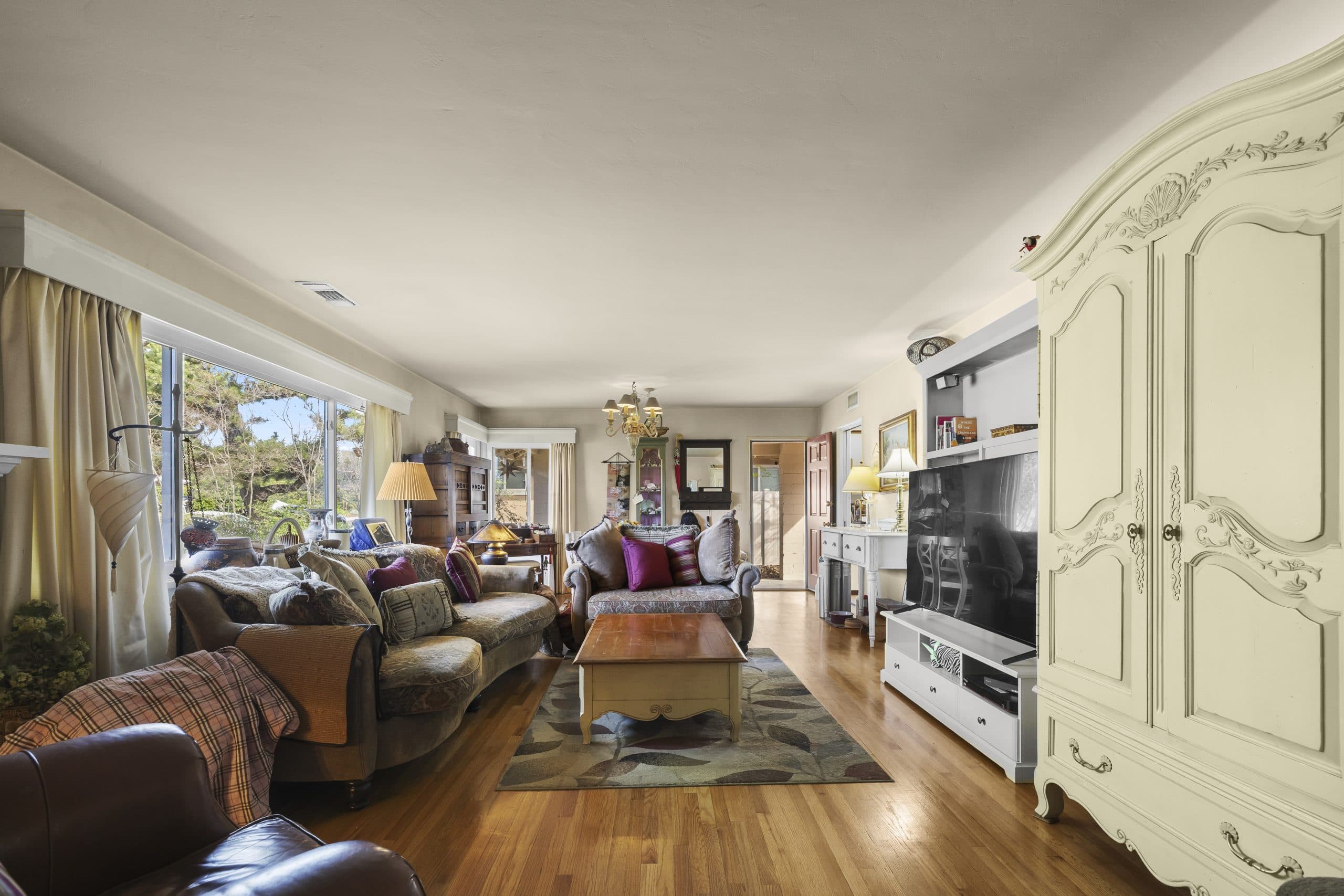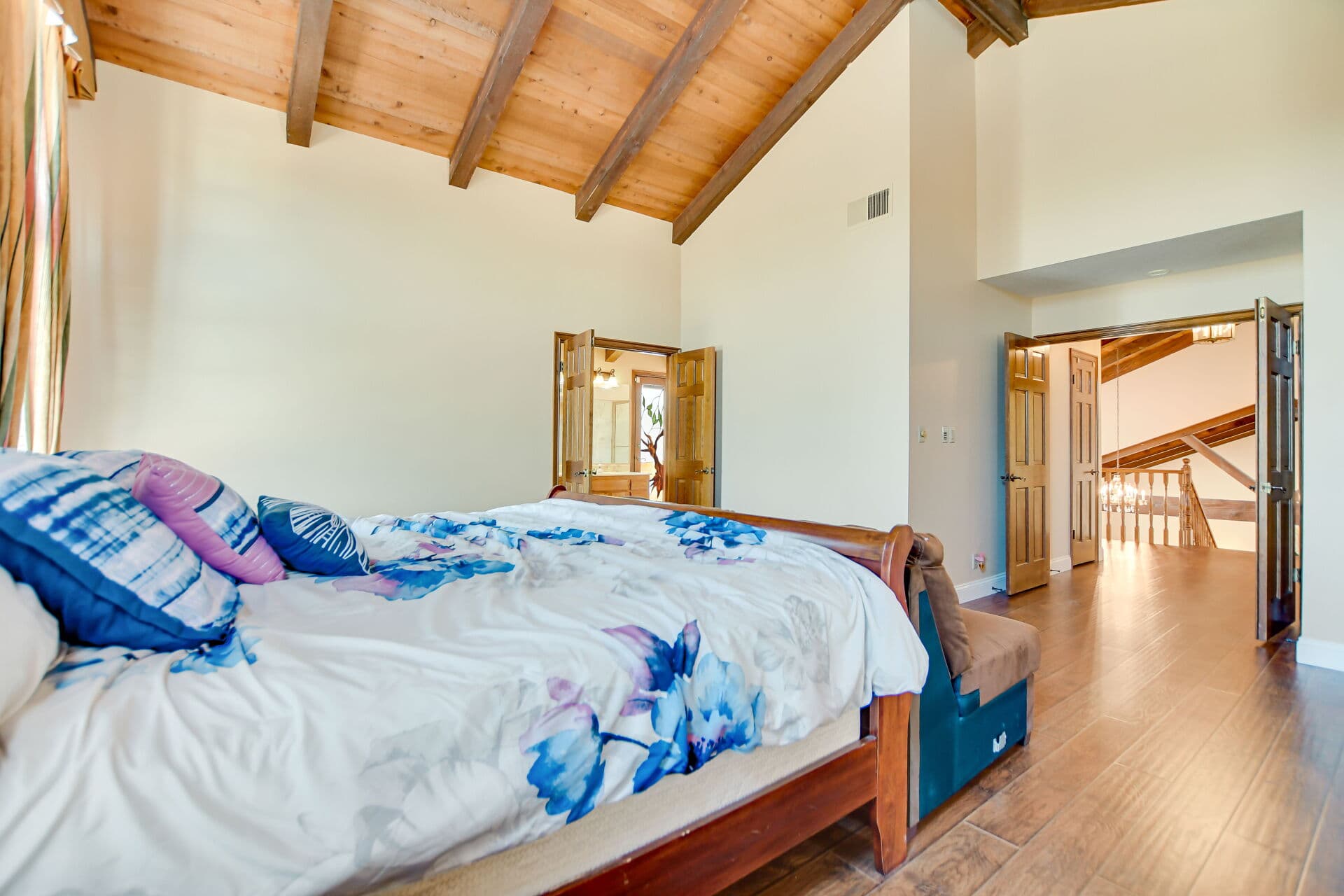
A property that has been in the family since the 1980s has a purchase price everybody remembers and a cost basis almost nobody can prove.
Those are not the same number, and the difference is often large. Basis is what the eventual gain gets measured against, which makes it one of the few figures in a sale that an owner can genuinely influence, and the only way to influence it is with paper.
What basis is made of
Start with what you paid, plus the costs of acquiring it that were capitalized rather than deducted.
Then add capital improvements across the whole hold. A new roof, a re-pipe, an addition, a foundation repair, a permitted conversion, a driveway, a sewer lateral replacement. Work that betters the property, restores it substantially, or adapts it to a new use.
Then subtract depreciation, if the property was ever a rental. That subtraction runs the other way and it runs relentlessly, which is covered in the article on recapture.
The result is the number the gain is calculated from. On a forty-year hold it can differ from the purchase price by a very large amount in both directions at once.
Why the record is always missing
Nobody keeps receipts for forty years on purpose. The record disappears in predictable ways.
The contractor who did the work went out of business. The bank that held the loan was acquired twice. The filing cabinet was cleared out during a move. The person who managed the property died, and the person who inherited it inherited the house but not the paperwork.
And a great deal of the work was paid in ways that leave no trail. Cash to a handyman. A check with no memo line. A relative who did the framing.
Improvement or repair
Not everything you spent counts. The distinction is between a repair, which is deducted or simply absorbed, and a capital improvement, which is added to basis.
Patching a roof is generally a repair. Replacing the roof is generally an improvement. Painting a room is a repair. Adding a room is not.
The line is blurrier than that in practice, and it is a CPA's call rather than an owner's. But the sorting only matters if the spending was recorded at all, so record first and classify later.
Rebuilding a record that no longer exists
Several sources survive longer than a homeowner's own filing.
PERMIT HISTORY. The City of Claremont holds permit records, and a permit is dated, described, and independent of you. It will not tell you what the work cost, but it establishes that the work happened and when. Contact the city's building division directly for what is available on a parcel.
ASSESSOR RECORDS. The Los Angeles County Assessor reassesses new construction, so a completed addition tends to leave a footprint in the assessment history. That footprint is evidence of timing.
BANK AND LOAN FILES. Refinance appraisals frequently describe recent improvements in detail. A construction loan is a direct record of a project and its size.
INSURANCE. Claims files and policy revisions after a renovation can corroborate what changed.
PHOTOGRAPHS. Dated images showing before and after are weaker than an invoice and much stronger than a recollection.
None of these is a substitute for the invoice you no longer have. All of them together build a defensible picture, and a defensible picture is what a preparer needs.
The inherited property case
If the property was inherited, much of the above may not matter in the way you expect, because basis can be adjusted at the date of death rather than carried from the original purchase.
That changes the entire calculation, and it makes the date-of-death valuation the critical document instead. Owners who never obtained one, because the transfer felt informal at the time, have a harder problem than owners with a missing roof receipt. The article on passing Claremont rentals to heirs covers the planning side of that.
Start now, not at listing
The reconstruction work above takes weeks. City records take time to request. Old lenders take time to answer. Family members take time to search a garage.
Escrow does not have weeks, and an owner assembling this while an inspection period is running is assembling it badly.
THE RIGHT MOMENT IS ANY MOMENT BEFORE THE DECISION TO SELL. It is genuinely one of the highest-value administrative tasks available to a long-term owner, and it costs nothing but attention.
Keeping it from happening again
Open one folder per property and never close it. Every invoice, every permit, every check.
Note what each improvement replaced, not only what it cost, because that detail matters for how the schedule is handled. And when the property passes to someone else, pass the folder with it. Most missing-basis problems are really missing-handover problems.
The disclaimer that belongs here
I am a real estate salesperson, not a tax adviser or an attorney. Nothing here is advice about your property or your return, and I cannot determine your basis. Which expenditures qualify, how depreciation adjusts them, and how an inherited property is treated are all CPA questions. What I can help with is understanding what a sale in this market would actually involve, and telling you early enough that the paperwork has time to catch up.
Where to go next
For the full set of holding and exit approaches, start at the investment strategies hub. If you have not written down what the property is actually for, the article on an investment policy is the companion piece to this one.
Anthony Grynchal has been licensed in California since November 2009.
Frequently asked questions
Why does cost basis matter so much?
Gain is measured against basis rather than against the purchase price. Improvements raise it and depreciation lowers it, so on a long hold the difference between the two figures can be substantial.
Can I estimate improvements I have no receipts for?
An estimate alone is weak. Permit records, assessor history, loan files, insurance records, and dated photographs can corroborate that work happened and when, which is what a preparer needs.
Where do Claremont permit records come from?
The City of Claremont building division holds permit history for a parcel. Contact them directly to find out what is available, since retention and access vary.
Does an inherited property need the same reconstruction?
Often not in the same way, because basis can be adjusted at the date of death. In that case the date-of-death valuation becomes the critical document, and a CPA should confirm the treatment.

Written by
Anthony Grynchal
Anthony Grynchal is a California real estate professional with eXp Realty, licensed since November 2009 (California DRE# 01873626), and the Designated Local Expert™ for Claremont — where he has lived for more than 33 years.
More about AnthonyPublished · Updated