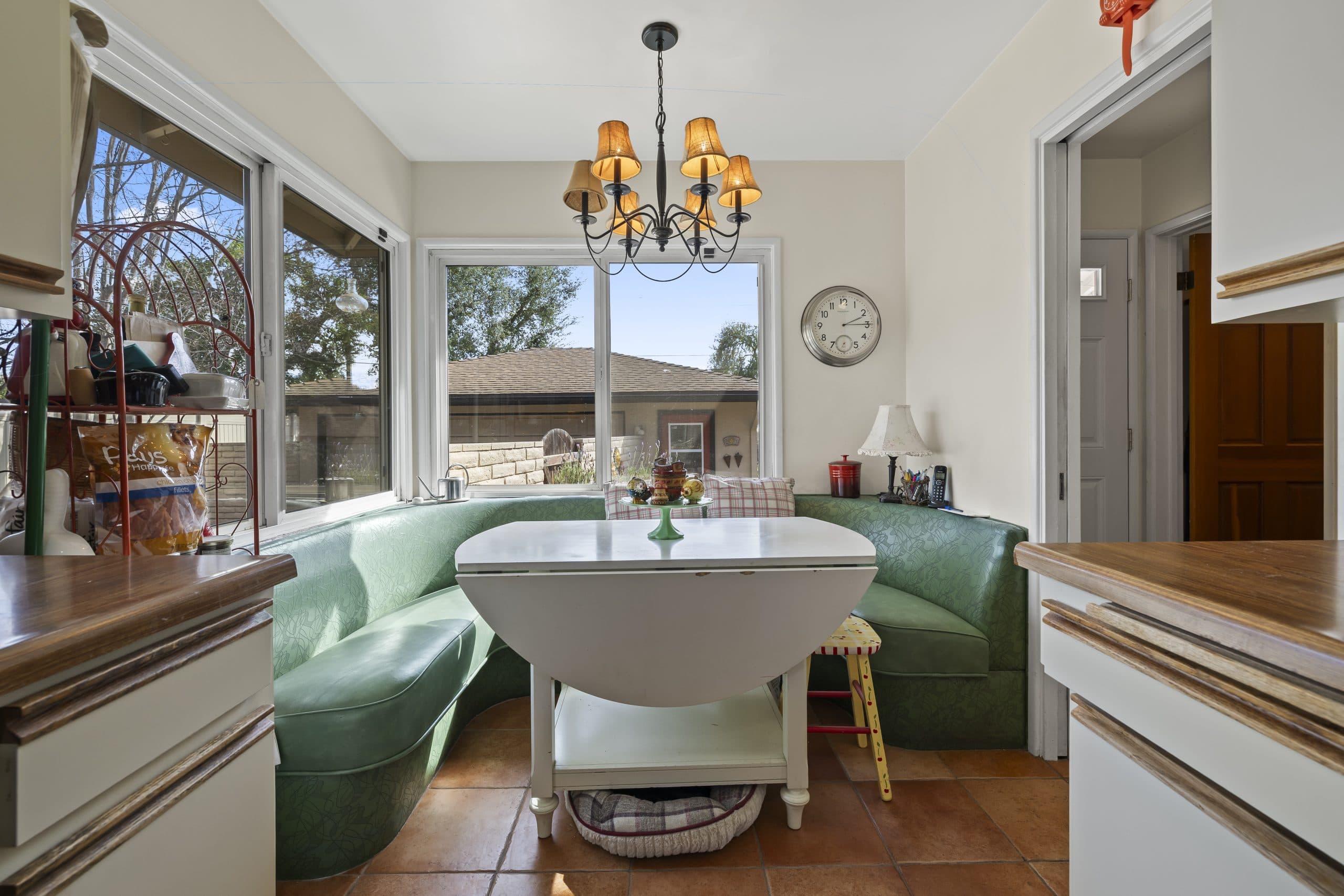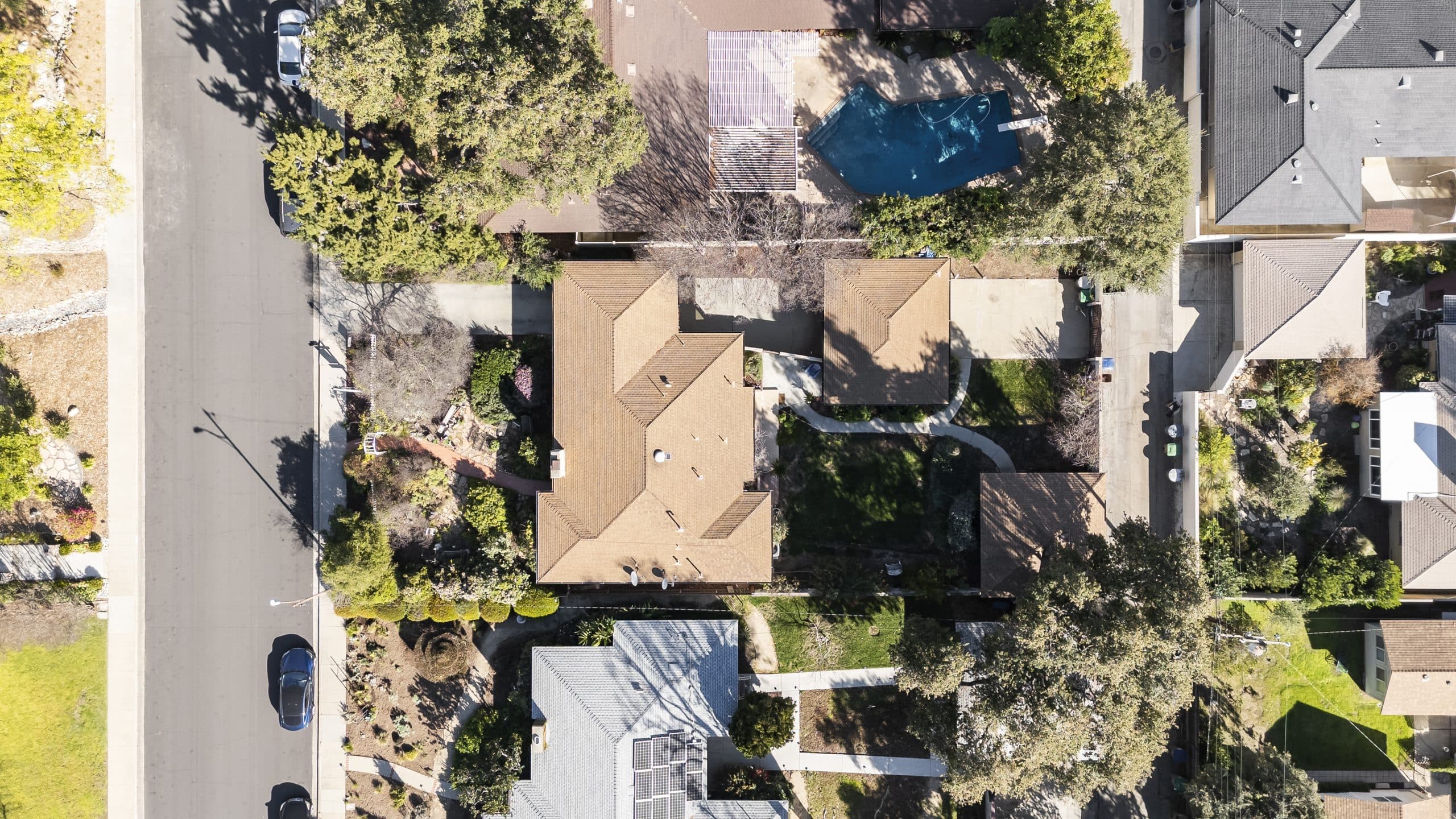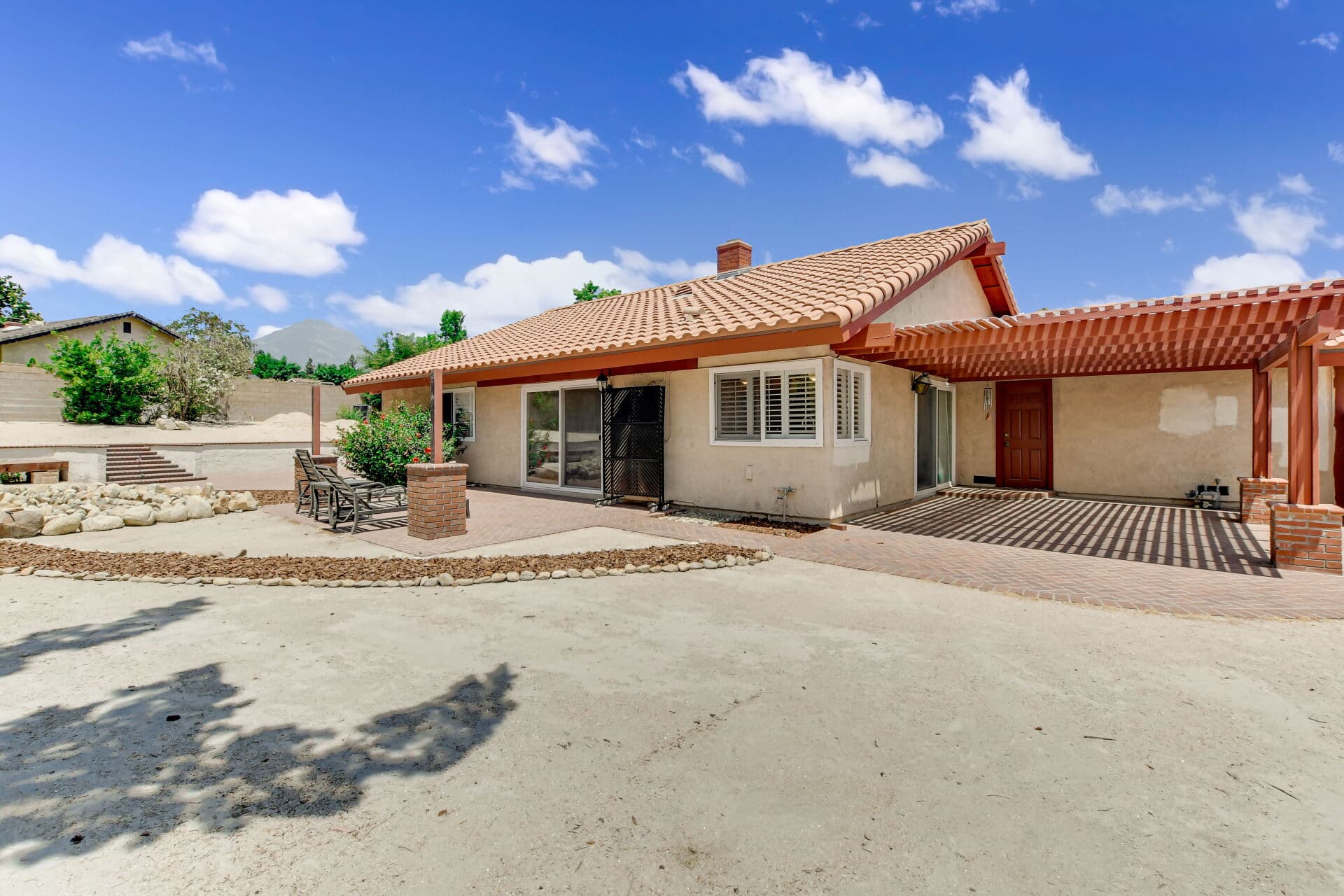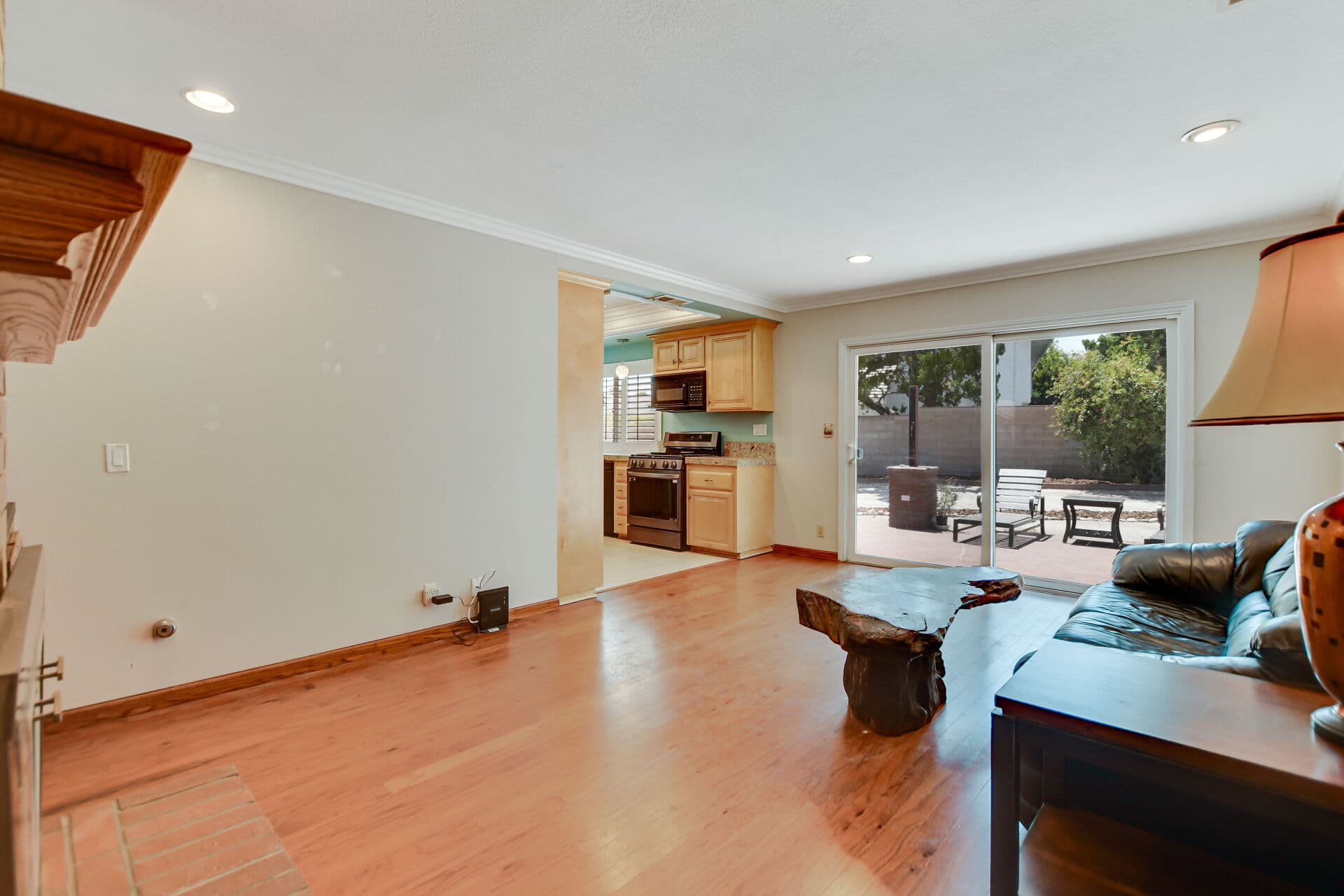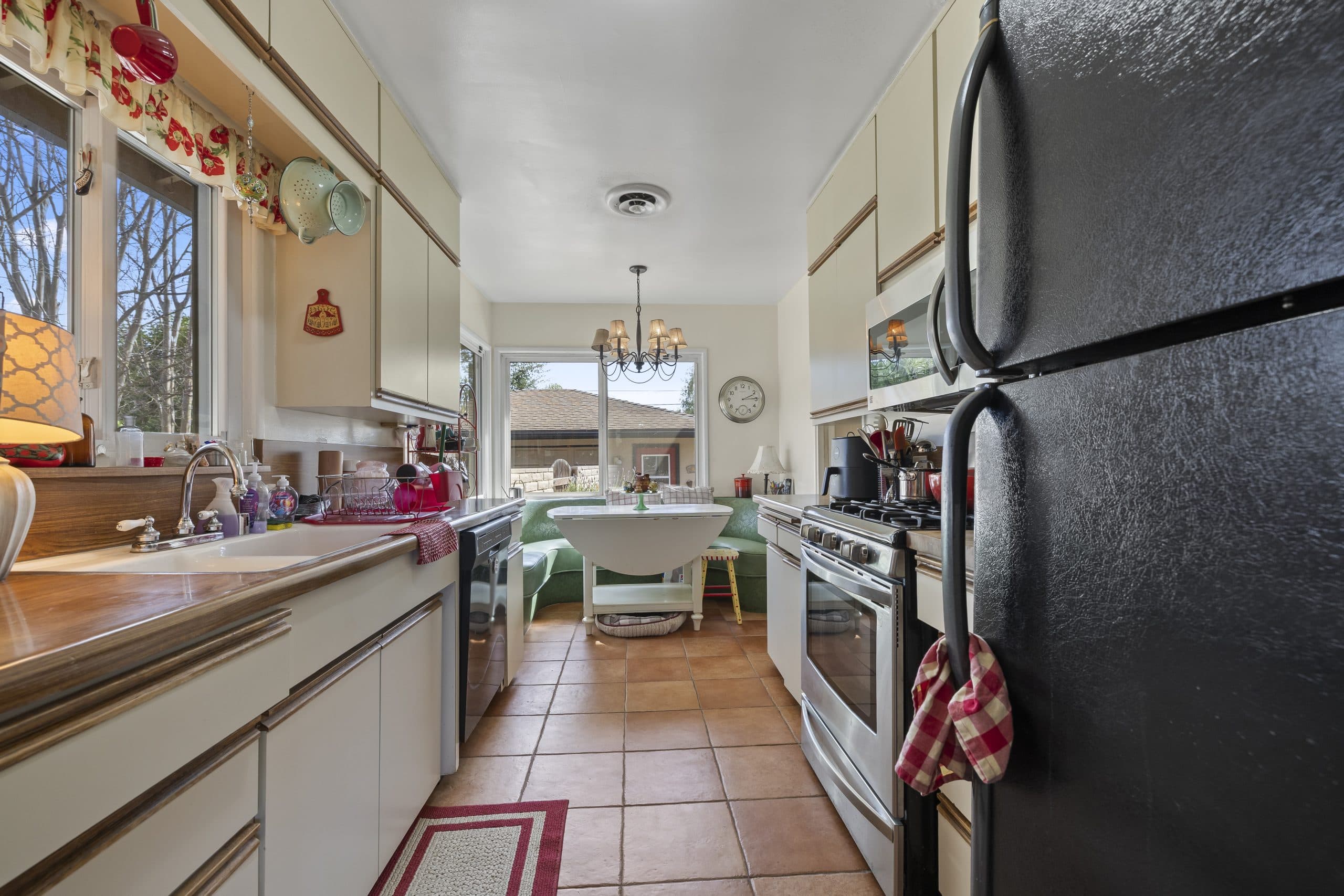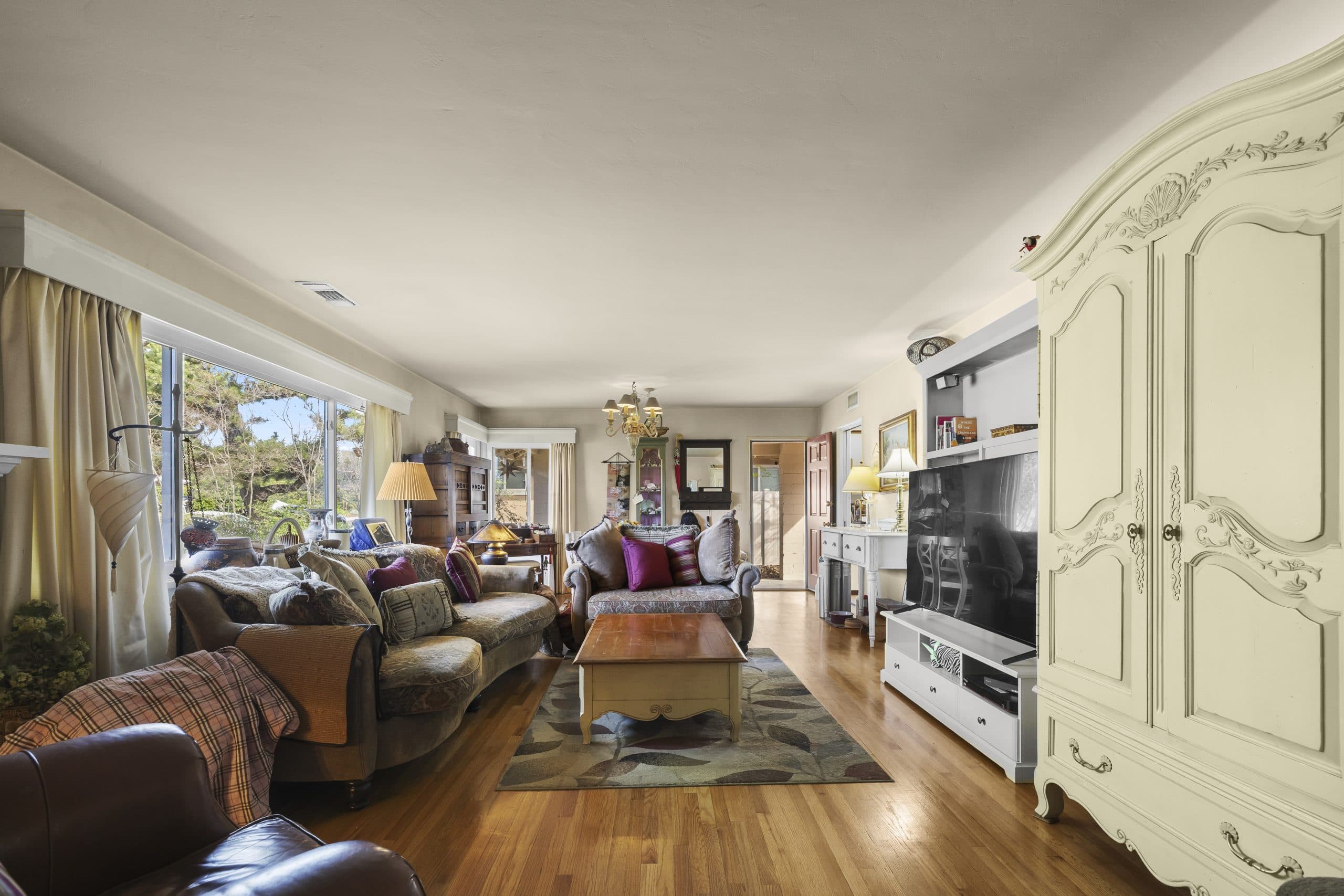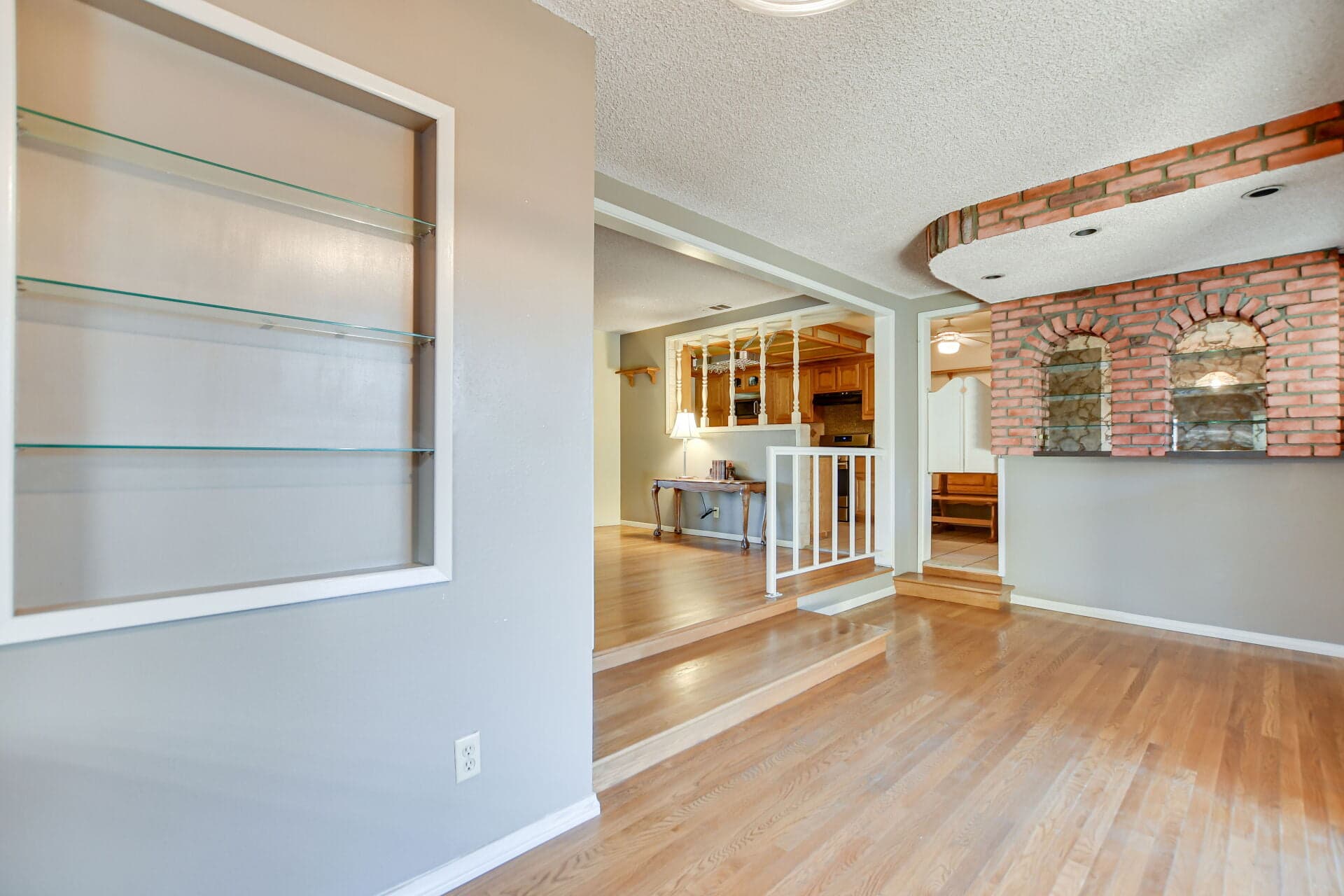
The Claremont investing guide describes the landscape — what this market is, what it is not, and why nobody honest quotes you a return in advance. This page is its companion: the strategy menu. Around here, realistic property strategies come down to four playbooks, each with a different mix of capital, effort, and patience. What follows is how each one actually works in this town, and the trade-offs a first conversation should put on the table. Consistent with the standing policy of these pages: no projected returns, no yield figures, no appreciation promises. Strategy is about structure; the numbers belong to your own underwriting, your lender, and your tax professional.
Playbook one: the long-term rental
The classic. Buy a sound house on a sound street, rent it to a long-term tenant, let time and amortization do quiet work. Claremont's version benefits from deep tenant demand layers — the Colleges' faculty and staff, healthcare and education workers across the east San Gabriel Valley, families chasing the school district — and from housing stock that was built to be maintained. The trade-offs are equally plain: entry prices reflect the town's desirability, so the strategy leans on patience rather than immediate cash flow, and operating a rental in California means operating inside a real tenant-protection framework. State rules and any local requirements evolve; verify the current landscape with a landlord-tenant attorney before you buy, not after a dispute — the rental operations guide goes deeper on the running of it.
Playbook two: the ADU addition
The strategy with the most genuine momentum. Claremont's generous lots — especially across the older northern tracts — are exactly the canvas state ADU law was written for, and adding a second dwelling converts unused yard into rentable square footage while keeping the original home intact. It is the rare play that works for pure investors and owner-occupants alike: live in one unit, rent the other, or rent both. The honest trade-offs: construction is a project with real timelines and real contractor risk; the permitting path, while far friendlier than it used to be, still has city-specific steps the ADU guide walks through; and the exit is less standardized — when you eventually sell, the appraisal treatment of ADU income and square footage is its own conversation. Plan the financing before the excavator arrives, and read the financing guide on that front.
Playbook three: the value-add renovation
Buy the tired house on the good street, fix what decades deferred, and either hold it as a better rental or sell it as a better home. Claremont rewards this play unusually well because its best streets rarely offer new construction — the new construction guide explains why a built-out town renovates instead — so a properly renovated mid-century home competes with nothing but other renovations. The discipline is in the buying: the margin is created at purchase, not at the paint store. Respect the era of the house (buyers here pay for preserved character, not for erasing it), budget for the surprises fifty-year-old systems guarantee, and permit the work properly — the historic homes guide matters if the property has designation or Mills Act questions attached, and unpermitted shortcuts resurface at sale time with interest.
Playbook four: the house-hack
The entry ramp. Live in the property while it helps pay for itself: a home with an existing ADU or guest quarters, a legal duplex where you occupy one side, or the milder version — buying with a future ADU explicitly in mind. Owner-occupancy unlocks financing structures investors cannot touch, which the first-time buyer guide and a good lender can detail, and it turns housing cost into partial housing income during the years that are usually the tightest. The trade-offs are lifestyle ones: you live beside your tenant, and the strategy works best for owners who treat that relationship professionally from day one — written agreements, real maintenance, clear boundaries. Done well, the house-hack is how a first Claremont property becomes a second one a decade sooner.
Choosing among them
The four playbooks sort themselves by three questions. How much capital is truly available — not just for purchase, but for the construction or renovation the strategy assumes? How much operational appetite exists — a long-term rental is a quiet commitment, a renovation is a loud one? And what is the horizon — because every one of these plays rewards the decade and punishes the impatient. It is also entirely legitimate to run them in sequence: house-hack first, add the ADU later, roll forward into the long-term rental. The town's fundamentals — the Colleges, the schools, the finished-street scarcity described across the market explainer — are the same tailwind behind all four.
Anthony Grynchal has been licensed in California since November 2009 and has watched each of these playbooks succeed here — always for owners who underwrote carefully, verified the current rules with their own professionals, and treated the strategy as a project rather than a lottery ticket. If you want to talk through which one fits your situation, that conversation is free and figure-free.
Frequently asked questions
What is the most realistic investment strategy in Claremont right now?
There is no universal answer — the four playbooks (long-term rental, ADU addition, value-add renovation, house-hacking) sort by your capital, operational appetite, and horizon. Claremont's lot sizes give the ADU play unusual momentum, and owner-occupants have financing advantages that favor house-hacking as an entry.
Why won't this page quote expected returns?
Because no honest page can. Returns depend on your purchase price, financing, management, and holding period — numbers that belong to your own underwriting with your lender and tax professional. A page quoting yields in advance is marketing, not analysis.
Is house-hacking allowed in Claremont?
Living in one unit of a property you own while renting another — an existing ADU, guest quarters, or one side of a legal duplex — is a normal ownership pattern. Verify the specific property's legal unit status and any current rental requirements with the city before you buy.
Which strategy has the biggest hidden risk?
Value-add renovation, usually — the margin is created at purchase, and buyers who overpay for the project house cannot renovate their way back. Fifty-year-old systems guarantee surprises, so the budget needs slack and the work needs permits.