Some Claremont streets get photographed. Not occasionally, and not by accident — a deep canopy, an intact street grid, historic architecture, and a mountain backdrop add up to a look that people travel to stand in front of.
If you buy on one of those blocks, that becomes part of your daily life in small, mostly benign, occasionally irritating ways. Almost nobody mentions it during a showing. It is worth knowing in advance, because it is a genuine difference between two houses that otherwise look identical on paper.
Why certain blocks attract cameras
The ingredients are consistent and they explain which streets get the attention.
CANOPY. A street with mature trees meeting overhead produces dappled light and a natural frame, which is exactly what a portrait photographer wants and exactly what a location scout is sent to find. The town's tree protections are, among other things, the reason those tunnels of shade still exist.
ARCHITECTURE WITH A PERIOD. Older neighborhoods here carry recognizable eras in unbroken runs, and an unbroken run reads on camera as a place rather than as a house. A single restored bungalow between newer infill does not photograph the same way as a whole block of them.
THE BACKDROP. On a clear day the foothills sit at the end of many north-south streets, which is a free composition and one of the more distinctive things about the local view.
THE COLLEGES AND THE VILLAGE. Both concentrate visitors who arrive with cameras for their own reasons, and both spill into the residential blocks around them, which is one more consequence of proximity covered in the campus-adjacent guide.
What it actually looks like day to day
Mostly this is a low-grade background hum rather than an event.
PORTRAIT SESSIONS are the common form: a photographer, a small group, twenty minutes on a sidewalk or in front of a hedge, and gone. These cluster around the times of year when people mark things and around the hours when the light is good, which in practice means early morning and the hour before sunset — the same window the light guide describes as the town's best.
CASUAL VISITORS are the second form, particularly on the blocks near the Village and near campus edges. People walk, they stop, they photograph a house they like.
PRODUCTION is the rarest and the most disruptive when it happens. Commercial filming and photography involve permits, and the rules, notice requirements, and street impacts are set by the city rather than by the crew. If a block has hosted production before, neighbors will know, and asking them is far more informative than asking anyone else.
The honest costs
Three, and none of them is severe.
PARKING pressure during sessions and shoots, which on a street with limited frontage is the most tangible cost. TIMING, since the desirable light coincides with the hours when a household is coming home or eating dinner. And PRIVACY, which is a real if minor consideration when someone is composing a shot that includes your front window. Interior privacy is a design question with straightforward answers — planting, depth of setback, and where the front rooms sit relative to the sidewalk — and it belongs in the walkthrough rather than in the regret column.
Set against that: houses on photogenic blocks tend to be on the blocks people want, for the same reasons. The canopy that makes the street photograph well also makes it cooler, quieter, and more pleasant to walk, which is not a coincidence.
Living with it gracefully
The households who do this well share a few habits.
They decide in advance where the line is, which is almost always the property line. A sidewalk is public and a front yard is not, and a friendly, specific request is generally respected the first time. They keep the driveway clear on the evenings and weekends when sessions cluster, because a blocked drive is the one thing that turns a minor nuisance into an actual problem. And they treat it as a feature of a neighborhood they chose rather than an imposition, which is easier when you knew going in.
There is a practical upside too. If you ever sell, a house on a genuinely photogenic block photographs well without effort, and listing photography is the first impression almost every buyer forms. That is a small thing that is not nothing.
How to find out before you buy
Visit in the hour before sunset on a weekend. That single visit tells you most of what you need to know, because it is when the photographers, walkers, and evening traffic all overlap.
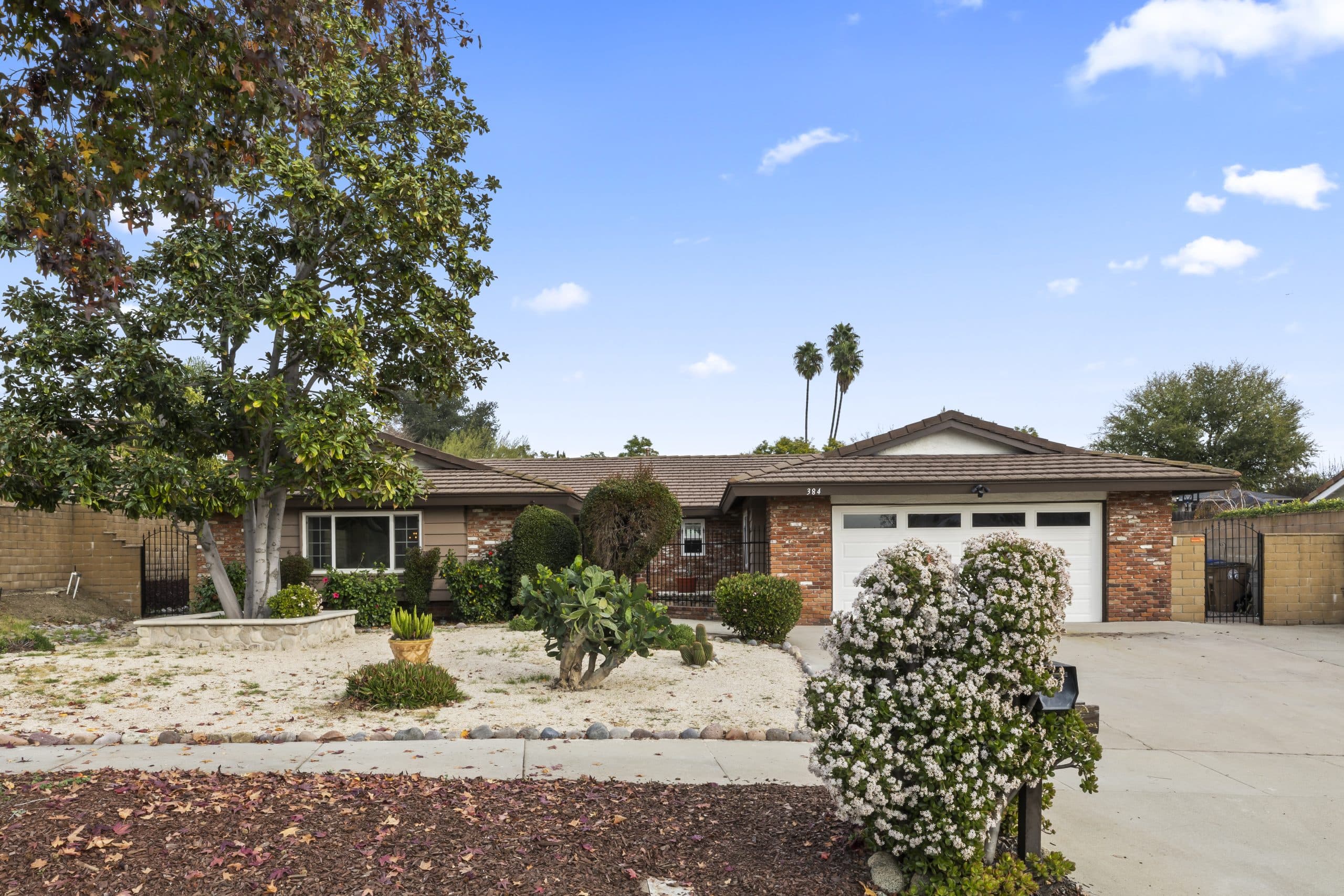
Then look at the house rather than the street. How deep is the setback? Is there planting between the front rooms and the sidewalk, or does the house sit open? Which rooms face the street, and are they rooms you use in the evening? Where would a visitor stand to get the shot, and is that spot looking into anything?
And ask a neighbor. On a Claremont block people will tell you, and the front-porch guide explains why that conversation is usually easy to start.
Where to go next
The lifestyle guide holds the rest of these street-level variables, and the closest companion here is the sound guide, since the blocks that draw attention and the blocks that stay quiet are not always the same blocks. Anthony Grynchal has been licensed in California since November 2009.
Frequently asked questions
Do photographers really use Claremont's residential streets?
Regularly on certain blocks. Mature canopy, unbroken runs of period architecture, and a foothill backdrop make particular streets attractive for portrait sessions, and proximity to the Village and campus edges adds casual visitors with cameras. It is usually brief and clustered around good light.
Is commercial filming allowed on Claremont streets?
Commercial filming and photography involve permits, and the notice requirements and street impacts are set by the city rather than by the production. If a block has hosted a shoot before, neighbors will remember, and asking them gives you a far more accurate picture than any listing will.
What are the real downsides of a photogenic block?
Parking pressure during sessions, timing that coincides with dinner hour because the good light is late, and a modest privacy consideration when someone frames a shot that includes your front window. Setback depth, front planting, and which rooms face the street mostly determine how much that last one matters.
How do I check whether a street draws attention before buying?
Visit in the hour before sunset on a weekend, when photographers, walkers, and evening traffic all overlap. Then look at the house itself: setback depth, front planting, and whether the rooms you use in the evening face the sidewalk. A neighbor will fill in the rest.

Written by
Anthony Grynchal
Anthony Grynchal is a California real estate professional with eXp Realty, licensed since November 2009 (California DRE# 01873626), and the Designated Local Expert™ for Claremont — where he has lived for more than 33 years.
More about AnthonyPublished · Updated