The worst time to find a veterinarian is when you need one. That is the whole argument of this page, and it applies to every part of a pet care roster: the decisions are easy to make calmly in month one and terrible to make in a hurry in month fourteen.
Claremont supports a reasonable local layer of pet services, and the town's physical form makes it a genuinely good place to have a dog. Both facts are worth unpacking.
Build the roster before you need it
Treat this exactly like the home services roster described in building your Claremont vendor list: a short list of known providers, assembled deliberately, before an emergency forces a rushed choice.
- A primary veterinarian. Register before there is a problem. Many practices prefer an established relationship, and a first visit while the animal is healthy is a better introduction than a crisis.
- An emergency and after-hours option. Usually a different facility from the primary practice, and often further away. Know where it is and how long the drive takes BEFORE you need it, at night, in a hurry.
- A groomer, if the animal needs one, booked on a schedule rather than when the coat has already matted.
- Boarding or a sitter, arranged well ahead of holiday periods, which is when capacity disappears first.
- A supply source for food and medication, including how prescription diets and medications are obtained.
Write the list down with addresses and phone numbers somewhere that does not require a working phone to find.
What to verify
Veterinary medicine is a licensed profession in California, and both individual veterinarians and veterinary premises are subject to state regulation. Verify licensing status with the relevant California board rather than assuming, and note that requirements and standards change over time.
Beyond licensing, practical questions worth asking any practice at registration.
- What are the actual hours, and what happens outside them?
- Which emergency facility do they refer to, and do they share records with it?
- How are estimates provided before treatment, and what payment options exist?
- Do they handle the species and the specific conditions your animal has?
- How are records transferred if you move or change practice?
For groomers and boarding, ask about vaccination requirements, how animals are supervised between appointments, what happens in a medical incident, and whether you can see the areas where animals are held. A business comfortable with that question is usually the right one.
Cost, planned rather than absorbed
Veterinary care is a major, unpredictable household expense, and the honest planning advice does not involve any specific figures, which vary by animal, condition, and provider.
The choices are essentially three: carry insurance, maintain a dedicated savings buffer, or accept that a serious incident will be paid for from general funds. Each is defensible; drifting into the third by default is not. If you are considering insurance, read the exclusions, waiting periods, and treatment of pre-existing conditions carefully, and get current terms from the insurer rather than from any summary.
Why the town suits dogs
Claremont's physical form does a lot of work here.
Sidewalk continuity and mature shade make daily walking pleasant for most of the year. Foothill trail access at the northern edge gives real distance for a dog that needs it. The tree canopy matters more than people expect in summer, because pavement temperature is the limiting factor on midday walks in this climate. And a walkable commercial core means a fair number of businesses with outdoor seating tolerate dogs, which changes how a household actually spends a Saturday.
Two local cautions. HEAT is the serious one: asphalt in a Southern California summer can injure paws and cause heatstroke quickly, so walk early or late and test the surface with the back of your hand. WILDLIFE is the second: at the foothill edge, coyotes and other wildlife are a genuine presence, so animals should not be left unattended outside, especially at night, and fencing that looks adequate often is not.
Leash rules, licensing requirements, and where dogs are permitted are set by the city and county and change. Confirm current requirements directly rather than relying on this page.
Renting, buying, and the pet question
Pets shape a housing search more than most buyers admit.
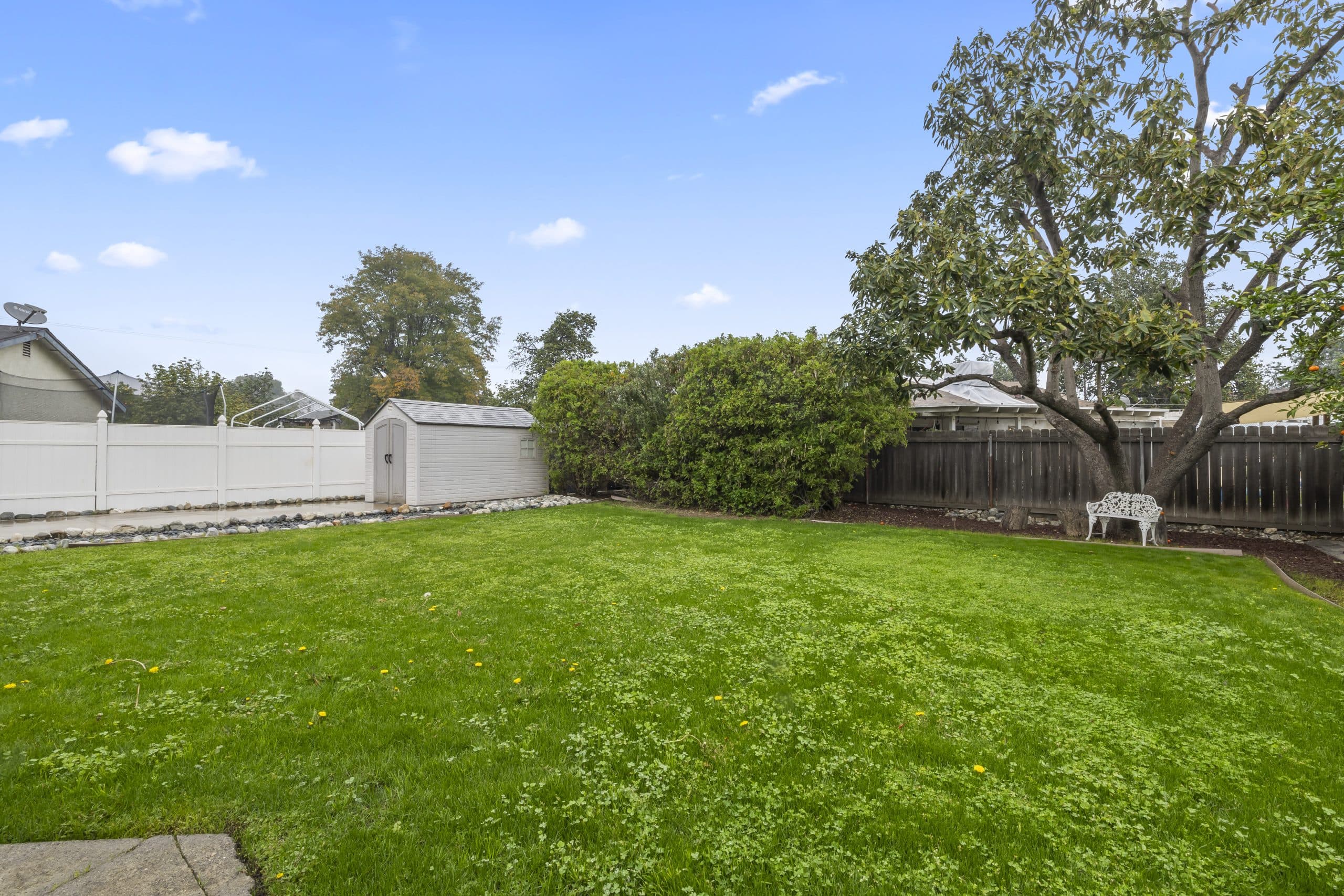
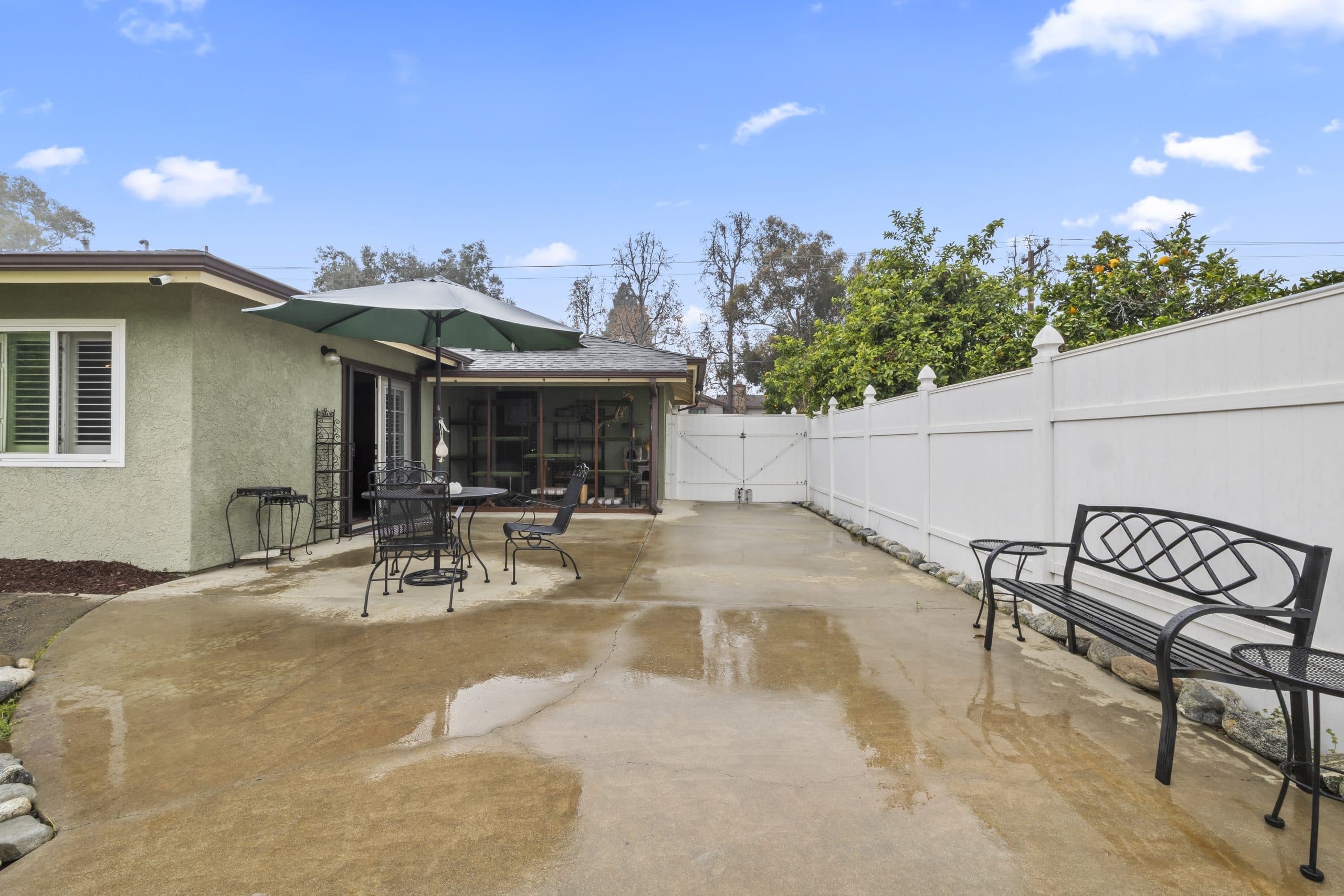
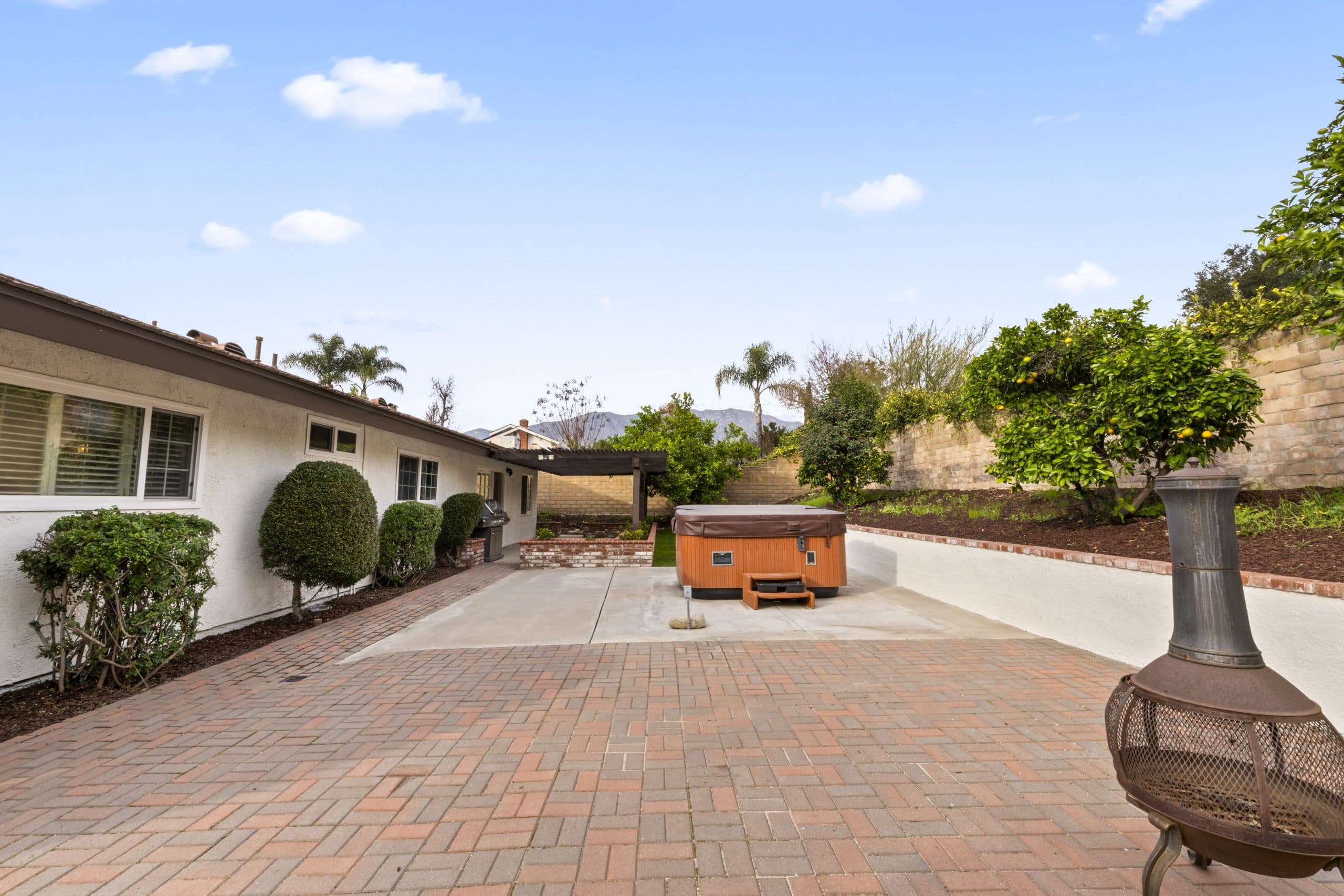
Yard fencing, gate condition, and how a yard drains matter. So does the flooring, since some surfaces survive animals better than others. So does proximity to open space, because a dog that gets real exercise is a different animal to live with. And in any property governed by a homeowners association, PET RESTRICTIONS are a real and enforceable constraint that can cover number, size, breed, and where animals may be. Those rules are property-specific and change, so read the actual governing documents for any specific property rather than assuming, and raise it early rather than after an offer.
That is one of the recurring themes across this series and in how local businesses shape home values: the amenities that shape daily life are attached to the address, and they deserve the same scrutiny as the building.
Staying current
Practices change hands, groomers relocate, and after-hours arrangements are revised. This page names no provider deliberately, because in an emergency category a stale name is worse than no name.
Use current local sources, verify licensing directly, and register with a practice while nothing is wrong. More of this series is on the local businesses hub.
Anthony Grynchal has been licensed in California since November 2009.
Frequently asked questions
What should be on a pet care roster before I need it?
A registered primary veterinarian, a known emergency and after-hours facility with the drive timed in advance, a groomer if needed, boarding or a sitter arranged ahead of holidays, and a reliable supply source including prescription items. Keep it written down offline.
How do I verify a veterinarian?
Veterinary medicine is licensed in California and both practitioners and premises are regulated. Check status with the relevant state board rather than assuming, and ask the practice about hours, emergency referrals, estimates before treatment, and record transfer.
Is Claremont a good town for dogs?
Generally yes: continuous sidewalks, mature shade, and foothill trail access make daily walking workable. The cautions are summer pavement heat, which requires early or late walks, and wildlife at the foothill edge, which means not leaving animals unattended outside.
Can a homeowners association restrict pets?
Yes. Restrictions can cover number, size, breed, and where animals may be, and they are enforceable. Rules are property-specific and change, so read the actual governing documents for any property you are considering and raise the question early in the search.

Written by
Anthony Grynchal
Anthony Grynchal is a California real estate professional with eXp Realty, licensed since November 2009 (California DRE# 01873626), and the Designated Local Expert™ for Claremont — where he has lived for more than 33 years.
More about AnthonyPublished · Updated