Get three bids. It is the standard advice, it is good advice, and it is where most homeowners stop thinking.
Because three bids only help if they describe the same work, and they almost never do.
Why the numbers do not line up
Put three proposals side by side for what you believe is one project and you will usually find they are pricing three different projects.
One includes demolition and disposal; one leaves the debris on your driveway. One returns the room to paint-ready; one leaves bare drywall. One prices the permit and the inspection time; one is silent, which means you are paying for it later. One specifies a mid-grade material by name; one says standard.
Add those gaps up and a spread that looked like a bargain turns out to be a difference in scope, not a difference in price.
THE LOWEST BID IS FREQUENTLY THE ONE THAT UNDERSTOOD THE JOB LEAST. Sometimes it is a genuinely efficient operator. Sometimes it is somebody who has not yet realised what your house contains, and who will find out on your time and your money.
Normalize before you compare
The exercise is to build one line-item grid and force every proposal into it. Rows for each element of work, plus rows for the things that hide between elements.
- Demolition, protection of the rest of the house, and debris removal
- Materials, by specification and grade, and who purchases them
- Labor by trade, including any specialist the job actually requires
- Permit fees, application handling, and inspection attendance
- Finish work: patching, priming, paint, trim, thresholds
- Cleanup and final condition
- Warranty on labor, separate from any manufacturer warranty on materials
- Working duration, and how many days of your house being unusable
Where a proposal is silent, write UNPRICED rather than zero. Silence is not free; it is a future invoice or a future argument. Then go back to each bidder and ask them to price the blanks. The willingness to do that, and the speed of it, is itself part of the comparison.
Ask every bidder the same questions
Comparison only works when the inputs match, so give each trade the same brief, in writing, and the same set of questions.
What is excluded from this proposal. What would you expect to find behind that wall, and how would you handle it. Who is on the crew and do they work for you. Who pulls the permit. What is your warranty on labor. What in this bid is an allowance rather than a price.
Different answers to identical questions is the actual signal. One trade explains the unknowns and states a process; another says it will be fine. You have just learned more than any number could tell you.
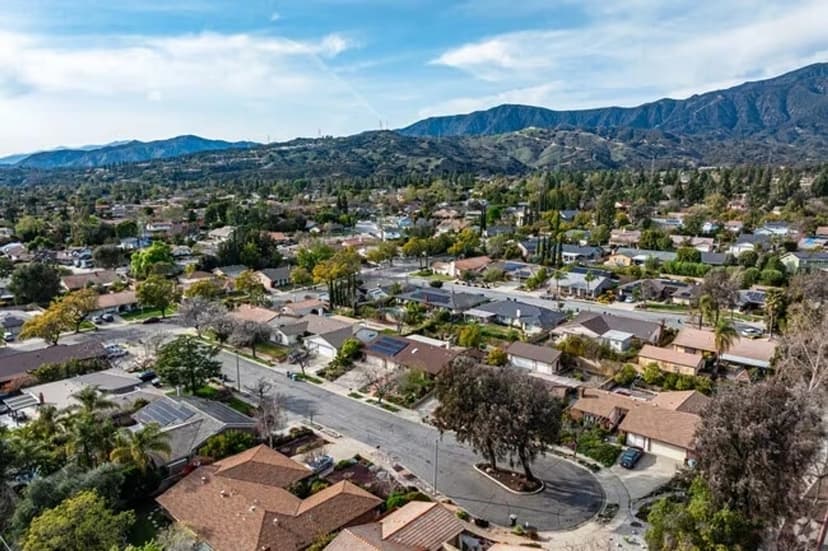
What a Claremont house does to the spread
Older stock widens the gap between bids, because the unknowns are larger and different trades price uncertainty differently.
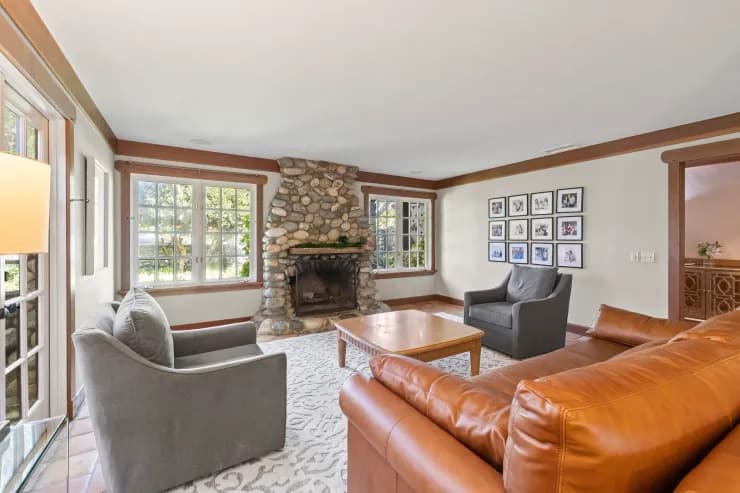
A contractor who has worked repeatedly on early-century houses in town knows that plaster, original supply lines, and additive wiring are likely, and prices for the likelihood. A contractor whose experience is newer tract construction prices what is visible. Those two proposals will look very different, and the cheaper one is not the better deal.
Foothill lots add access and drainage. Mature trees add a specialist category and real liability. The bid that ignores the tree is not saving you money; it is deferring the question.
What a bid tells you about the operator
Read the document as evidence about the business behind it.
A proposal that arrives promptly, is legible, names exclusions, specifies materials, and states a change process was written by somebody organised. A proposal that is a total scribbled on a form was not.
Organisation on paper correlates strongly with organisation on site: showing up when promised, sequencing subcontractors, ordering materials before they are needed. You are not just buying labor, you are buying project management, and the bid is the only sample of it you will get before you commit. What a good document looks like line by line is set out in the guide to reading a written scope of work.
Run the checks before the comparison, not after
There is no point normalizing a bid from somebody who will not survive verification. Licence status and classification are public record, and coverage is confirmable in advance. Do both first, using the walkthrough of verifying a contractor license, then compare only the proposals that cleared.
It is a better use of an evening than building a careful spreadsheet around somebody you were never going to be able to hire safely.
Choosing, and telling the others
When the bids are genuinely comparable, price becomes one input among several: availability against your timeline, the quality of the answers, work you have seen in person, and how the person handled the awkward questions.
Tell the unsuccessful bidders promptly and plainly. It costs you nothing, it is unusual enough to be remembered, and in a town this size the trade you turn down politely today is frequently the one available when you have an emergency next winter.
Where to go next
Start at the local business hub for the wider picture of Claremont's independent service and commercial life. For what happens once work begins and the price starts to move, see change orders and how a project price actually moves.
Anthony Grynchal has been licensed in California since November 2009. This is not legal advice; contract questions belong with your own attorney, permit questions with the City of Claremont, and licensing questions with the CSLB.
Frequently asked questions
Why are three contractor bids so different?
Usually because they describe different work. One includes disposal, finish paint, or the permit and another does not, and one specifies a material by grade while another says standard. A spread that looks like a bargain is often a difference in scope rather than price.
How do I make contractor bids comparable?
Build one line-item grid covering demolition, protection, disposal, materials by specification, labor by trade, permits and inspections, finish work, cleanup, labor warranty, and duration. Mark silences as unpriced rather than zero, then ask each bidder to price the blanks.
Is the lowest bid usually the best value?
Frequently it is the bid that understood the job least, particularly on older houses where plaster, original supply lines, and additive wiring are likely. A trade experienced with that stock prices the likelihood; one used to newer construction prices only what is visible.
What does a proposal tell me about the contractor?
The document is your only sample of their project management before you commit. Prompt, legible proposals that name exclusions, specify materials, and state a change process tend to come from operations that also sequence trades and order materials on time.

Written by
Anthony Grynchal
Anthony Grynchal is a California real estate professional with eXp Realty, licensed since November 2009 (California DRE# 01873626), and the Designated Local Expert™ for Claremont — where he has lived for more than 33 years.
More about AnthonyPublished · Updated