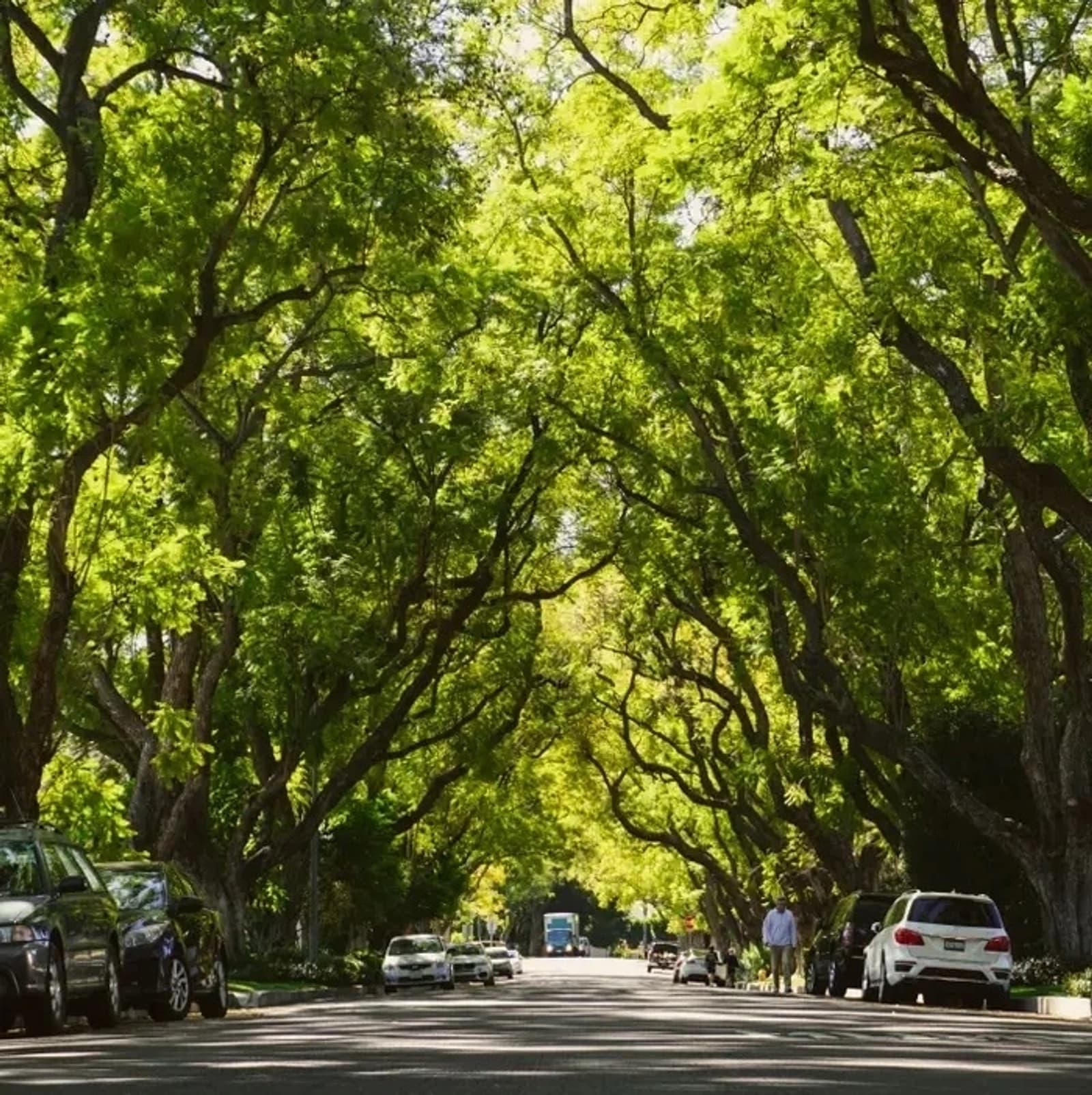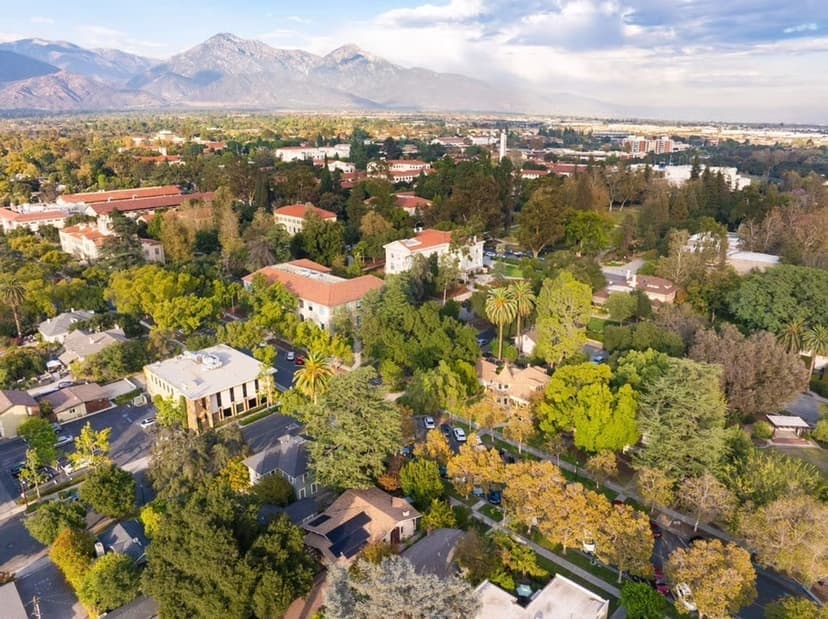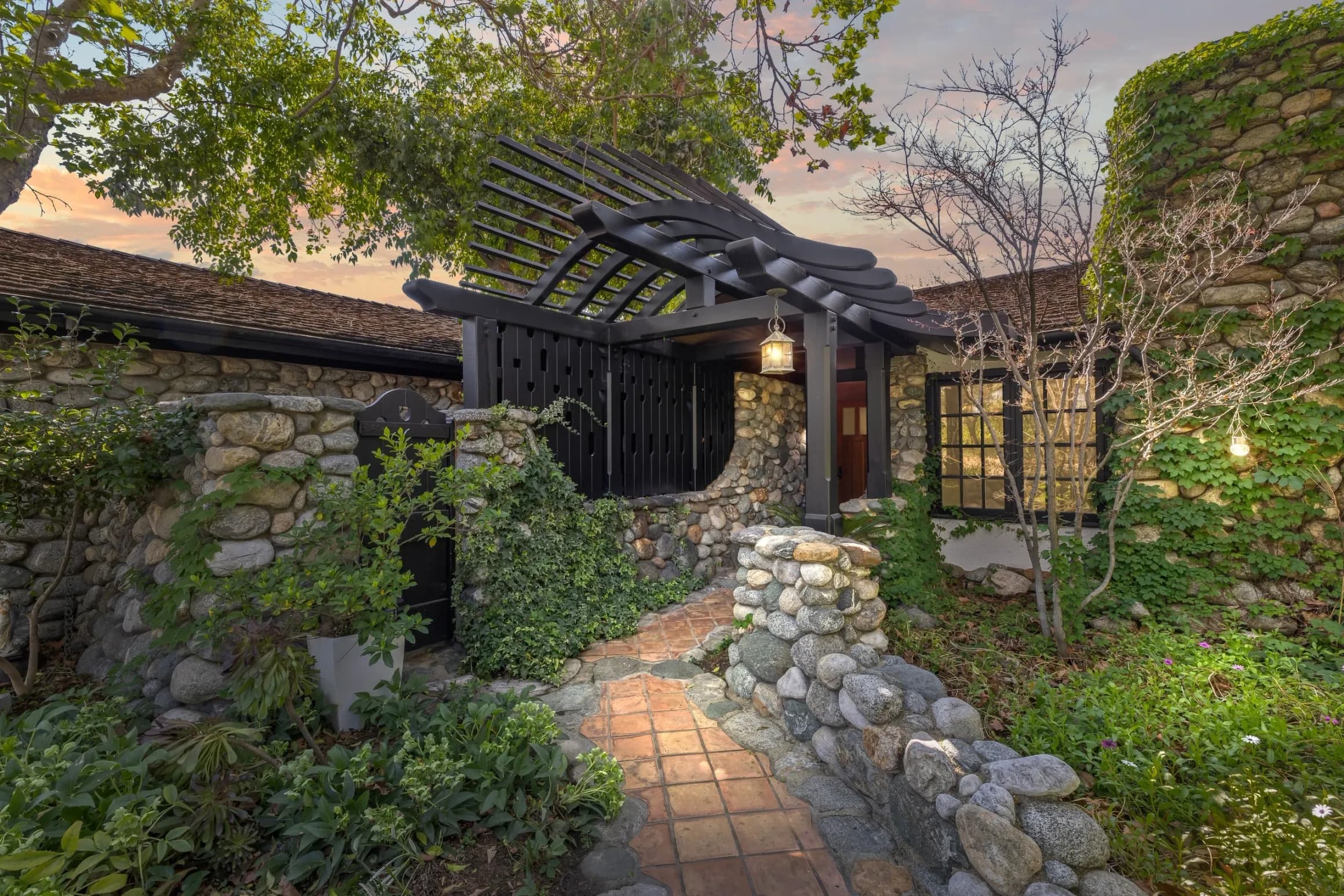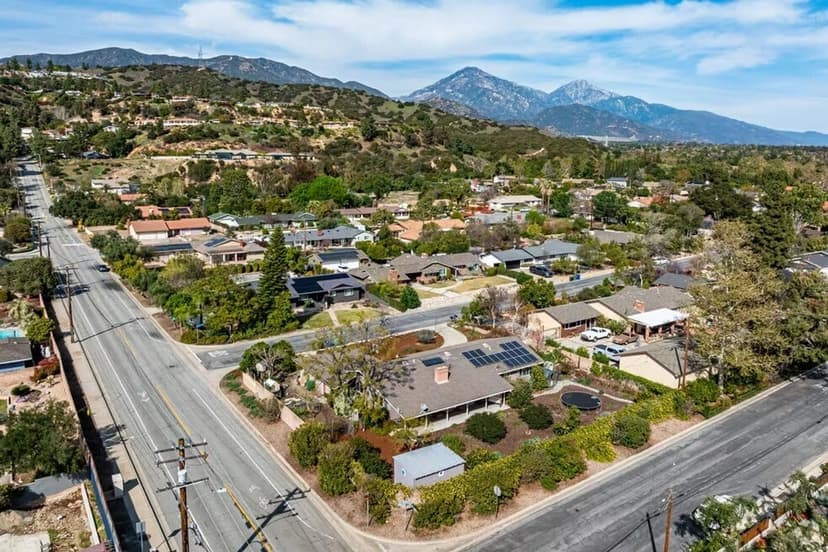
Two houses, same builder, same floor plan, four hundred feet apart. One faces a busy public edge. One faces a quiet interior street.
Are they worth the same? Almost never. Which one is worth more? That depends, and the reasoning is more interesting than most people expect.
To be clear about roles: a formal opinion of value is the work of a state-licensed appraiser, and this article does not substitute for one. What follows is how the analysis is structured, so a homeowner can follow the logic rather than guess at it.
Proximity is not one variable
The mistake almost everyone makes is treating nearness to public life as a single input with a single sign.
It is at least two, and they point in opposite directions.
Access is the benefit. Walkability to a center, a protected outlook onto public open space, mature landscaping maintained by someone else, and the durable desirability that comes with a place people want to be. This side of the ledger is well documented and is why walkable centers hold value, as set out in why walkable civic space holds Claremont home values.
Exposure is the cost. Noise, light, traffic, parking pressure, litter at the edge, and constrained access on busy days.
Both effects are strongest at the same place: right at the edge. That is why the relationship is not a straight line.
The curve, not the line
The pattern that shows up repeatedly in walkable places looks roughly like this.
Directly adjacent to an active edge, exposure is at its maximum and so is access. Some buyers love it and some will not consider it, so the buyer pool narrows even though the enthusiasm within it is high.
A short walk away, access is nearly intact and exposure has dropped sharply. This band tends to be the broadest in appeal.
Far enough that walking is no longer practical, the access premium disappears and the property competes as an ordinary location.
None of that is a formula, and the shape differs by district, by what the public space actually does, and by the specific street. But it explains why the highest value is often not at the edge and not far from it either.
What separates a good adjacent property from a poor one
Two homes with identical exposure can perform very differently, and the differences are physical.
- Orientation of the living and sleeping space relative to the source. A house that turns its back on the noise is a different product from one that faces it.
- On-site parking. Garage and driveway capacity matters enormously where curb parking is contested.
- Screening. Walls, fences, mature planting, and the elevation change between the lot and the source.
- Access geometry. Whether the driveway is usable when the street is full, and whether a service vehicle can reach the property.
- Outdoor space that works. A rear yard with privacy is worth far more here than a front yard nobody uses.
These are the same characteristics that make the difference between a block that absorbs pressure and one that amplifies it, described in absorbers and amplifiers.
Why the comparable set is the hard part
The technical difficulty in valuing a property like this is not the adjustment. It is finding anything to compare it to.
A house directly facing an active public edge may have very few genuine equivalents in recent sales, because the condition is specific and the inventory is small. The nearest sales geometrically may be interior lots with a completely different exposure profile.
This is where a licensed appraiser earns the fee. Selecting and reconciling comparables in a location with few true equivalents is analytical work, not a lookup, and it is exactly the situation in which an automated estimate is least reliable.
What owners can do with this
Three things, none of which require you to estimate anything.
Invest in the variables that separate. Screening, outdoor privacy, and window treatment address exposure directly. Off-street parking capacity, where it can be added within the rules, addresses the constraint buyers feel most.
Document the amenity side. A protected outlook, a short walk to a center, and a view corridor that cannot be built on are real characteristics worth stating plainly.
Get the right professional. For a listing decision, a market analysis on the specific property. For a formal opinion of value, a state-licensed appraiser. Mr. Claremont Real Estate prepares market analyses and coordinates independent, state-licensed appraisers; it does not perform appraisals.
The honest summary
Proximity to public life is neither a premium nor a discount as a general rule. It is a characteristic that interacts with the specific property, the specific street, and the specific buyer pool.
The properties that do best are the ones that capture the access and manage the exposure, and most of that management is physical and visible on a walk-through. The properties that do worst are the ones with the exposure and no compensating design at all.
It is also worth remembering that buyer preference is not fixed. A district that draws people is a district whose appeal can grow, and the same edge condition that a buyer discounts in one market is one that another buyer seeks out. That is not a reason to assume anything about the future. It is a reason to describe the property accurately and let the market price it, rather than deciding in advance that proximity is a flaw to be apologized for.
The reverse holds too. An owner who assumes the location sells itself, and who therefore neglects the screening, the outdoor privacy, and the parking, is leaving the manageable half of the equation unmanaged.
Where to take it next
The local events and civic life hub covers the rest of what public life does to a private address here.
For an opinion of value on a specific property, consult a state-licensed appraiser. Market conditions change continually, so any figure or trend should be verified against current data rather than assumed from a general description. Anthony Grynchal has been licensed in California since November 2009.
Frequently asked questions
Does living near a park or plaza raise or lower value?
Both effects operate at once. Access to walkable public space supports value, while noise, light, and parking exposure work against it. Which dominates depends on the property, the street, and the buyer pool, which is why a property-specific analysis is the only reliable answer.
Can Mr. Claremont Real Estate appraise my home?
No. Formal appraisals are performed by state-licensed appraisers. Mr. Claremont Real Estate prepares market analyses for listing and buying decisions and coordinates independent, licensed appraisers when a formal appraisal is required.
Why do automated estimates struggle with these properties?
Because the relevant characteristics are physical and local: orientation, screening, on-site parking, and access geometry. Automated models rely on recorded attributes and nearby sales, and a property with few true equivalents is where that approach is weakest.
Which improvements help most on an exposed lot?
Generally the ones that address exposure directly, such as screening, private outdoor space, and window treatment, plus off-street parking capacity where it can be added within the applicable rules. Verify what is permitted with the City of Claremont before planning work.

Written by
Anthony Grynchal
Anthony Grynchal is a California real estate professional with eXp Realty, licensed since November 2009 (California DRE# 01873626), and the Designated Local Expert™ for Claremont — where he has lived for more than 33 years.
More about AnthonyPublished · Updated