Claremont Events: The Rhythm of the Town's Year

The recurring rhythm of Claremont's community calendar, what it says about living here, and how event seasons interact with buying or selling a home.

You can learn a town from its buildings, but you learn it faster from its calendar. Claremont keeps a busier community calendar than towns twice its size — a weekly, seasonal, and annual rhythm of markets, music, street celebrations, and college happenings that gives the year a recognizable shape. This page deliberately does not list dates, schedules, or this year's lineup; events shift, and the city's and organizers' current calendars are the only honest source for specifics. What a permanent page can do is describe the rhythm itself — the recurring pattern a resident actually lives inside — and explain why that rhythm is worth weighing in a housing decision, which is, after all, why it appears on a real estate site.

A town that gathers

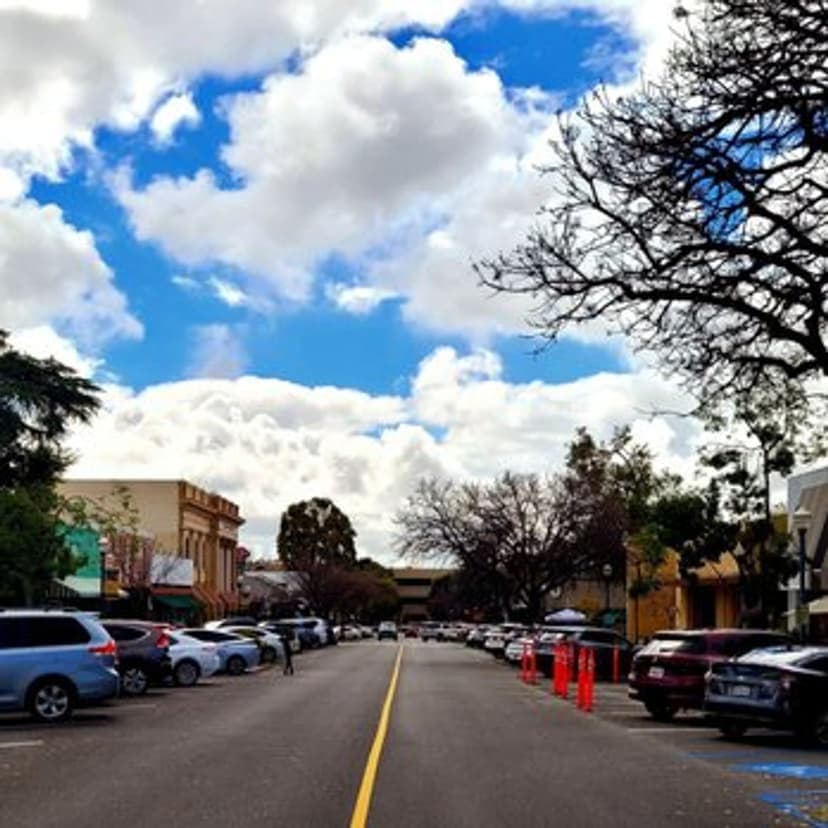
The first thing the calendar tells you is that Claremont likes being in the same place at the same time. The town's compact, walkable core makes gathering easy — a street can close, a lawn can fill, a sidewalk can become a promenade — and the community uses that capability constantly. This is rarer than it sounds. Gathering requires a geography that supports it and a civic culture that bothers, and Claremont has both: the physical inheritance of its railroad-era core, and a population — long-tenure residents, college communities, young families — that shows up. For anyone deciding whether to live here, the density of the calendar is a measurable proxy for something harder to measure: whether a town is a community or merely a collection of addresses. Plenty of pleasant suburbs are the latter — fine houses, good schools, and a public life that consists of waving from driveways. Claremont's calendar is the evidence that it is the former, renewed weekly, in public, where anyone considering the town can go and see it for themselves.

The weekly beat: market day

The steadiest pulse is weekly. The Sunday farmers market has run for decades as the town's standing appointment — produce and prepared food as the official purpose, and the week's unplanned social life as the actual one. Regulars will tell you the market is where Claremont sees itself: neighbors, professors, kids, dogs, and half the people you meant to call anyway. For newcomers it is the single fastest on-ramp into the town's social fabric, and it requires nothing but showing up. A weekly institution of this durability also says something about the town's commercial culture, a thread picked up in the local business guide: Claremont sustains its habits long enough for them to become identity.

The seasonal arc

Over the weekly beat runs a seasonal arc that repeats reliably in shape even as its specifics change year to year. Its broad movements:

  • Spring brings the outdoor season's opening — garden and community celebrations timed to the town at its greenest, and the Colleges' commencement weekends filling the town with visiting families.
  • Summer is the season of evenings: outdoor concerts and warm-night gatherings in the parks, in the long dry twilight the region does better than anywhere.
  • Fall is the civic high season — the pattern of street fairs and community festivals that takes over the core as the heat breaks and the college year returns, historically the busiest stretch of the calendar.
  • Winter turns inward and lights up: holiday traditions in the Village, seasonal performances, and the town at its coziest scale.

The specific names, dates, and lineups belong to the city's and organizers' current calendars — check them for any given year. The arc itself, though, has held for generations, and residents plan their years around its shape the way coastal towns plan around tides.

Two features of the arc are worth a newcomer's attention. First, its center of gravity is outdoors and on foot — street closures, park lawns, sidewalk stages — which is only possible because the town's core was built to walking scale; the calendar and the geography are the same fact expressed twice. Second, the arc is intergenerational by design: the same seasonal gathering will hold strollers, students, and residents who have attended for forty years, and that mix is not an accident but the visible result of a town where people stay. Event calendars elsewhere often segment by age and audience; Claremont's mostly refuses to, and the refusal is part of what people mean when they call the town a community.

The college layer

Under the civic calendar runs the academic one. The Claremont Colleges contribute a second stream of happenings — lectures, performances, exhibitions, athletics — much of it open to residents, and collectively it gives Claremont cultural programming that a town of this size has no ordinary right to expect. It also gives the year a distinct breathing pattern: the town noticeably fills when the semester starts and exhales in high summer, a rhythm covered from the housing side in the seasonal guide. Residents learn to use both streams — civic and collegiate — and the combination is a large part of why retirees and academics alike find the town hard to leave.

What the calendar means for choosing Claremont

Event texture is a legitimate housing criterion, and it cuts in more than one direction. Proximity to the gathering core means the festivals, music, and market are a stroll away — and it also means your street shares in event-day parking and closures a few times a year. Distance buys quiet and costs spontaneity. The right answer depends on the life you want: households that intend to use the calendar heavily tend to prize the core and its surrounding blocks, while those who prefer the town's energy in measured doses do well slightly farther out — trade-offs the relocation guide and living in Claremont overview both map. The useful exercise is honest self-assessment: picture a festival weekend, and decide whether you want to be inside it or adjacent to it.

Learning the calendar as a newcomer

For new residents, the calendar is the fastest available shortcut into belonging, and it rewards a deliberate first year. The approach that works is simple: attend the recurring things early and often. Go to the market on Sundays until vendors start recognizing you. Show up for whatever the current season's signature gathering is, even alone, even briefly. Walk into the free college events — the lectures and recitals that would cost real money in a city and here cost an evening. None of this requires an invitation, which is precisely the point: a public calendar is a town's open door, and Claremont's is more open than most. Newcomers who use it report the same arc — three months of attending as a stranger, three months of nodding at familiar faces, and then somewhere in the first year the switch flips and the event is partly theirs. The moving guide treats this as seriously as the logistics, because settling a household and settling a person are different projects, and the second one is the one people actually mean when they ask whether they will be happy here. A practical note for planning that first year: build your own list from the live calendars each season rather than from memory or from any fixed page — the rhythm holds, but the particulars are the organizers' to set, and part of local fluency is knowing where to look.

Events and the real estate calendar

One practical note from the transaction side: the community calendar and the housing calendar interact. Event weekends flood the town with visitors who see Claremont at its best — more than one buyer's first visit has been a festival — but they also compete for attention and parking with open houses, and an experienced agent plans listing debuts and showing schedules around the town's big weekends rather than against them. Sellers preparing a home, per the selling guide, should treat the calendar as a marketing instrument: the town does some of the persuading for you, if the timing is right. A house is easier to sell in a town that is easy to fall for, and Claremont on a gathering weekend — streets full, music somewhere, the core doing what it was built to do — makes its own argument better than any brochure could.

Anthony Grynchal has been licensed in California since November 2009 and has timed more than a few listings around the town's calendar. If you want to know what the rhythm feels like from the inside, visit on a market Sunday — it is the town's best open house, every week.

Frequently asked questions

What kinds of events does Claremont have?

A layered calendar: a decades-old weekly farmers market, a seasonal arc of street fairs, outdoor concerts, and holiday traditions centered on the walkable core, and a steady stream of college lectures, performances, and exhibitions open to residents. Specific dates and lineups change — the city's and organizers' current calendars are the live source.

How do I find out what is happening in Claremont this week?

Check the current calendars published by the city, the event organizers, and the Colleges. This guide intentionally describes the recurring rhythm rather than schedules, because dates shift year to year and only live sources can be trusted for specifics.

Is living near the Village a plus or minus during events?

Both, honestly. Core-adjacent addresses put the market, music, and festivals within a stroll, and they also share in event-day parking and street closures a few times a year. Households that use the calendar heavily tend to love the core; those who prefer measured doses of the town's energy often choose blocks slightly farther out.

Do community events matter when buying or selling a home?

More than most people expect. Event weekends show the town at its best and draw visitors who become buyers, but they also compete with showings for attention and parking — so experienced agents schedule listings and open houses around the big weekends. A busy, durable calendar is also itself evidence of a healthy town.