Most people buy a house for the life they have now. The ones who are happiest in twenty years bought partly for the life they will have then.
Nowhere is that clearer than driving. Households that eventually drive less, whether by choice or not, discover that the location decision they made years earlier determines almost everything about whether they stay connected.
Claremont is unusually good for this, and the advantage is not evenly spread across the town.
Why this is a location question, not a personality one
People assume staying social is about temperament. Some of it is. But the mechanism that produces most adult contact is proximity plus repetition.
You see people because you are in the same place at the same time, repeatedly, without arranging it. Every time that becomes a scheduled car trip instead, the frequency drops, and it drops a lot.
A ten-minute walk to a place with people in it produces contact several times a week. A ten-minute drive to the same place produces it a couple of times a month. Same distance in minutes, completely different outcome.
What a walkable location gives you over time
- Errands become outings rather than tasks.
- Evening activity is available without arranging a ride home.
- You are still part of the town's public life on a day you did not plan to be.
- Visiting family can arrive, park once, and not need to drive you around.
- Giving up night driving, which many people do long before they give up driving entirely, costs you far less.
That fifth point is the one people underestimate. Night driving usually goes first. In a town where the center is walkable and lit, losing it changes very little. Elsewhere it can end a social life in a season.
What to look for in the house itself
Location is half. The building is the other half, and the checks are specific.
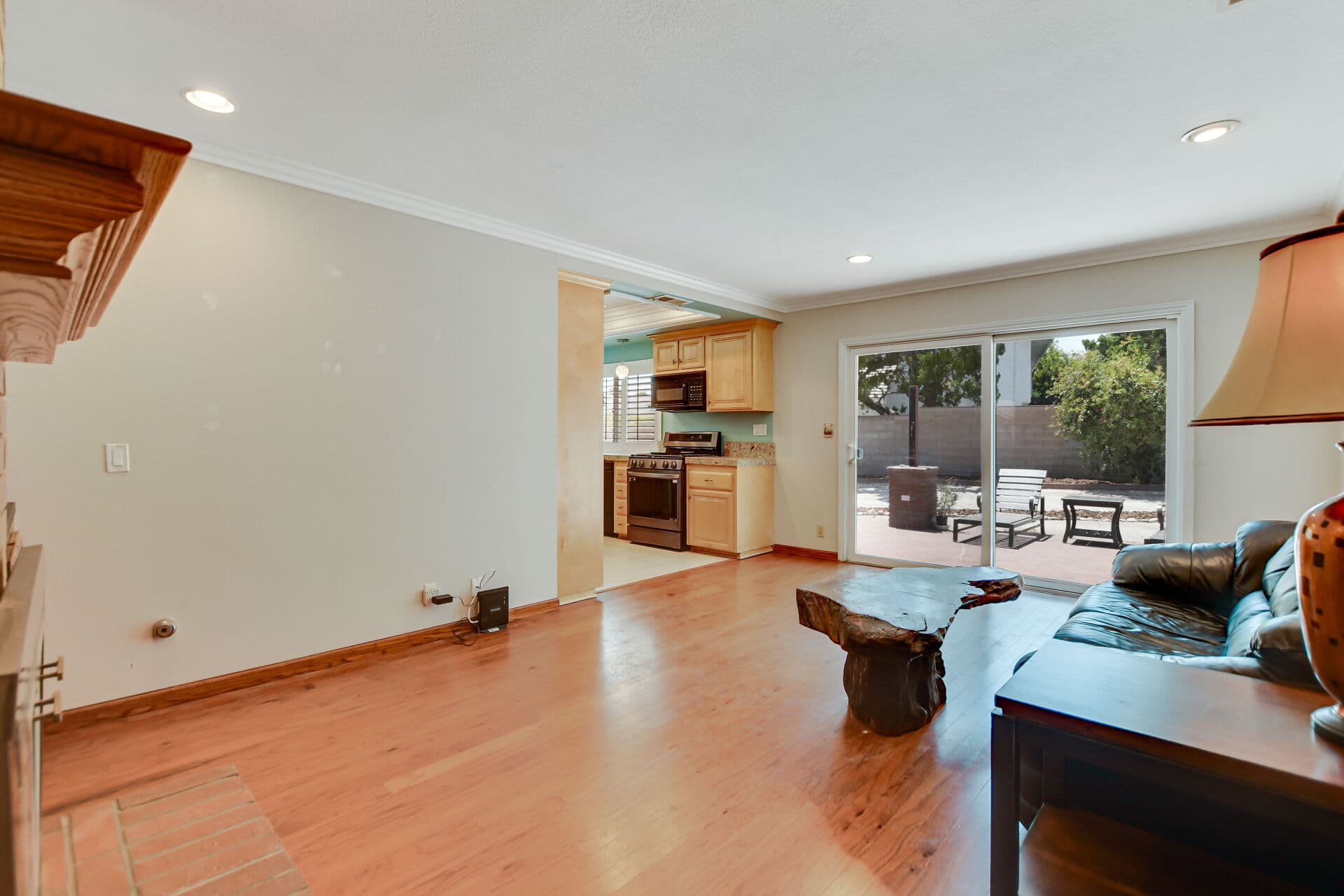
Single-level living, or the option of it
A house that can function on one floor, even if it has two, keeps working through a wider range of circumstances. A main-floor bedroom and full bathroom is the core of it.
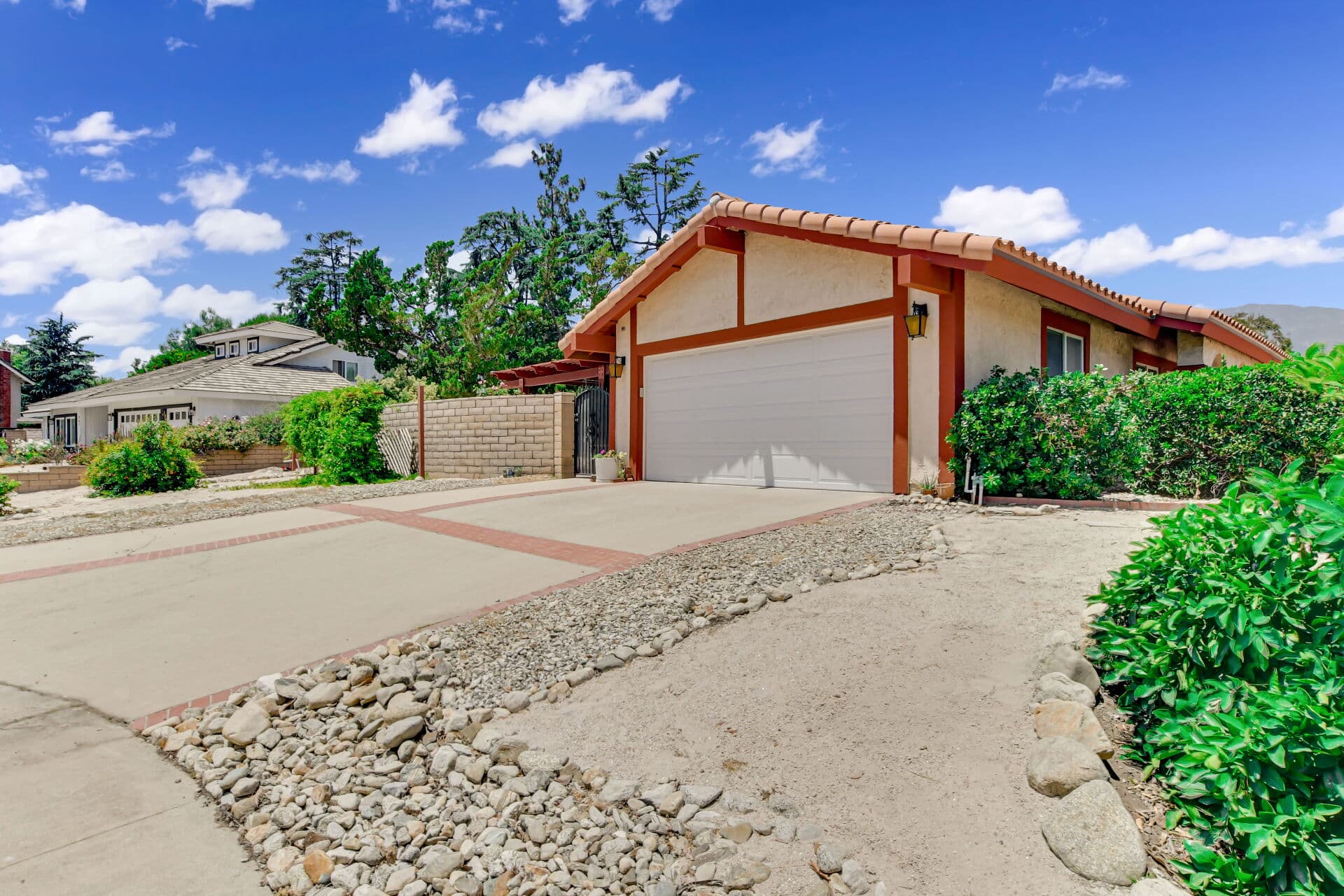
Entry without steps, or with a route that could be adapted
Look at the approach from the street and from the car. A modest step is easy to solve; a long flight from the sidewalk is not, and it is invisible in listing photos.
Doorway and hallway width
Cheap to check, expensive to change. Worth a tape measure at a showing.
Bathrooms that can be modified
Not whether they are adapted now, but whether the layout allows it later without moving plumbing.
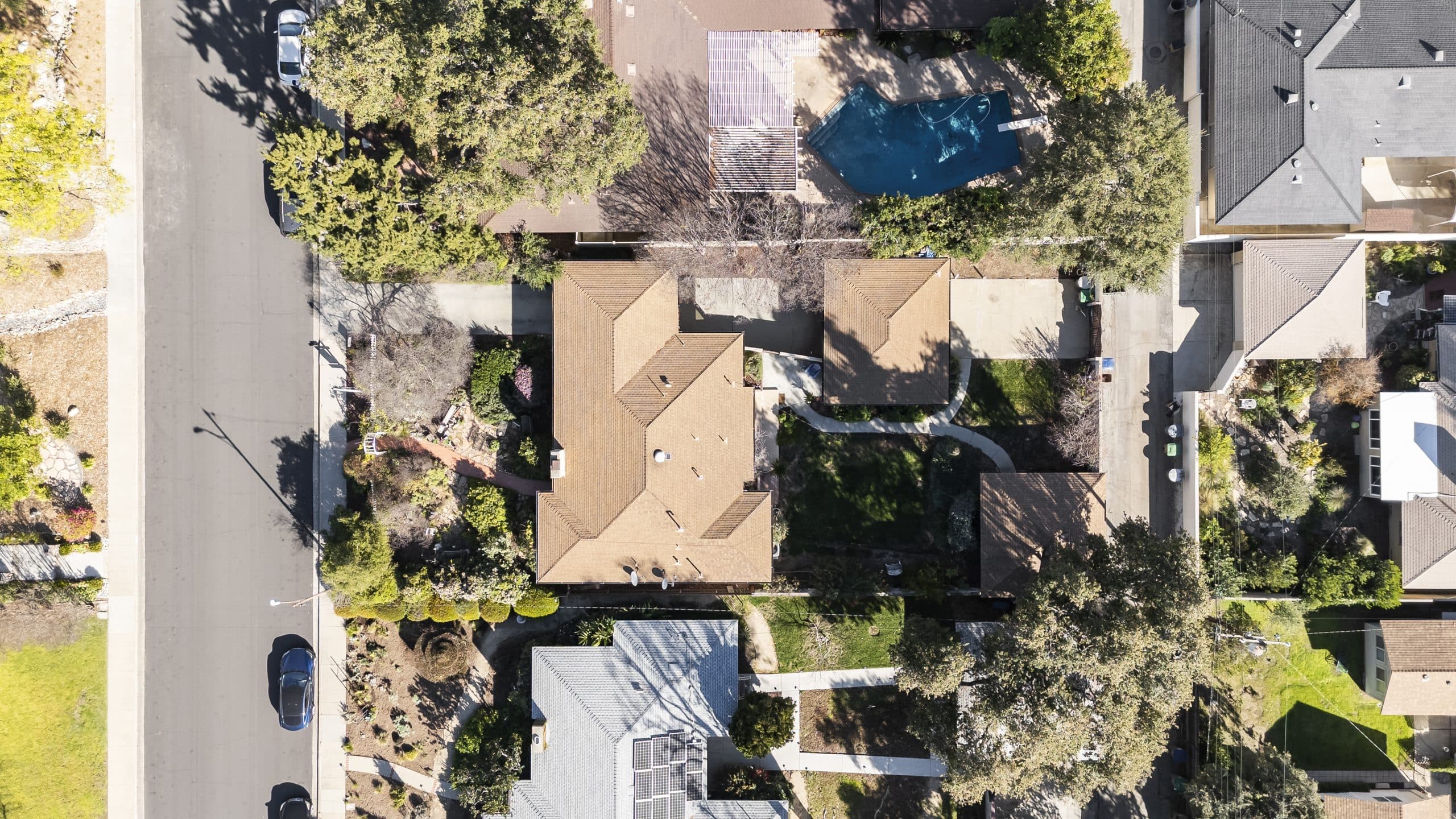
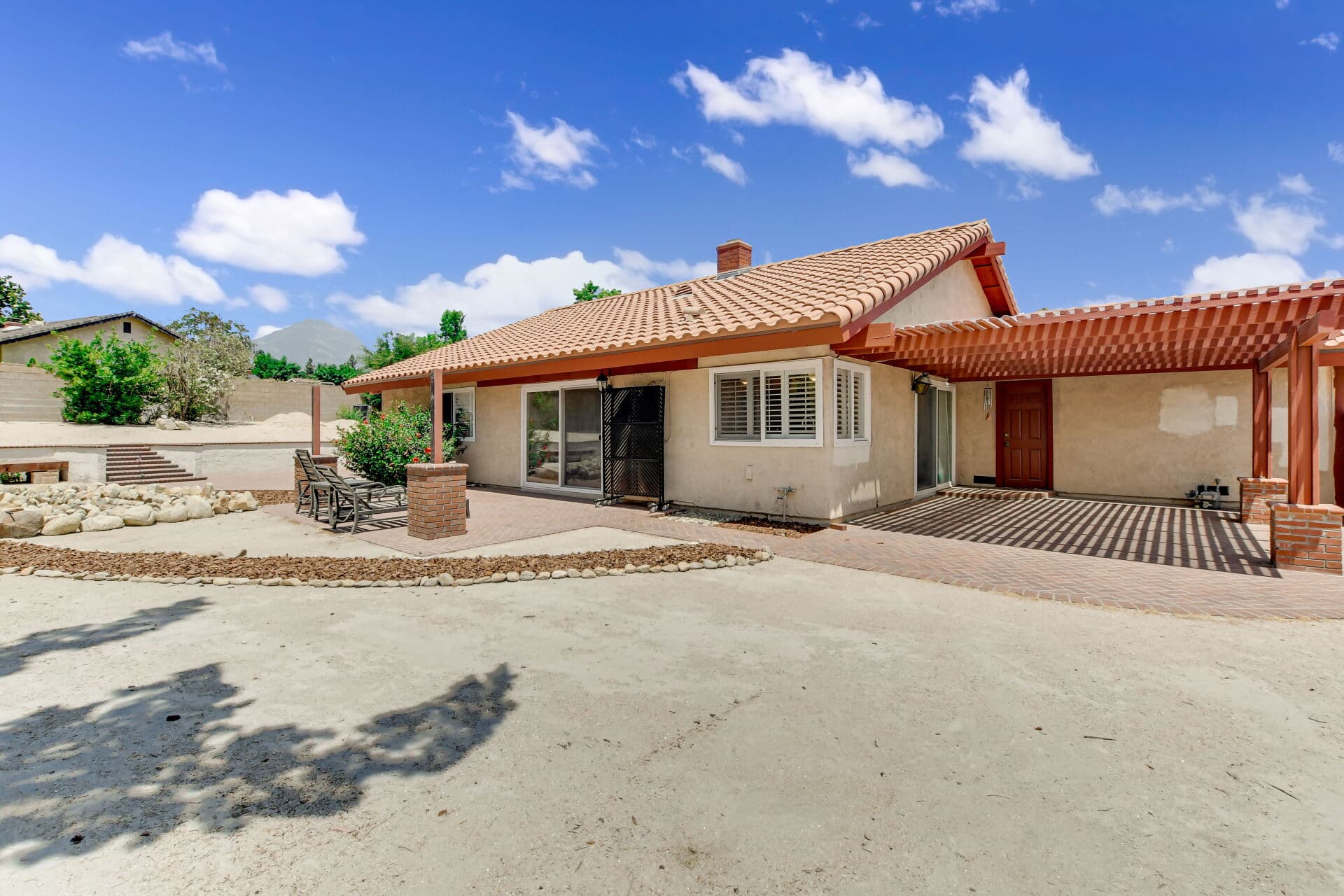
Low-maintenance outdoor space
A large lot is a pleasure and it is also a chore list. Consider what the yard asks of you in ten years, particularly with mature trees, which are wonderful and are a maintenance commitment.
The distance test, done honestly
Walk the route. Not a version of it, the actual route, at the actual hour, at the pace you actually walk.
Then ask three questions. Is there a continuous sidewalk. Are the crossings comfortable. Is there anywhere to sit if you need to stop.
That last one sounds minor and is not. A route with a bench halfway is usable at a much wider range of ages and conditions than the same route without one.
Also walk it in the heat, because a route that only works in mild weather is a route you will use for part of the year and drive for the rest.
Public transit and the honest version of it
Regional transit exists and options change over time. Anyone weighing it should check current routes, schedules, and any local services directly with the operating agencies rather than relying on a summary, because these details change and an out-of-date assumption is worse than none.
What is durable is the geometry. Being close to the walkable core means being close to wherever transit and services concentrate, whatever form they take in a given decade. That is the part worth buying.
Building the social side deliberately
Location gives you the opportunity. It does not spend it for you.
The residents who do this well tend to have a small number of fixed habits rather than a full calendar. One weekly place they always go. One route they always walk. One public gathering they attend most weeks without deciding to each time.
Consistency beats variety here. Being somewhere every week is what turns strangers into people who notice when you are not there, and that noticing is most of what a community actually is.
The town's long-standing institutions are useful for exactly this reason. They repeat, they draw a mixed crowd, and they require no organizing on your part.
If you are thinking about a future move
Two things worth saying plainly.
First, this decision is much easier to make early than late. Choosing a walkable location while you still have every option is a completely different experience from arranging a move under pressure.
Second, staying in the same town matters more than most people expect. Familiarity with a place, and being known in it, is itself a form of support, and it does not transfer. That is one reason so many households here move within Claremont rather than out of it.
Where to go next
For the town's public life across a year, start with the Claremont local events guide. If you are new to the area, events that introduce you to Claremont is the shortest path to meeting people. And for the practicalities on busier days, read the Claremont event parking cheat sheet.
Confirm transit routes and any local services with the operating agencies, and check the City of Claremont's own calendar for programs and dates.
Anthony Grynchal has been licensed in California since November 2009.
Frequently asked questions
How much does walkability really matter if I still drive?
It matters most later. The households that stay most connected are usually the ones who chose a walkable location years before they needed it, because the same distance produces far more contact on foot than by car.
What should I check in a house if I want to stay put long term?
Whether the home can function on one level, how many steps sit between the street and the front door, hallway and doorway widths, whether bathrooms could be modified without moving plumbing, and how much upkeep the yard will ask of you.
Where can I confirm transit options in Claremont?
Directly with the operating agencies. Routes, schedules, and local services change over time, so a live source is the only reliable one. What does not change is that proximity to the walkable core keeps you near wherever those services concentrate.
What is the simplest way to build a social routine here?
Pick one place you go every week and go every week. Consistency produces recognition far faster than variety does, and the town's long-running public institutions are useful because they repeat without requiring you to organize anything.

Written by
Anthony Grynchal
Anthony Grynchal is a California real estate professional with eXp Realty, licensed since November 2009 (California DRE# 01873626), and the Designated Local Expert™ for Claremont — where he has lived for more than 33 years.
More about AnthonyPublished · Updated