
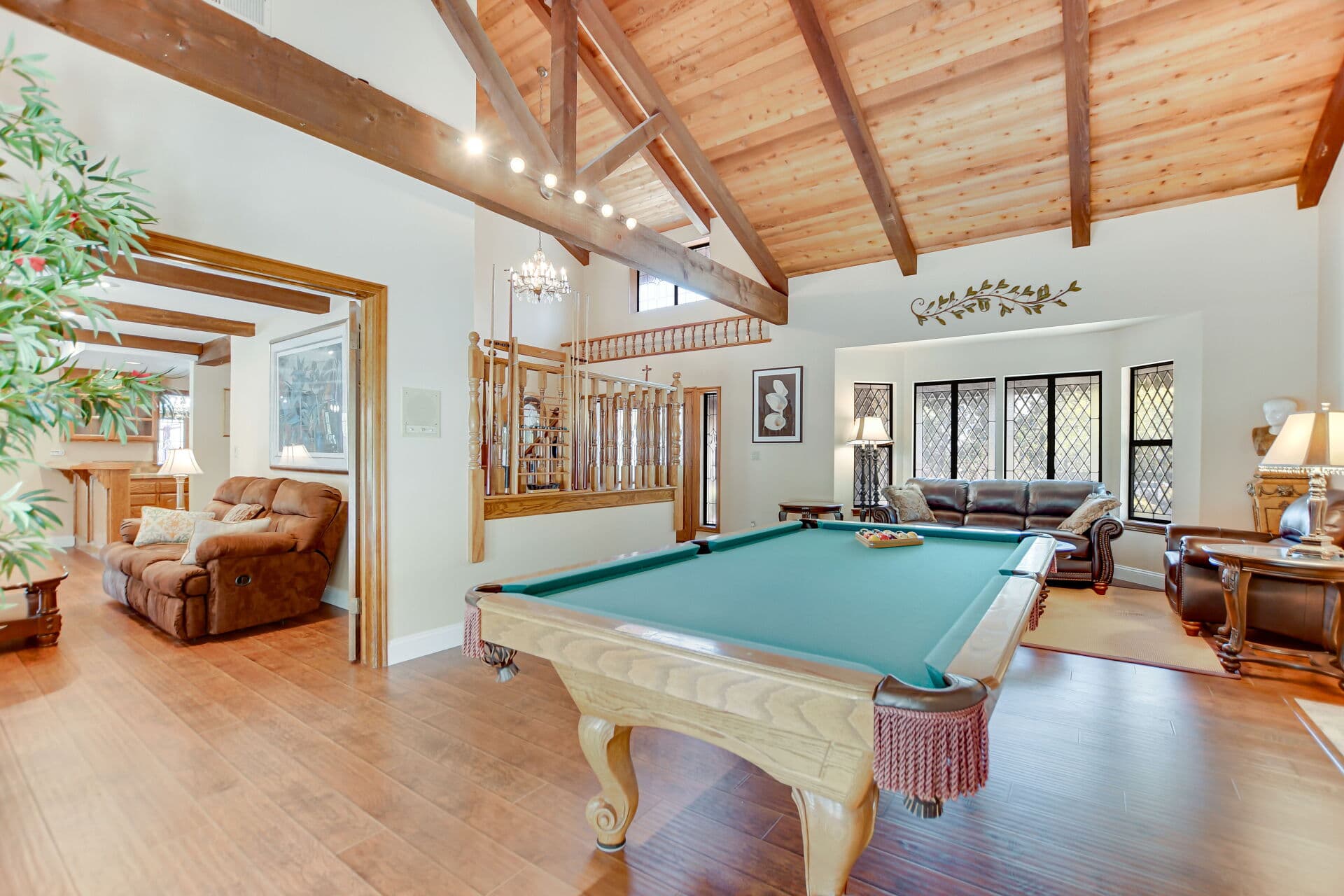
Luxury in Claremont does not announce itself. The town's most valuable homes hide in plain sight: estates set back behind mature oaks in the foothill neighborhoods, architect-designed houses on view lots you cannot read from the street, historic properties whose provenance matters more than their square footage. There is no gilded-gate culture here, no boulevard of mansions built to be seen. That reticence is the defining trait of this market's top tier, and it changes everything about how the tier works: how homes are found, how they are priced when nothing on the block compares, how they are shown to buyers who value privacy, and how they change hands, sometimes without ever appearing on the open market. This page is the map: what actually counts as luxury in Claremont, the culture of discretion that shapes it, and how buying and selling both change at the top.
I am Anthony Grynchal, Mr. Claremont, licensed in California since November 2009. Luxury work here rewards two qualities the volume end of the business never teaches: patience, because the right property or the right buyer may take seasons to appear, and discretion, because at this tier the clients who matter most are the ones you never hear about. What follows is how I actually think about the top of this market.
What counts as luxury in Claremont
Ask what price makes a Claremont home a luxury home and you are asking the wrong question. Price follows the attributes; it does not define them. What the top tier here actually trades on is a short list of things no remodel can add: land, in a town where large lots concentrate in a handful of neighborhoods and are never being made again; position, the hillside view, the trail edge, the quiet street that dead-ends into the foothills; provenance, the architect's name, the home's history, the century of care visible in the woodwork; and privacy, the setback, the screening, the sense that the property is a world of its own. A large new house on an ordinary street may carry a high price without ever being a luxury property in the sense this page means, and a modest-looking home on the right two acres may be one of the most significant properties in town. The geography of all this, which streets, which hillsides, which enclaves, is its own subject, mapped in Claremont's luxury neighborhood atlas; this page owns the process.
One more marker, easy to miss: restraint. Claremont's wealth is old-fashioned about visibility, college-town rather than resort-town, and the properties reflect it. Buyers arriving from markets where luxury means spectacle sometimes walk past the best house on the street because it declines to perform. Learning to read understatement is half of learning this market.
The quiet market: how estates change hands here
A meaningful share of Claremont's top-tier sales never look like sales. The owner of a significant property mentions to a trusted agent that the family might consider the right offer; the agent knows two buyers who have waited years for that street; a conversation happens, then an escrow, and the neighbors learn about it when the moving trucks arrive. This is the off-market culture, and it exists for honest reasons: sellers at this tier often prize privacy over exposure, do not want photography of their home circulating, and have no interest in strangers walking their rooms on a Sunday afternoon.
My honest read, having worked both sides of it: discretion is real value, but it has a cost, and the cost is price discovery. The open market is how a seller learns what the property is worth to the buyer who wants it most; a quiet sale samples only the buyers one network happens to hold. For some sellers that trade is exactly right, and for others it quietly leaves money in the room. The decision deserves to be made deliberately, with the trade-off stated plainly, not defaulted into because a neighbor did it that way. When a listing does go public at this tier, showings are often by appointment, and opens, when held at all, may be invite-only, a format covered in the Claremont open house guide.
Buying at the top: patience and deeper diligence
Who buys at this tier? The pattern is consistent and very Claremont: families connected to the Colleges, sometimes buying the town's character as much as a house; professionals trading inland from the coast's prices for more land and quieter streets; parents establishing a base near a student, with a longer plan attached; and long-time locals consolidating into the property they always wanted. Almost none of them are in a hurry, which shapes the whole market's temperament.
The luxury buyer's first adjustment is to the calendar. Inventory at this tier is thin in any year, and the specific property, the view, the acreage, the architecture, may surface rarely. The buyers who win here are positioned long before the property appears: funds or financing arranged, criteria genuinely understood, and a standing presence in the market so the quiet opportunities reach them. The second adjustment is diligence. Estates hide more than ordinary homes: pools and their equipment, guest houses and their permits, older wings behind newer remodels, hillside drainage, retaining walls, and the accumulated decisions of owners who had the means to customize extensively. The inspection phase should be built for the property, with specialty inspections where the general inspector's reach ends and enough contingency time to use them properly.
Valuation deserves its own preparation. Claremont's appraisal problem, a low-turnover market of one-of-a-kind homes, reaches its extreme at the top, where the last honestly comparable sale may be years old; how appraisals behave here and what to do when a number misses is covered in the Claremont appraisal guide. And the ownership-structure question, buying through a trust or an entity for privacy or planning reasons, is real at this tier and belongs with your attorney and tax advisor before the offer is written, not during escrow.
The financing-versus-cash question at this tier deserves a plainer treatment than it usually gets. Cash is real leverage in a negotiation, certainty and speed have value to sellers, but plenty of top-tier Claremont purchases are financed, and a well-structured loan with strong documentation competes honestly. What matters is that the money story is settled before the property appears: jumbo-scale lending carries its own underwriting rhythms and its own appetite for unusual properties, so the lender conversation belongs at the start of the search, not the middle of an escrow. Buyers weighing the two paths should decide from their whole financial picture with their advisors, not from negotiating folklore.
Selling a luxury home: pricing without perfect comps
Pricing at the top of Claremont is judgment work. The comparable-sales logic that anchors ordinary pricing strains when no two properties match: the recent sale down the hill has the view but no acreage, the estate that matches on land traded years ago in a different market, and the home's most valuable traits, provenance, privacy, the specific quality of its site, resist the spreadsheet entirely. The discipline that works is building the price from the market's actual evidence, read block by block with local fluency, then testing it against the behavior of real buyers in the first weeks of exposure. The logic of what drives value here lives in the Claremont home values guide. What overpricing costs at this tier is quiet but real: the property sits, the market notices the sitting, and the eventual conversation is harder than the honest first one would have been.
Marketing at this tier is storytelling with documentation. The buyers for a significant Claremont property are few, specific, and often not local, which means the presentation, the photography and film, the researched story of the home, has to travel: to the college-connected families who already know the town, to buyers priced out of the more famous luxury markets nearby, to the quiet network of people who have wanted a particular street for a decade. The mechanics of a listing done well, preparation through close, are mapped in the Claremont selling guide; the luxury difference is that every element is built for a smaller, more discerning audience, and some of the most effective exposure never touches a public portal at all.
The deal itself: slower, quieter, more custom
Top-tier transactions in Claremont move differently. There are usually fewer parties at the table and more terms genuinely in play: timing that accommodates a seller's next move, personal property negotiated with the house, leasebacks, and contingency structures shaped to the property rather than taken off the shelf. Escrow tends to run longer and carry more custom instructions, and the mechanics of that process, who holds what and what gets signed when, are walked through in the Claremont escrow guide. Privacy runs through all of it: at this tier the parties often care as much about how the sale is conducted as about what it closes at, and a transaction managed with that understanding keeps everyone's confidence intact.
If you own one of Claremont's significant properties, or have been waiting years for one, call me at (909) 731-5374 for a private luxury consultation. It is a conversation, not a pitch: what your property would honestly command, or what it would take to be first in line for the street you want, said plainly and kept between us.
Frequently asked questions
What makes a home a luxury home in Claremont?
Not a price threshold. In Claremont the top tier is defined by attributes no remodel can add: significant land, position such as hillside views or streets that end at the foothills, architectural provenance and history, and genuine privacy. Price follows those traits rather than defining them. Claremont's luxury character is also distinctly understated, college-town rather than resort-town, so the most significant properties often read quietly from the street.
Do luxury homes in Claremont sell off-market?
Some do. Claremont has a real off-market culture at the top tier: significant properties sometimes change hands through agent networks and quiet conversations, without public listings, because sellers prize privacy over exposure. The honest trade-off is price discovery: a quiet sale samples only the buyers one network holds, while the open market finds the buyer who wants the property most. Whether discretion or exposure serves a particular seller better is a deliberate decision, not a default.
Why is pricing a luxury home in Claremont difficult?
Because comparable sales barely exist. Claremont's top tier is a low-turnover market of one-of-a-kind properties, so the recent sale nearby may match on view but not land, and the property that matches on land may have traded years ago in a different market. Pricing becomes judgment work: building the number from the market's actual evidence with local fluency, then testing it against real buyer behavior in the first weeks of exposure and adjusting honestly.
How is buying a luxury home in Claremont different?
Mostly in calendar and depth. Inventory at the top is thin, so prepared buyers position themselves before the right property appears: funds arranged, criteria clear, and a presence in the market so quiet opportunities reach them. Diligence also runs deeper, because estates carry more to inspect, pools, guest houses, hillside drainage, extensive customization, and the appraisal question is hardest where no comparable sale exists. Ownership-structure decisions, such as buying through a trust, belong with your advisors before the offer.

Written by
Anthony Grynchal
Anthony Grynchal is a California real estate professional with eXp Realty, licensed since November 2009 (California DRE# 01873626), and the Designated Local Expert™ for Claremont — where he has lived for more than 33 years.
More about AnthonyPublished · Updated