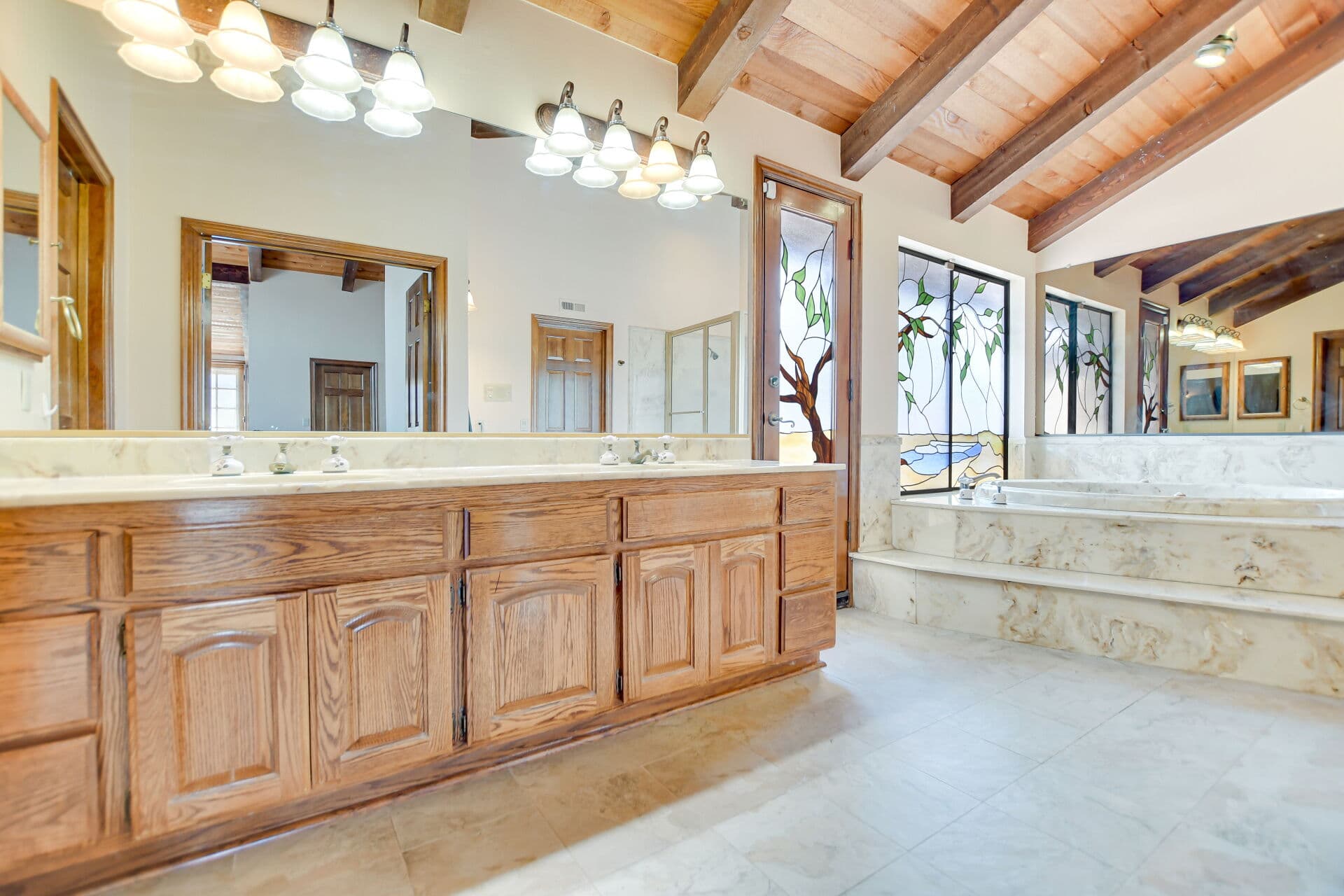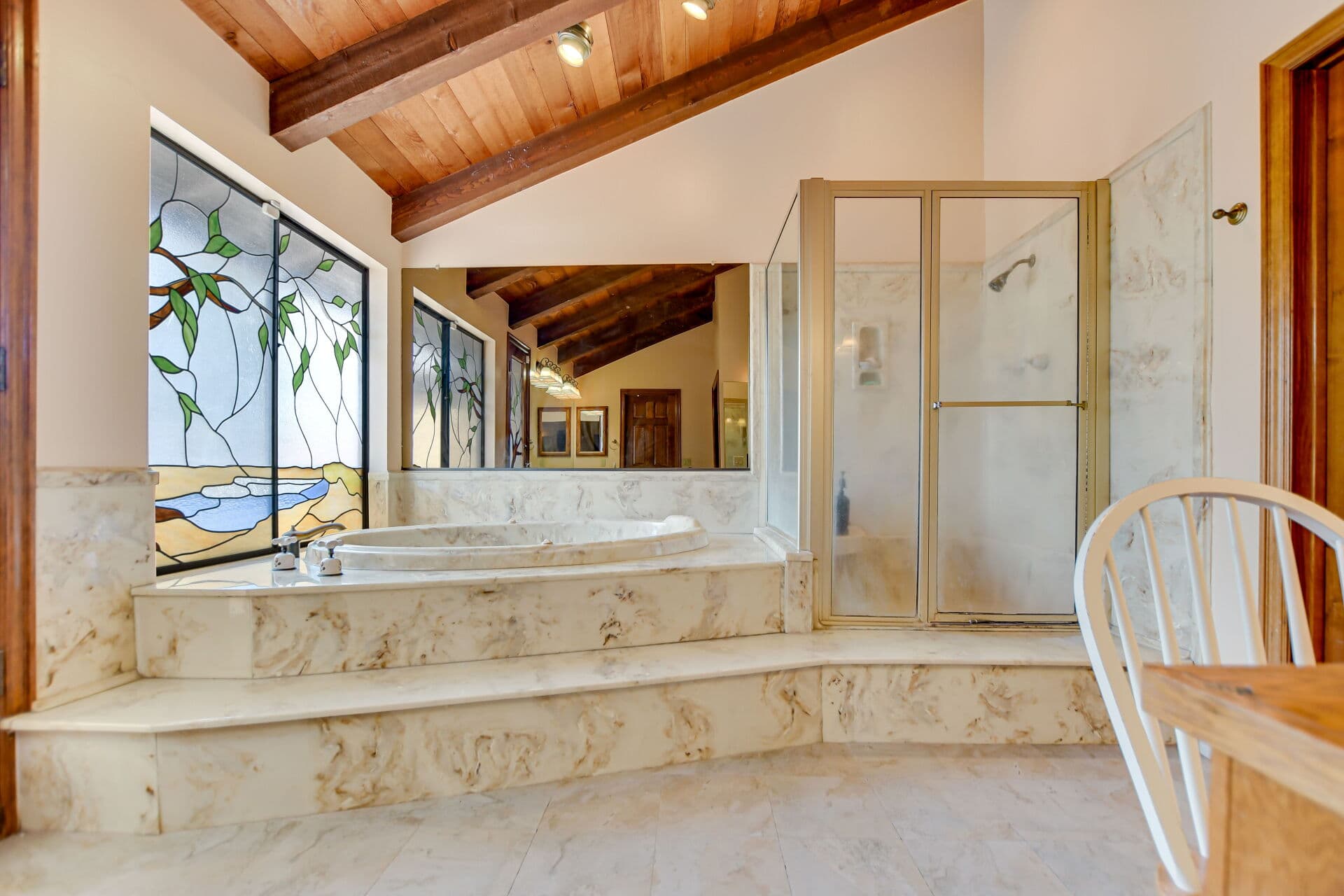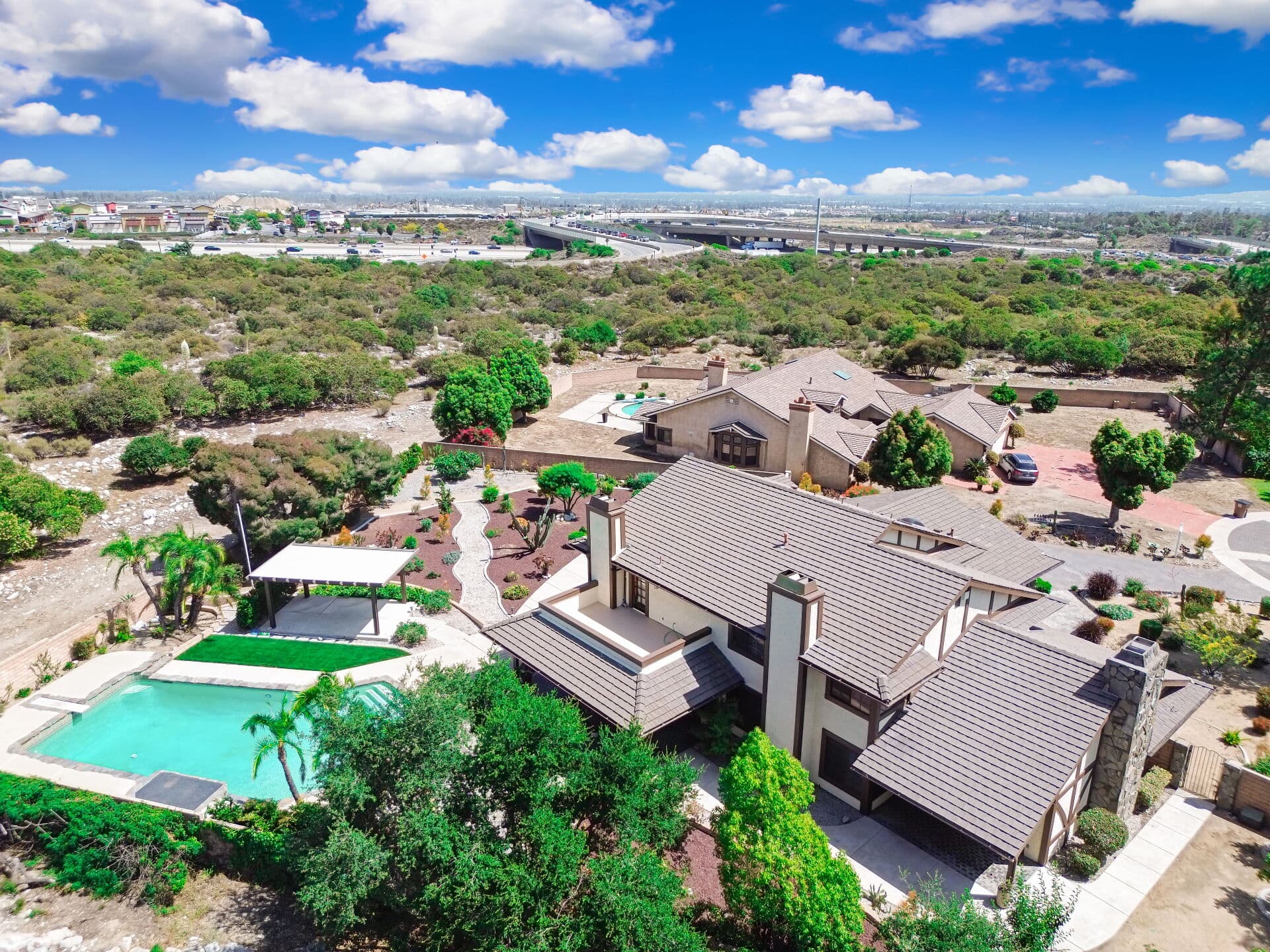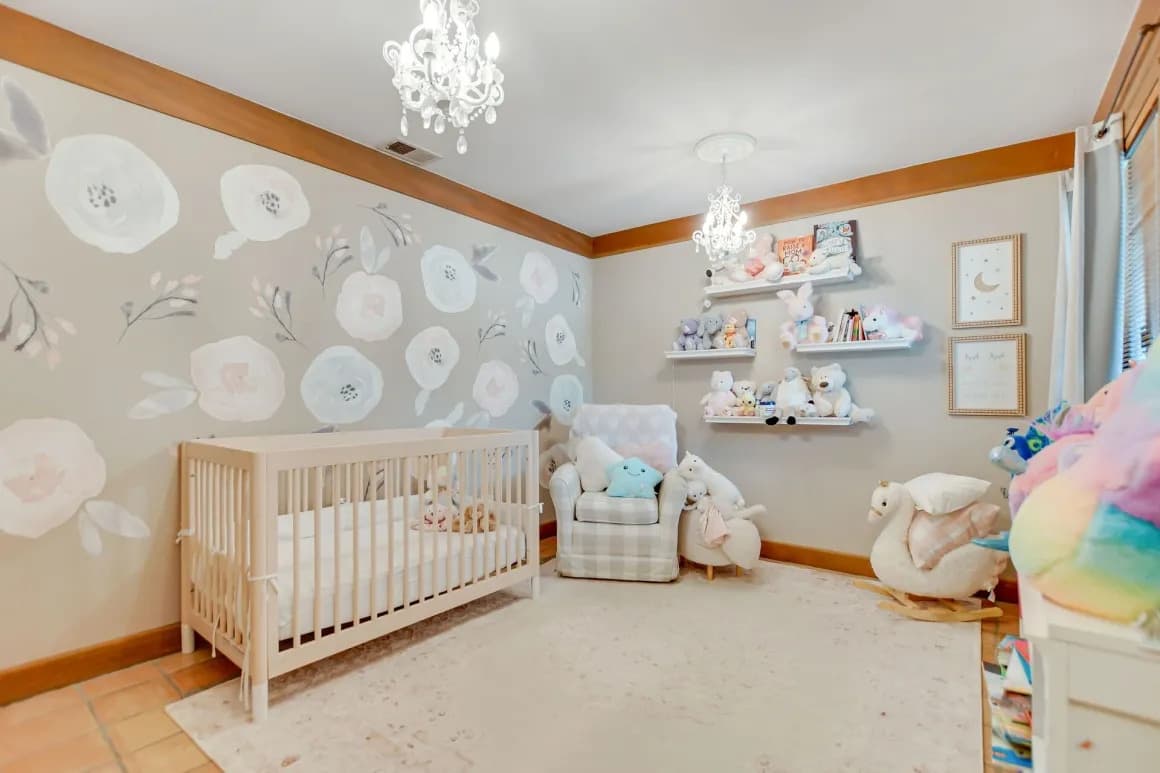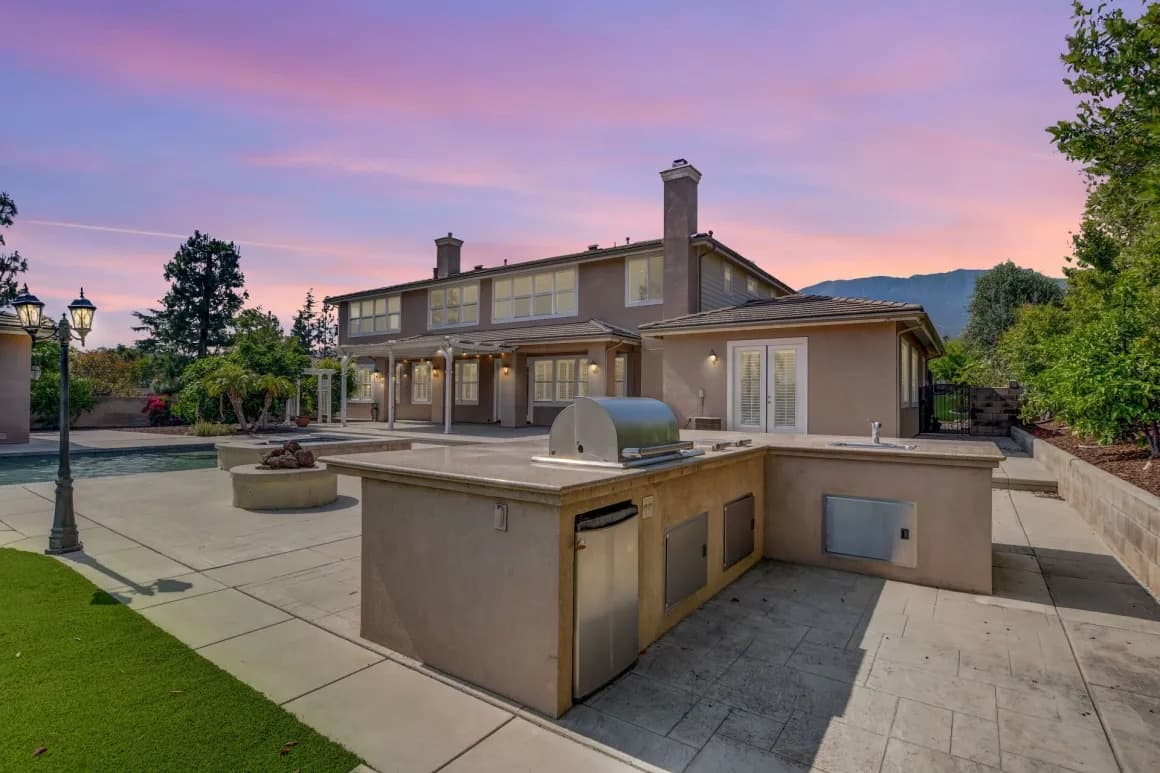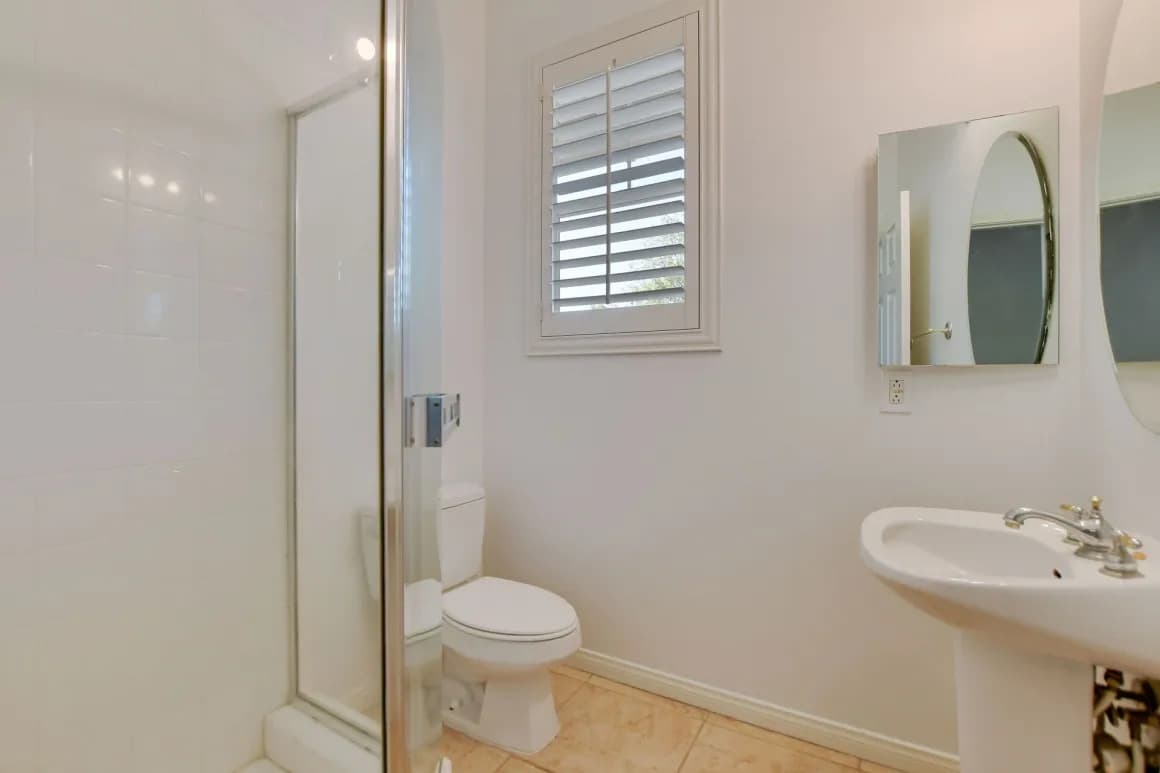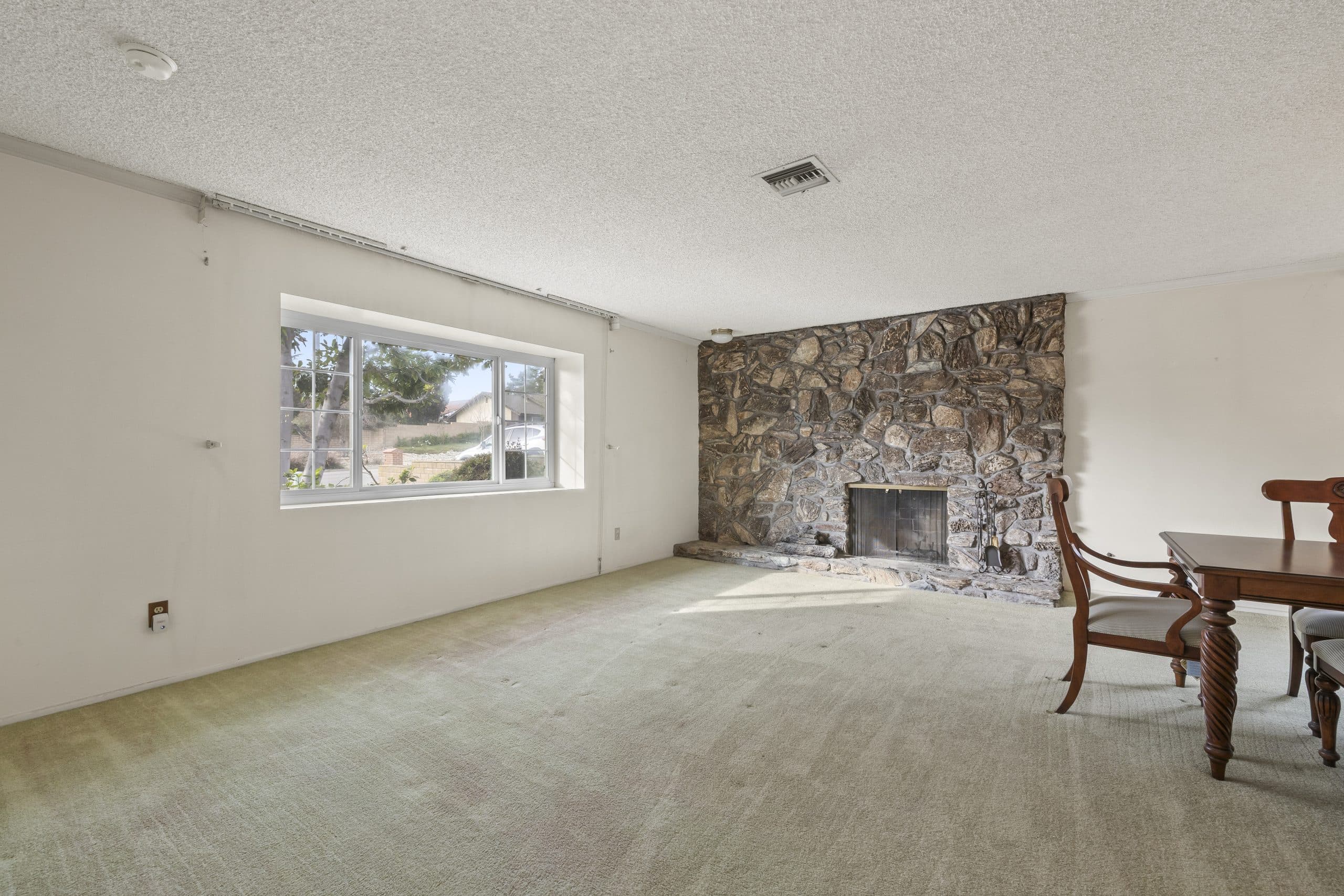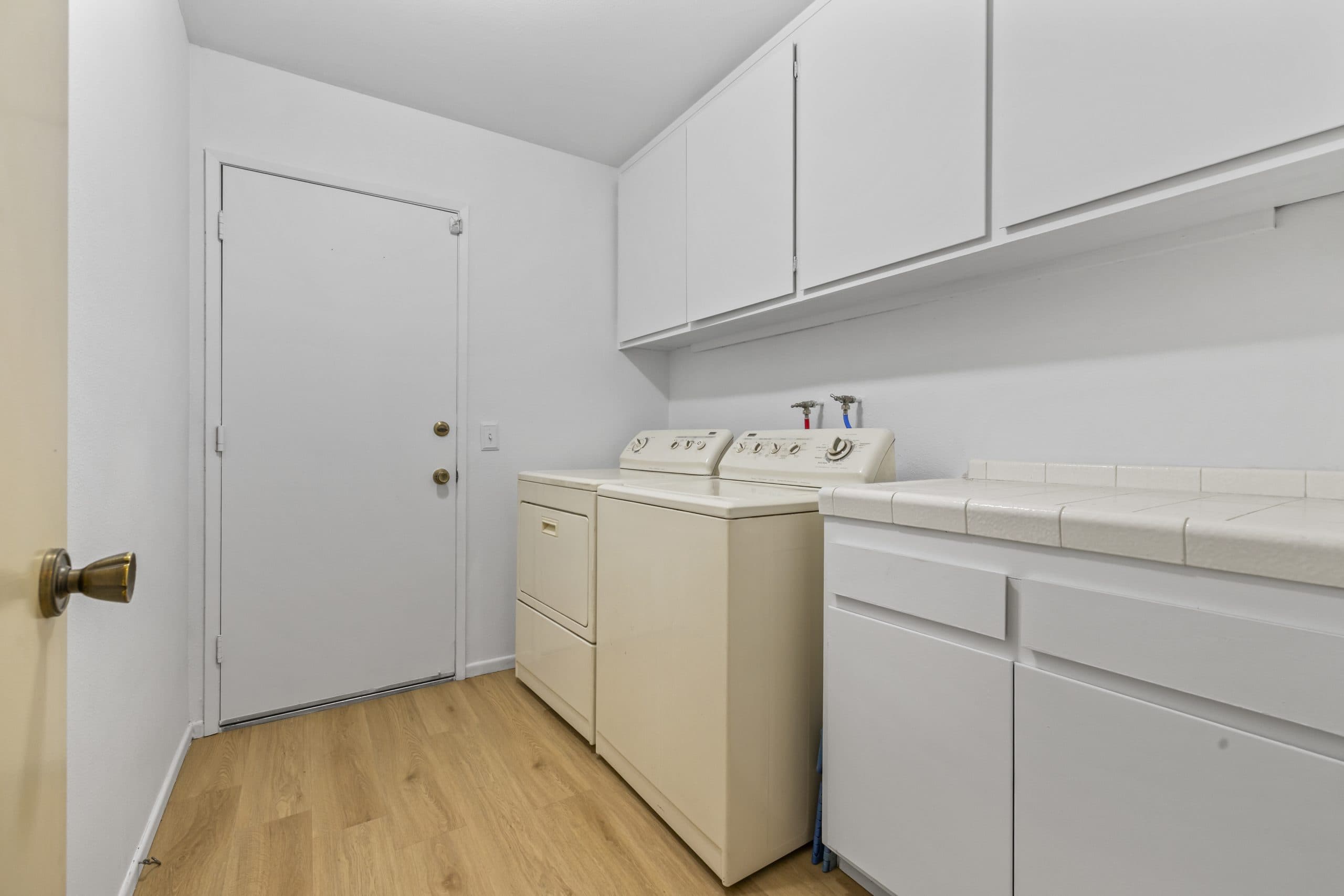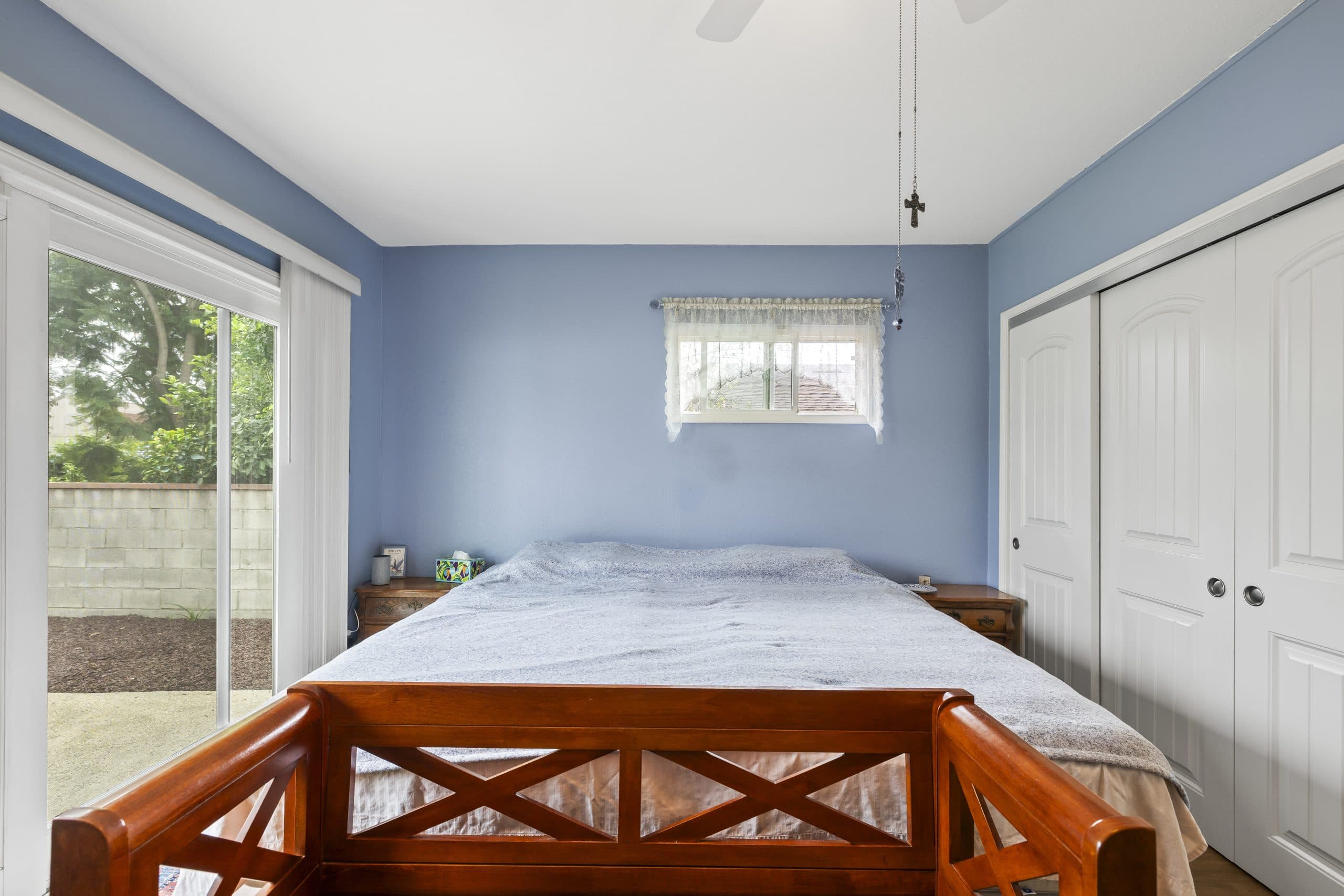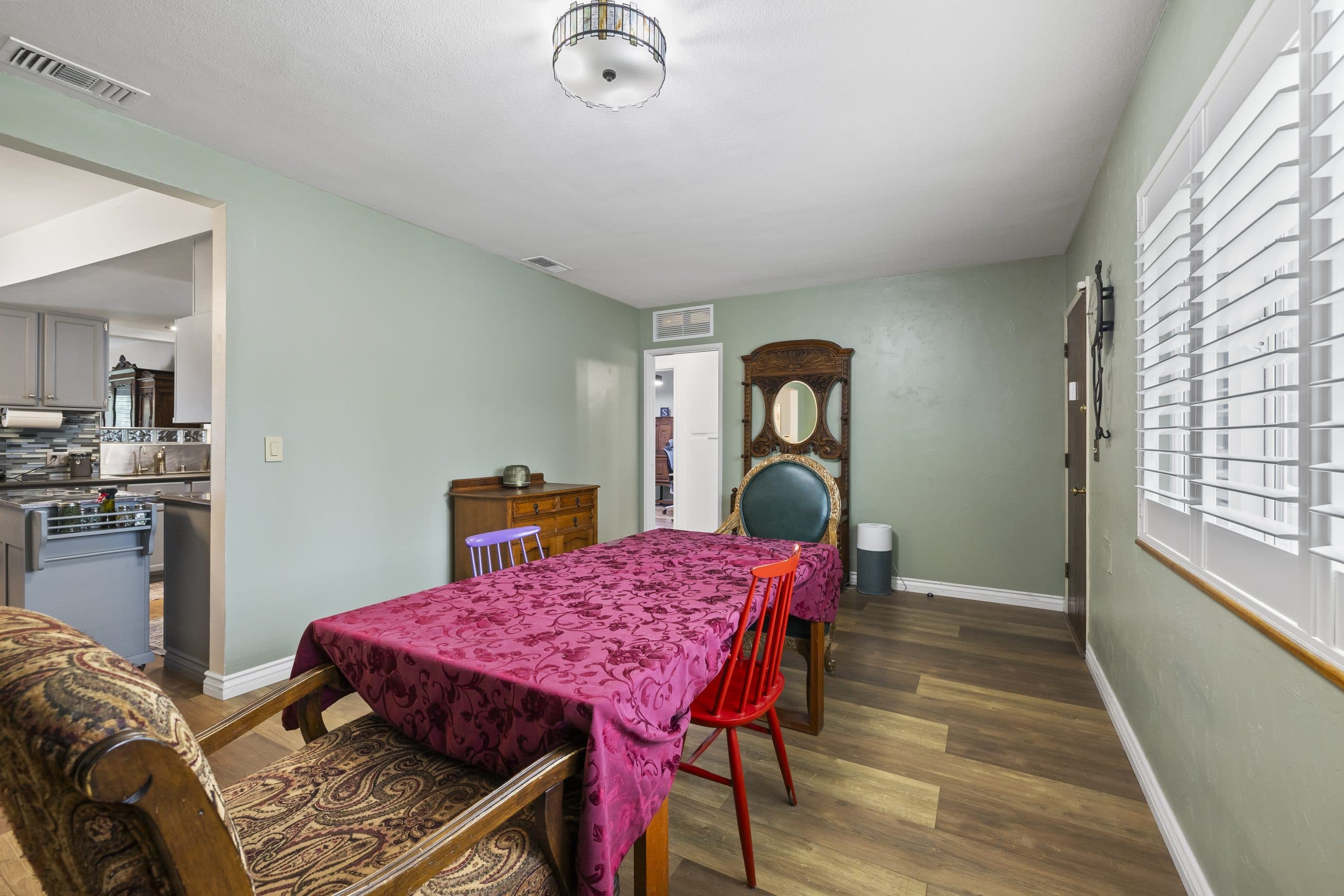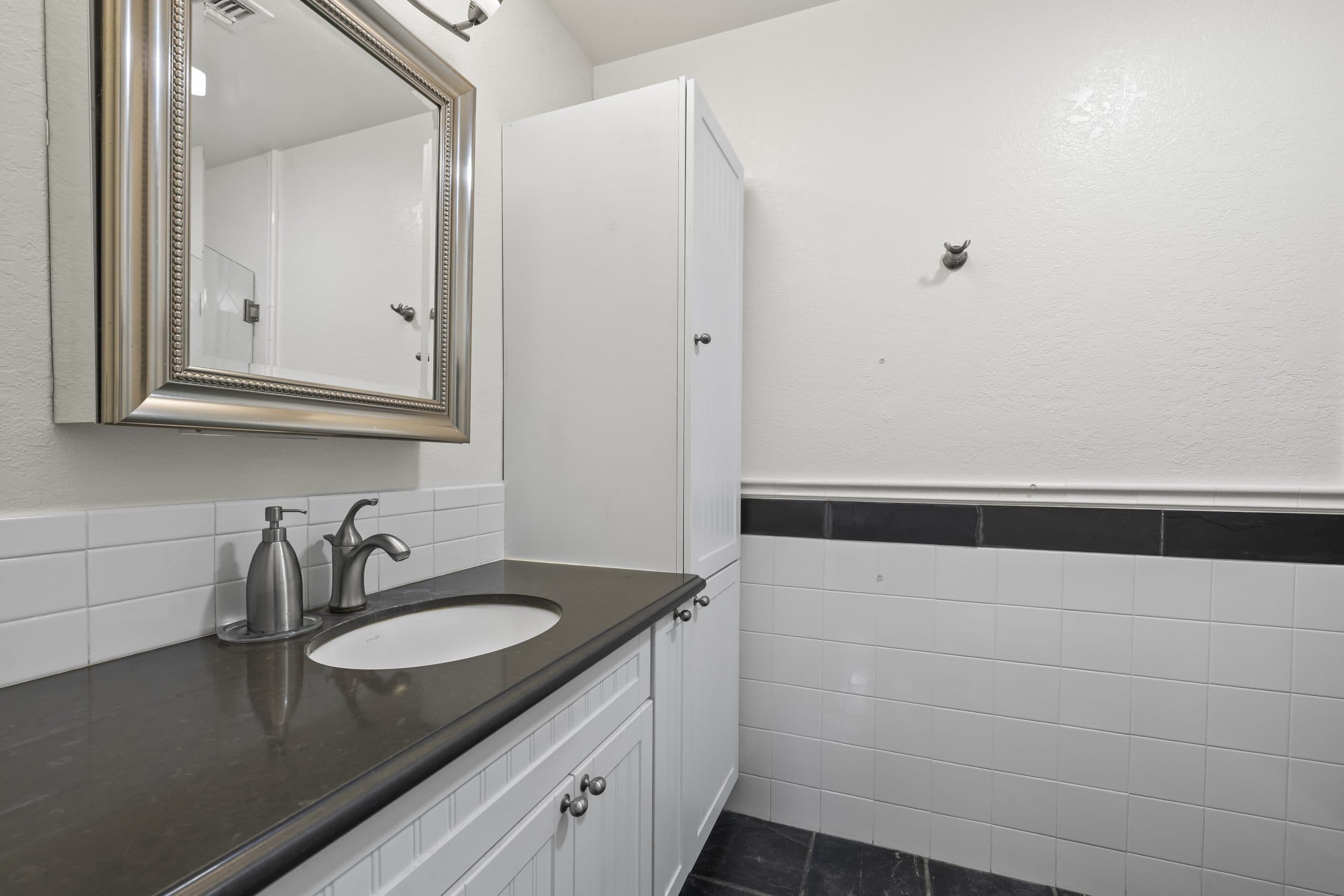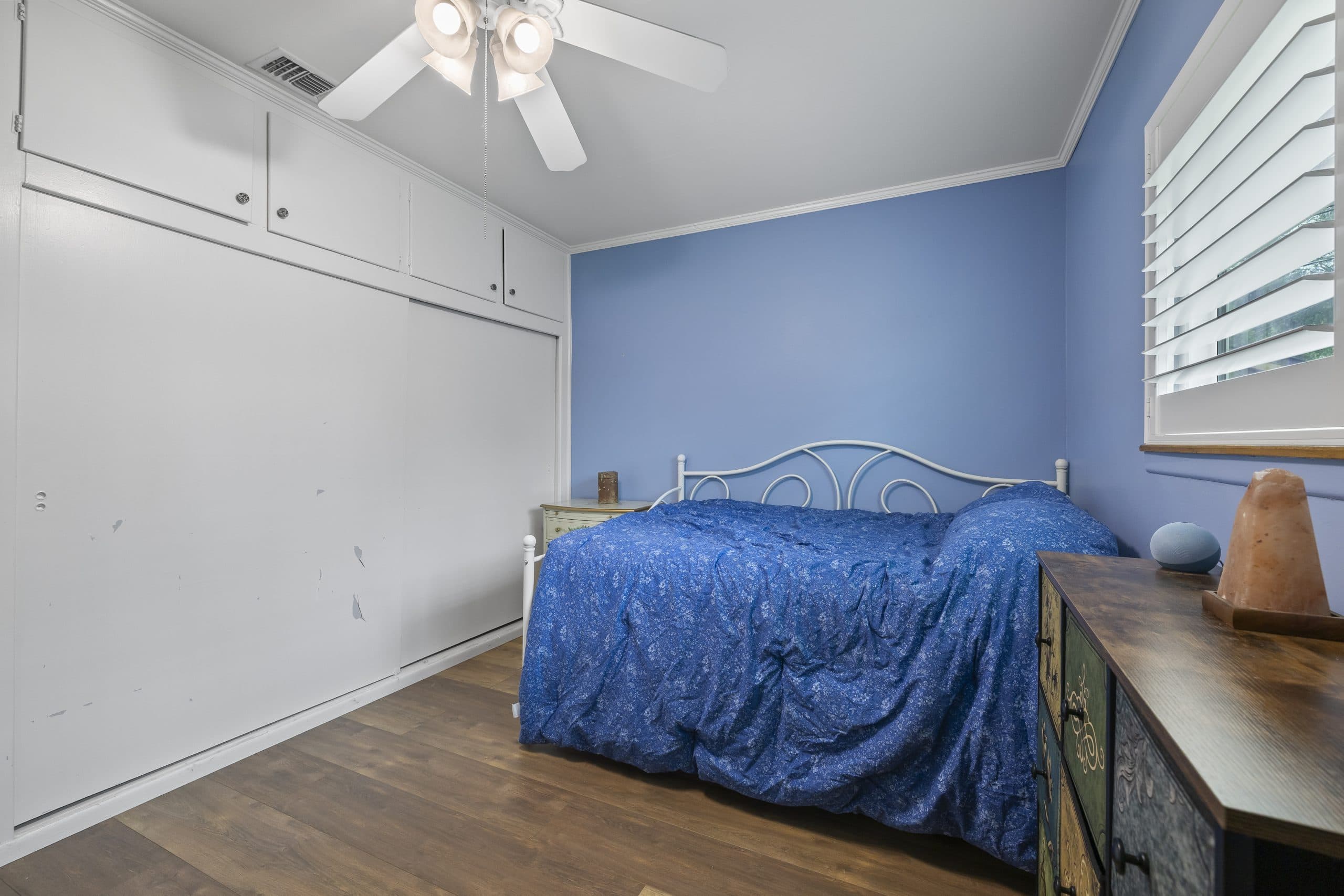
Selling a home in Claremont is a different exercise from selling one almost anywhere else in Los Angeles County. This is a small, built-out college town where buyers shop by street, by school boundary, and by tree canopy, and where two houses with the same square footage can be valued very differently because one sits a short walk from the Village and the other backs up to a busy stretch of Foothill Boulevard. The sellers who do well here are the ones who respect that specificity: they price to the block, prepare the house for the buyer Claremont actually attracts, and run the California paperwork cleanly from listing day to the moment the deed records with Los Angeles County.
This guide is the hub for the whole journey. It walks the full arc in order: understanding your value, choosing how to sell, timing, preparation, pricing and marketing, offers and disclosures, and finally escrow and closing. Where a topic deserves its own deep dive, I link to it so you can go as far down as your situation requires.
A word on who is writing: I am Anthony Grynchal, known around town as Mr. Claremont. I have been licensed in California since November 2009, and I live and work in this city, which is why this guide talks about Towne Ranch and Claraboya rather than generic advice with a city name pasted in.
Step one: learn what your home is actually worth
Everything downstream of price is easier when the price is right, and in Claremont the honest answer is hyper-local. The value of your home is shaped by which neighborhood it sits in, whether the street carries mature canopy, how the lot lives, what condition the systems are in, and, in the north, whether there is a view. A remodeled mid-century in Towne Ranch, a Craftsman-era home near the Village, and a hillside house in Claraboya are three different markets that happen to share a zip code.
Automated estimates struggle here for exactly that reason: the algorithm cannot see the difference between a street with fifty-year-old camphors and one without, or between a home inside a coveted school boundary and one just outside it. I unpack the mechanics in the Claremont home values hub, and if you want a number for your own property, start with a free professional home valuation rather than a screen scrape.
Step two: decide how you want to sell
Most Claremont sellers net the most by preparing the home and listing it on the open market, because this city has deep, persistent buyer demand and thin supply. But the open market is not the only door. If you are settling an estate, facing a relocation deadline, or holding a property with deferred maintenance you have no appetite to manage, a cash sale trades some proceeds for speed and certainty. That trade is legitimate when it is priced honestly and dangerous when it is not, which is why I wrote a full, plain-spoken guide to cash offers in Claremont. Read it before you respond to the yellow signs and the unsolicited postcards; the difference between a credible local buyer and a lead farm is easy to spot once you know what to ask for.
Step three: pick your window
Claremont has a seasonal rhythm, and it is tied to families and the academic calendar more than to weather. Competition among buyers concentrates in spring, when households aim to move between school years, and a second, quieter window opens in early fall once vacations end. Winter is slower but not dead: the buyers touring in December tend to be serious, and well-priced homes attract attention in any month. The right window for you also depends on where the market is in its cycle, which shifts year to year. Before you commit to a date, read the current Claremont market report and let the data, not a rule of thumb, set the plan.
One local wrinkle worth naming: because so many Claremont buyers are anchored to the school calendar and to the Claremont Colleges' hiring cycles, listing timing here rewards planning a season ahead. Sellers who call me in January for a May listing consistently have an easier run than sellers who decide in May to list in May.
Step four: prepare the home for the buyer Claremont attracts
Many Claremont sellers have owned their homes for decades, and the most common mistake I see is over-correcting: gutting character to chase a trend, or spending months on a renovation the market would have paid for anyway. Claremont buyers are, as a group, unusually literate about houses. They notice original wood windows, real hardwood under carpet, and honest mid-century lines, and they will forgive dated cosmetics far more readily than they forgive bad flips.
Preparation that reliably earns its keep here:
- Deep cleaning, decluttering, and paint in calm, current neutrals.
- Refinishing floors rather than replacing them where the wood is good.
- Curb appeal that works with the canopy: trimmed trees, healthy planting beds, a clean approach to the front door.
- Servicing the systems buyers will inspect anyway: roof, HVAC, water heater, drainage.
- Gathering paperwork early: permits, warranties, and records for any additions or upgrades.
What usually does not pay is a rushed kitchen or bath remodel done to a builder-grade standard. If the house is genuinely tired, price it honestly or consider the as-is routes discussed above; do not spend a season becoming a mediocre general contractor.
Step five: price it and take it to market
Your listing will go live on the CRMLS, the regional multiple listing service that feeds every major portal, and the first days on market are when attention peaks. That is the entire argument for pricing correctly out of the gate: an accurately priced Claremont home meets its buyers while interest is highest, and a well-priced home in a tight market often attracts more than one offer. An overpriced home spends that attention window teaching the market to wait, and the eventual correction tends to cost more than the premium the seller hoped to capture.
Marketing here is craft, not volume. Photography has to be timed for the light, because Claremont's canopy that makes the street beautiful can also make interiors read dark at the wrong hour. A floor plan matters, because so much of this housing stock is mid-century and buyers want to understand flow before they drive over. And the launch should be orchestrated: photography complete, disclosures ready, and the first showings and open house landing while the listing is new.
Step six: offers, disclosures, and the California paperwork
When offers arrive, price is only the headline. The terms underneath decide how safely you get to closing: the size of the deposit, how the purchase is financed, whether the buyer needs to sell another home, and the contingency timelines. California's standard purchase agreement gives buyers a default seventeen-day investigation window unless the parties agree otherwise, with appraisal and loan contingencies running on their own clocks. Shorter, realistic timelines from a well-prepared buyer are often worth more than a slightly higher number from a shaky one. If you are fortunate enough to field multiple offers, resist the urge to simply take the top line; counter to firm up terms and keep a backup in hand.
California is a disclosure state, and Claremont sellers should embrace that rather than fear it. You will complete the Transfer Disclosure Statement and the Seller Property Questionnaire, and the buyer will receive a natural hazard disclosure report; in northern Claremont, near the foothills, that report will speak to fire hazard severity zones, which buyers and their insurers read closely. Disclose early and completely. In my experience, a document delivered on day two builds trust, and the same document discovered in week four kills escrows.
Step seven: escrow to closing
Southern California closes through neutral escrow companies rather than attorneys. Once you accept an offer, escrow opens, the buyer wires the earnest money deposit, and the clock starts on inspections, the appraisal, and loan approval. Expect a request for repairs after inspections; treat it as a negotiation over credits and priorities, not a moral referendum on your housekeeping. Contingencies are removed in writing on standard California forms, and until they are removed the buyer retains defined exits, so your agent's job is to keep every deadline visible and enforced.
Closing itself is quietly bureaucratic and very final: when the grant deed records with the Los Angeles County Registrar-Recorder, the sale is done, the proceeds are disbursed, and the keys change hands. Taxes and other charges are prorated through escrow, and the county handles the reassessment paperwork that follows the sale. Most Claremont escrows run about a month to six weeks from acceptance to recording, longer if the financing or the property is complicated.
The short version, and where to start
Sell the Claremont way: learn your real value first, choose the selling path that fits your situation, pick your window with current data, prepare with restraint, price to the block, disclose early, and run escrow on a tight calendar. If you want a deeper answer to almost any question along the way, the Claremont real estate FAQ is the fastest place to look. And when you are ready to talk about your own house, call me at (909) 731-5374 or request a valuation; the first conversation costs nothing and usually saves sellers a great deal.
Frequently asked questions
Do I need to renovate my Claremont home before selling?
Usually not. Claremont buyers respond well to clean, honest homes with original character, so deep cleaning, paint, floor refinishing, and curb appeal typically earn more than a rushed remodel. Save major renovation decisions for a conversation about your specific house and street, because the answer genuinely varies by neighborhood and condition.
What disclosures does California require when selling a home?
California sellers complete the Transfer Disclosure Statement and Seller Property Questionnaire, and buyers receive a natural hazard disclosure report covering items like fire hazard severity zones, which matter near Claremont's foothills. The safest practice is to disclose everything you know, early, in writing. Complete early disclosure builds buyer trust and protects you after closing.
How long does it take to sell a house in Claremont?
Plan in two phases: preparation and marketing time before you accept an offer, then escrow afterward. Escrow in Southern California commonly runs about a month to six weeks from acceptance until the deed records with Los Angeles County. Total timelines vary with the season, the price point, and how the home is prepared and priced.
When is the best time to list a home in Claremont?
Buyer competition concentrates in spring, driven by families moving between school years, with a second window in early fall. Well-priced homes attract serious buyers in every season, so your personal timeline matters as much as the calendar. Check the current Claremont market report before committing to a date.