A hillside address is a set of daily logistics that a flat address does not have. Most of them are minor. A few of them are not, and the difference shows up on the worst possible day rather than on a Sunday tour. This page is about reading the access to an upper Claremont property honestly, before you own it.
The wider prestige map is in the Claremont luxury neighborhoods guide.
Grade is the first thing to measure with your feet
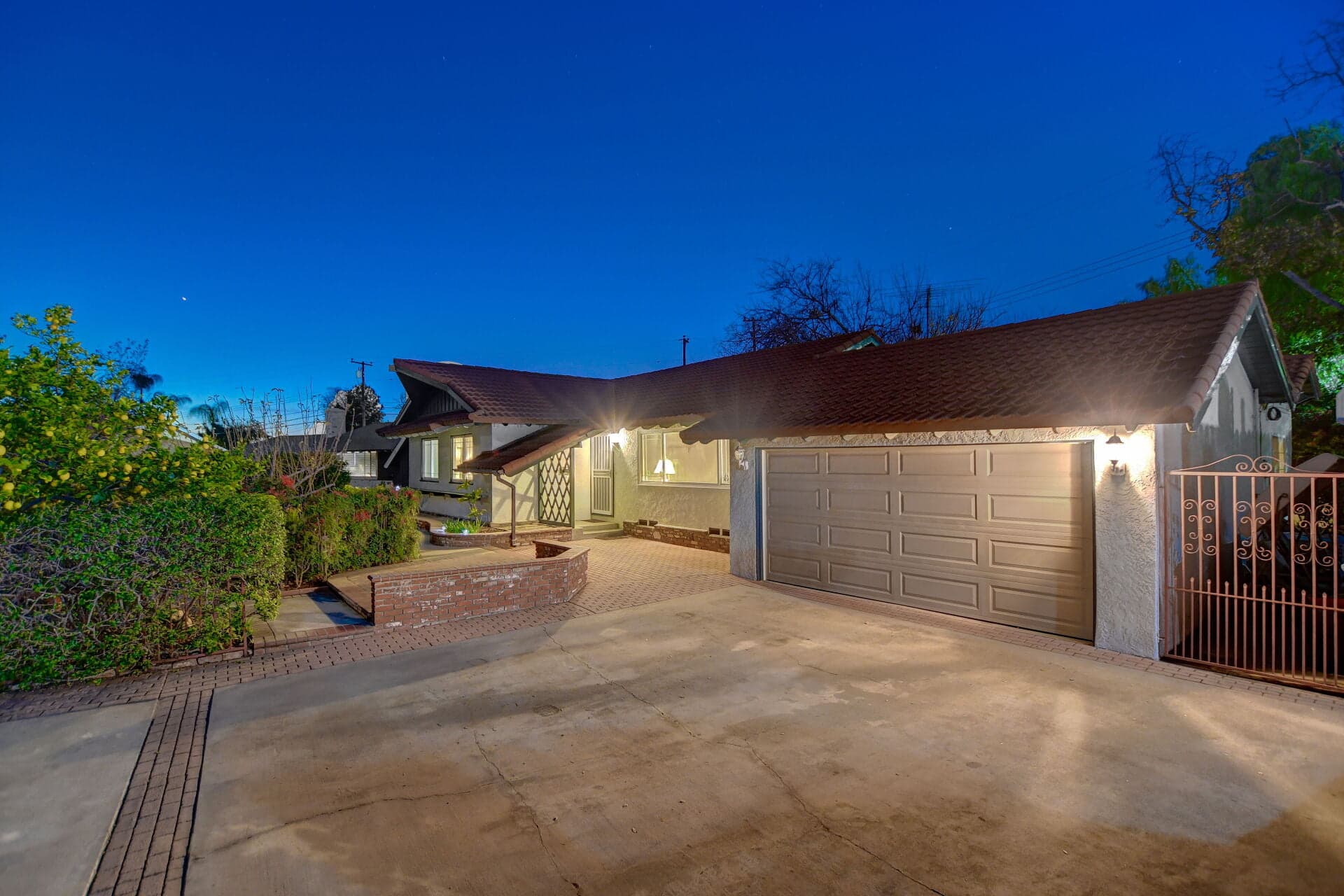
Photographs flatten slope. A driveway that reads as a gentle rise in a listing photo can be steep enough that a low car scrapes at the apron and a delivery driver parks at the curb instead. Walk it. Drive it in the car you actually own. Do it once when the pavement is wet.
Look for the transitions rather than the average. The break where a steep drive meets a level garage floor is where vehicles bottom out, and it is a fixed geometry that no amount of care changes.
Then look at the street itself. Grade affects braking, it affects how debris moves after weather, and it affects how a moving truck or a concrete delivery reaches the site if you ever build.
Turning room and the vehicles that need it
The vehicles that matter are not yours. They are the fire apparatus, the ambulance, the moving van, the tree crew, and the utility truck. Each needs width, a turning radius, and somewhere to turn around at the end of a dead end.
The standards that apply are set by the fire authority with jurisdiction and the city, and they are specific to the street and sometimes to the parcel. They also get revised. So the useful step is to ask, for the specific address, whether access meets current requirements and what would be required if the house were substantially remodeled or rebuilt. That last question matters enormously for anyone buying with plans.
Where the street is privately maintained, the width and turnaround are the owners' responsibility as well, which puts them into the maintenance agreement. That document, and what it should say, is covered in the private road guide.
A second way out
Ask whether the street has one route in and out, or two. A single-access street is not disqualifying and plenty of desirable streets have exactly that arrangement. But it changes how you plan, and it is a question a buyer should ask deliberately rather than discover.
Where there is only one route, ask what the plan is if it is blocked. Ask the neighbors what has happened historically. Ask whether there is an alternate emergency route, how it is controlled, and how it is kept clear.
This is not an abstract concern in the foothills of this county. The broader risk conversation is in the wildfire reality check, and access is the part of it that a buyer can evaluate directly with a car and an afternoon.
Parking, and the thing nobody mentions
Steep streets are often narrow streets. Narrow streets often have parking restrictions, sometimes for access reasons rather than convenience. Ask what the rules are and whether they are enforced, because the answer determines whether you can have eight people over without a problem.
Guest parking is a real constraint on hillside entertaining and it is one of the few practical disadvantages of these streets relative to the flatter estate pockets described in the large-lot guide.
Utilities, deliveries, and daily friction
Water pressure varies with elevation and with the system serving the address. Ask, and if the property has irrigation across a large landscape, ask again with that load in mind.
Deliveries and services occasionally decline steep or narrow access, or charge for it. Trash collection may work differently. None of these is a reason not to buy; all of them are reasons to know.
What it means for a seller
If your street handles all of this well, say so specifically. Two ways out, adequate width, a turnaround, a drive that a normal car takes without ceremony: these are ordinary-sounding facts that an experienced buyer at this level is actively checking, and volunteering them shortens the inspection period.
If the access is genuinely tight, the worst approach is to hope nobody notices. Buyers notice on the second visit. The better approach is to have the information ready, including what the city and fire authority say about the current condition, so the conversation is about a known fact rather than a discovery.
Weather, and what a slope does with it
Water moves downhill and takes material with it. On an upper street this shows up as debris in the gutter line, silt at the base of a driveway, and occasionally a slope that sheds more than it should. None of it is exotic and all of it is manageable, but it is ongoing work rather than a one-time repair.
Ask where the runoff from the street and from the parcels above actually goes, and whether it crosses the property you are buying. A drainage course running through a parcel is a real feature with real obligations, and it is usually visible on the ground if you walk the boundary after rain.
Ask what the winter routine looks like: gutter clearing, drain inspection, checking the culvert if there is one. Owners who have been on the street a while will tell you plainly.
The rebuild question
Anyone buying a hillside house with the intention of a substantial remodel should ask the access question before writing an offer, not after. Access, grading, and hillside standards can turn a simple plan into a long one, and those answers come from the City of Claremont for the specific parcel. A property that is entirely fine to live in as it stands can be difficult to significantly enlarge, and the gap between those two facts is where budgets go wrong.
Where to go next
For the terrain bands that create these conditions, see the foothill tier guide, and for the wider setting see the North Claremont neighborhood page. Anthony Grynchal has been licensed in California since November 2009.
Frequently asked questions
How steep is too steep for a Claremont driveway?
There is no single number that answers it for a buyer, because the standards depend on the jurisdiction and the transitions matter as much as the average grade. Drive it in your own vehicle, check where the drive meets the garage floor, and ask the city what applies if you plan to rebuild.
Does a single-access hillside street affect insurance?
Access and location can both factor into what carriers offer in foothill areas, and requirements change. The only reliable answer comes from a carrier quoting the specific address rather than from a general rule.
What should I ask the fire authority about a hillside address?
Ask whether the street and driveway meet current access requirements, whether there is a turnaround where needed, and what would be required if the house were substantially remodeled or rebuilt. Ask about the specific parcel, not the neighborhood.

Written by
Anthony Grynchal
Anthony Grynchal is a California real estate professional with eXp Realty, licensed since November 2009 (California DRE# 01873626), and the Designated Local Expert™ for Claremont — where he has lived for more than 33 years.
More about AnthonyPublished · Updated