
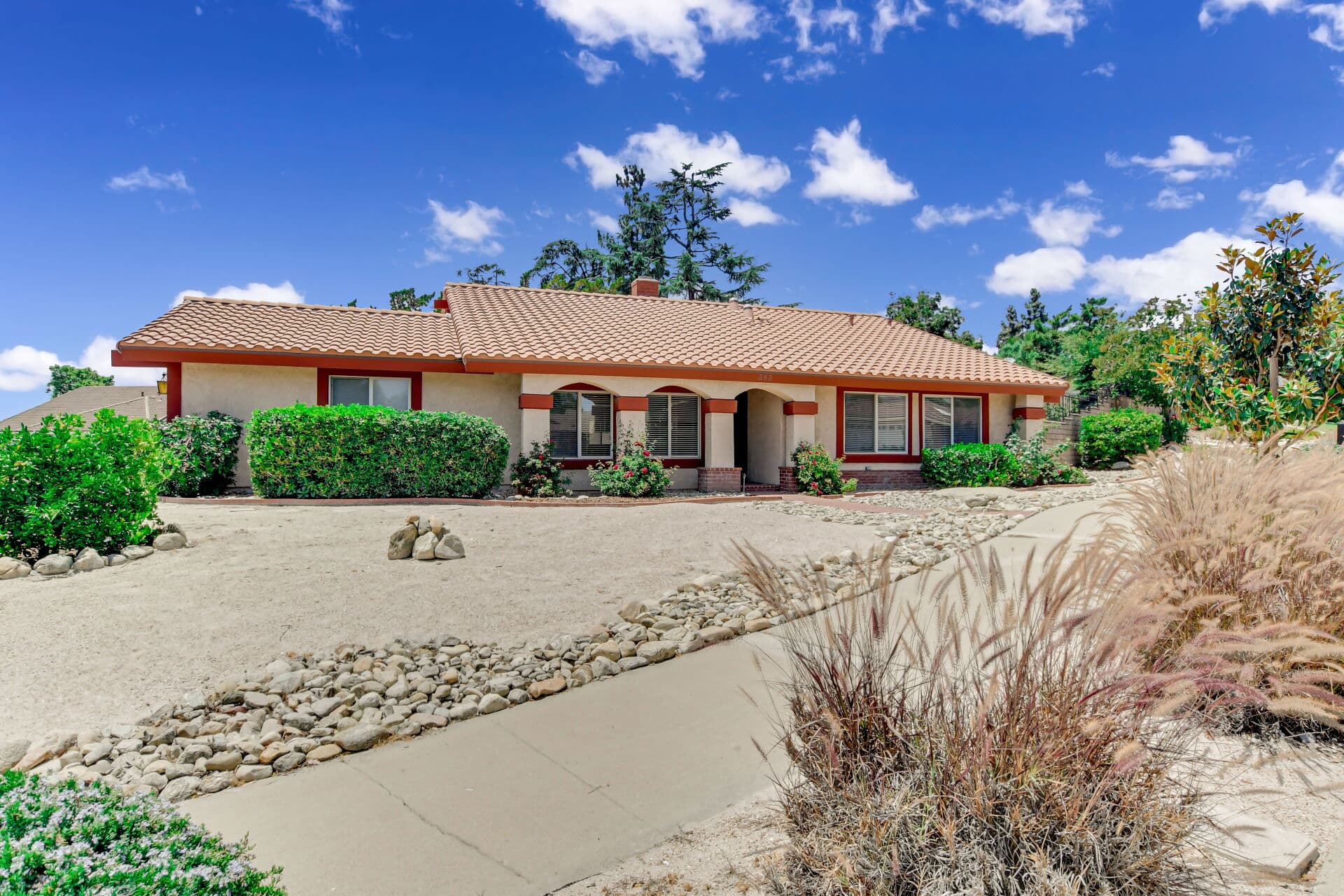
Luxury buyers do not shop for a kind of house; they shop for a place. The searches that reach me at the top of this market almost always begin with a name, a hillside, a street someone drove once and never forgot, and in Claremont the names are specific: the view streets of Claraboya with the valley lights below, the winding hills around Padua, the deep-lot neighborhoods that climb toward the foothills, the grand old blocks near the Colleges. This page is the atlas. It maps how prestige actually reads in this town, walks the enclaves tier by tier, and finishes with the honest question, which of these places fits the life you are actually buying for, because they are not interchangeable, and the differences are the whole decision.
I am Anthony Grynchal, Mr. Claremont, licensed in California since November 2009, and the geography in this article is the geography I work every week. A companion page, the Claremont luxury homes guide, owns the process side, pricing, discretion, the mechanics of top-tier deals; this one owns the map.
How prestige reads in Claremont
Every luxury market has tells, and Claremont's are quieter than most. The first is elevation: the town rises from the valley floor toward the San Gabriel foothills, and as the streets climb, lots deepen, sightlines open, and the houses grow more custom. The second is canopy: mature trees are this town's signature, and the oldest, deepest canopy shades its most established streets. The third is land itself, because large parcels concentrate in a handful of neighborhoods and no one is making more of them. And the fourth is provenance: Claremont's history as a college town seeded it with architect-designed homes and streets of real pedigree, and at the top of this market a home's story is part of its value. What you will mostly not find here is gate-and-fountain display. Claremont's prestige pockets tend to signal through privacy, maturity, and quiet rather than through spectacle, which is exactly why buyers who know the town prize them.
Learning the tells pays off in the search itself. The streets locals name with respect rarely advertise: they are short, often curved or dead-ended, planted decades ago, and quiet at every hour. When a property on one of them comes to market, it may move through the town's quiet channels as readily as through public listings, which is one more reason the geography and the process belong together: knowing where to look is half the work, and being positioned to hear about it is the other half.
The hillside tier: Claraboya and the Padua hills
Claraboya is the closest thing Claremont has to a dramatic address: a hillside enclave built into the slopes at the town's northwest edge, where homes step up the contours and the reward is the view, the valley spread below by day and a field of lights after dark. The stock runs custom, with midcentury and later designs built to the hillside rather than against it, and the trade-offs are the honest ones of any view neighborhood: slopes, winding access, and the particular diligence hillside properties deserve, from drainage to fire readiness. The full picture of the neighborhood lives in the Claraboya guide.
Hillside ownership asks for hillside diligence, and buyers should build it in rather than bolt it on: the condition of slopes and retaining structures, how water moves across the parcel in a wet winter, the age and engineering of the home's perch, and the fire-readiness questions that come with living against open terrain. None of this is a reason to avoid the hills; it is the homework that makes hill living durable. Insurance conversations should also start early here, since carriers ask more questions of hillside and view properties than of homes on the flats.
East along the foothills, the hills around Padua carry a different kind of prestige, rooted in history: this is the corner of town shaped by the old artists' colony and the landmark theatre that gave the area its identity, and the streets that wind through it hold custom homes on generous, often sloping lots with the mountains close overhead. Padua's appeal is atmosphere as much as architecture, elevation, quiet, and a sense of being at the town's wild edge while remaining minutes from the Village.
The foothill north: deep lots and quiet streets
Below the hillsides, the broad northern tier of Claremont holds the town's greatest concentration of estate-scale properties, and it is less a single neighborhood than a band of them. North Claremont generally trades on the same currency, larger lots, mature landscaping, custom and semi-custom homes, streets that feel unhurried, with the mountain backdrop as a constant. Within that band, locals distinguish the established pockets: Towne Ranch, one of the town's classic prestige addresses, with deep lots and a settled, generational character; Blaisdell Ranch, quiet streets and generous parcels near the foothill edge; the newer enclave streets toward Padua and Stone Canyon, where more recent construction meets the hills; and the blocks that border Wilderness Park, where a property's back fence can face open chaparral and the trailheads are a walk away. Each of these pockets has its own page in the making and its own personality on the ground; the town-wide index of neighborhood guides lives in the Claremont neighborhood decision guide.
What unites the northern band is the way land shapes life on it. Deep lots mean gardens that turn into grounds, room for pools and casitas and workshops, and a privacy that comes from distance rather than walls. The mountain backdrop is not scenery only: it brings cooler evenings, the trail network within minutes, and a horizon that makes the neighborhood feel larger than its streets. Buyers comparing the north's pockets learn to read maturity, the age of the plantings, the settledness of the streetscape, because in this tier, time is the amenity that cannot be installed.
Historic prestige: the grand streets near the Village and the Colleges
Claremont's oldest luxury is not in the hills at all. The blocks around the Village and the Colleges hold the town's founding architecture, generous craftsman and revival homes built across the town's first decades, many with names and histories attached, faculty houses of genuine pedigree, and streets whose canopy took a century to grow. What this tier offers is a combination the hillsides cannot: provenance and walkability together, a significant home from which the farmers market, the depot, and a concert at the Colleges are all on foot. What it asks in exchange is stewardship, because many of these properties carry designations or simply deserve careful ownership, and the whole subject, verification, the Mills Act, renovating well, is mapped in the Claremont historic homes guide. For a certain buyer this is the only tier that matters, and I understand them completely.
These blocks also carry the town's memory in a way buyers feel immediately: homes here are known by their histories, and stewardship is a visible local value. Owners who research their home's story and keep its documentation alive are adding to the property in a way this market genuinely prices.
The border question: how Claremont's luxury compares
Luxury buyers shopping the foothill corridor often weigh Claremont against its neighbors, the estate pockets across the town lines, and the comparison clarifies what this market actually offers. What distinguishes Claremont's top tier is the town attached to it: the Village's walkable center, the Colleges and the cultural life they generate, the canopy and the settled streets, a combination the newer estate developments nearby cannot assemble at any price. What the neighbors sometimes offer instead is more recent construction or larger contiguous acreage. Which trade wins depends on the buyer: those who want the house alone can find it in several towns, while those who want the house and the town tend to end their search here. It is the most honest sales pitch I know, because it is simply a description.
Choosing among them: the questions that decide it
When I tour luxury buyers across Claremont, the decision usually resolves into a few honest trade-offs. Views or canopy: the hillside enclaves buy light and distance, the established flats buy shade, gardens, and flatter land, and almost no property offers both at full strength. Walkability or acreage: the historic core puts the town at your feet on smaller parcels, while the foothill tier trades the stroll for land and privacy. New or storied: recent hillside construction offers modern systems and open plans, while the pedigreed streets offer what cannot be rebuilt. Families weigh the school layer, covered in the Claremont schools guide, and buyers in the managed enclaves should read the association layer closely, dues, rules, and what they actually maintain, per the Claremont HOA guide. And underneath all of it runs the value question, which streets hold their worth and why, mapped in the Claremont home values guide.
The honest answer, in the end, is that Claremont's luxury neighborhoods are different instruments, not ranked seats, and the right one depends on the life being lived in it. If you want to feel the differences rather than read them, call me at (909) 731-5374 for a private area tour: a few hours across the hillsides, the foothill pockets, and the historic streets, with the trade-offs narrated honestly and no pressure attached.
Frequently asked questions
Which Claremont neighborhoods are considered luxury?
The top tier concentrates in a few recognizable areas: Claraboya, the hillside view enclave at the town's northwest edge; the hills around Padua, with their artists-colony history and mountain-edge lots; the broad foothill tier of North Claremont, including established pockets like Towne Ranch and Blaisdell Ranch and the streets bordering Wilderness Park; and the historic blocks near the Village and the Colleges, where provenance and walkability combine. Each trades on different strengths, views, land, history, so they fit different buyers rather than ranking cleanly.
What are the trade-offs of buying a view home in Claraboya?
The reward is the most dramatic setting in Claremont: hillside homes with valley views by day and city lights after dark. The honest exchanges are the ones any hillside neighborhood asks: sloped lots, winding access, and extra diligence on hillside-specific matters such as drainage, retaining structures, and fire readiness. Buyers should build inspections around those questions and have the insurance conversation early. For many owners the view settles the argument, but it should be a decision made with open eyes.
Do Claremont's luxury neighborhoods have HOAs?
It varies by pocket. Much of Claremont's estate tier, including many established foothill streets, is conventional single-family ownership with no association at all, while some enclaves and newer developments are managed communities with dues, rules, and maintained common elements. The difference matters enough to verify early: an association shapes what you can change, what you pay monthly, and how the neighborhood is kept. Reading the governing documents during escrow is essential diligence wherever an HOA exists.
Should I choose views, land, or walkability in Claremont?
You usually cannot have all three at full strength, which is why the choice defines the search. The hillside enclaves offer light, distance, and drama on sloped parcels; the foothill neighborhoods offer deep, flat lots, mature landscaping, and privacy; the historic core near the Village and Colleges offers pedigree and a walk-everywhere life on smaller land. The right answer depends on how you will actually live, gardens and gatherings favor the flats, quiet and horizon favor the hills, town life favors the core.

Written by
Anthony Grynchal
Anthony Grynchal is a California real estate professional with eXp Realty, licensed since November 2009 (California DRE# 01873626), and the Designated Local Expert™ for Claremont — where he has lived for more than 33 years.
More about AnthonyPublished · Updated