The first question every relocating buyer asks me is some version of the same one: which part of Claremont should we live in? It is the right first question, because in this town the neighborhood decision shapes everything downstream, what your money buys, what your mornings look like, whether the Village is a stroll or a drive, whether your view is canopy or mountains. But it is usually asked expecting a ranking, and a ranking is the one thing an honest answer cannot be. Claremont's neighborhoods are not better and worse; they are different instruments, and the work is matching one to the life you actually live. This page is the decision guide: how the city fits together, the trade-offs that genuinely separate its neighborhoods, how to test a block before committing to it, and the index of individual area guides where each neighborhood gets its full portrait.
I am Anthony Grynchal, Mr. Claremont, licensed in California since November 2009, and the framework below is the one I walk buyers through in person, usually from the driver's seat, on a loop through the whole town.
One town, distinct rooms
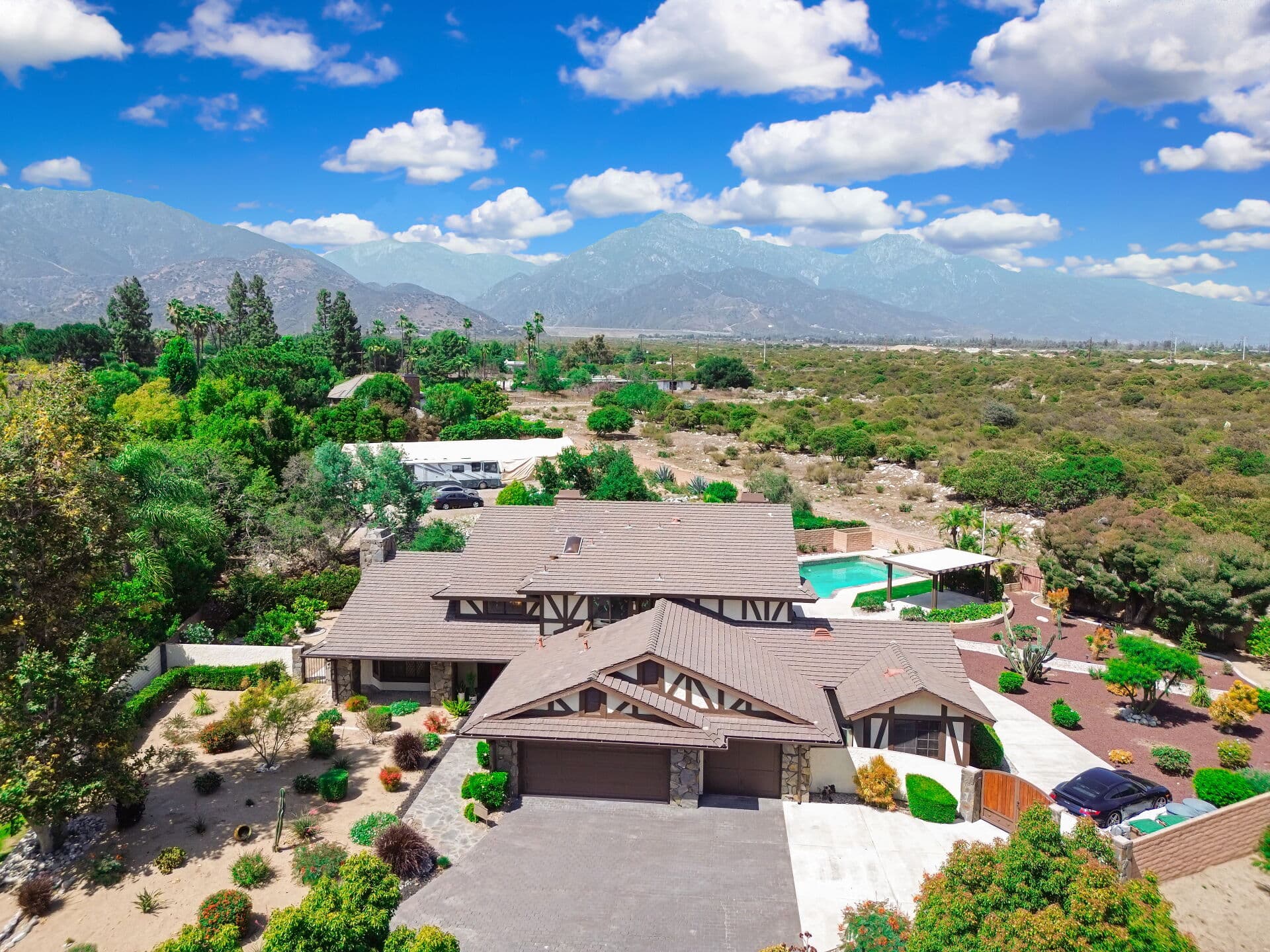
Claremont is compact enough to cross in minutes, which fools newcomers into thinking it is uniform. It is not; it is a small house with very different rooms. At the center-south sits the Village, the walkable historic core, shops, the farmers market, the rail depot, with the Colleges spread beside it and the town's oldest homes on the surrounding blocks. Move north and the town climbs, literally, toward the San Gabriel foothills: lots deepen, trees give way to mountain views, and the housing turns custom until the streets end at Wilderness Park and the hillside enclaves. South of the historic core, the town runs flatter and more practical: postwar neighborhoods with real lots and easier freeway access, where much of Claremont's attainable housing lives. Threaded through all of it are the pockets locals name, the ranches, the hillsides, the sanctuary streets, each with a personality that took decades to form. The town reads as one place from the freeway and a dozen places on foot, and buying well means knowing which of the dozen you are choosing.
A few landmarks organize the map for newcomers. Foothill Boulevard, old Route 66, crosses the town east to west and marks a rough shift in era: much of the stock south of it grew up with the postwar decades, while the blocks north of it climb through midcentury tracts into the custom foothill tier. The Thompson Creek Trail traces the town's northern shoulder, where streets end at open sky, and the Metrolink depot anchors the Village, putting a rail commute within a stroll of the town's core. Hold those three lines in mind, the boulevard, the trail, the tracks, and the town's geography starts sorting itself.
The four trade-offs that actually separate them
Strip away the marketing language and Claremont's neighborhoods separate along four honest axes:
- Era and character of the housing stock. The blocks near the Village and Colleges hold craftsman and revival homes a century old; the middle of town is largely midcentury, single-story and practical; the foothill tier runs custom and newer. The era decides the architecture, the lot pattern, the systems you will maintain, and much of the streetscape's feel. Older stock also means older systems, so the era you choose is a maintenance profile you adopt.
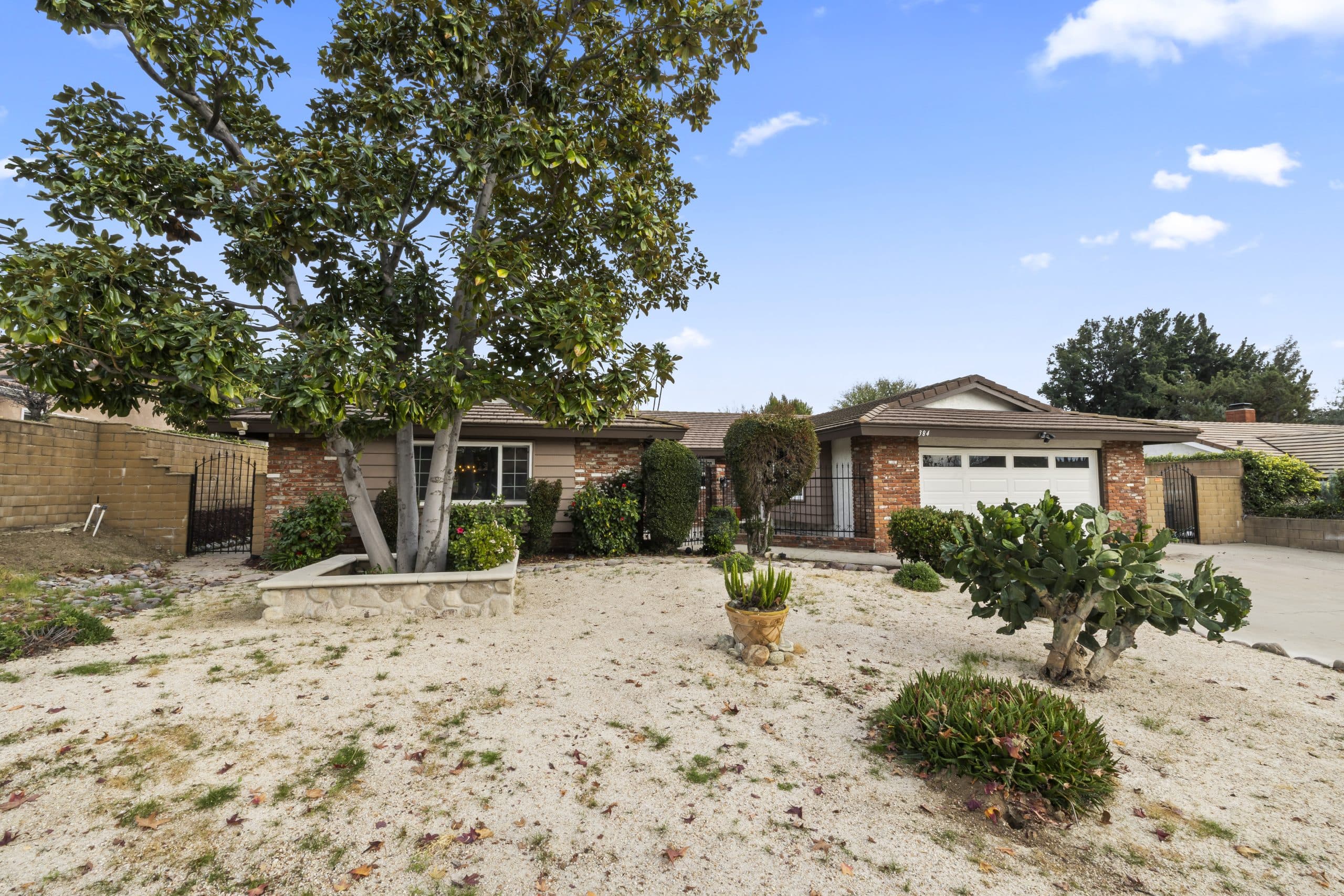
- Lot and street character. Deep lots, mature canopy, and unhurried streets concentrate in the north and in the oldest core; tighter, more efficient parcels serve the south's practicality. Decide whether land or convenience is your currency.
- Walkability. The single sharpest price line in Claremont is distance to the Village. Homes within an easy stroll trade at a premium and rarely linger; each ring outward buys more house for the money and more reliance on the car. The premium is real and durable, which also makes the walkable core one of the steadiest stores of value in town.
- Commute and access. The south reaches the freeway network quickly; the Village offers the depot and a rail option toward Los Angeles; the far north buys quiet at the price of a longer roll to everything. Time your actual commute from a candidate block before loving a house on it.
Families add a fifth axis, schools, which deserves its own homework rather than folklore; the Claremont schools guide covers how to research the layer properly. And underneath everything runs value: which streets hold their worth and why, mapped in the Claremont home values guide.
Reading the three broad territories
Most buyers' decisions resolve into one of three territories, and comparing them honestly is faster than touring at random. The walkable core, the Village and the historic blocks around it, offers the town-at-your-feet life and the deepest architectural pedigree, on smaller lots at the town's strongest per-foot premium; it suits buyers who will actually use the walkability daily, and it is where the historic-home layer of designations and stewardship most often applies. The foothill north offers land, views, quiet, and custom homes, at larger prices and full car-dependence; it suits buyers whose life happens at home, gardens, gatherings, room to spread, and those pulled by the mountains. The prestige end of that territory, the view enclaves and estate pockets, has its own atlas in the Claremont luxury neighborhoods guide. The south and center offer the town's most attainable detached homes and its condo and townhome stock, with the same schools and the same Claremont address; this is where most first purchases happen, and the entry paths are walked in the first-time buyer's guide. None of these territories is a compromise; each is somebody's exactly-right answer.
It helps to know that the territories are not frozen. Neighborhoods turn over in generational waves: the streets built in one era age into renovation cycles together, and a block's character can shift meaningfully across a decade of ownership changes. Part of choosing well is noticing where a neighborhood is in that cycle. Original-condition homes signal long-held ownership and coming turnover, while a wave of recent renovation signals a block being rediscovered; neither is better, but they price differently and they feel different to live through. Ask, when touring, how long the sellers owned and what the street has done lately; the answers sketch the cycle quickly.
The neighborhood index
Once the territory is clear, go granular. Each of Claremont's named neighborhoods has its own full guide, the housing stock, the streets, the character, and those pages are the next stop:
- Claremont Village, the walkable historic heart: shops, the farmers market, the depot, and the town's oldest blocks.
- North Claremont, the broad foothill tier: deep lots, mountain views, custom homes.
- South Claremont, the practical, attainable side of town: postwar stock, real lots, freeway access.
- Claraboya, the hillside enclave: view streets built into the slopes at the town's northwest edge.
- Towne Ranch, a classic established pocket: settled streets and generational character.
- Blaisdell Ranch, quiet streets and generous parcels near the foothill edge.
- Bonnie Brae, a quiet sanctuary pocket with a character all its own.
Read the guide for any neighborhood you are seriously weighing; this page deliberately stays at the deciding altitude and leaves each area's full portrait to its own page. Reading two or three side by side is the fastest way to feel the town's range: the same money lives very differently in the walkable core, the foothill north, and the practical south.
Test the block before you commit
A neighborhood cannot be chosen from a listing photo, and it should not be chosen from a single Sunday visit either. The diligence that works costs only time. Visit a candidate block at three different hours, a weekday morning, a weekday evening, a weekend night, because traffic, parking, noise, and rhythm all change with the clock. Walk the route you would actually walk, to the Village, to a school, to a park, and time it honestly. Tour open houses in the neighborhood even when the specific home is wrong, because each one is a free lesson in what the area's prices actually buy. If the move is from out of the area, consider renting in town first: a season of living here answers questions no research can, and the relocation sequence is mapped in the Claremont relocation guide. And talk to the neighbors you meet; ten minutes of porch conversation carries more truth than an hour of browsing. If schools matter, do the school run at the actual hour: drop-off traffic is its own weather system around every campus in town, and it is better discovered before escrow than after.
When you are ready to put the framework to work, call me at (909) 731-5374 for a neighborhood consult. The best version is a driving tour: a loop through the territories with the trade-offs narrated street by street, your priorities against real blocks, until the map stops being abstract, and the town starts feeling like a set of choices instead of a puzzle.
Frequently asked questions
What are the main neighborhoods of Claremont?
The named neighborhoods most buyers weigh are the Claremont Village and its historic surrounding blocks at the walkable center; North Claremont, the broad foothill tier of deep lots and custom homes; South Claremont, the practical postwar side with the town's most attainable stock; Claraboya, the hillside view enclave; and established pockets like Towne Ranch, Blaisdell Ranch, and Bonnie Brae. Each has a distinct character, era of housing, and price logic, and each has its own full guide on this site.
Which Claremont neighborhood is most walkable?
The Village and the historic blocks around it, without any real contest. Homes there put the shops, the farmers market, the rail depot, and the Colleges within an easy stroll, which is why distance to the Village is the sharpest price line in town: the walkable core trades at a premium and rarely lingers on the market. Each ring outward buys more house for the money and more reliance on the car, so the honest question is whether you will actually use the walkability daily.
Which Claremont neighborhoods fit families best?
More of them than any ranking suggests, because Claremont's schools serve the whole town, and family life thrives in the south's practical postwar streets, the north's deep-lot quiet, and the walkable core alike. The genuinely useful questions are specific: which school a given address feeds, how the yard and street pattern fit your kids' ages, and what the commute leaves of your evenings. Research the school layer directly rather than by folklore, and test candidate blocks at the hours your family actually lives.
Should I rent in Claremont before buying?
If you are moving from outside the area and the timeline allows it, a season of renting answers questions no amount of research can: which territory of the town fits your rhythm, what your commute honestly costs, which streets you keep returning to on walks. The trade-off is real, you spend time in a market where prices and rates keep moving, so it is a judgment call rather than a rule. Many relocating buyers instead compress the learning with focused visits and a thorough touring plan.