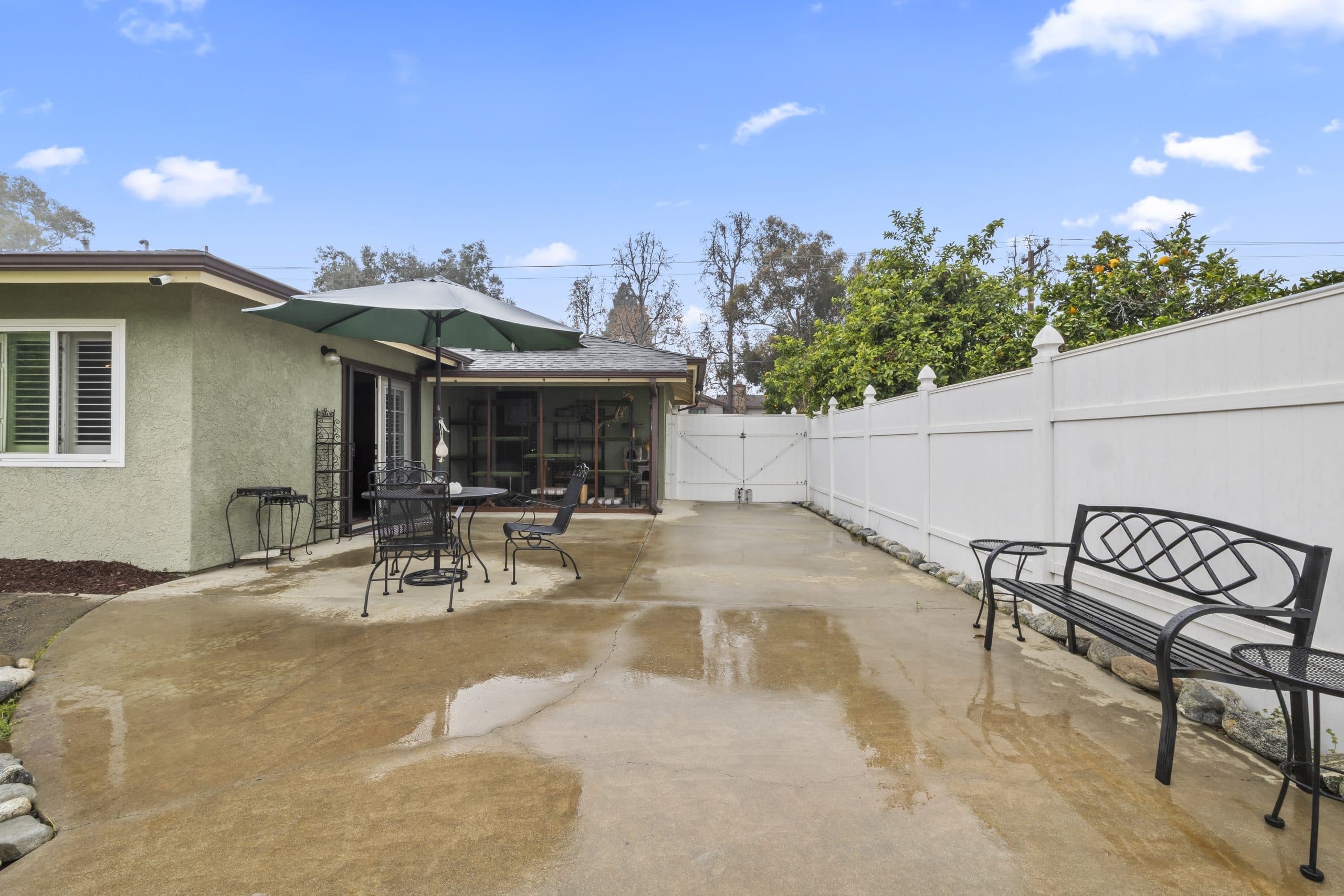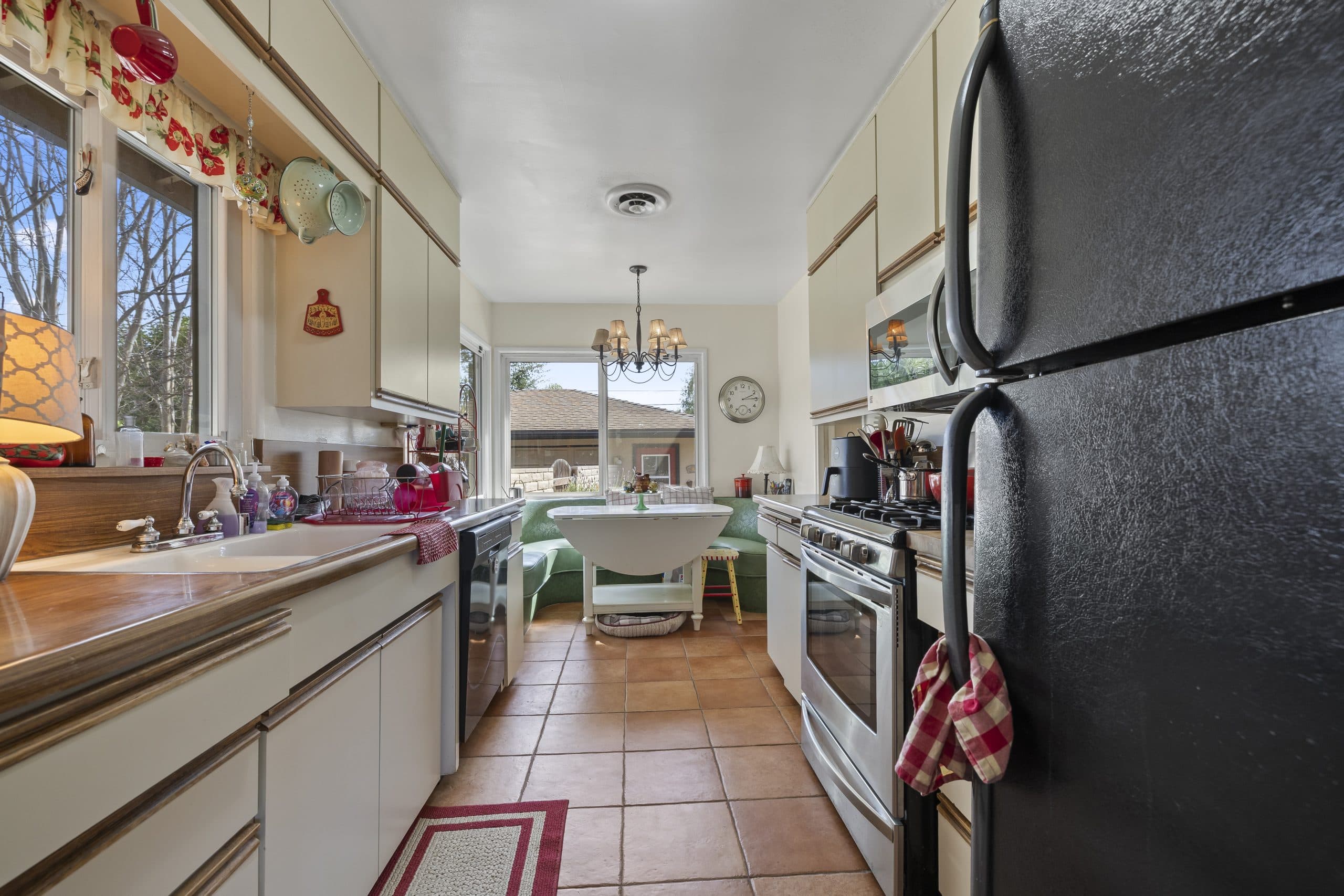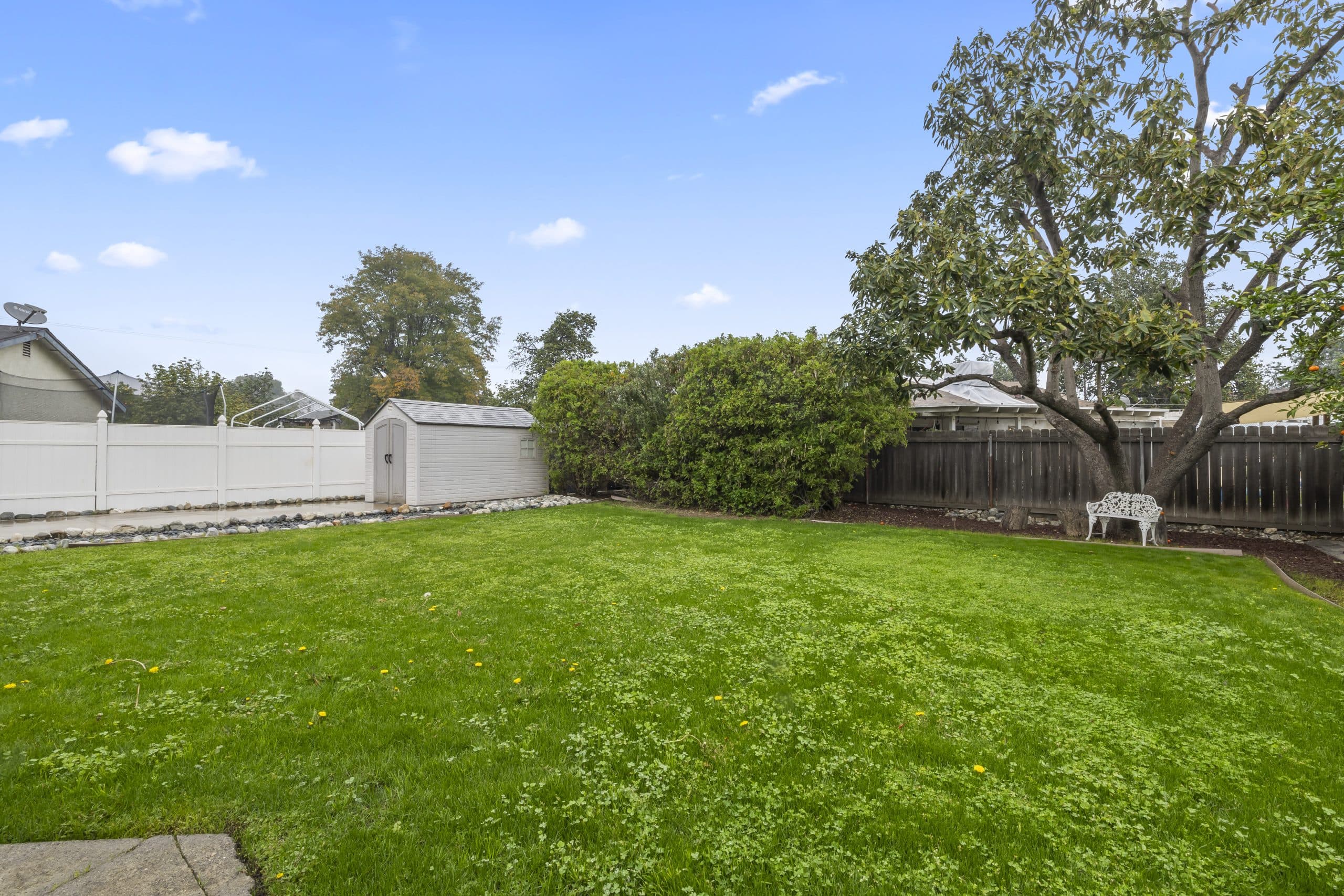
Claremont housing stock is old enough that a wood-destroying pest report is rarely blank. Ranches from the fifties and sixties, prewar bungalows near the Village, additions built across several decades. Wood, moisture, and time do the same thing here that they do everywhere.
On a VA purchase that report is not just information. It is a document that can shape the escrow calendar, and buyers who understand it early lose less time than buyers who meet it in week three.
What the report is
A licensed pest inspector examines accessible areas of the structure and writes up what is found: active infestation, damage from past activity, and conditions that invite future problems. Deteriorated wood at a threshold. Earth-to-wood contact along a fence tie-in. Moisture at a shower pan. Fungus in a crawl space.
Findings are typically separated into what is active or already causing damage and what is a condition likely to cause damage later. That distinction matters, because the two categories tend to be treated differently in a transaction.
The details of who orders the report, what is required on a VA file, and how required work must be documented are program and lender matters. Ask a VA-approved lender who writes these loans routinely, because the practical answer can differ from what a general-purpose loan officer remembers.
Why it lands harder on a VA file
Two reasons, and neither is that the VA is difficult.
First, a VA purchase involves a property review with condition standards attached. Health and safety items get attention. What is covered is set out in what VA checks on a Claremont property, and pest findings frequently overlap with it: rot at a structural member is a condition issue whether or not an insect is currently living in it.
Second, on an older house the report is usually not short. A conventional buyer can read a long pest report, shrug, and proceed. A VA buyer may find that some of what is on it needs resolution before the loan can close, which turns a piece of information into a scheduling problem.
THE PROBLEM IS ALMOST ALWAYS TIMING, NOT COST. The work itself is often modest. Getting a company scheduled, the work done, and a clearance issued inside a contract timeline is where deals slip.
How to keep it from stalling escrow
Order early. Not at the end of the inspection period. The report is cheap relative to what a two-week delay costs when the seller is already impatient, and ordering it in the first days gives everyone room to react.
Read it the day it arrives, with your agent, and sort it into three piles: what needs doing before closing, what a reasonable owner would do in the first year, and what is a note about a condition to watch.
Get a real quote for anything in the first pile before negotiating about it. Negotiating over an unpriced repair is how two sides argue for a week about a job that costs less than the argument.
Ask who is doing the work and when they can be there. Contractor availability, not agreement, is usually the binding constraint.
The negotiation part
Who pays for required repairs is negotiable in California, and it is negotiated in the contract rather than dictated by the loan. What is not negotiable is that a lender will not fund against an unresolved condition it requires resolved.
That is worth being clear about with the listing side, because the reflex on a seller's side is to hear a VA buyer asking for repairs and conclude that VA buyers are trouble. They are not. The conversation goes better when the request is specific, priced, and short, and when the listing agent understands what is actually driving it. The general version of that problem is covered in why some listings fear VA offers.
A seller who has already lost one escrow to a pest report is usually the easiest one to work with, because they have seen the alternative.
What Claremont specifically produces
Crawl-space fungus in older homes on the flats, where a slow leak went unnoticed under a bathroom for years.
Earth-to-wood contact where landscaping was built up against siding over decades of gardening. This is common on properties with mature yards, which is most of the attractive ones.
Deteriorated wood at eaves and fascia on houses that have not been painted recently, and Claremont sun is unkind to paint.
Damage at the joint between an original structure and an addition, where two eras of construction meet and the flashing detail was done by whoever was available in 1978.
None of this is alarming. It is the normal wear of a housing stock with real age, and it is one reason inspections are the last place to economize on a purchase here.
Sellers reading this
If you are listing a home that a VA buyer may want, a pest report obtained before the house goes on the market removes most of the drama. You learn what is there on your own schedule, you get quotes without a clock running, and you decide what to do before a buyer's inspector frames it for you.
The seller-side view of the whole process is in selling to a VA buyer.
Where the questions go
What a VA file requires, how a clearance must be documented, and whether any particular finding must be cured before funding are questions for the VA and a VA-approved lender. Structural questions belong to a licensed contractor or engineer. Pest findings belong to a licensed pest operator.
The agent's job is the calendar: order early, price fast, negotiate specifically, and keep the other side informed so a solvable repair does not become a reason to blame the loan.
For the wider picture, start at the Claremont military and VA buyer hub.
Anthony Grynchal has been licensed in California since November 2009.
Frequently asked questions
Is a pest report required on a VA loan?
How wood-destroying pest inspection and any required work are handled on a VA file is a program and lender matter, and it can differ from what a general-purpose loan officer recalls. Ask a VA-approved lender who writes these loans routinely, early in the process.
Who pays for the repairs?
Who pays is negotiated in the purchase contract, not set by the loan. What is not negotiable is that a lender will not fund against a condition it requires resolved, so price the work quickly and negotiate specifically.
Why do Claremont reports come back long?
Much of the housing stock is decades old, with mature landscaping, additions from several eras, and long sun exposure on paint. Reports on older homes are rarely blank, and most findings are ordinary wear rather than alarming.
How do I keep the report from delaying closing?
Order it in the first days of the inspection period rather than at the end, read it immediately, get real quotes before negotiating, and confirm contractor availability. Timing, not cost, is what usually delays these files.

Written by
Anthony Grynchal
Anthony Grynchal is a California real estate professional with eXp Realty, licensed since November 2009 (California DRE# 01873626), and the Designated Local Expert™ for Claremont — where he has lived for more than 33 years.
More about AnthonyPublished · Updated