Disassembly is the part of a move that is either invisible or ruinous. Done properly, a bed comes apart in ten minutes and goes back together in fifteen. Done carelessly, you are standing in a bedroom at eleven at night with a frame, no bolts, and no memory of which way the side rails faced.
The whole discipline comes down to three things: deciding what actually needs to come apart, keeping the hardware attached to its item, and photographing the state of things before you change it.
This guide sits under the broader Claremont moving guide.
Let the doorways decide, not the furniture
The question is never "can this come apart" but "does it need to". Answer it by measuring, at both ends.
Measure the item's smallest dimension when tilted, then measure every door, hallway, stair turn, and landing on the route. The tight point is rarely the doorway itself; it is the turn immediately inside it.
Older Claremont homes make this a live question rather than a formality. Original doorways are frequently narrower than modern ones, hallways are tighter, stairs turn more sharply, and the landing at the top may be barely deeper than the stair itself. A sofa that has moved through three modern apartments untouched can be genuinely stuck in a 1920s hallway.
Where the route is vertical and shared, the constraint may be an elevator rather than a hallway, and that has its own set of answers in the guide to elevators, stairs, and walk-ups.
What almost always comes apart
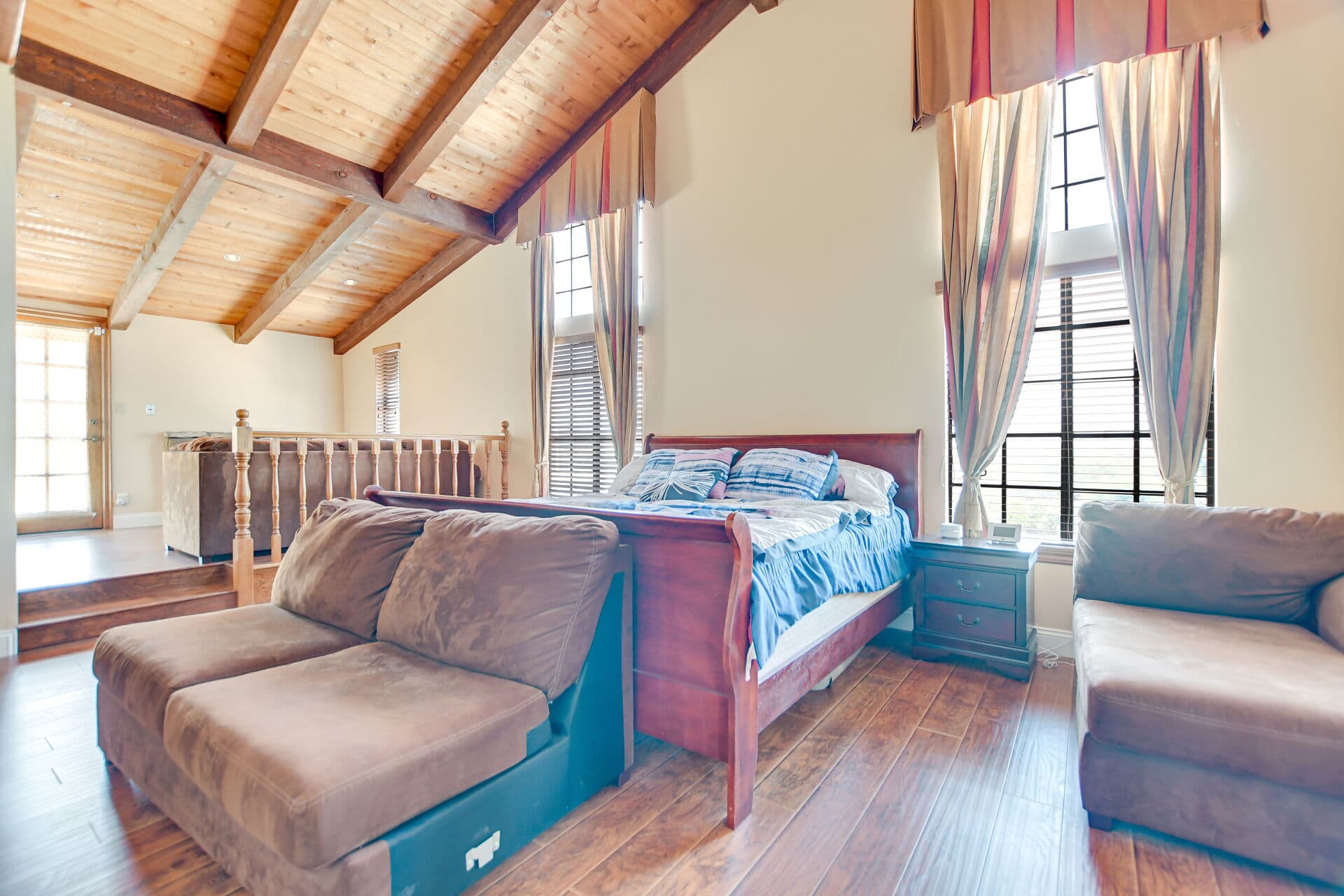
Bed frames, without exception on anything larger than a single. Table legs on dining tables. Sectional sofas at their connectors. Desks with bolt-on legs or a separate hutch. Wall units and shelving systems. Treadmills and home gyms, which are heavy, awkward, and frequently designed to fold or split. Outdoor playsets and trampolines, which are essentially always a full disassembly.
Mirrors come off dressers. Glass comes out of cabinet doors where it can. Anything on castors gets them removed or immobilized.
What is better left whole
Resist taking things apart out of enthusiasm. Every disassembly is an opportunity to lose a part, strip a thread, or damage a joint, and some items are structurally weaker after their fifth rebuild.
Older and antique furniture in particular should usually stay assembled unless it genuinely will not fit, because the joinery was not designed for repeated dismantling. Where a piece is valuable, the handling and crating principles in the guide to piano, art, and heirlooms apply.
Flat-pack furniture is the opposite case and the awkward one. It is designed to come apart, but its fasteners bite into particleboard and each cycle holds a little worse. Some pieces are honestly at the end of their life the second time they are rebuilt, and moving them is a decision rather than a default.
Hardware discipline: the whole game
Every fastener from one item goes into one sealed bag. That bag is labeled with the item it came from, on the bag itself, in permanent marker.
Then the bag is taped to the item — the underside of a table top, the inside of a bed rail, the back of a headboard — rather than collected into a box of bags. A box of bags becomes a box of loose bolts by the time it reaches the new house.
Where taping to the item is impossible, put every bag in one clearly marked container that travels in your own vehicle, not on the truck. A bed you cannot reassemble because the hardware is in a truck arriving tomorrow is the single most common miserable first night in a new house.
Include the tool if it is unusual. The hex key that came with a specific frame is worth taping to the frame.
Photograph as you go
Before the first bolt comes out, photograph the assembled item from several angles. Then photograph each stage as it comes apart, and photograph the hardware laid out beside the piece it belongs to.
This takes seconds and replaces an instruction manual you no longer have. It is the highest-value part of the record described in the guide to the photo inventory.
Cables get the same treatment. Photograph the back of the television and the back of the desk before anything is unplugged, then label each cable end with tape as you remove it.
Who does the work
Most full-service movers will disassemble and reassemble standard furniture as part of the job, and this is worth confirming rather than assuming, because policies differ and some quote it separately.
Ask three specific questions during the estimate: is disassembly included, is REASSEMBLY included, and what is excluded. Reassembly is the one that is often quietly absent, and it is the half you care about.
Certain categories are commonly excluded regardless: anything mounted to a wall, anything requiring an electrician or plumber, and specialist equipment such as pool tables and some gym systems. The guide to appliance disconnects and reconnects covers the utility side of that line.
Where a crew is doing the work, the estimate conversation set out in the guide to choosing a mover is the right place to raise all of it.
Playsets, trampolines, and outdoor structures
These deserve their own warning because they are the item people most often underestimate. A wooden playset is a construction project, not a furniture move, and taking one apart can be slower than building it was.
Consider honestly whether it is coming at all. Anchored structures, in particular, may leave ground damage that needs making good before a sale, and the buyer of your old home may not want it either.
Where it is coming, keep the manufacturer's instructions if they exist, bag hardware by section rather than in one bag, and photograph aggressively.
Reassemble in the right order
Beds first, on the day of arrival, before anything else. Then the seating in the main living space. Then desks and workspaces. Everything else can wait a day without cost.
Do not reassemble anything in a room you have not decided on. Building a bed frame in the wrong bedroom means taking it apart again, which is the one outcome this whole discipline exists to avoid.
The short version
Measure the route before deciding what comes apart, and expect older Claremont doorways and stair turns to decide for you. Bag hardware per item, label the bag, tape it to the item, and keep the critical ones in your own car. Photograph before, during, and after. Confirm that reassembly, not just disassembly, is included. Build beds first. Start from the moving hub for the full sequence.
Anthony Grynchal has been licensed in California since November 2009. This is general information; what a given company will disassemble and reassemble is set by that company and should be confirmed in writing before the day.
Frequently asked questions
Do movers disassemble furniture?
Most full-service movers will handle standard furniture, but policies differ and some price it separately. Ask three questions during the estimate: is disassembly included, is reassembly included, and what is excluded. Reassembly is the half that is most often quietly absent.
How do I keep from losing the bolts?
One sealed bag per item, labeled on the bag in permanent marker with the item it came from, then taped to that item rather than collected into a box. A box of bags becomes a box of loose bolts in transit. Keep bed hardware in your own vehicle so the bed can be built on arrival.
What should I not take apart?
Anything that will fit through the route intact, and older or antique furniture in particular, because the joinery was not designed for repeated dismantling. Flat-pack furniture is the awkward case: it comes apart by design, but its fasteners hold a little worse each time.
What should be reassembled first in the new house?
Beds, on the day of arrival, before anything else, then seating in the main living space, then workspaces. And do not build anything in a room you have not decided on, because taking it apart a second time is exactly what the whole process exists to avoid.

Written by
Anthony Grynchal
Anthony Grynchal is a California real estate professional with eXp Realty, licensed since November 2009 (California DRE# 01873626), and the Designated Local Expert™ for Claremont — where he has lived for more than 33 years.
More about AnthonyPublished · Updated