Almost nobody makes a written inventory of a household before a move, because it is tedious and it takes hours. Almost everybody has a camera in their pocket that can do most of the same work in twenty minutes.
A photo inventory is not a nice-to-have. It is the evidence you will wish you had if something arrives broken, the reference you will want when a bed frame comes back to you as a pile of parts, and the schedule an insurer will ask for if you are increasing coverage.
This guide sits under the broader Claremont moving guide.
Shoot before you pack, not during
The moment to do this is before the first box is taped, while rooms are still furnished and everything is visible in its place.
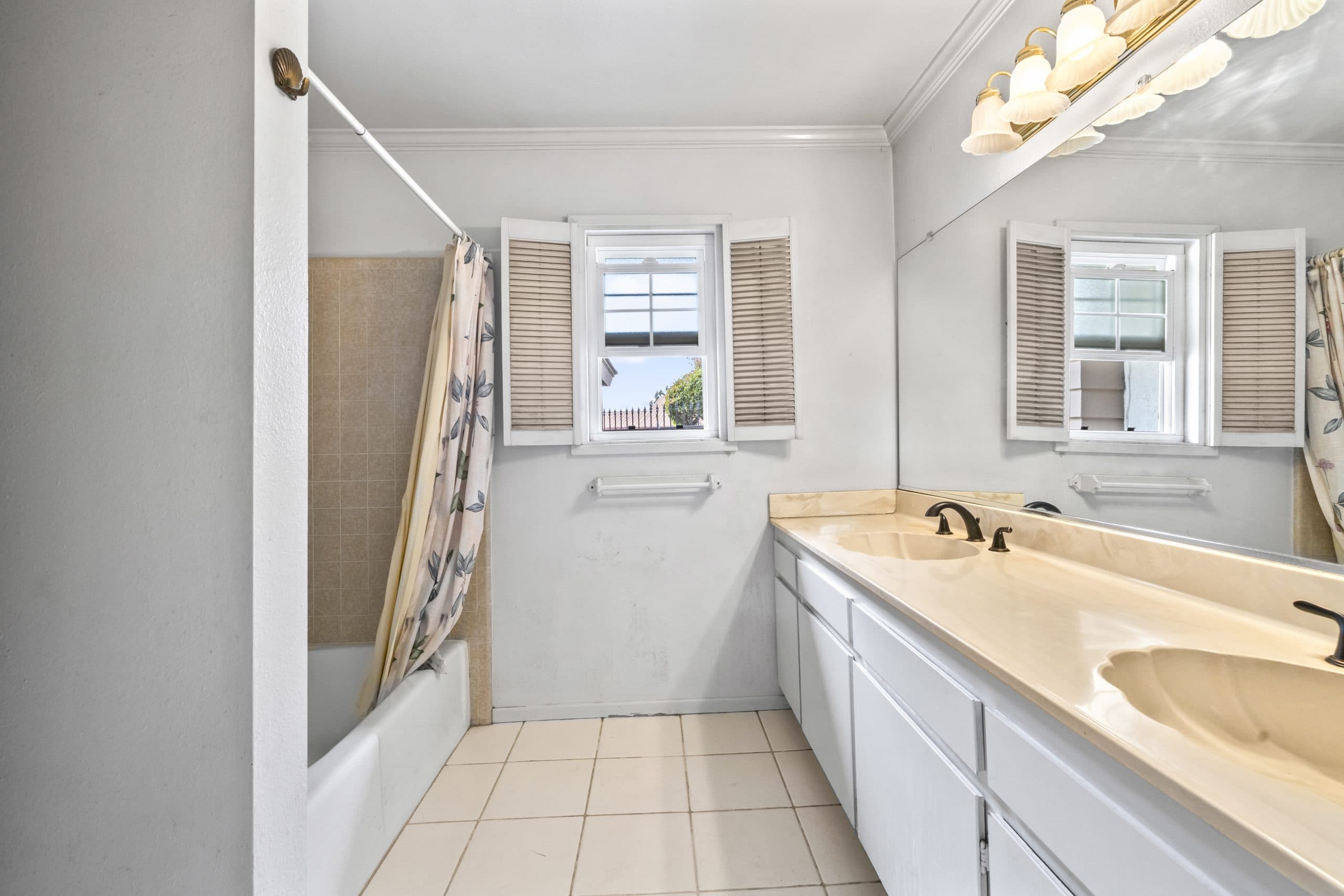
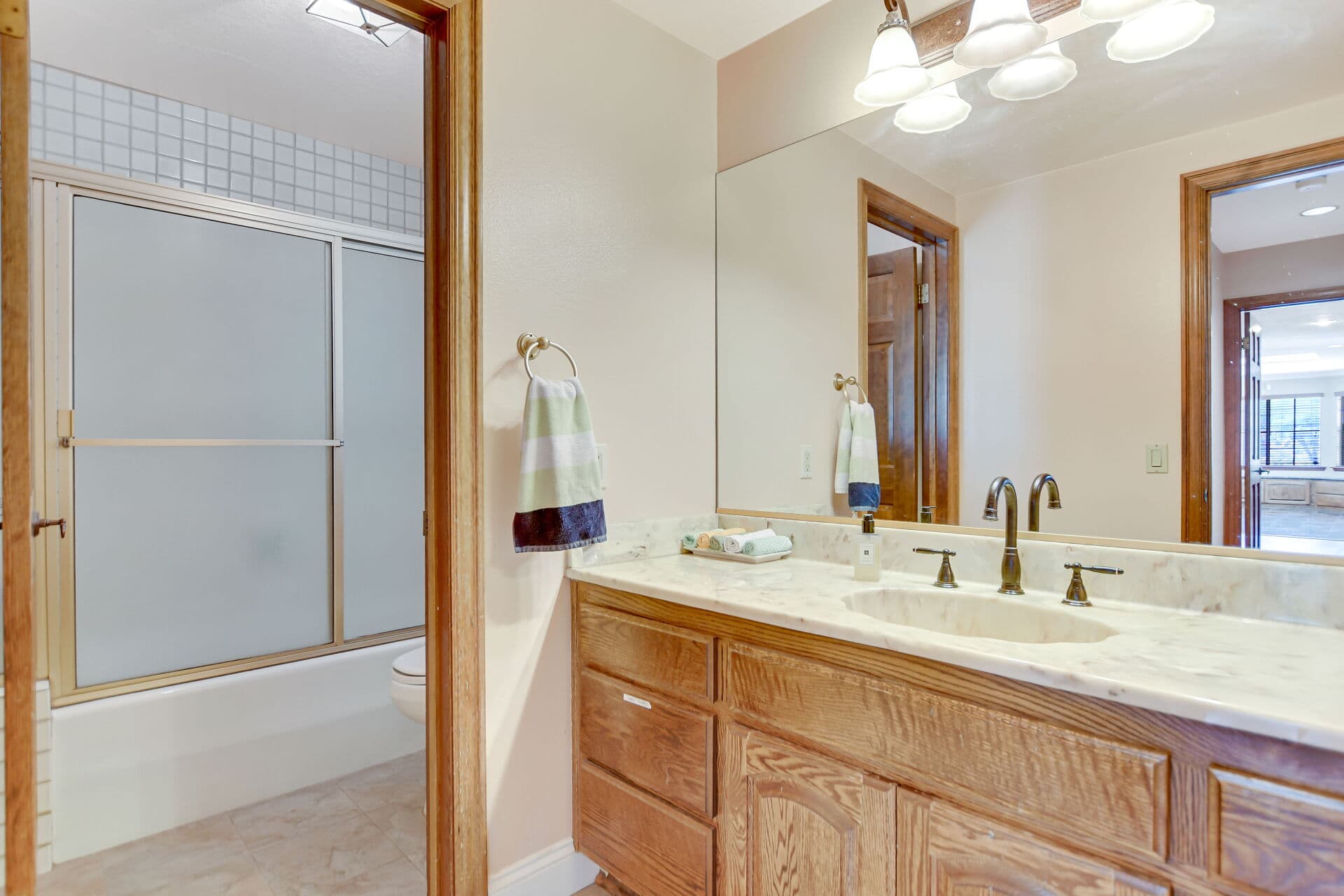
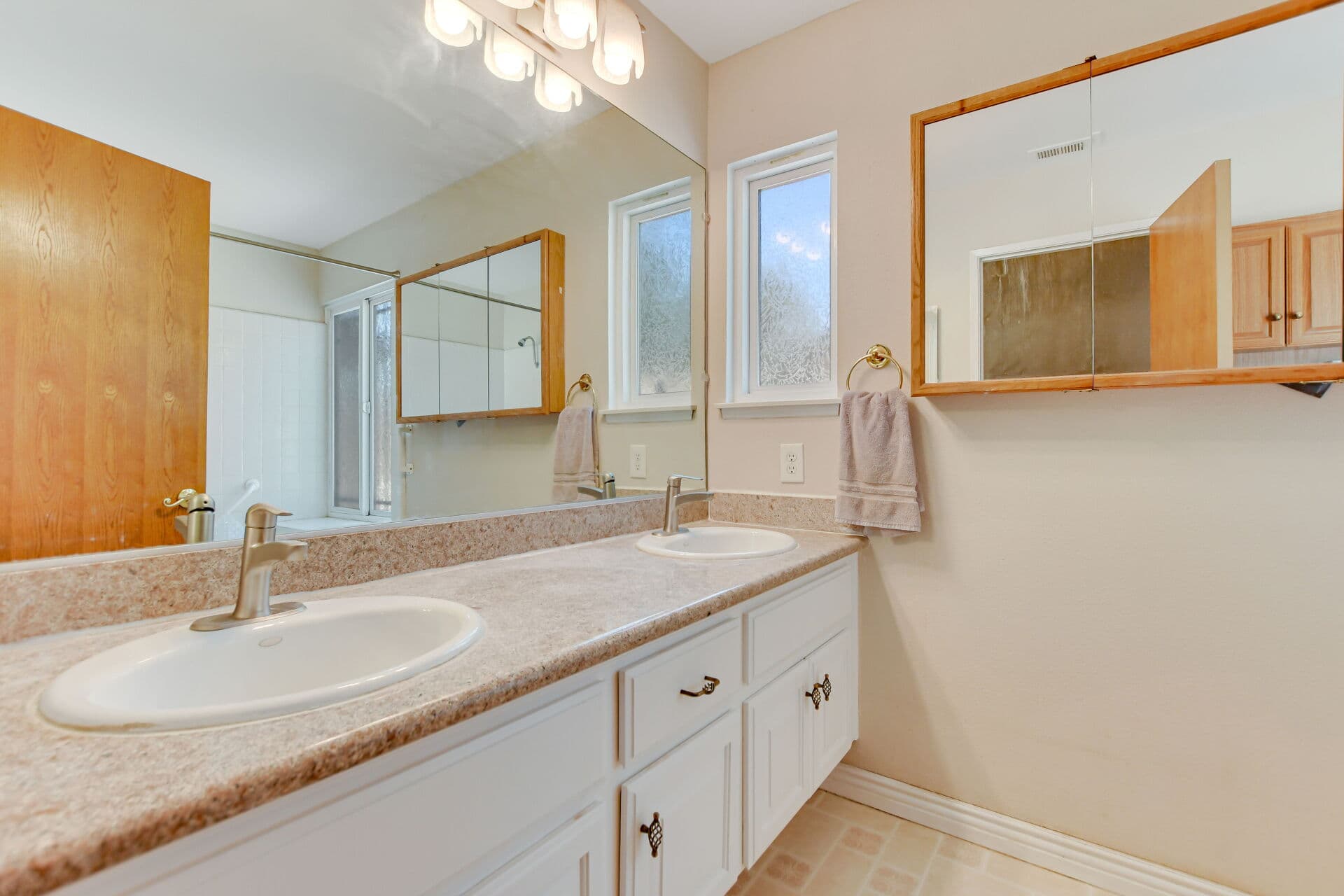
Walk each room and take a wide shot from every corner. That gives you the room as it was, which is useful for far more than claims: it is how you remember how the cables ran behind the television and which shelf the books were on.
Then photograph the contents of storage: open closets, open cupboards, the shelving in the garage. Those are the spaces you will later be unable to remember.
Then shoot the things that matter individually
For anything of real value or real fragility, take three shots: the whole item, a close shot of any maker's mark, label, or serial number, and a close shot of any EXISTING damage.
That last one is the shot people skip and the one that resolves disputes. A scratch that was already there is only demonstrably already there if you photographed it before the crew arrived.
Electronics, appliances, bicycles, tools, and instruments should all get their serial numbers captured. A photograph of a serial plate takes two seconds and is worth an hour of hunting later.
Where a household contains pieces that need specialist handling anyway, this record and the handling brief go together, and the guide to piano, art, and heirlooms covers what belongs in that category.
Photograph the disassembly, not just the object
The most immediately useful photographs in the whole set are the ones taken while something is being taken apart.
Shoot the back of the entertainment unit before the cables come out. Shoot the bed frame's joints before the bolts do. Shoot the hardware laid out beside the item it came from, and shoot the bag once the hardware is in it and labeled.
Anybody who has reassembled a bed at midnight from memory knows why. The whole sequence is set out in the guide to disassembly and reassembly on a Claremont move.
Shoot the house as well as the contents
Photograph the condition of the property at both ends, empty, on the day.
At the old address, an empty and cleaned house is what protects a deposit or supports a final walk-through, and the process around that is covered in the guide to deposit-safe steps for moving out of a Claremont rental.
At the new address, photographing the empty house before the truck arrives is what lets you tell later whether a mark on a wall or a gouge in a floor came from your move or predated you. In older Claremont homes with original floors and plaster, this is not a small matter — a hardwood floor scuffed on moving day is a real repair, and arguing about it without a before photograph is arguing from memory.
Photograph the approach too: the standing spot, the overhead clearance under the canopy, the turn, the carry from truck to door. Those images are what a mover needs to bring the right equipment, and they belong in the survey conversation described in the guide to choosing a mover.
What the record is actually for
THE CLAIM. If something is damaged or missing, a before photograph, a serial number, and a numbered box list turn a disagreement into a documented claim.
THE COVERAGE DECISION. Deciding what level of protection to buy is guesswork until you have seen what the household actually contains. Insurers and movers alike will ask for a list of high-value items, and photographs are the fastest way to build one.
THE REASSEMBLY. Cables, hardware, and configurations you will otherwise reconstruct by trial and error.
THE MEMORY. Not trivial. The old house, as it looked while you still lived in it, exists in exactly one place after moving day, and that is the photographs you took before you packed.
Store it where you can actually reach it
Photographs that live only on a phone in a moving truck's cab are not a record. Back the set up to cloud storage the same day you shoot it, and put a copy somewhere a second person in the household can reach.
Keep them in one dated album rather than scattered through a camera roll, and name it something you will find under pressure. If you also keep a numbered box list, store the two together; each one is much stronger with the other, as the guide to labeling systems explains.
Twenty minutes, honestly
Wide shots of every room, open every closet and cupboard, individual shots of the valuable and the fragile with their serial numbers and existing damage, disassembly as it happens, and both properties empty on the day.
That is the whole method. It is the cheapest insurance in a move, and it is the one that costs nothing but attention.
The short version
Shoot before packing, room by room, closets open. Capture serial numbers and pre-existing damage on anything valuable. Photograph disassembly as it happens. Photograph both properties empty. Back it up the same day and keep it with your box list. Start from the moving hub for the full sequence.
Anthony Grynchal has been licensed in California since November 2009. This is general information; coverage and claim requirements are set by individual movers and insurers and should be confirmed directly with them.
Frequently asked questions
What should I photograph before a move?
Wide shots of every room from each corner, the inside of every closet and cupboard, individual shots of valuable or fragile items including serial numbers and any existing damage, the disassembly of anything that comes apart, and both properties empty on the day.
Why photograph damage that is already there?
Because a scratch that predates the move is only demonstrably pre-existing if you recorded it beforehand. It is the shot people skip and the one that resolves disputes, and it protects the crew as much as it protects you.
Do I still need a written box list if I have photographs?
Yes, and the two work much better together. Photographs establish condition and existence; a numbered box list establishes where an item was. A claim that can name the numbered box an item travelled in, and show what it looked like beforehand, is a far stronger claim.
Where should the photo inventory be stored?
Backed up to cloud storage the same day you shoot it, in one dated album with a name you will find under pressure, and reachable by a second person in the household. A record that exists only on a phone in a truck cab is not a record.

Written by
Anthony Grynchal
Anthony Grynchal is a California real estate professional with eXp Realty, licensed since November 2009 (California DRE# 01873626), and the Designated Local Expert™ for Claremont — where he has lived for more than 33 years.
More about AnthonyPublished · Updated