
A household that has occupied a Claremont home for thirty years is not packing a house — it is packing an archive. The china from a wedding two generations back, the framed photographs, grandfather's tools, the mid-century furniture bought new, the boxes of documents nobody has opened since the Clinton administration: long tenure accumulates exactly the categories that standard packing advice handles worst. This article is the packing guide for THAT house — the triage that comes before any bubble wrap, the techniques by category, and the short list of things that should never ride the truck at all. It deepens the moving guide, and it is written knowing that many of these moves are downsizing moves, where the packing project and the letting-go project run at the same time.
Triage before tape: the four-pile discipline
The expensive mistake is packing everything and deciding later — paying to move, store, and unpack decades of deferred decisions. Before the first box, walk the house with four piles in mind: MOVE (it has a place in the next life), GIFT (the family pieces better passed on now, with the stories attached, than discovered in an estate), SELL OR DONATE (someone else's treasure), and DISCARD. Two rules make the triage humane. First, the keep-decision belongs to the person whose history it is — a downsizing household deserves time with this, not an efficiency drive-by; the sensitive version of this project is half of what the downsizing cluster exists for. Second, documents get their own pass: decades of papers hide the vital few (deeds, titles, records — the estate-planning conversations this site keeps urging depend on them), and the vital few travel with YOU, never on the truck.
Packing by category: the techniques that matter
China, glass, ceramics: dish-pack boxes (double-walled) earn their cost; plates ride VERTICALLY like records, never stacked flat; every void filled, every box light enough to carry and labeled on its sides. Framed art, mirrors, photographs: picture boxes or custom crating for anything large; glass taped in an X to hold fragments; corners padded; never laid flat under anything. Original photographs and albums are irreplaceable-class — they travel with you. Vintage furniture: the mid-century and older pieces this town's houses hold deserve blanket-wrapping and disassembly done RIGHT — hardware bagged and taped to the piece, original screws kept, and joints of old wood respected (a crew experienced with older pieces, per the mover-selection guide's questions, is worth the search). Books: small boxes only — the packer's oldest lesson, learned by every back that ignored it. Electronics and lamps: photograph the wiring before disassembly; vintage lamp shades ride in their own boxes, nested in tissue, never under weight.
The never-on-the-truck list
Some categories exit the packing plan entirely and travel in your own vehicle: vital documents (identity, deeds, financial, medical); jewelry and small heirlooms of real value; irreplaceable photographs and the drive with the family archive; medications; and anything whose loss would be a catastrophe rather than a claim. This is not distrust of the crew — it is the recognition that insurance reimburses market value, and the categories above have no market value that matters. The local-move guide's car trips exist for exactly these items; on a long-distance move, they share the back seat with the plants.
The older-house exit itself
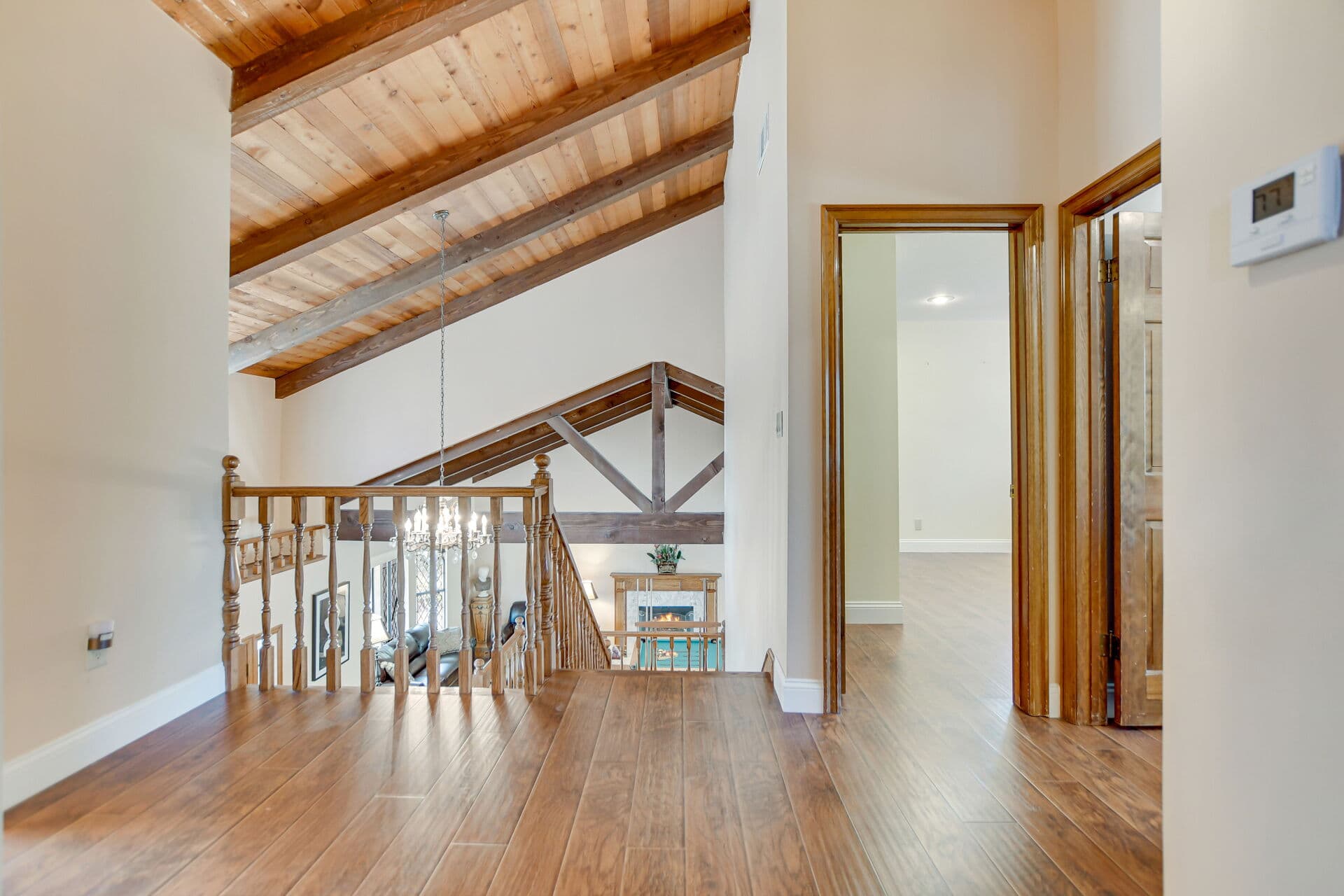
Getting the archive OUT of a Claremont character home is its own technical problem: narrow 1920s hallways, tight stair turns, original door casings and hardwood that predate the furniture-dolly era. Measure the big pieces against the exits before moving day, not during it; insist on floor and casing protection in the crew's written scope; and accept that one or two pieces may need disassembly or a window exit that a crew experienced with older homes will handle calmly and an inexperienced one will improvise badly. The house deserves to survive the move too — chipped casings and gouged floors are exactly the condition damage the NEXT transaction's disclosure and appraisal walk-through will meet.
Anthony Grynchal has been licensed in California since November 2009 and has watched a great many long-tenure households pack their archives — the calm ones triaged first, protected the irreplaceable personally, and hired crews that had met an old house before. This is general information; your insurer's coverage terms and your own irreplaceables govern the real decisions.
Frequently asked questions
How should I pack china and glassware for a move?
Double-walled dish-pack boxes, plates riding vertically like records rather than stacked flat, every void filled with padding, boxes kept light and labeled on their sides. The technique matters more than the wrap quantity — vertical plates survive what flat stacks do not.
What should never go on the moving truck?
Vital documents, jewelry and small heirlooms, irreplaceable photographs and the family archive, medications, and anything whose loss would be a catastrophe rather than a claim. Insurance reimburses market value, and these categories have none that matters — they travel with you.
How do I move vintage furniture out of an older Claremont home?
Measure the big pieces against the exits before moving day, insist on floor and casing protection in the written scope, bag and tape hardware to each disassembled piece, and hire a crew that has actually worked older homes — narrow hallways, tight stair turns, and original casings punish improvisation.
Should I pack everything and sort it out after the move?
No — that is paying to move, store, and unpack decades of deferred decisions. Triage first into move, gift, sell-or-donate, and discard piles, give the keep-decisions to the person whose history it is, and run a separate documents pass so the vital few travel with you.

Written by
Anthony Grynchal
Anthony Grynchal is a California real estate professional with eXp Realty, licensed since November 2009 (California DRE# 01873626), and the Designated Local Expert™ for Claremont — where he has lived for more than 33 years.
More about AnthonyPublished · Updated