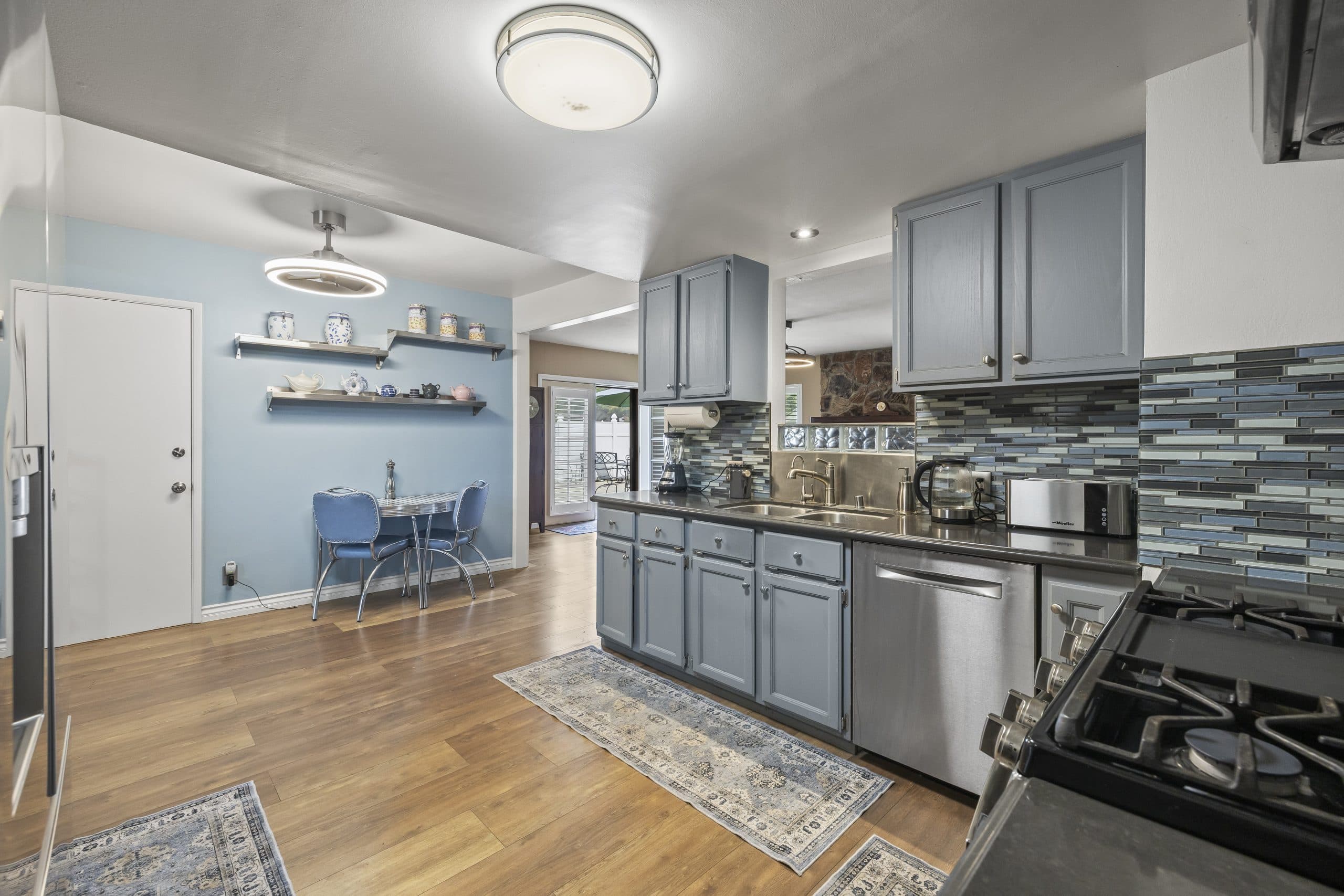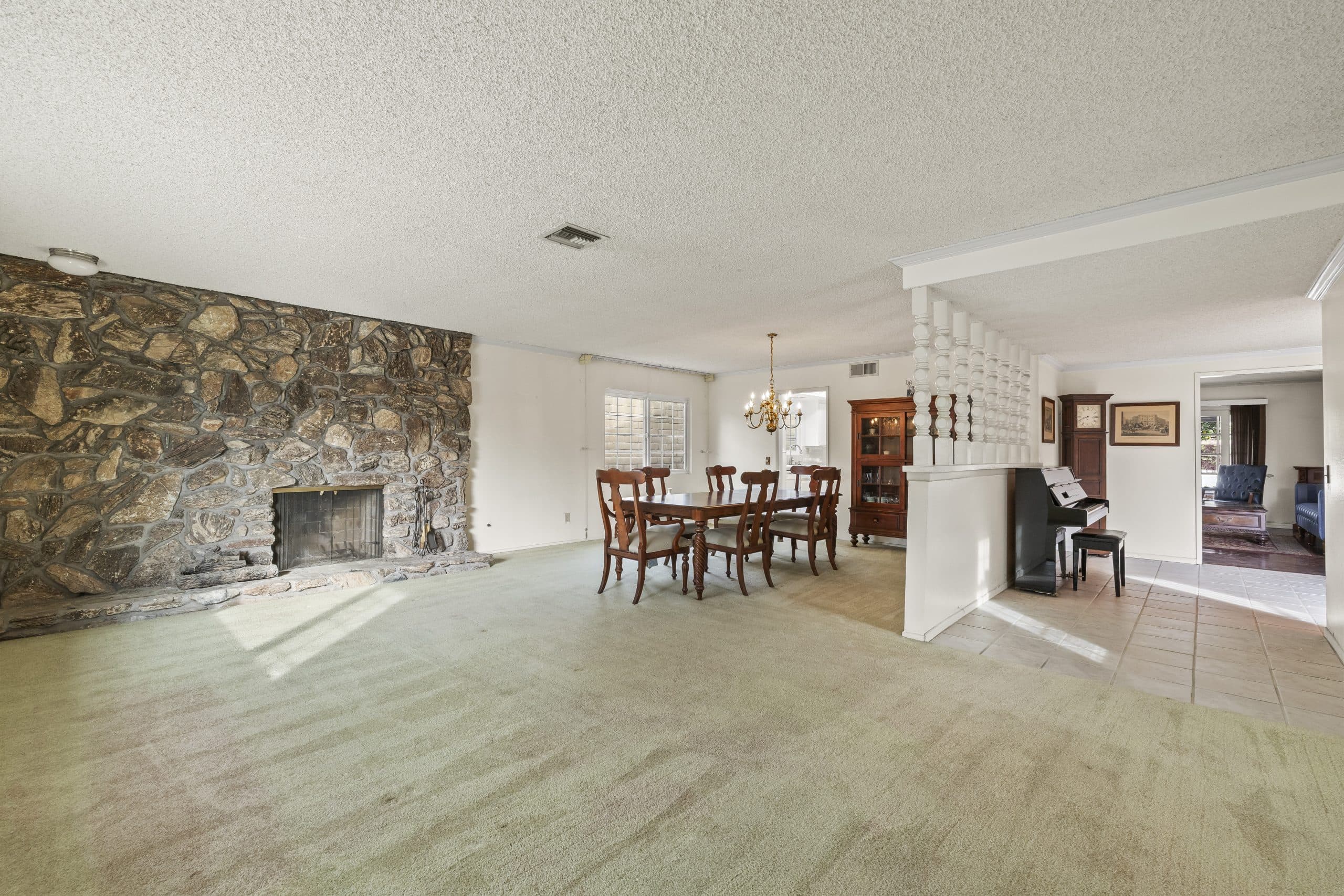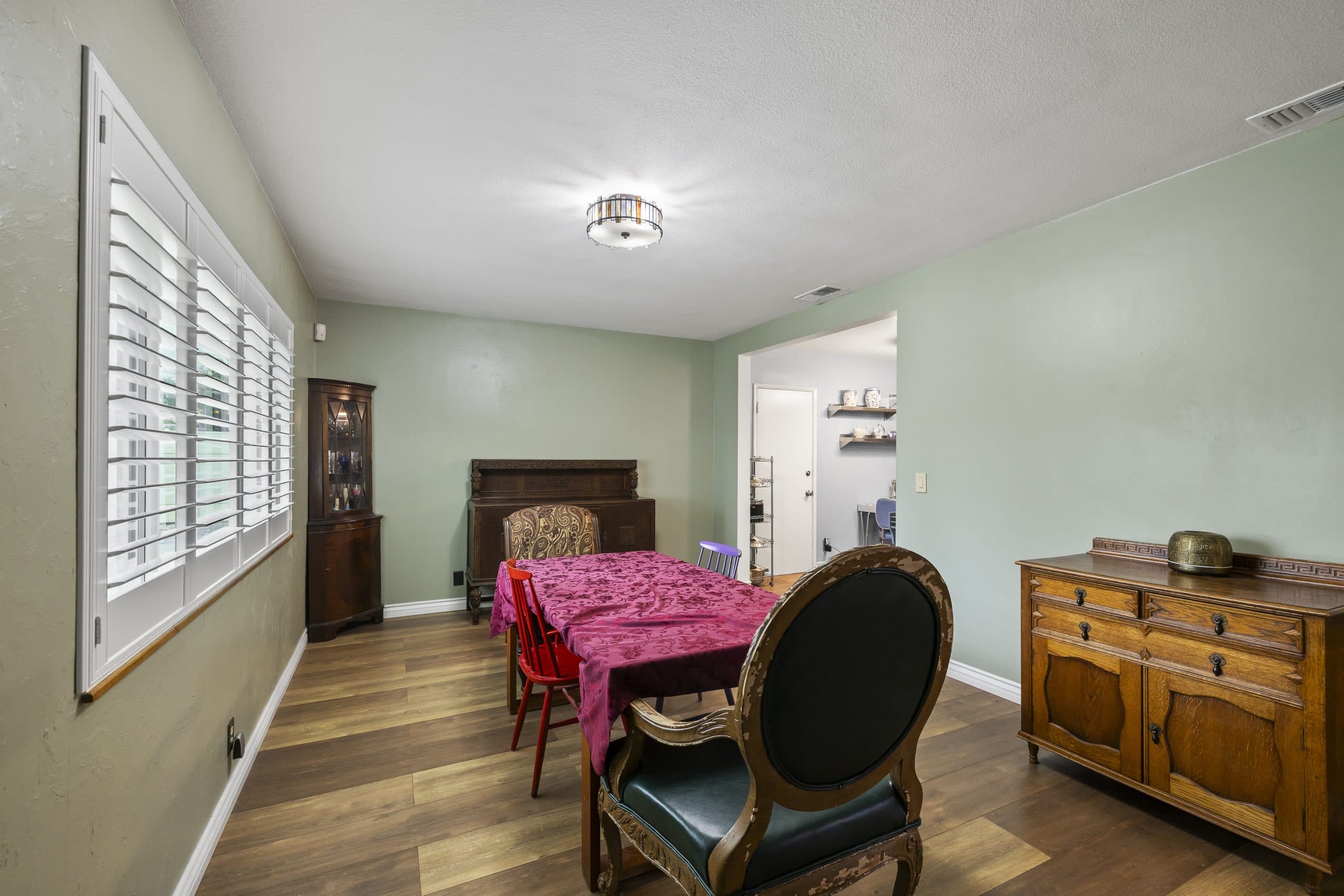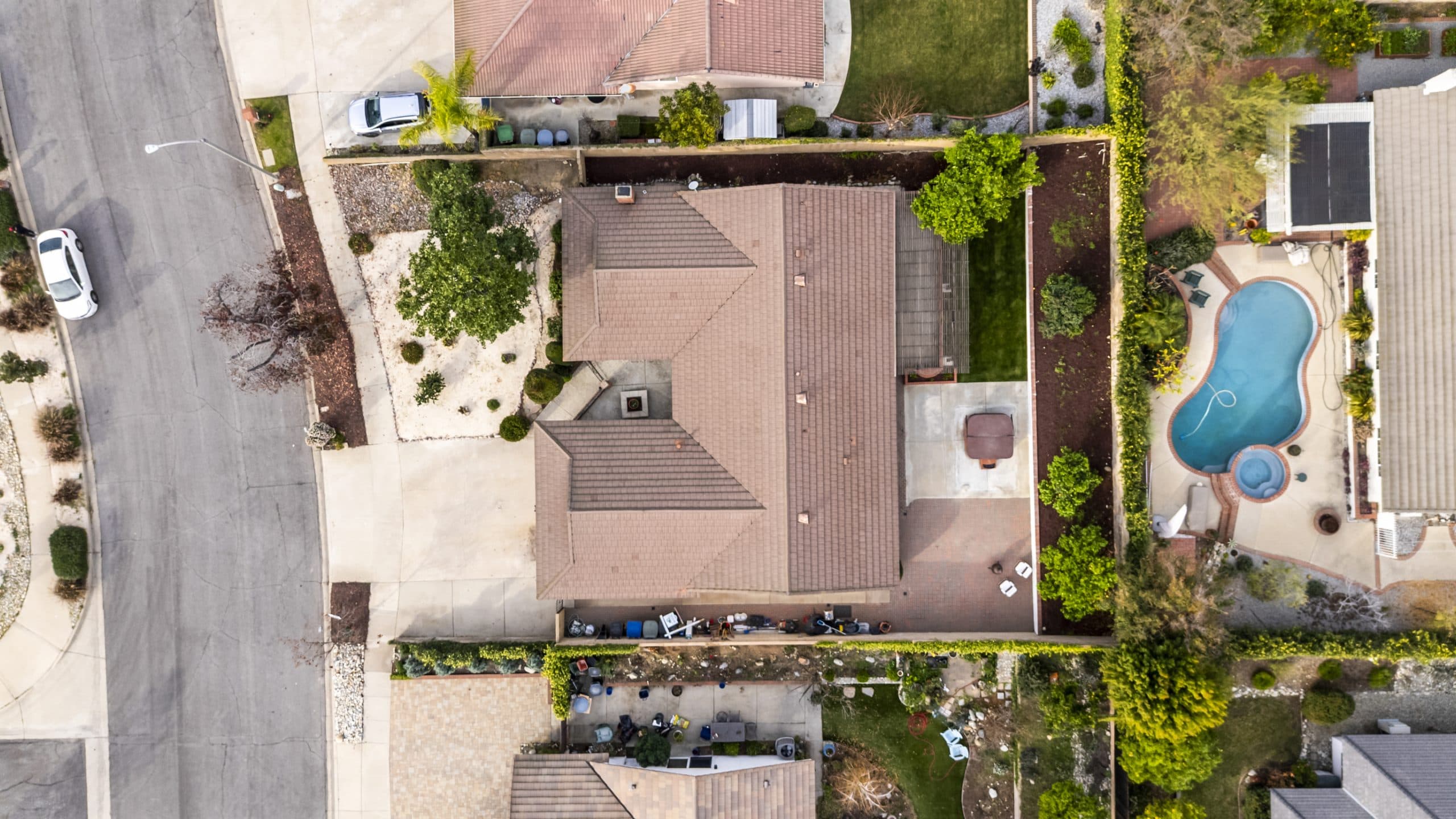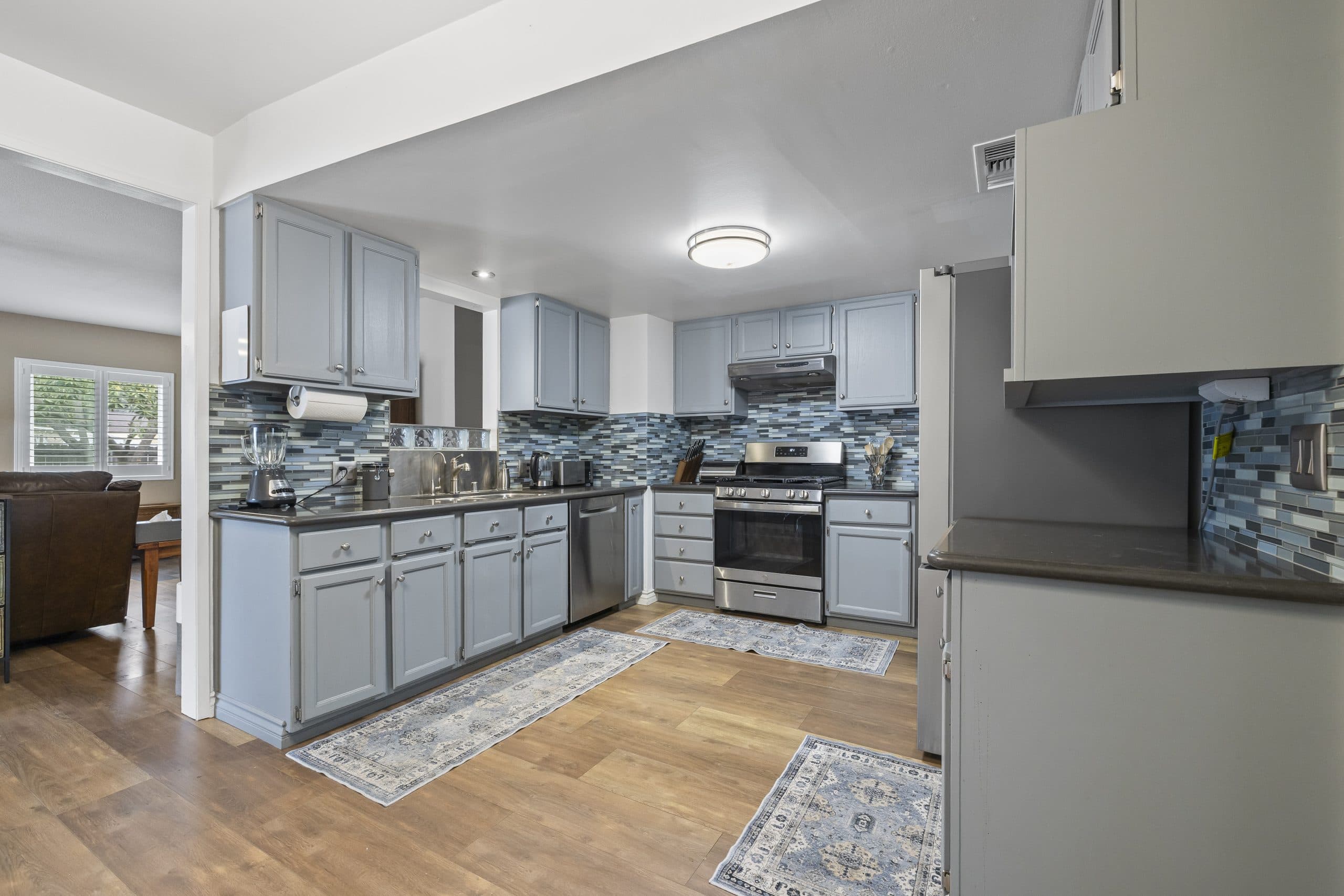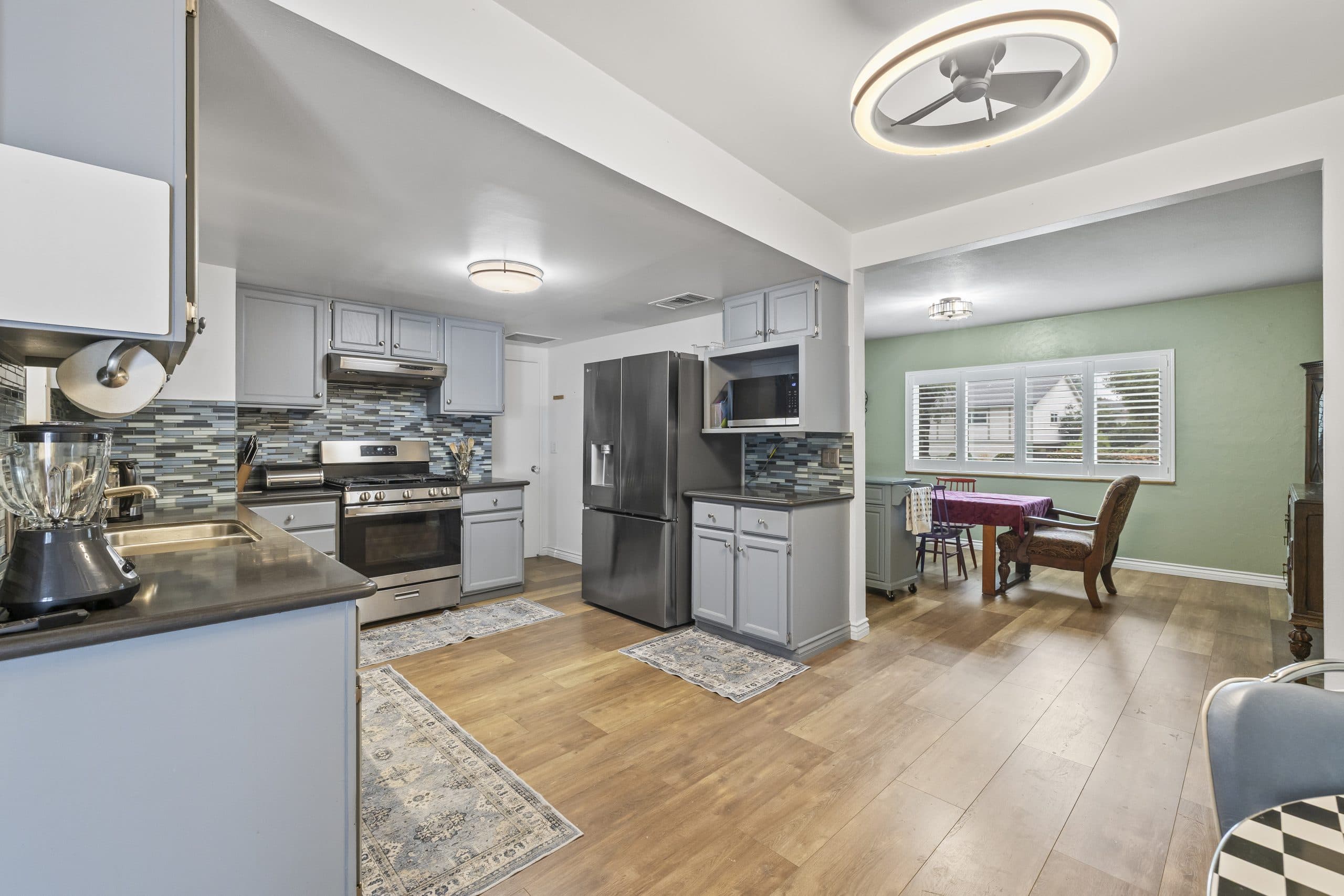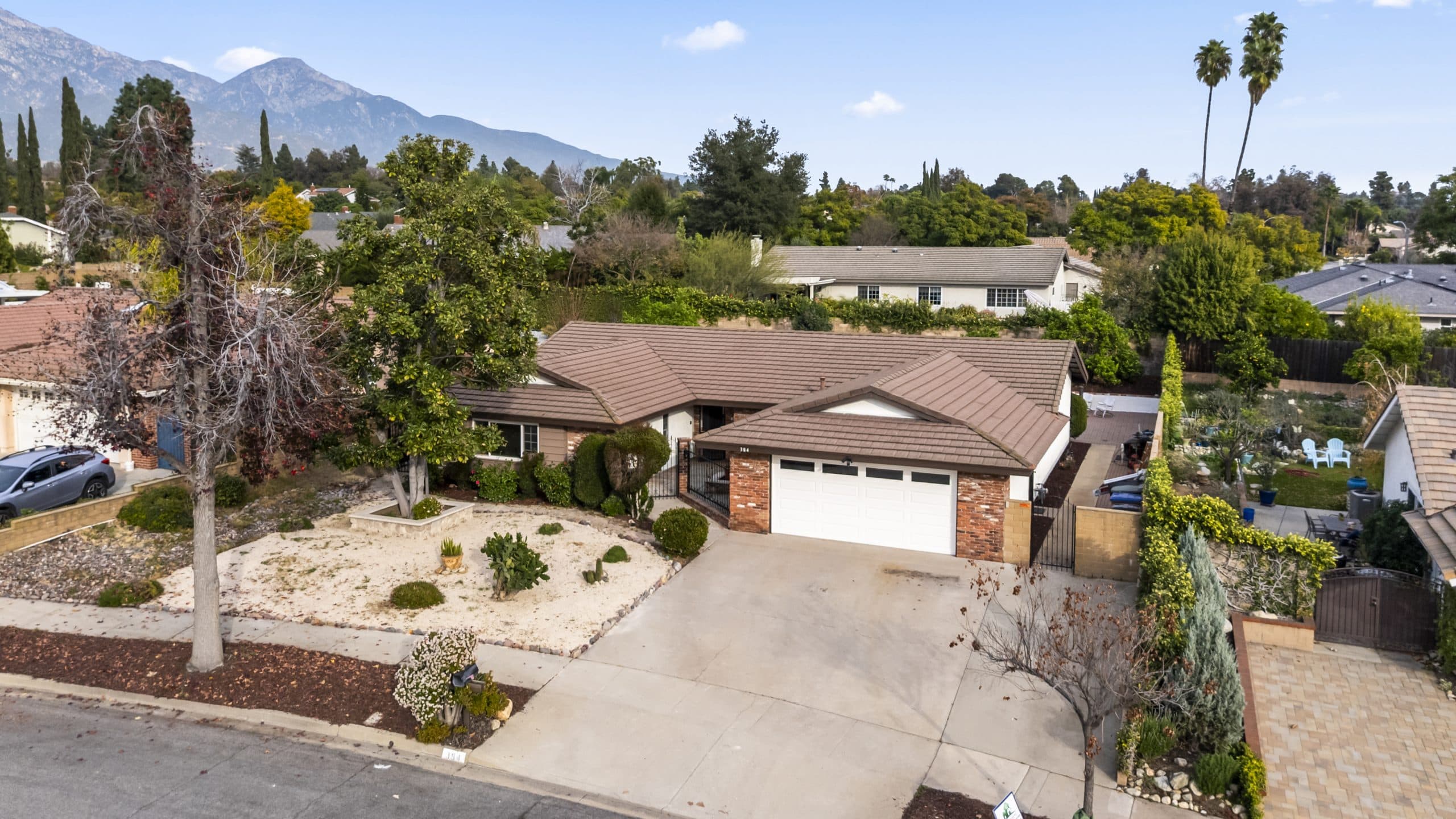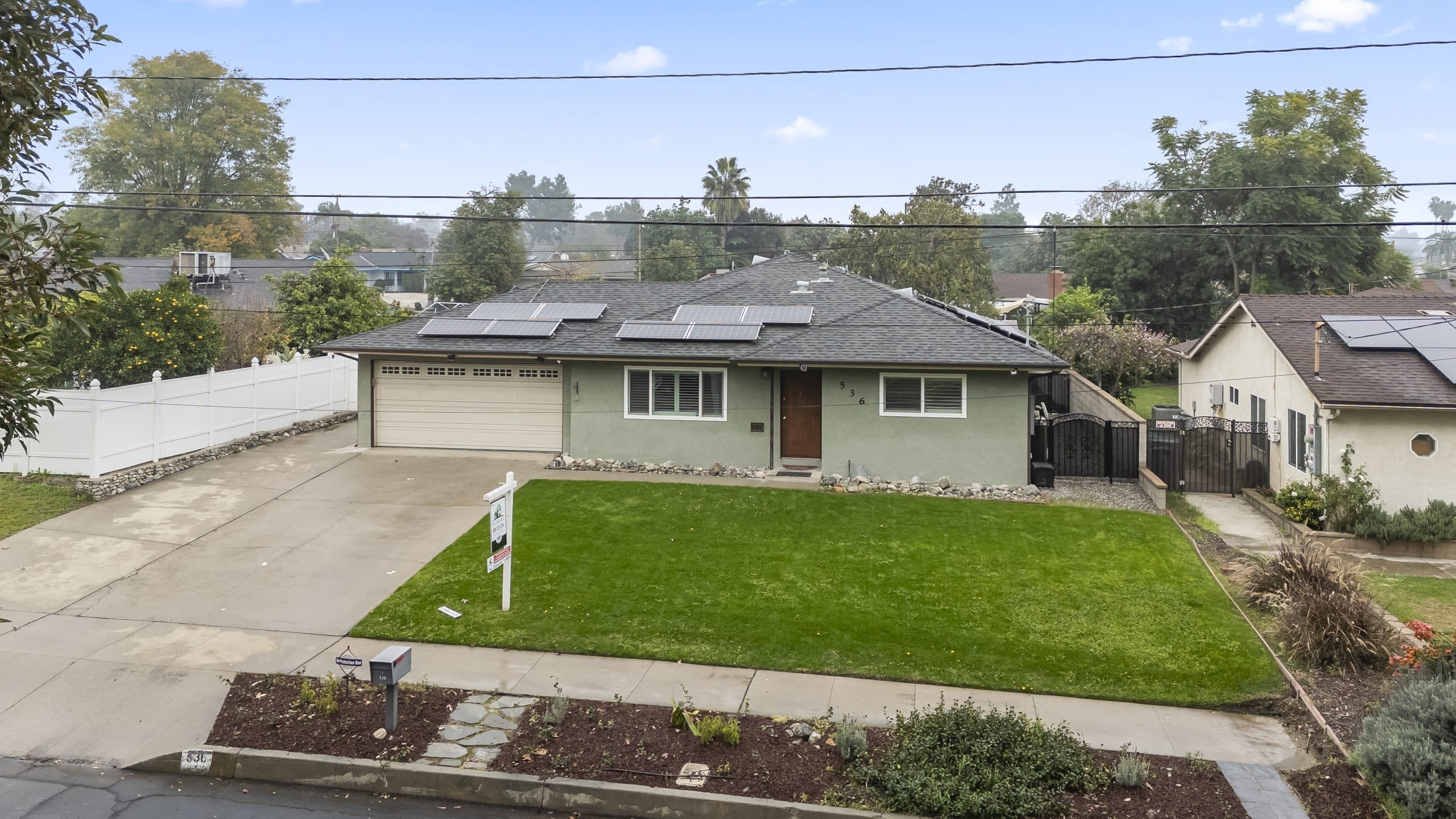
Probate home sales in Claremont are among the most common ways houses here change hands, and almost nobody handling one has ever done it before. This is a city of long tenure: families bought into the mid-century tracts of North Claremont or the older streets near the Village decades ago and stayed, which means that when an owner passes away, the house is often the largest asset in the estate and the heaviest responsibility resting on whoever must administer it. If that is where you find yourself, this page is the calm version of the road ahead: what probate actually is, who has authority to sell, how the court fits in, what the house itself needs while the process runs, and the first steps that make everything after them easier. It is written for executors, administrators, heirs, and the out-of-state family members trying to look after a Claremont property from several time zones away.
Two ground rules before anything else. First, this is general information, not legal advice. Probate is a court process with real deadlines and real personal liability, and every estate deserves a California probate attorney; a good one prevents far more cost than they add. Second, there is no emergency today. Very little in probate is improved by rushing, and almost nothing is lost by taking a week to understand the process before acting on it. I am Anthony Grynchal, Mr. Claremont, licensed in California since November 2009, and a meaningful share of my listing work is exactly this: helping families move a loved one's home through a process none of them chose.
What probate is, and which Claremont homes go through it
Probate is the court-supervised administration of a person's estate: debts are paid, assets are inventoried and valued, and what remains passes to the people entitled to it, all under the oversight of the Superior Court's probate division. When the estate includes a house, the sale of that house happens inside that supervision, under rules built to protect the estate and its heirs rather than to move quickly.
Not every Claremont home takes this road, and it is worth knowing the exits before assuming you need the highway. A house held in a living trust generally passes outside probate entirely, which is precisely why estate planners recommend trusts so insistently; that path runs on its own rules and its own timeline. Property held in joint tenancy, or as community property with right of survivorship, generally passes directly to the surviving owner. California also offers simplified procedures for modest estates, though a Claremont house on its own is usually far too valuable to qualify for them. Whether probate is actually required in your situation is the first question for the attorney, because the answer decides everything downstream.
Who has authority to sell the house
Nobody can sign a listing agreement for an estate on grief and good intentions alone. Authority comes from the court: an executor named in the will, or an administrator appointed when there is no will, receives formal documents confirming the appointment, and those papers are what escrow and title will eventually demand to see. Until the appointment exists, the practical work is preservation, not sale.
California then places personal representatives into one of two lanes, and the lane controls how the sale runs:
- Full authority. Under California's Independent Administration of Estates Act, a representative granted full authority can generally sell the home much the way a conventional owner would: list, negotiate, accept, and close, with formal advance notice to the heirs rather than a court hearing. Most Claremont probate sales I am involved in run this way, and from the buyer's side they feel close to a normal purchase.
- Limited authority. With limited authority, the sale must be confirmed by the court. The accepted offer becomes, in effect, an opening bid: at the confirmation hearing, other buyers may appear and overbid under a court-set formula, and the judge confirms the winning result. It is slower and more formal, and it exists to protect estates where extra oversight is warranted.
Which lane you are in is set by the court and shaped by the will, the heirs, and the attorney's strategy. Ask early, because the answer changes the marketing plan, the timeline, and the buyer pool.
The referee, the price, and the court's arithmetic
Early in administration, the estate's assets are valued for the court's inventory, and for real property that valuation comes from a probate referee, a state-appointed appraiser whose opinion becomes part of the official record. In a confirmation sale, court rules tie the acceptable sale price to that appraised value, so the referee's number is not a formality; it is a rail the sale runs on.
Here is where Claremont's particular character matters. This is a low-turnover town of one-of-a-kind houses, and a long-held estate home is frequently the hardest kind to value: original condition inside a neighborhood of updated comparables, a large North Claremont lot whose worth depends on what a buyer could do with it, a Village-adjacent street where charm carries more of the price than square footage does. A defensible, current market analysis alongside the formal appraisal work protects the estate twice: it supports the price to the court and to the heirs, and it arms the listing against buyers who assume every estate sale is a discount. The mechanics of how valuations behave in this specific city, and what to do when a number comes in wrong, live in the Claremont appraisal guide.
The house itself: belongings, vacancy, and care
The paperwork is half the job. The other half is physical, and it is the half families underestimate. A Claremont estate home usually holds decades of a life: furniture, papers, photographs, a garage archaeology of tools and holiday boxes. The sequence that works is unglamorous. Secure the important documents first, the will, any trust papers, deeds, insurance policies, and account records. Distribute or store what the family treasures. Then let an estate sale company, a donation pass, and a cleanout crew handle the rest, in that order. Give the sentimental work real time: I have sat at more than one Claremont kitchen table while a family sorted fifty years of photographs, and the estates that go smoothly are the ones that budgeted weeks for that work, not an afternoon.
While that happens, the house needs active care. Tell the insurance carrier the home is vacant, because a standard policy is not written for an empty house and a lapse there is a genuine risk to the estate. Keep utilities on for inspections and showings. Keep the yard maintained so the property does not advertise its vacancy, forward the mail, and have someone walk the house weekly. None of this is complicated; all of it is the difference between a home that shows as loved and one that shows as abandoned.
Disclosures, escrow, and how a probate sale closes
California exempts personal representatives from some of the standard seller disclosure forms, on the sensible theory that an executor who never lived in the house cannot describe it the way an occupant could. The exemption is narrower than folklore suggests: known material facts must still be disclosed, and the buyer still inspects everything. Honesty is also simply good strategy, because a probate buyer who trusts the process bids like a buyer, not like a bargain hunter. The wider rules for inherited-property disclosure sit in the title and closing guide, which is also where the title questions that surface in estates, old loans never formally released, vesting surprises, get their full treatment.
Escrow itself runs much like any Claremont sale, with extra paperwork and, in a confirmation sale, extra calendar. The proceeds do not go to the family at the closing table; they go to the estate, where debts, costs, and taxes are settled before anything is distributed. The step-by-step of a California escrow, from deposit to recording with Los Angeles County, is covered in the escrow guide, and it applies here almost unchanged.
Timelines and costs, honestly
Probate is not fast. In California it commonly runs many months, and it is not unusual for an estate to take over a year from filing to final distribution, with the home sale happening somewhere in the middle rather than at the end. Court calendars, notice periods, and the sheer administrative weight of an estate all contribute, and no honest professional will promise you a specific month. What you can control is the critical path: getting the appointment made, the attorney engaged, and the house secured early takes the longest poles out of the tent.
On costs, the honest shape is this: attorney and personal-representative compensation in California probate follows a statutory framework your attorney will walk you through against your actual estate, and on top of that sit court costs, the referee's fee, and the ordinary costs of preparing and selling a home. I deliberately publish no figures here, because every estate's numbers are its own; ask the attorney for the calculation early, so nobody meets it as a surprise at distribution.
First steps for a Claremont executor
If the loss is recent and the list feels impossible, this is the order that works:
- Secure the house. Locks, insurance carrier notified, utilities on, a family member or trusted neighbor keeping an eye on it.
- Gather the papers. The will, any trust, deeds, mortgage statements, insurance, and recent tax records, before anything is moved or discarded.
- Engage a California probate attorney. Everything else sequences behind the petition and the appointment.
- Do not distribute or discard. Nothing leaves the estate, money or belongings, until the authority and the inventory are in place.
- Get a real read on the house. A value opinion and a condition walk-through now, so decisions about repairs, cleanouts, and timing are made with facts instead of guesses.
- Choose an agent who has done this before. The marketing is the easy half; the court fluency, the paperwork discipline, and the patience are the actual job.
The full arc of preparing and selling any Claremont home, pricing, preparation, negotiation, lives in the Claremont selling guide; the probate layer sits on top of it, not instead of it. If you are an executor, an administrator, or a family member sorting out what happens to a Claremont house, call me at (909) 731-5374 for a probate listing consultation. Bring your questions; the conversation is free, unhurried, and private, and if what you actually need first is an attorney, I will say exactly that and help you find one.
Frequently asked questions
Does every Claremont home go through probate when the owner dies?
No. A home held in a living trust generally passes outside probate, and property held in joint tenancy or as community property with right of survivorship generally passes directly to the surviving owner. California also has simplified procedures for small estates, though a Claremont home's value usually puts it well beyond them. Whether probate is required in your situation is the first question to put to a California probate attorney.
Can we sell the house before probate is finished?
Usually yes. The sale happens during administration, not after it: once a personal representative is appointed, the home can be marketed and sold under either full authority, with formal notice to the heirs, or limited authority, with court confirmation of the sale. The proceeds then remain in the estate until debts, costs, and taxes are settled and the court allows distribution to the heirs.
What is a court confirmation sale and the overbid?
When a personal representative has limited authority, the accepted offer must be confirmed at a court hearing, and other buyers may appear at that hearing and overbid under a court-set formula before the judge confirms the final sale. It adds time and formality, and it exists as protection for the estate. Representatives with full authority under California's independent administration rules can generally sell without a hearing.
How long does a probate home sale take in Claremont?
Longer than a conventional sale, and honestly variable. California probate commonly runs many months and can exceed a year from filing to final distribution, with the home sale sitting inside that arc rather than at the end of it. The sale itself, once authority exists, runs on a fairly normal escrow timeline; it is the court process around it that sets the pace. Your attorney can map your estate's specific sequence.