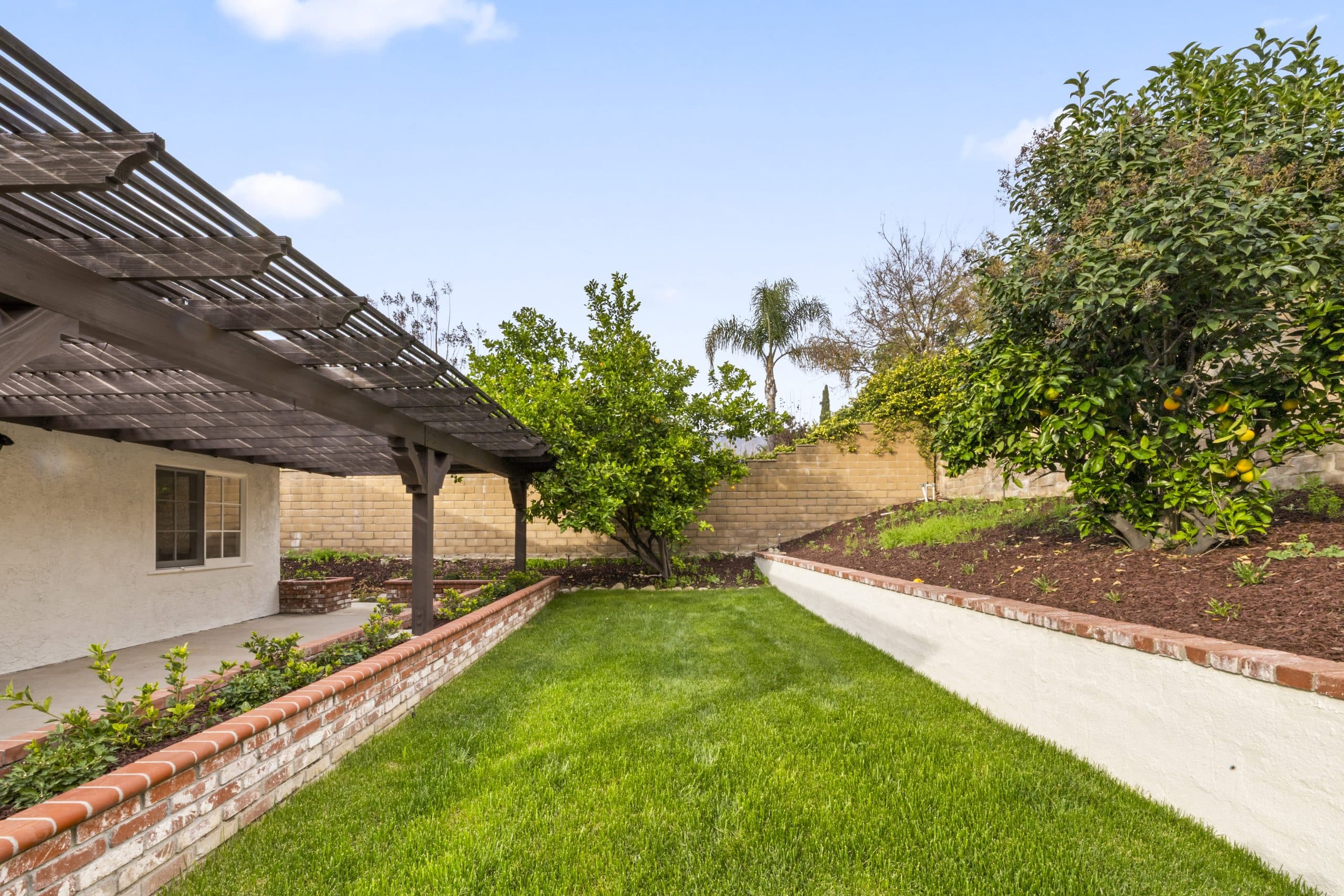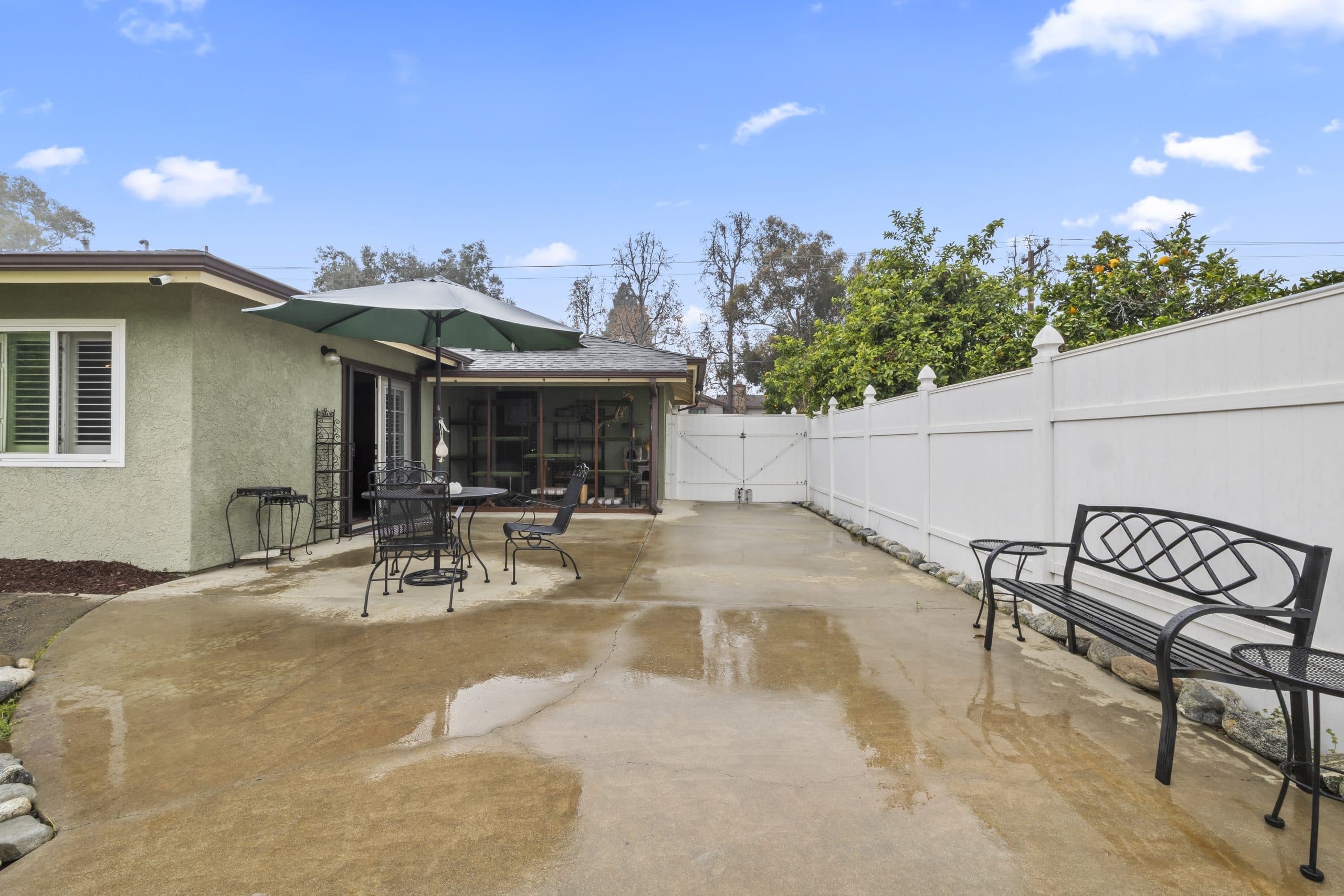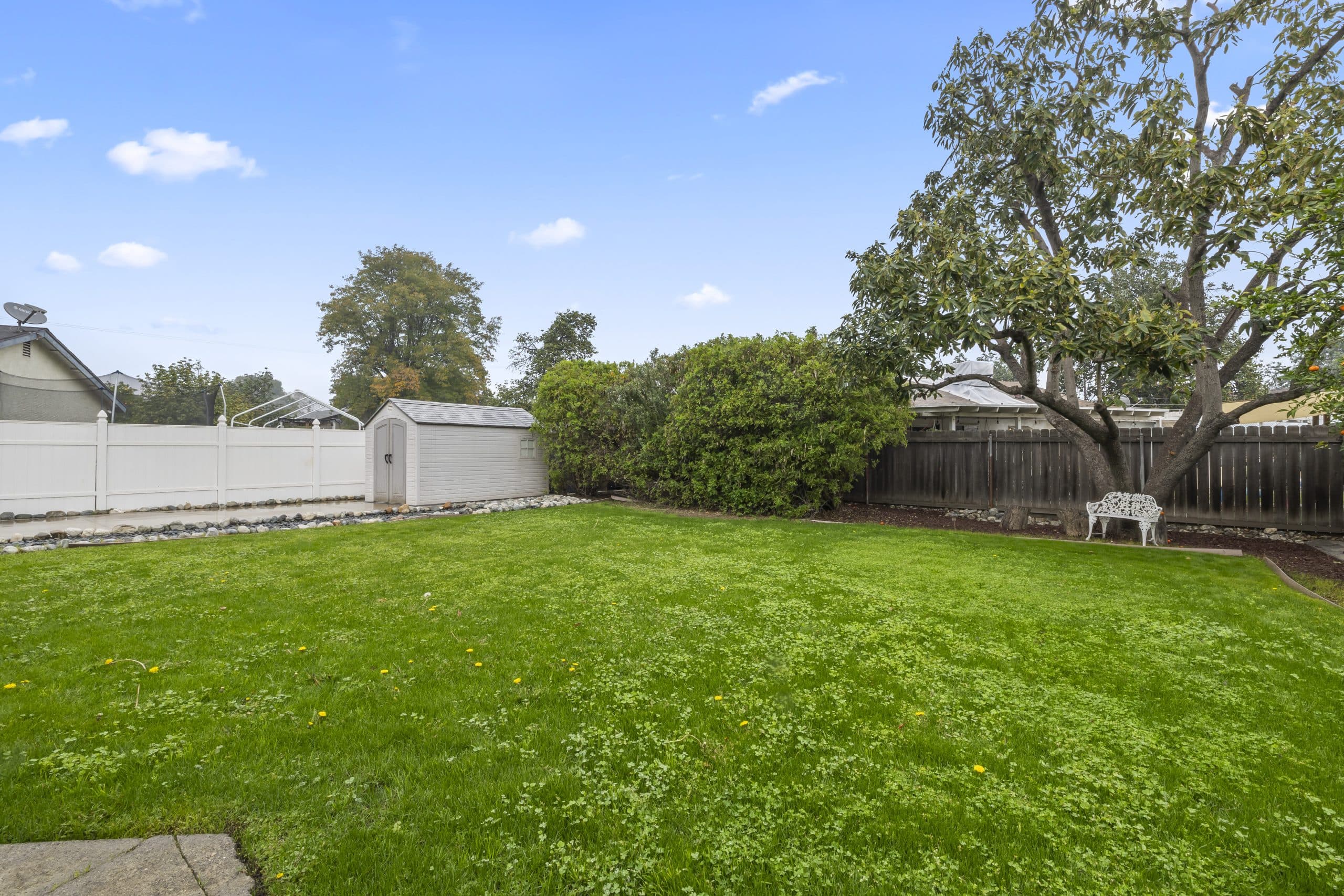
The single most common surprise for a new-home buyer is not a defect. It is the back yard. A house that photographs beautifully from the street is very often delivered with a front yard finished to a standard, a side yard of bare dirt, and a rear yard that is entirely your problem. Nobody hid this. It was simply never discussed, because the sales conversation is about the house.
This article extends the new-construction guide and follows on from the negotiating with builders, since allowances are a negotiating item as much as a design one.
Why the front is finished and the back is not
There are three reasons, and understanding them makes the situation less annoying.
The first is street appearance. A project is judged by how the street looks, and front landscaping is frequently a condition of approval or a governing document requirement rather than a builder's choice. The second is taste. Back yards are personal, and a builder who installs a generic rear yard has spent money that many buyers would tear out. The third is water. California landscape efficiency rules apply to landscape installation, and a builder that installs a full rear yard takes on design, documentation and inspection obligations it may prefer to leave to the owner.
The result is consistent: front done, rear open, and a buyer discovering after move-in that outdoor living is a separate project.
What a landscape allowance actually is
An allowance is a placeholder dollar figure in the contract for work that has not been specified. A landscape allowance is a placeholder for a design nobody has drawn yet, which makes it the vaguest of a category that is already vague.
Ask three questions before you rely on one.
What scope does it cover? Grading only, or planting? Irrigation? Drainage? Hardscape? Fencing? A number that sounds generous for planting is a very different number if it also has to carry a drainage system.
Is it a full cost or an upgrade from a base? Some allowances represent the entire installed price and some represent the difference above an included package. Comparing without knowing which is comparing nothing.
What happens to the difference? If the selected work costs less than the allowance, is the balance credited, and how? If it costs more, when is the additional amount due, and does it run through a change order?
The items buyers forget to budget
Planting is the visible part and often not the expensive part. The costs that surprise people are structural.
DRAINAGE is first. Water has to leave the yard by a designed route, and on a lot with any slope that means area drains, piping and an outlet. This is not decorative and it is not optional, because water that ponds against a foundation or runs onto a neighbor becomes a much larger problem than a landscape budget.
RETAINING AND GRADE come next. Any yard that steps has walls, and walls are engineered objects with footings, drainage behind them and, above a certain height, permits. A single wall can exceed the entire planting budget.
Then IRRIGATION, which is a system rather than a set of hoses: controller, valves, backflow protection, zoning by plant type and sun exposure. Retrofitting irrigation into finished landscaping costs more than installing it first.
Then FENCING, which is often provided only between lots or only along a project perimeter, leaving the rest to the owner. Confirm exactly which fence lines come with the house.
And finally HARDSCAPE - patios, walkways, steps, a pad for equipment. Hardscape is usually the largest single line in a rear yard, and it is the one people picture without pricing.
Do the underground work while the ground is open
The strongest piece of advice in this whole subject is a sequencing one. Anything that goes under a future patio or lawn is cheap while the yard is dirt and expensive afterward.
That list includes irrigation mainline, drainage piping, conduit for lighting, conduit for a future spa or a gate, a gas stub for a grill or fire feature, and a hose bib in the far corner. Running conduit costs little more than the trench it shares. Cutting a finished patio to add it later costs a great deal.
Even if you cannot afford to landscape for two years, consider paying for the rough underground work now. It is the same logic that governs structural options inside the house.
Water rules are part of the design
California requires landscape installations to meet efficiency standards, and the applicable thresholds and documentation depend on the project and the jurisdiction. Whether a specific yard triggers a landscape documentation package, and what has to be submitted, is a question for the City of Claremont's building and planning counters. Ask before you design, because plant palette, irrigation type and soil preparation are all easier to choose once you know what has to be demonstrated.
The design consequence is generally positive. Water-appropriate planting suits this climate, handles heat better and costs less to keep alive, and a well-designed low-water yard reads as intentional rather than austere.
A workable plan
Get the front-yard scope in writing. Get the rear-yard scope in writing, including which fences. Price drainage and grade first, hardscape second, planting last. Do the underground work before the yard is finished, even if the surface waits. And treat the landscape as a phase of the project with its own budget rather than a rounding error at the end of the house.
For the surrounding sequence, see the building and buying new, and check the HOA and Mello-Roos checks before choosing anything visible from the street. Anthony Grynchal has been licensed in California since November 2009.
Frequently asked questions
Do new homes come with a back yard?
Frequently not. Many new homes are delivered with front landscaping installed, because street appearance is often a condition of approval or a governing document requirement, and with the rear yard left as bare ground for the owner to design and install.
What should a landscape allowance cover?
That depends entirely on how it is written, which is why it has to be read rather than assumed. Ask whether it covers grading, drainage, irrigation, hardscape, fencing and planting or only some of those, whether it is a full cost or an upgrade above a base, and how any unspent balance is handled.
What is the most overlooked cost in a new back yard?
Drainage and retaining. Both are engineered, both are required rather than optional on sloping ground, and either can exceed the entire planting budget. They are invisible in the finished yard, which is exactly why they get left out of the mental budget.
Should I install irrigation and conduit before I can afford landscaping?
Usually yes. Underground work is inexpensive while the yard is open dirt and expensive once patios and lawns are in. Mainline, drainage, lighting conduit and a gas stub can all be roughed in now and connected whenever the surface work happens.

Written by
Anthony Grynchal
Anthony Grynchal is a California real estate professional with eXp Realty, licensed since November 2009 (California DRE# 01873626), and the Designated Local Expert™ for Claremont — where he has lived for more than 33 years.
More about AnthonyPublished · Updated