Every new-home buyer is handed an options list and told there is a deadline. What almost nobody explains clearly is that there are SEVERAL deadlines, they are weeks or months apart, and the ones that close first are the ones that matter most. Miss a finish cutoff and you change a countertop later at your own expense. Miss a structural cutoff and the thing you wanted is gone for the life of the house.
This article extends the new-construction guide and pairs with the negotiating with builders, because what you choose and what you pay for it are two different conversations.
The one distinction that governs everything
Divide the entire options list into two piles.
STRUCTURAL options change the building. A room instead of a covered patio. A bedroom in place of a loft. A door moved. A window added. Rough plumbing for a future sink. Conduit run to a spot where a car charger will go. Extra framing in a wall so a heavy fixture has something to attach to. Additional electrical circuits. A prewire for speakers, cameras or a network rack.
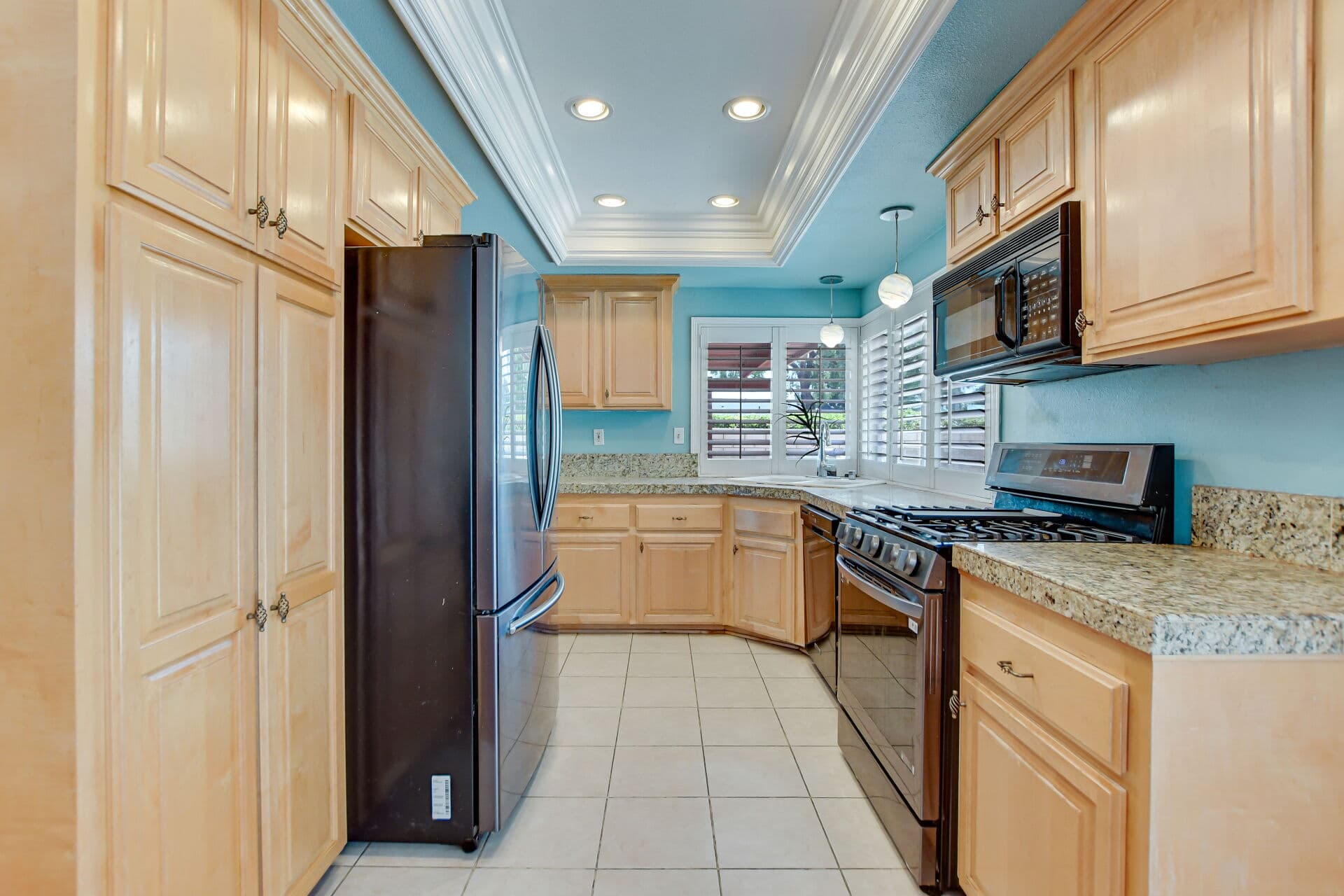
FINISH options change what you see. Cabinet door style, counters, tile, flooring, paint, plumbing fixtures, lighting fixtures, hardware, appliance packages.
Structural choices close before framing, sometimes before the slab. Finish choices close much later, and many of them can be redone after move-in by any contractor at a competitive price. That single asymmetry should drive nearly every decision about where the money goes.
Spend early money on things that are hard to add later
The honest test for a structural upgrade is simple: how much would it cost to do this in a finished house? If the answer involves opening walls, moving plumbing stacks, pouring concrete or pulling a permit, buy it now. If the answer is a weekend and a hand tool, do not.
Items that usually pass the test include additional electrical capacity and circuits, conduit to the garage and to the attic, rough plumbing for a future bar sink or a utility sink, blocking in walls, an extra hose bib, a floor outlet where a sofa will float, structured wiring, and any change to the footprint or the roofline.
Items that usually fail the test include most lighting fixtures, mirrors, cabinet hardware, closet organizers, window coverings, and appliance packages that can be bought elsewhere. These are legitimately convenient to have done, and convenience has value. Just recognize that you are buying convenience, not access.
Read what the base actually includes
The base specification is a document, and it is the only reliable description of the house you are contracting for. The model home is not that document. Models are built to sell and are commonly finished at or near the top of the options list, occasionally with features that are not offered at all.
Walk a model with the base spec in hand and ask, room by room, what in this room is standard. Do it in the kitchen, the primary bath and the laundry, because that is where the gap between base and model is usually widest. Ask the same question about the garage, which is where insulation, drywall finish, lighting and outlets vary most quietly.
Understand how the options price behaves
Two mechanics catch people out.
First, some options are priced as an upgrade from a base allowance rather than as the full cost, and others are all-in. Ask which is which so you are comparing like with like.
Second, options money and financing do not always mix the way buyers assume. Depending on the loan and the lender, some or all of an options deposit may need to come from cash outside the loan, and options generally have to be paid for on the builder's schedule rather than at closing. This is worth a direct conversation with your lender before the design appointment, not after, and it is one of the mechanics discussed alongside the construction loan guide.
Take the design appointment seriously
The design center visit is a long, pleasant, well-lit meeting where a great many decisions get made quickly. Go in with three things: your base spec, a written budget number you have decided in advance, and a ranked list of the structural items you want. Bring photographs of your actual furniture if flooring or paint is on the table.
Ask for the selection sheet to be printed and read it before signing. Selections become a contract addendum, and correcting a misrecorded selection after it is installed is expensive and slow.
What to leave alone
Leaving items at base is a strategy, not a failure. A base kitchen with good bones can be upgraded later, on your own timeline, by contractors you chose, with materials you compared at leisure. What cannot be done later, or can only be done painfully, is anything behind drywall.
The buyers who look back happiest are usually the ones who spent their early money on capacity - electrical, conduit, plumbing rough-in, blocking, footprint - and left the pretty parts for a year when the mortgage was no longer new.
A short sequence that works
Get the base spec. Separate structural from finish. Set a total number. Buy the hard-to-add items first, in rank order, until the number is spent. Take whatever is left to finishes. Confirm every cutoff date in writing, including the one for changes of mind. Then stop looking at the options list, because it is designed to keep being interesting.
When the selections are locked and the house starts going up, move on to the punch list walkthrough for how the finish stage gets verified. Anthony Grynchal has been licensed in California since November 2009.
Frequently asked questions
What is the difference between a structural option and a finish option?
A structural option changes the building itself: footprint, walls, doors, windows, rough plumbing, electrical capacity, framing and conduit. A finish option changes what you see and touch. Structural choices close early, usually before framing, and are the ones that cannot practically be added later.
Are builder upgrades worth it?
It depends entirely on which pile the item sits in. Upgrades that are difficult or disruptive to add after drywall are usually worth buying from the builder. Upgrades that any contractor can install in a finished house are a convenience purchase, and you can compare pricing on those at your own pace after you move in.
Can I change a selection after the cutoff date?
Sometimes, and usually not for free. Once a cutoff passes the builder has typically ordered materials or scheduled trades. Late changes are handled as change orders, with their own pricing and schedule impact, and some are simply refused because the work has already been built.
Does the model home show what I am buying?
No. A model is a marketing tool and is usually finished at or near the top of the options list, sometimes with features that are not offered for sale. The base specification document is the accurate description of the house under contract.

Written by
Anthony Grynchal
Anthony Grynchal is a California real estate professional with eXp Realty, licensed since November 2009 (California DRE# 01873626), and the Designated Local Expert™ for Claremont — where he has lived for more than 33 years.
More about AnthonyPublished · Updated