Plans change. A job moves, a family grows, a marriage ends, an opportunity appears. Sometimes a buyer needs to sell a home that is barely a year old, in a community where the developer is still selling houses.
That is a specific selling situation and it deserves a specific answer, because you are not simply competing with other resale homes. You are competing with a professional seller with unsold inventory, a sales office, a marketing budget and the ability to offer things you cannot.
This article extends the new-construction guide and complements the new versus resale article, which describes the same choice from the buying side.
Check the paperwork before anything else
Start with your own documents, because they may bear on what you can do and when.
Ask an attorney to check whether your purchase agreement, the association's governing documents or any recorded instrument contains provisions relevant to a resale or a rental in the early period. Some agreements address assignment before closing, and some communities address leasing.
Also check what obligations pass with the house. Warranty coverage and its procedure, any association requirements, and any documents a buyer will expect to receive. The warranty claim article describes the file you should already have, and handing a complete one to a buyer is genuinely persuasive.
Understand what you are competing against
A developer with unsold homes has tools a private seller does not. It can offer options and upgrades at trade cost, contribute to closing costs, offer financing incentives through an affiliated lender, and deliver a brand-new house with a full warranty and no history at all.
What it usually will not do is discount the headline price, for the reason set out in the negotiation article: a low sale price becomes a comparable for everything else in the project.
That last point cuts both ways for you. It means the visible asking prices around you tend to hold up, and it also means the real cost of a new house next door may be lower than its sticker suggests once incentives are counted. Your buyer will feel that difference even if they cannot see it on a price sheet.
Where your house is genuinely stronger
Do not sell apologetically. A resale in a new community has real advantages, and they are the ones to lead with.
IT IS AVAILABLE NOW. A buyer who needs to move in weeks cannot buy something that will be finished in months. Immediacy is worth a great deal to the right buyer, and it is the single most reliable advantage you have.
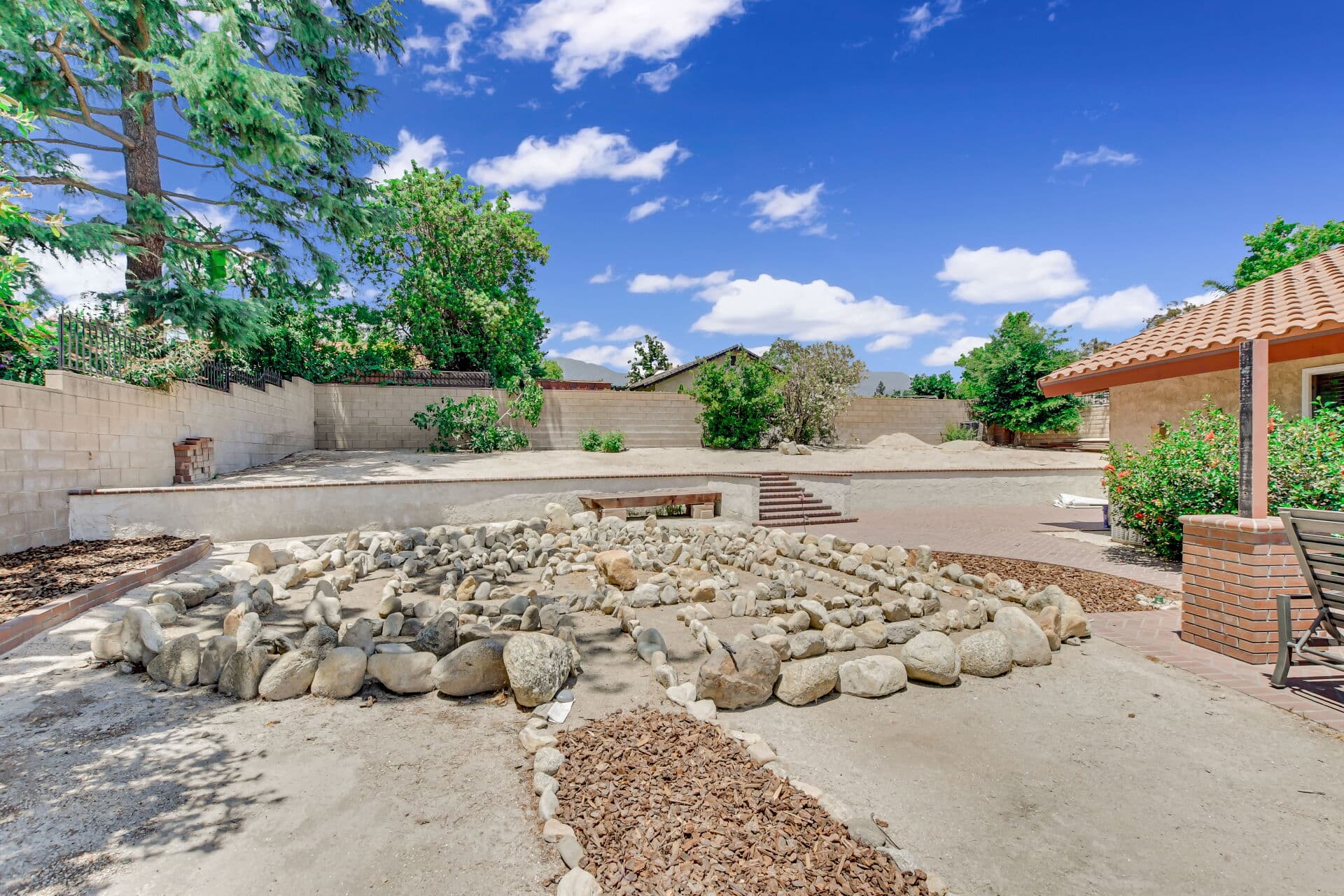
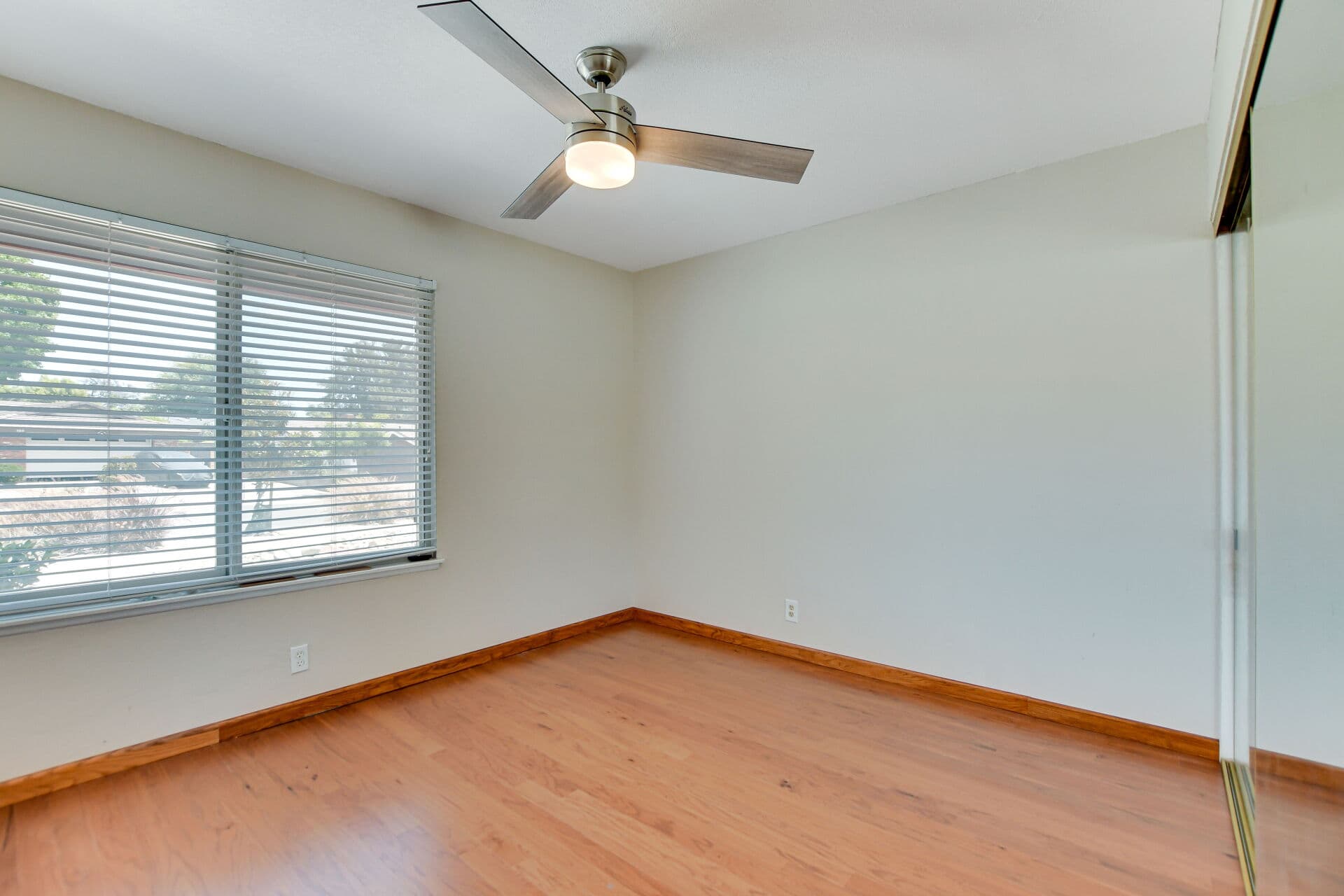
IT IS FINISHED. Window coverings, landscaping, hardscape, lighting, fencing, storage, screens. A new house is delivered without most of that, and the buyer pays for it after closing. Your house has already absorbed those costs, and it is fair to say so plainly.
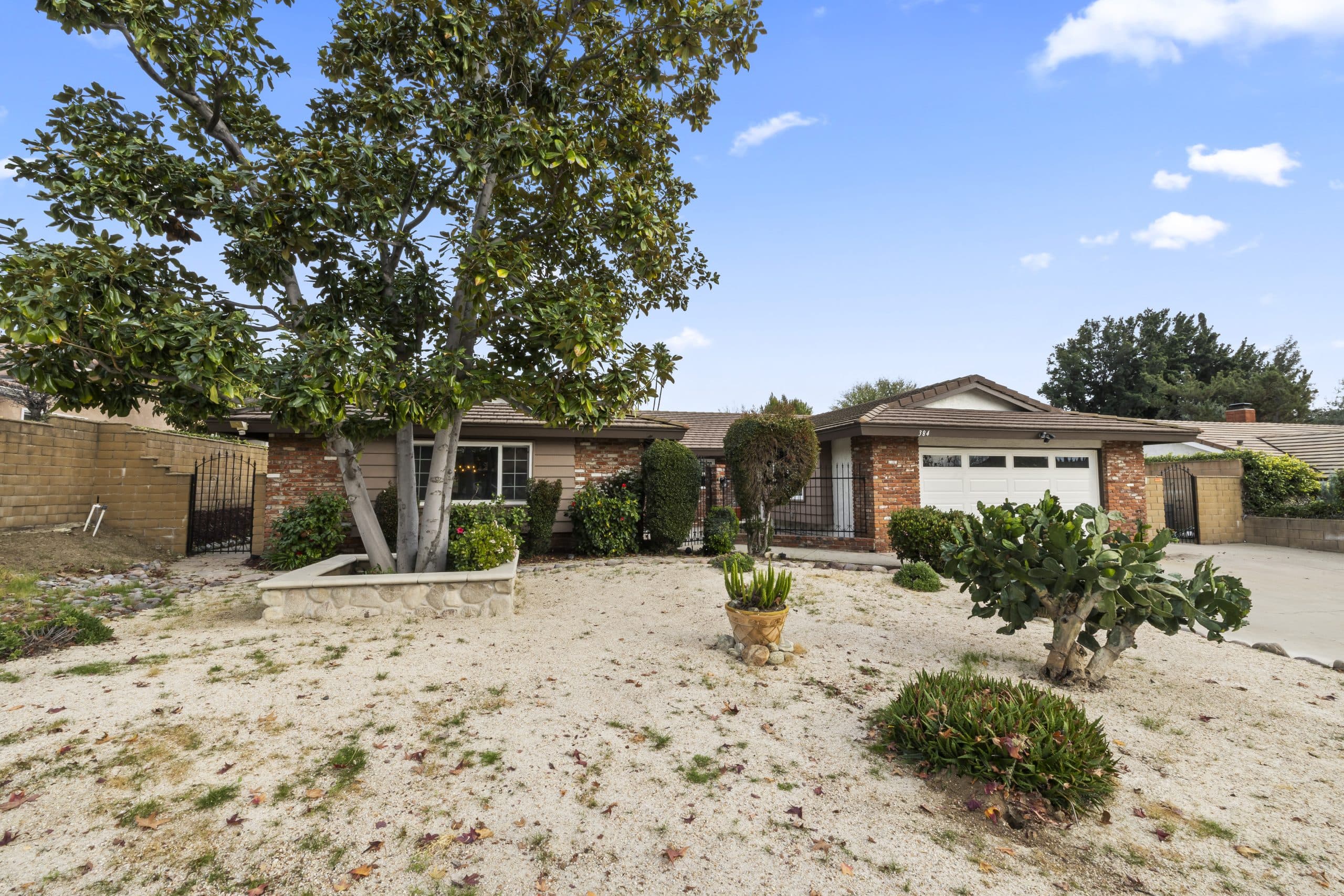
IT IS KNOWN. The lot is visible, the outlook is real rather than projected, the neighbours exist, and the house has been lived in long enough for anything obvious to have surfaced.
IT MAY CARRY REMAINING WARRANTY. Whether and how coverage continues depends on your documents; if it does, that is worth stating accurately with the paperwork to support it.
Price against the real competition
Pricing here needs more care than usual, because the obvious comparables are misleading in both directions.
The sales office price sheet is not the effective price of a new home once incentives are counted. Sales inside the project may not reflect what a buyer actually needed to bring. And a house like yours, with finished landscaping and window coverings, is not the same product as an empty new one at the same number.
This is a case where a careful, current comparative analysis is worth more than usual, and where a professional who can read the project as well as the market earns their place. Getting the number right at the start matters more here than almost anywhere, because a resale that sits in a community with an active sales office looks worse each week.
Presentation matters more, not less
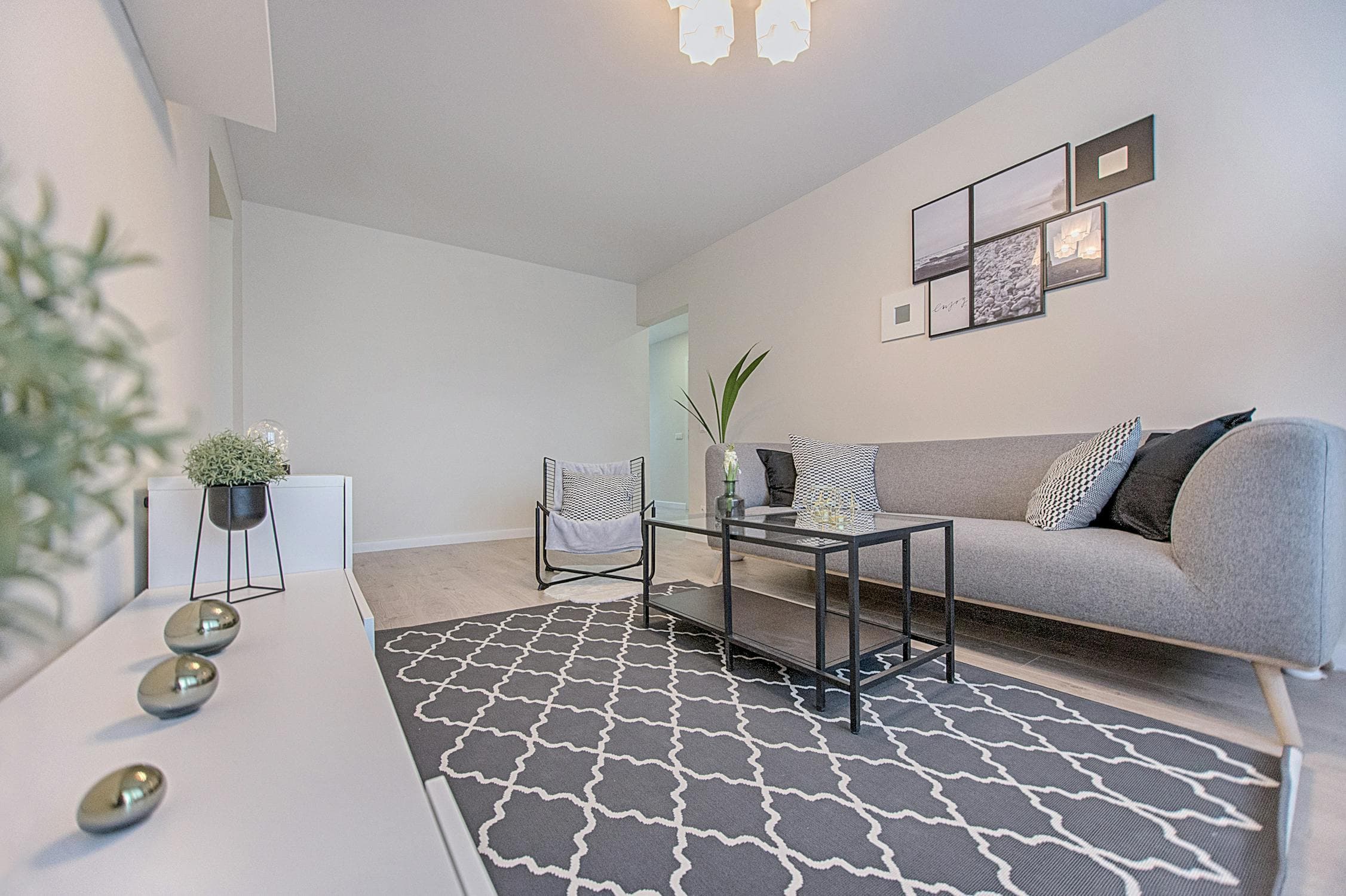
Your buyer is walking through a professionally staged model on the same day they walk through your house. That is a demanding comparison and it is the one you have to meet.
Neutral, clean, uncluttered, well lit, with the finished elements visible and obvious. Photograph it properly. Make the yard the star if the yard is where your money went, because a mature garden is the one thing a new house genuinely cannot produce.
The model home article explains what you are being compared against, and it is useful reading from the selling side too.
Timing and expectations
Be realistic. Selling into active new-home inventory can take longer, and the field narrows as the project sells out.
Ask how many homes remain unsold, and what the release schedule looks like. If the answer is a handful, your position improves quickly. If the answer is several phases, plan for a longer marketing period and price accordingly rather than discovering it after two months.
Where to go next
Return to the hub above for the whole arc, then read the lot premium article, because the advantages of your position are frequently the strongest part of your listing.
If you need to sell a nearly new home in Claremont and want a clear view of what you are competing with, get in touch. Anthony Grynchal has been licensed in California since November 2009.
Frequently asked questions
Can I sell a new home shortly after buying it?
Usually yes, but check your purchase agreement, the association's documents and any recorded instrument first, with an attorney reading them. Some agreements address assignment or early resale.
How do I compete with the builder's unsold homes?
Lead with immediacy and completeness. You can deliver now, and your house already has landscaping, window coverings and the other items a new home is delivered without.
Does the warranty transfer to my buyer?
That depends on your warranty document. Read it, confirm what continues and under what conditions, and hand the buyer a complete file rather than a summary.
How should I price against new inventory?
Against the effective price of a new home including incentives, not the price sheet, and with credit for what your house already includes. A current, careful comparative analysis matters more here than usual.

Written by
Anthony Grynchal
Anthony Grynchal is a California real estate professional with eXp Realty, licensed since November 2009 (California DRE# 01873626), and the Designated Local Expert™ for Claremont — where he has lived for more than 33 years.
More about AnthonyPublished · Updated