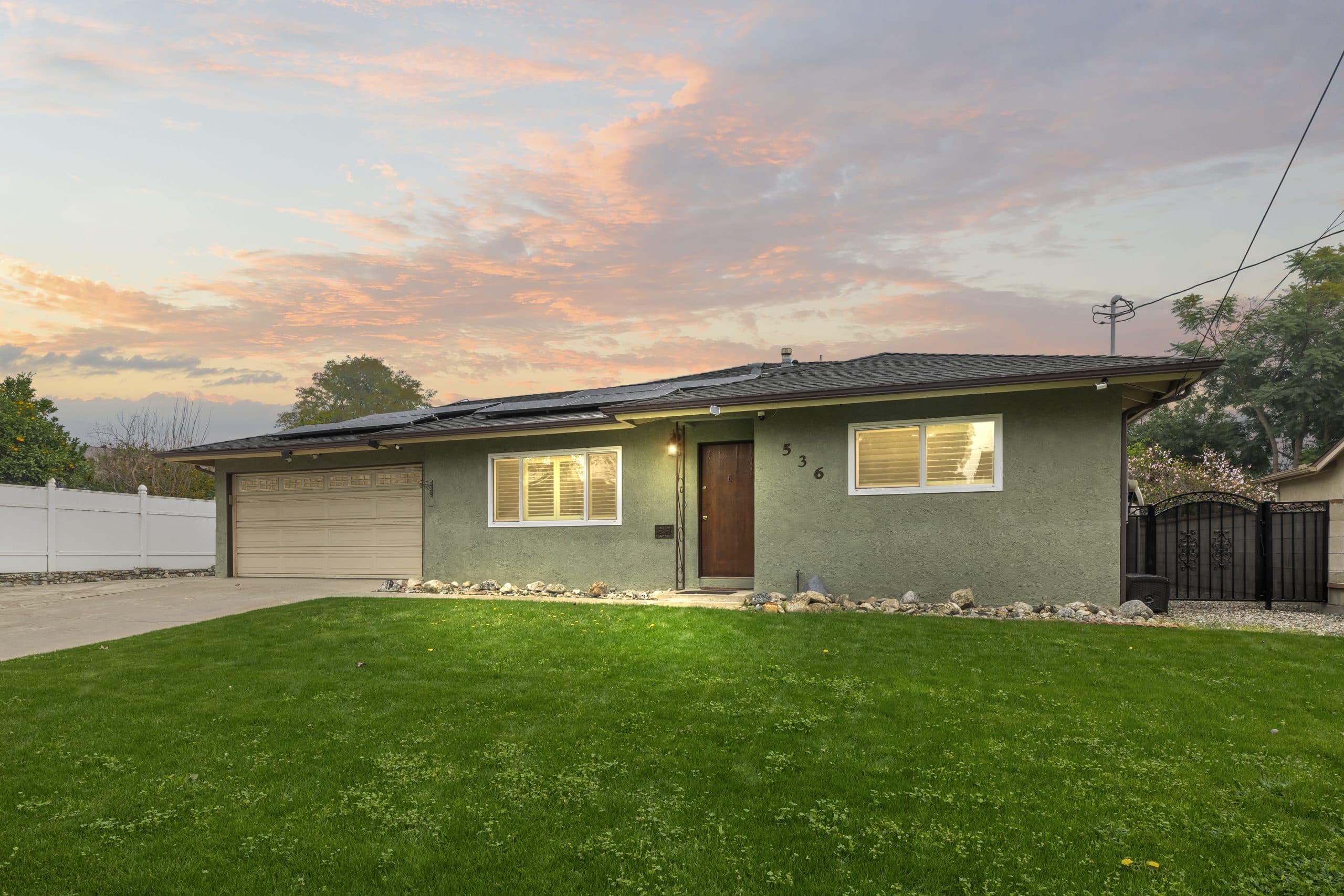
The model home is the best-executed house in the project, and it is meant to be. It is furnished by professionals, lit deliberately, decorated to a scheme, landscaped fully, kept immaculate, and often built on one of the better positions on the site.
None of that is dishonest. It is a showroom, and a showroom's job is to show a product at its best. The mistake is not the model. The mistake is walking out believing you have seen the house you are about to buy.
This article extends the new-construction guide and pairs with the options and upgrades article, which explains why these decisions arrive earlier than buyers expect.
The three layers you are looking at
Everything in front of you falls into one of three categories, and the model rarely labels them for you.
WHAT IS STANDARD is what comes with the house at the price on the sheet.
WHAT IS AN OPTION OR UPGRADE is available for additional money, decided at a design appointment, and frequently constrained by the construction schedule.
WHAT IS NOT AVAILABLE AT ALL is the third layer and the one people miss. Furniture, art, window treatments, some millwork and built-ins, and occasionally staging modifications made for display purposes only.
Walking a model without knowing which layer you are admiring is how a buyer forms an expectation the contract will not meet.
The question that does most of the work
Ask it in every room, out loud, and ask it about specific things rather than about the room in general.
Is this standard, is it an option, or is it not available? And if it is an option, what is it called on the option list?
The second half is the important half. An answer like upgraded cabinets is not something you can order, price or verify. A line item with a name and a number is. The negotiation article makes the same point about incentives, and for the same reason: a specification only protects you when it is precise enough to be checked.
What to look at, room by room
FLOORING is the most common divergence and the most expensive to change later. Ask what is standard in each area, not in the house generally, because standards frequently differ between living space, bedrooms and wet rooms.
CABINETRY AND COUNTERTOPS. Ask about door style, box construction, hardware, height, and what the standard surface actually is. Then ask which of those are separable choices and which come as a package.
APPLIANCES. What is included, what is an upgrade, and what is simply staged. A display kitchen may hold equipment that does not appear on any list.
LIGHTING AND ELECTRICAL. Fixtures are often not standard. Neither are additional outlets, data runs, pre-wiring, or exterior circuits. These are cheap before drywall and expensive afterwards, which is exactly the argument in the pre-drywall article.
WINDOWS AND DOORS. Style, glazing, hardware, and whether the model's larger openings are standard on your elevation.
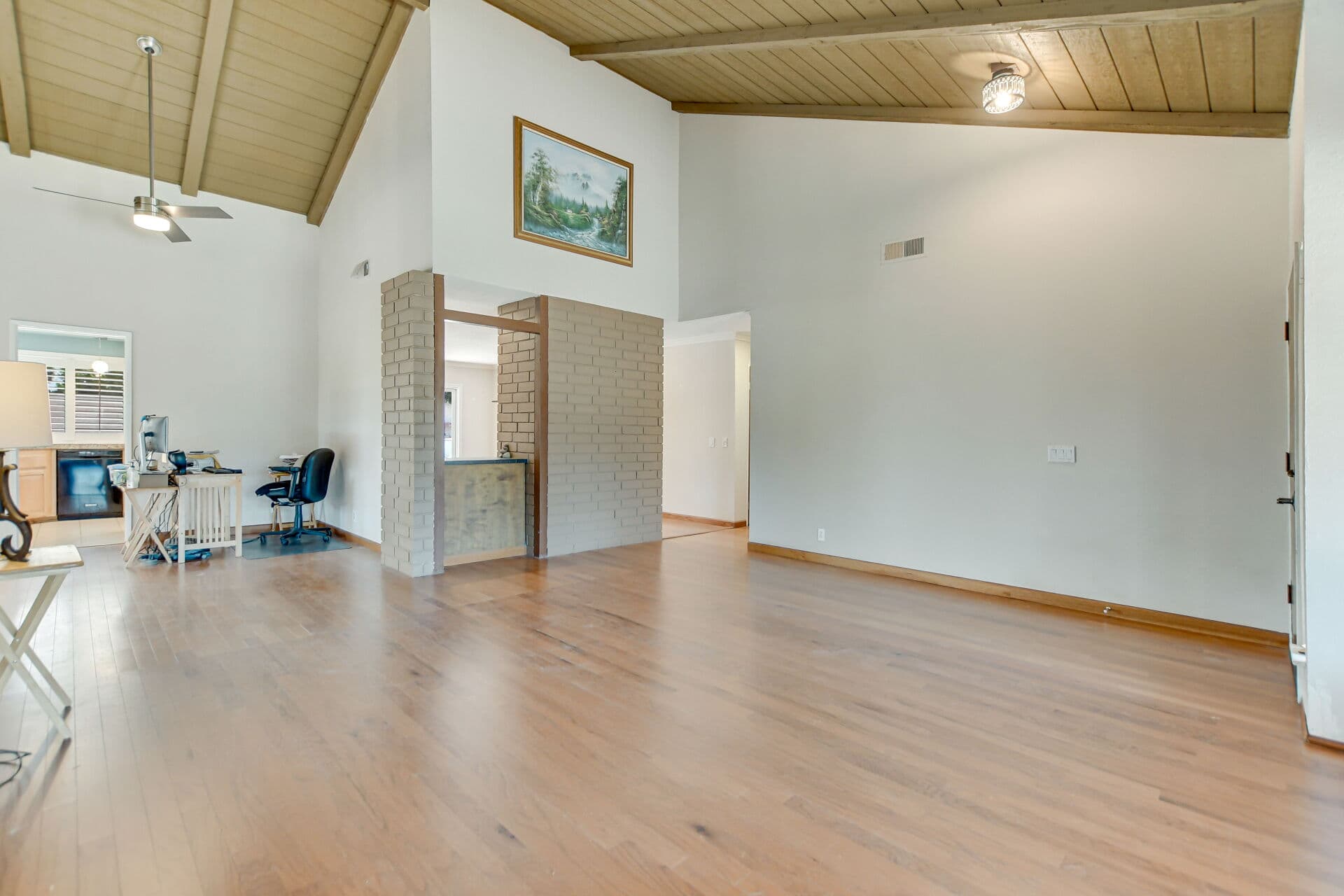
BUILT-INS, TRIM AND CEILING TREATMENTS. These are frequently model-only, and they are a large part of why the model feels finished in a way a delivered house does not.
BATHROOMS. Enclosure type, tile extents, mirrors and fittings, all of which vary between the display and the base specification more often than buyers assume.
The lot and the landscape are part of the illusion
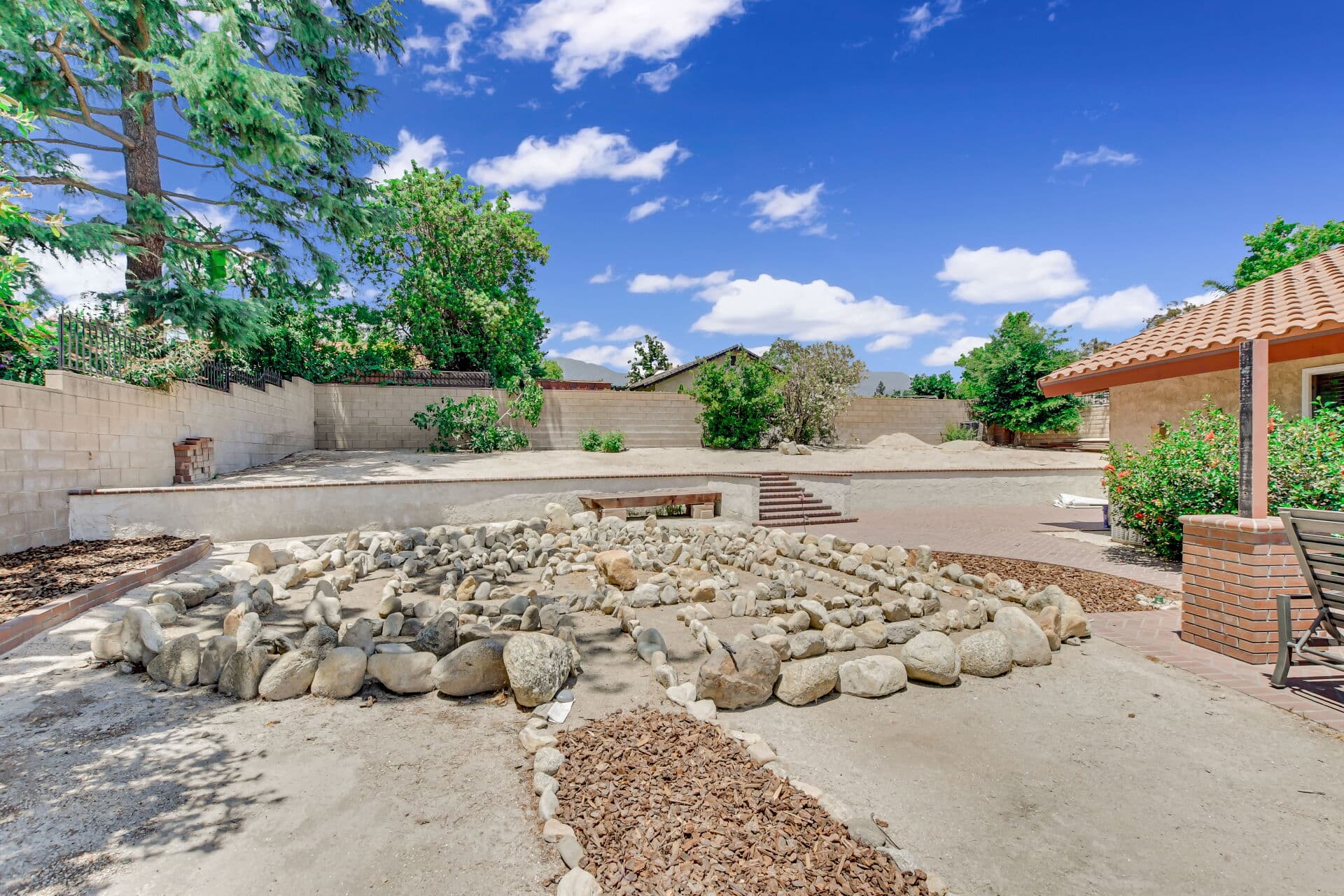
The model usually sits on a good position with mature planting, finished hardscape, exterior lighting and irrigation, all installed at once.
Your lot may be different in orientation, size, slope and outlook. That is a durable difference, and it is the subject of the lot premium article.
Your landscape allowance is very likely to be thinner than what you are standing in. The landscape allowance article is the honest version of that conversation, and it is worth reading before the model's garden sets your expectations.
Take a feature sheet, and take photographs
Ask for the standard feature list and the option list in writing, and take them away with you. Then photograph the model methodically, and annotate the photographs the same evening while you still remember what you were told.
This is not distrust. It is the same discipline that helps anywhere: a written specification and a dated record beat a warm memory of a Saturday afternoon. When you later stand in your own finished house, that record is how you check that what arrived matches what was agreed.
Ask to see something unfurnished
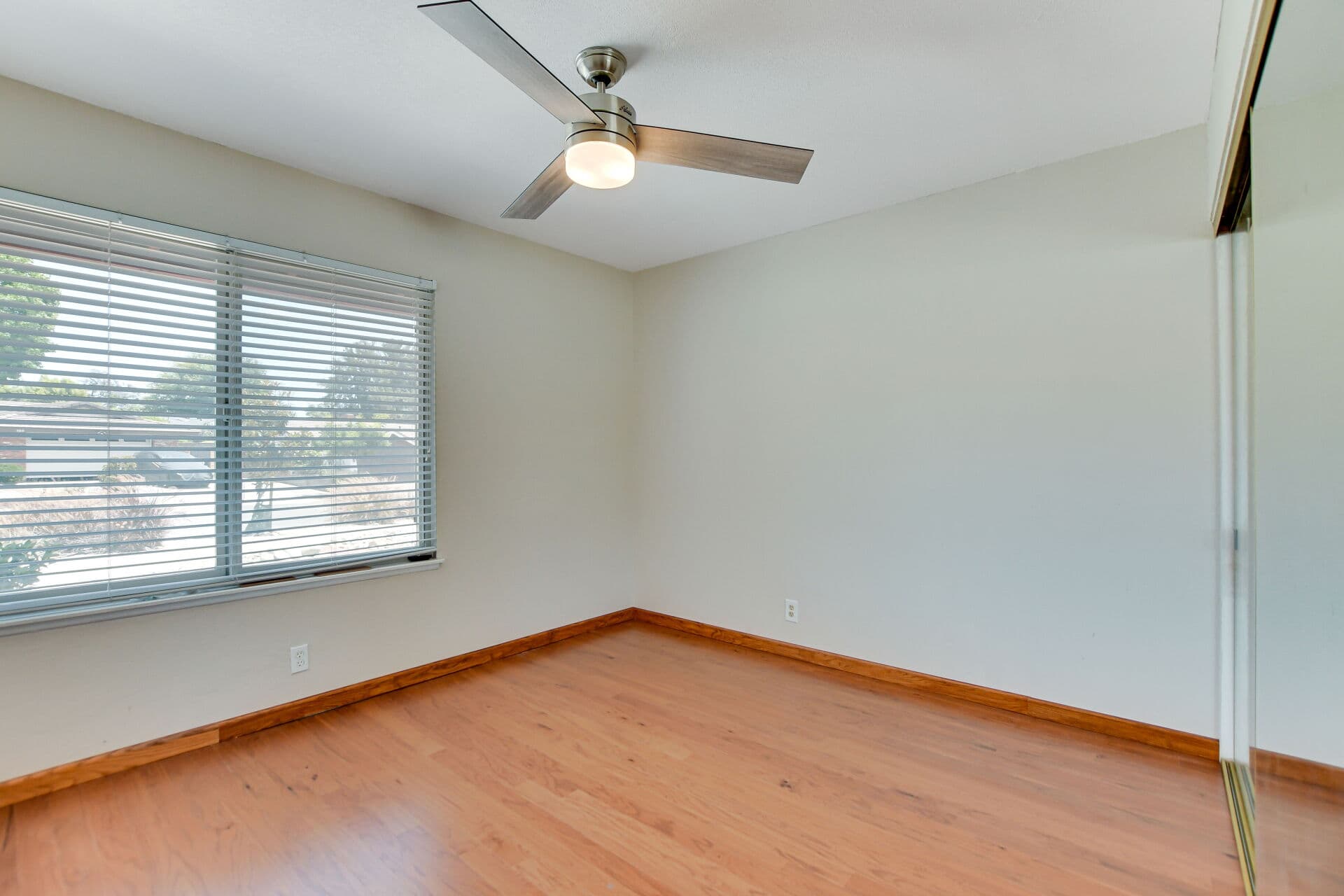
If the project has a house at drywall or finish stage, ask to walk it. An empty room reads its true size, its true light and its true proportions in a way a furnished one never does.
Furniture in a model is frequently scaled to flatter the room. There is nothing improper about that, but a bed that looks generous in a photograph may be a smaller bed than yours.
Walk the standard specification if you possibly can. It is far more useful than walking the best version, because it is the version you are contracting for.
Keep the pressure in perspective
A model is designed to create desire, and it works. The antidote is not cynicism, it is sequence: see the model, take the documents home, decide what you want in writing, and then price it.
Decisions made in a showroom are usually more expensive than the same decisions made at a kitchen table two days later. That is not a trick anyone is playing on you. It is just how showrooms work, everywhere.
Where to go next
Return to the hub above for the full arc, then read the sales office article, because who represents whom in that beautiful room is the other half of this subject.
If you want your own representation walking a new-home community in Claremont, get in touch. Anthony Grynchal has been licensed in California since November 2009.
Frequently asked questions
Is everything in a model home included in the price?
Usually not. Models typically combine standard features, paid options and items that are not available at all, such as furniture, art and some built-ins. Ask about each item specifically.
How do I tell standard from upgrade?
Ask in every room whether an item is standard, an option or display only, and ask for the option's line-item name. Then take the standard feature list and option list home in writing.
Should I ask to see an unfinished house?
Yes, if one is available. An unfurnished house at drywall or finish stage shows true room size, light and proportion far better than a professionally staged model.
Will my landscaping look like the model's?
Rarely at move-in. Model landscaping is typically installed complete and mature, while a delivered home is limited by its allowance. Read your allowance carefully before setting expectations.

Written by
Anthony Grynchal
Anthony Grynchal is a California real estate professional with eXp Realty, licensed since November 2009 (California DRE# 01873626), and the Designated Local Expert™ for Claremont — where he has lived for more than 33 years.
More about AnthonyPublished · Updated