A surprising number of people at any Claremont open house are not buying this year. Some are eighteen months out, some are waiting on a job or a lease or a lender conversation they have not had yet, and almost all of them feel vaguely as though they are trespassing.
They are not. Early looking is a legitimate and genuinely useful use of an open house, provided you are straightforward about what you are doing. This deepens the open house guide.
Say what you are at the door
The whole question resolves in one sentence at the entry: I am early in my search and looking to learn the area. That is it.
A professional host will welcome that and will not push, because a host who is any good knows that today's browser is a real buyer later and that a pushy first encounter is how you guarantee they call somebody else. What creates awkwardness is not being early; it is pretending to be further along than you are, which produces follow-up you do not want and a conversation neither person can steer.
Being honest also gets you better information. A host who knows you are learning will tell you about the neighbourhood, the vintage of the housing stock, why a street prices differently to the one behind it. A host who thinks you are writing this week will talk about the offer situation instead, which is useless to you.
What the sign-in sheet means when you are early
Give a name. You are asking to walk through somebody's bedrooms, and a record of who was in the house is a reasonable thing for a seller to have.
Beyond that, calibrate. A name and a note that you are browsing is an entirely acceptable entry. If you already have an agent, write their details, because it routes any follow-up correctly and ends the intake conversation before it starts. Nobody is obliged to hand over a mobile number, a price range, a lender or a timeline at the door; those are conversation topics, not required fields. The sign-in sheet article goes through this properly.
Watch the digital sign-in apps in particular. They drop your details straight into an automated follow-up system, sometimes with consent language you did not read. Paper, where it is offered, is easier to control.
What early looking is actually good for
Not for finding your house. For building the frame you will judge houses with, which is the thing buyers most often lack and most regret lacking.
CALIBRATION is the main one. After a dozen homes you develop a sense of what a given kind of house feels like and what condition looks like at different vintages. Buyers who skip this stage arrive at the offer stage with no reference points and end up either paralysed or overexcited by the first decent house they see.
LAYOUT PREFERENCES are the second, and they are almost impossible to work out on paper. Whether you actually want an open plan or find it noisy. Whether a separate room you can shut matters to you. How you feel about a split-level, a single storey, a long thin lot, a garden that faces the wrong way. People discover these standing in rooms, not scrolling.
VINTAGE AND CONDITION is the third. Claremont has a wide range of housing stock and the eras behave differently: older homes with character and older systems, mid-century plans with their own quirks, newer construction with different trade-offs entirely. Walking a range teaches you what maintenance looks like at each age, and that knowledge is what stops a first-time buyer being frightened by ordinary wear or reassured by fresh paint.
The neighbourhood question
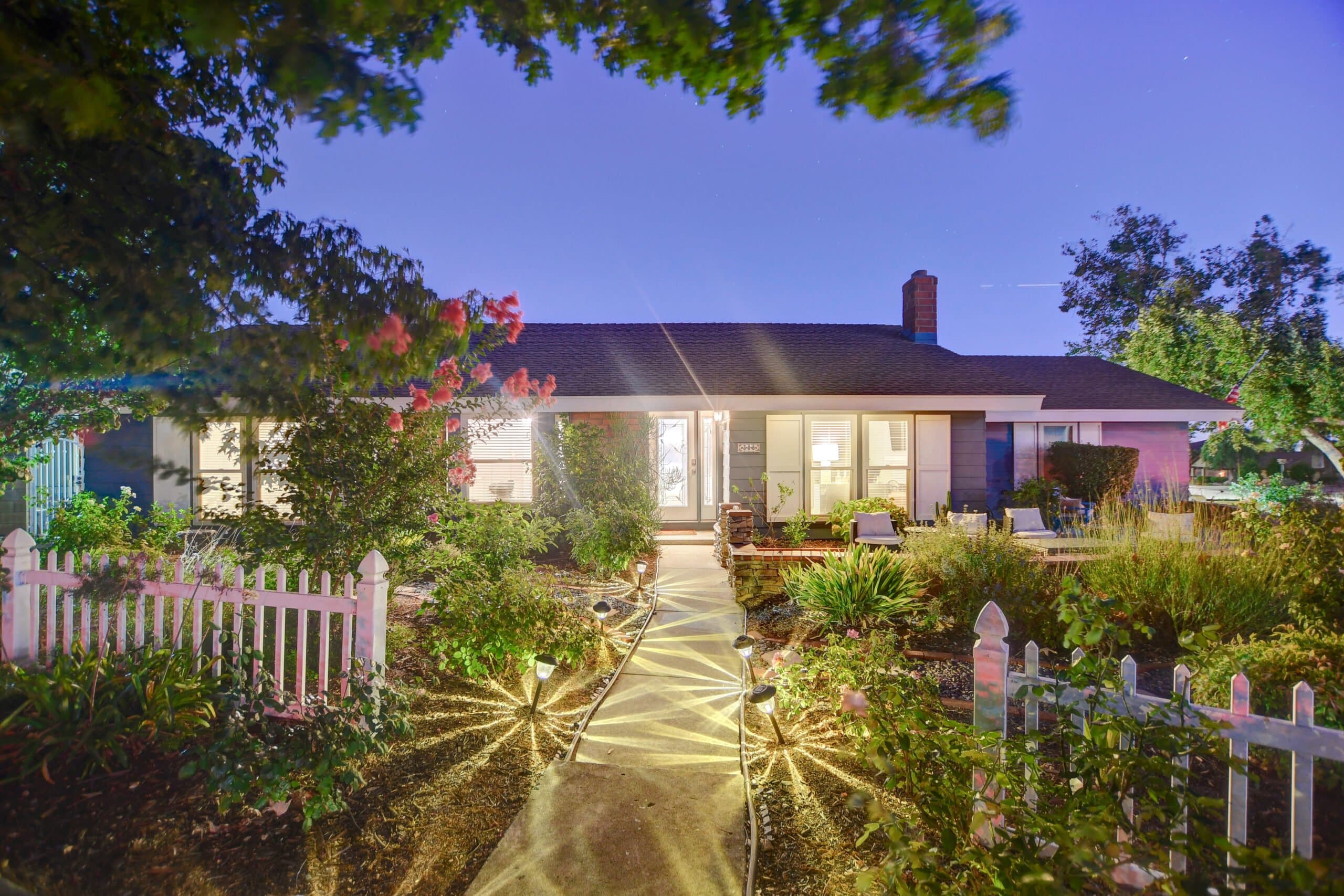
Open houses are one of the very few ways to spend time in a neighbourhood with a legitimate reason to be there, and the walk from the car is as valuable as the house.
Notice the street on a weekend afternoon: how the neighbouring homes are kept, whether the canopy is mature, how much through traffic there is, what the noise is like, how the light falls. Then, on your own time, go back at a different hour. A street at commute time and a street after dark are different places to the same street at two on a Sunday.
Doing this early, over several months, is how you develop an actual opinion about where in town you want to be, rather than adopting one from a portal map.
What to write down
Early looking evaporates without notes. You will see thirty homes over a year and remember five.
Keep it structural rather than emotional. What kind of house, roughly what era, what you liked about the layout, what you did not, one thing that surprised you. You are recording your own developing preferences, not the individual properties, most of which will have sold long before you are ready.
Once a season, read the list back. The patterns that appear are the real brief you should hand your agent later, and they are usually not what you would have said out loud at the start.
Two practical courtesies
Do not take a busy host's time when the room is full. Come back at the quiet end of the window, or ask your question then. Early looking is welcome; monopolising the person managing the event during the busiest half hour is not.
And treat the home as somebody's home. Do not open drawers or cabinets that are not part of the tour, do not photograph people's belongings, and remember you are very likely on camera. Sellers are expected to disclose video and to disarm interior audio, since California is a two-party consent state for confidential communications, but behave as though the doorbell sees you, because it usually does.
When to stop browsing and start preparing
There is a moment where continued looking stops teaching you anything. You can predict what the next house will be like, you know which streets you want, and you have found yourself irritated that you cannot act. That is the signal to have the lender conversation and to talk to an agent about how representation and compensation would work, which is negotiable and set out in writing rather than fixed by any standard.
Until then, keep going on Sundays. The people who buy well are almost always the ones who looked for a long time first. For the discipline of the visit itself, see the touring guide.
Anthony Grynchal has been licensed in California since November 2009. This is general information rather than legal or financial advice.
Frequently asked questions
Is it acceptable to visit open houses if I am not ready to buy?
Yes, provided you say so at the door. One honest sentence - that you are early and learning the area - is all it takes. A good host welcomes it, because today's browser is a real buyer later. The awkwardness comes from pretending to be further along than you are.
What should I write on the sign-in sheet if I am just looking?
A name, and a note that you are browsing, is an acceptable entry. If you have an agent, write their details, since that routes follow-up correctly and ends the intake conversation. You are not obliged to give a mobile number, price range, lender or timeline at the door.
What can I learn from open houses a year before buying?
Calibration, mostly. After a dozen homes you develop a reference for what condition looks like at different vintages and which layouts actually suit you, which is nearly impossible to work out on paper. You also build a real opinion about neighbourhoods rather than adopting one from a map.
How do I know when to stop browsing and start preparing?
When looking stops teaching you anything: you can predict what the next house will be like, you know which streets you want, and you are frustrated that you cannot act. That is the point to have the lender conversation and to discuss representation, including compensation, which is negotiable and set in writing.

Written by
Anthony Grynchal
Anthony Grynchal is a California real estate professional with eXp Realty, licensed since November 2009 (California DRE# 01873626), and the Designated Local Expert™ for Claremont — where he has lived for more than 33 years.
More about AnthonyPublished · Updated