The twilight open house is a weekday evening event held in the hour around sunset, with the interior lit and the exterior lighting doing most of the work. It is used far less than the Sunday afternoon default, and for a certain kind of property it is a much better instrument.
It is also the format most likely to be chosen for the wrong reason, which is that the photographs look wonderful. Photographs are not the event.
What twilight actually does to a house
Three things, and they are worth separating.
It removes the exterior competition. In daylight a buyer sees the neighbor's roofline, the utility pole, the parked cars, the fence in the wrong color. At dusk all of that recedes and what remains is your lit house. Homes with an awkward surround do measurably better in the dark.
It privileges light over surface. Interior lighting, warm bulbs, lamps rather than overheads. Properties with good fixtures and layered light look expensive at twilight. Properties whose main asset is a bright white kitchen at midday look ordinary.
It changes who can come. A weekday evening reaches working buyers who cannot spend a Sunday afternoon touring, and it does not compete with every other open house in the area, all of which are on Sunday. That alone is a reason to consider it.
Which Claremont homes it suits
The properties that win at twilight have some combination of these.
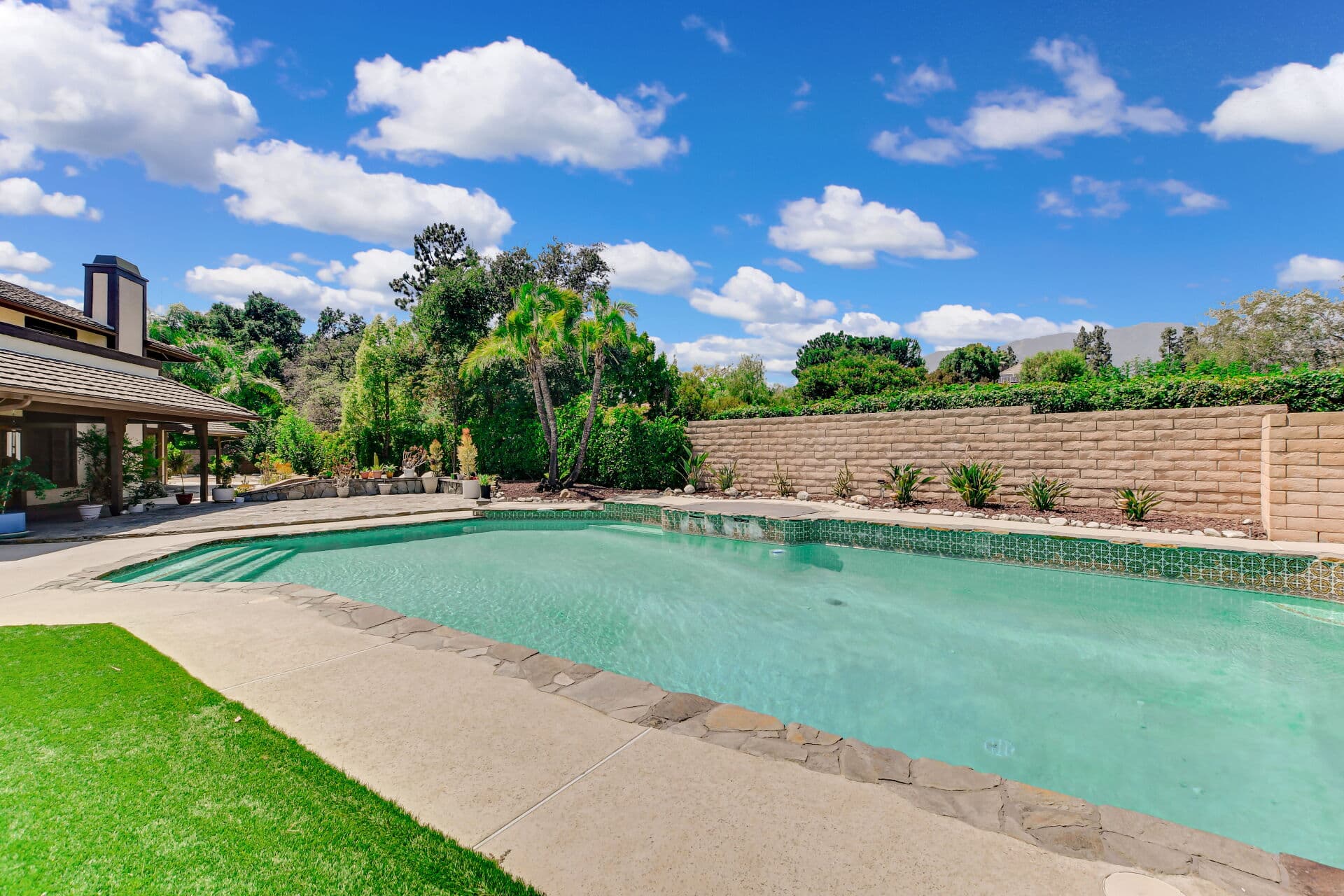
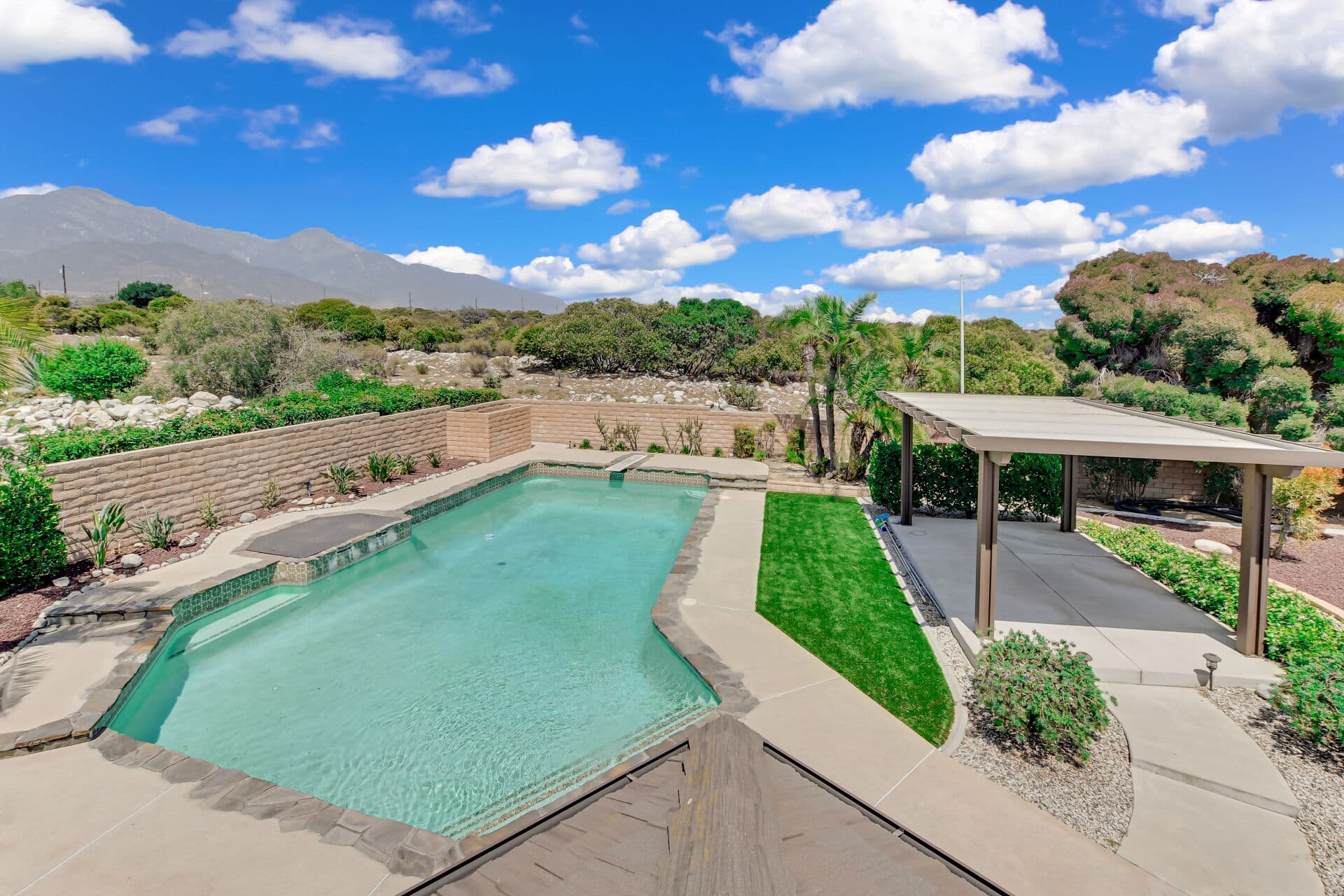
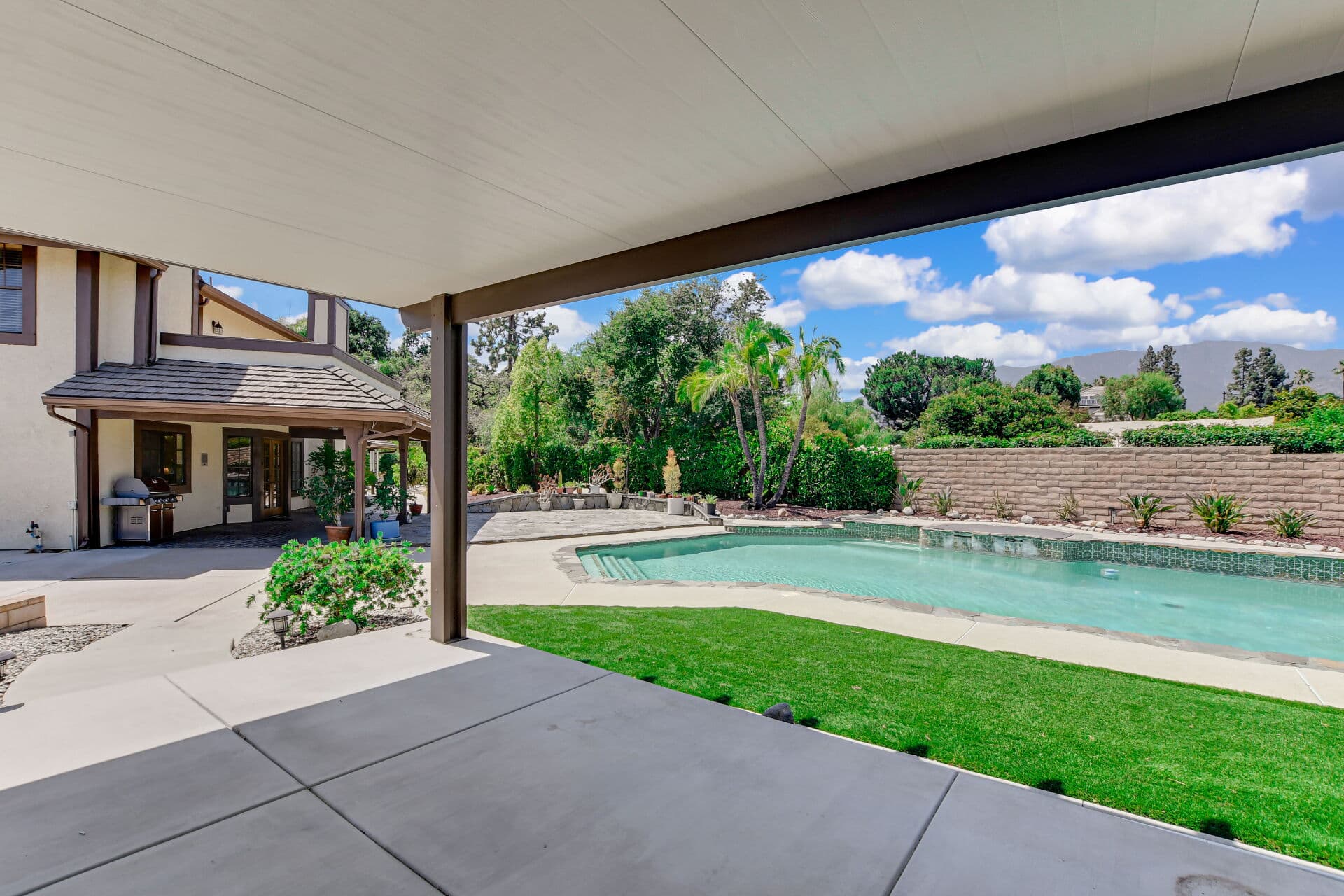
- Real outdoor living space. A patio, a terrace, a pool, a covered porch. These read as atmosphere in the evening and as maintenance in the afternoon.
- Existing exterior lighting. Path lights, uplit trees, a lit entry. If the lighting is already designed, twilight is where it pays off.
- A view worth catching at sunset. Homes with a foothill or mountain outlook get one good hour and it is at the end of the day.
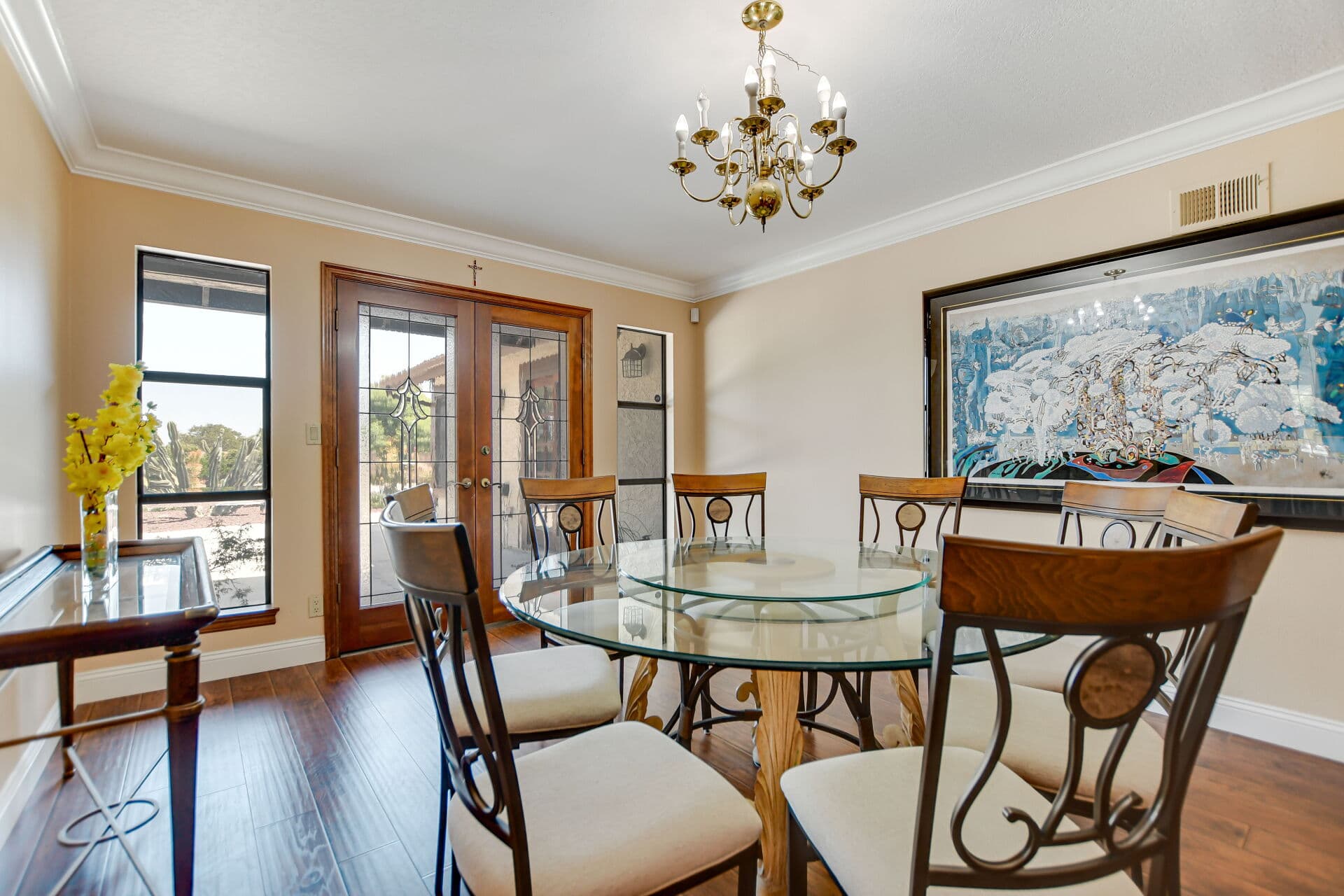
- Interior architecture rather than interior brightness. Beams, built-ins, a fireplace, texture. Evening light flatters depth and shadow.
- A mature garden. A canopy that photographs flat and grey at midday becomes structure when it is lit from below.
Which homes it hurts
Just as important, and rarely said.
A house whose best feature is daylight should not be shown in the dark. If the selling point is a wall of south-facing glass, a bright breakfast room, or a garden that needs to be seen and walked, an evening event actively conceals the thing you are selling.
The same is true of any property where the yard, the lot size, the orientation, or a specific outlook is the value. Twilight hides context. That is the whole trick, and it works against you when the context is the asset.
And a home with no exterior lighting at all is a poor candidate, because the approach will be dark and unwelcoming before anyone reaches the door. That is a safety issue as much as an aesthetic one.
The honesty problem
Here is the objection that deserves a straight answer. Is it deceptive to show a house at the hour it looks best?
No, and yes, depending on what else you do.
Staging a house to look its best is ordinary and expected, and choosing a flattering time of day is not different in kind from cleaning the windows. What is not acceptable is using darkness to obscure a condition a buyer would care about. A dim room hides a stained ceiling, a cracked patio, a fence in poor repair, deferred paint. If an evening event is chosen because those things are less visible, that is not marketing.
The practical test is simple. Would you be comfortable if every visitor came back at eleven in the morning and saw the identical property? If yes, twilight is presentation. If no, you have a disclosure problem, not a lighting strategy.
Serious buyers will see the house in daylight before they close regardless, so anything hidden at dusk surfaces later and at a worse moment.
Safety is different after dark, and it is not optional
Everything about running an open house gets harder in low light.
- Light the entire approach. Sidewalk, driveway, path, steps. Add temporary lighting if the permanent lighting does not cover it. This is the most common failure and the most likely to produce a fall.
- Every step and change of level needs to be visible. Mark thresholds. A step that is obvious at three in the afternoon is invisible at seven.
- Light every interior room before the first visitor, including closets and the garage. Nobody should be hunting for a switch in a stranger's house.
- Staff it with at least two people. Visibility is worse, sightlines are shorter, and it is harder to keep track of who is where.
- Watch the yard and pool. Unlit outdoor space with visitors in it is a genuine hazard, and a pool at night more so.
- Plan the close. The perimeter check happens in the dark, and it is exactly when a window latch gets missed.
The rest of the security discipline applies unchanged, and low light makes it more important rather than less. The baseline is in open house security for a Claremont home.
Running it well
Start before sunset and run past it, so visitors experience the transition rather than arriving into full dark. Warm bulbs, matched color temperature, lamps on and overheads down. Every bulb working, which means walking the house and replacing the dead ones the day before rather than the hour before.
Keep it short. Ninety minutes is plenty, and a defined window creates a room with people in it rather than a trickle across four hours.
Tell people what it is when you promote it. A twilight open is unusual enough that naming it as an evening event is part of the appeal, and it gives working buyers a reason to plan around it.
Everything else about preparation is the same as any open, on a compressed and slightly stricter schedule. The sequence is in the 48-hour staging checklist.
The short version
Twilight suits homes with outdoor living space, existing exterior lighting, evening views, and interior character. It hurts homes whose asset is daylight, a garden, or a lot. Light the approach properly, staff it with two people, keep it to ninety minutes, and never use the dark to hide something a buyer would want to know.
More formats and how to choose between them are on the Claremont open houses hub. Anthony Grynchal has been licensed in California since November 2009.
Frequently asked questions
What is a twilight open house?
It is an open house held in the hour around sunset, usually on a weekday evening, with the interior and exterior lighting doing most of the presentation work. It reaches working buyers who cannot tour on a Sunday afternoon, and it does not compete with the crowd of weekend opens, which is part of the appeal.
Which homes show best at twilight?
Homes with genuine outdoor living space, existing exterior lighting, an evening view, mature planting, or interior architecture with depth and texture. Twilight removes the surrounding context, so it also helps properties with an awkward streetscape. It works against a home whose main asset is daylight, a bright interior, or a garden and lot that need to be seen and walked.
Is showing a home at night misleading to buyers?
Choosing a flattering hour is ordinary presentation, in the same category as cleaning the windows. It stops being that if the darkness is being used to obscure a condition a buyer would care about, such as damage, disrepair, or a problem with an adjacent property. Serious buyers will see the house in daylight before closing anyway, so anything hidden at dusk surfaces later and at a worse moment.
What extra precautions does an evening open house need?
Light the whole approach, including sidewalk, driveway, path, and steps, adding temporary lighting where the fixtures do not reach. Mark every change of level. Turn on every interior light before the first visitor. Staff it with at least two people, because sightlines are shorter after dark. Take particular care with unlit yards and any pool, and plan the closing perimeter check knowing it happens in the dark.

Written by
Anthony Grynchal
Anthony Grynchal is a California real estate professional with eXp Realty, licensed since November 2009 (California DRE# 01873626), and the Designated Local Expert™ for Claremont — where he has lived for more than 33 years.
More about AnthonyPublished · Updated