Sometimes a house goes on the market with the kitchen half out and a permit taped to a window. A project ran out of money, or out of patience, or the owner's circumstances changed faster than the contractor's schedule. It happens, and it is not automatically a bad listing.
It is, however, a listing with a specific failure mode: the buyer cannot tell the difference between a project that is nearly done and a project that has barely started, and in the absence of information they assume the worse of the two.
Decide the question before you decide the marketing
The first decision is not how to show it. It is whether to finish it.
There is no universal answer and anyone offering one is guessing. A bathroom that needs a vanity and a mirror is usually worth finishing, because the remaining work is small and the unfinished state costs more in buyer perception than it costs in labor. A kitchen stripped to studs with no cabinets ordered is a different question entirely, because completing it means months, money, and choices a buyer might not want.
The middle case is the ugly one: a project far enough along that the money is spent and not far enough along that anyone can see what it will be. That is where honest advice matters most, and where it should come from someone who has walked the actual site rather than from a rule of thumb.
Safety comes before presentation
A construction site with visitors in it is a liability question first and a marketing question second. That order is not negotiable.
- No open trip hazards. Extension cords across walkways, tools on the floor, loose transition strips, missing thresholds, protruding fasteners. All of it goes before anyone tours.
- Cover openings. Missing floorboards, open floor cavities, removed stair nosings, any hole a foot can find.
- Guard the drops. A removed railing at a stair or a landing is the single most dangerous condition in a half-finished house, and it is common.
- Kill the live hazards. Exposed wiring, unterminated circuits, open panels. If it is not safe to leave a stranger near it, it is not ready for a showing.
- Light every space. Temporary work lights are fine. Dark unfinished rooms are both dangerous and unsellable.
- Fence what should not be entered. Some areas simply should be off limits, marked clearly and not by an honor system.
Then talk to your insurance carrier. A house under renovation may sit under a different form of coverage than an occupied home, and a listing period adds visitors that neither the policy nor the contractor's coverage may have contemplated. Ask directly. Do not assume the policy in the drawer still describes the situation.
These conditions also change the calculus on whether to hold a public open house at all, which is the subject of open house or private showings. An unsupervisable construction site is usually the appointment-only case.
The buyer needs to see the plan, not just the mess
Unfinished space is unreadable. A buyer standing in a gutted room is not imagining the finished kitchen; they are imagining an invoice.
What closes that gap is documentation, physically present in the house.
- The permit set or plans, on a table where people can look at them.
- The permit record itself. Which permits were pulled, what has been inspected, what remains.
- The scope in plain language. A one-page list of what has been done and what remains, written so a person who has never renovated anything can read it.
- Selections and receipts. Cabinets ordered, tile chosen, fixtures purchased and stored on site. Materials already bought and paid for are real value and buyers routinely fail to notice them.
- The contractor's information, if there is one still engaged and willing to speak to a buyer about finishing the work.
Do not put a rendering on the wall without labeling it clearly as a rendering. A glossy image of a finished kitchen next to a demolished one invites a buyer to believe something is included that is not, and that is the kind of misunderstanding that surfaces later as a dispute.
Permits are the part people get wrong
Unpermitted work is the most common serious problem in a half-finished house, and it does not go away because the house sells.
If work was done without a permit, or if permits were pulled and the project stalled before inspections, that is a material situation, not a paperwork detail. It affects what a buyer can legally finish, what an appraiser and a lender will do, and what the buyer inherits.
Deal with it honestly. Find out the actual status from the city. Disclose what you know. Do not characterize the work as permitted unless you can show the record, and do not tell a buyer that finishing it will be straightforward, because you do not know that. Where the status is complicated, get advice from counsel before the listing goes live rather than after an offer is in hand.
Who is actually buying this
An unfinished house has a narrower audience than a finished one, and knowing who it is changes how you show it.
Investors and experienced renovators want the scope, the permit status, and access to inspect. They do not need staging and they are not confused by a plywood floor. What they need is information, and they punish a seller who withholds it.
Owner-occupants who want to finish a project themselves are a smaller group, but they exist, and they respond to a clear plan and evidence that the difficult and boring parts are already done.
Buyers needing conventional financing are the group most likely to fall out, because a lender's view of a property with an unfinished kitchen or a missing bathroom can be unforgiving. That is a real constraint on the buyer pool, and it is better to understand it early than to discover it during an appraisal.
Presenting it without pretending
Clean is available even when finished is not. Sweep the site, remove debris, stack materials neatly, sweep again. A tidy construction site reads as a managed project. A chaotic one reads as an abandoned one, and the difference is a broom.
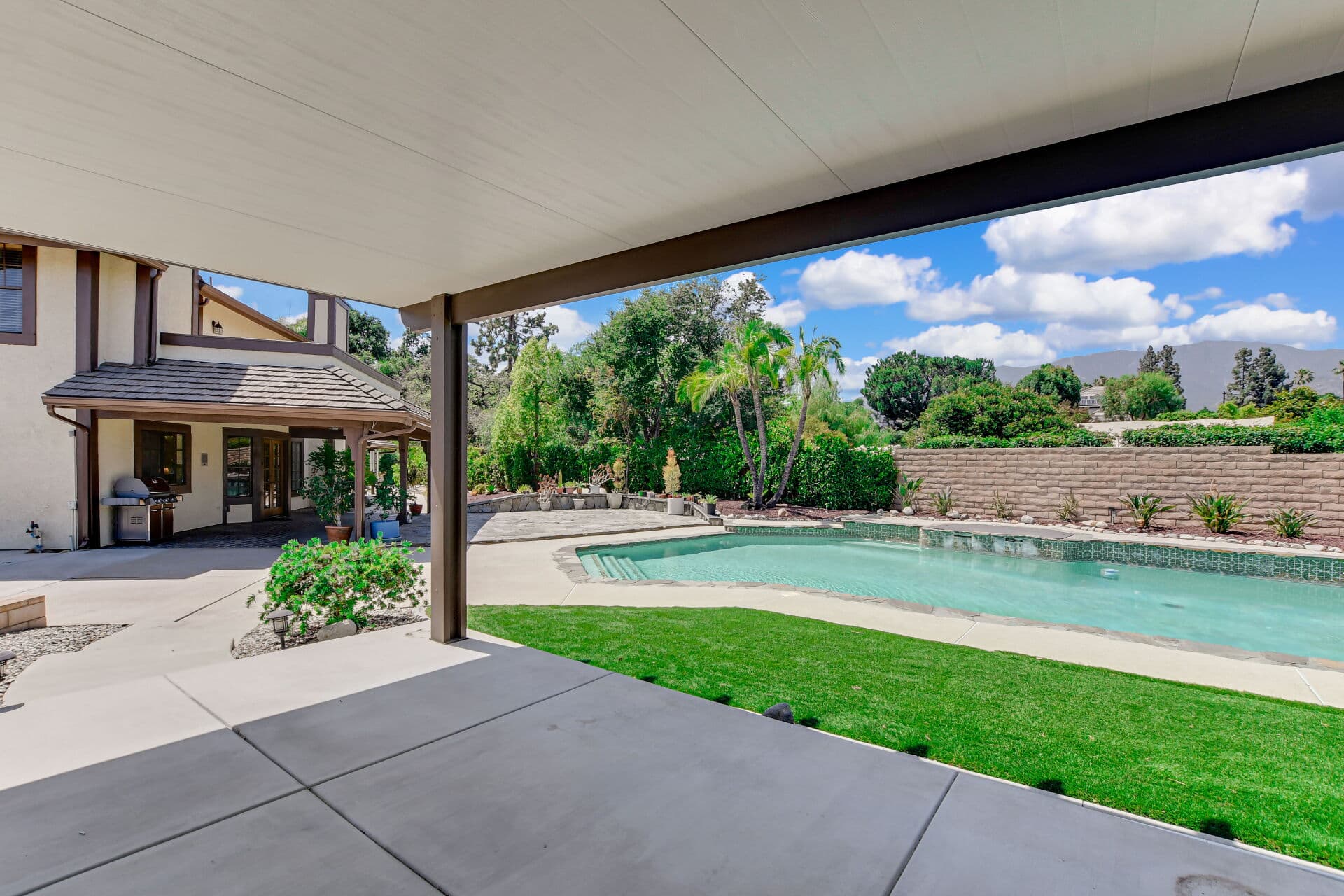
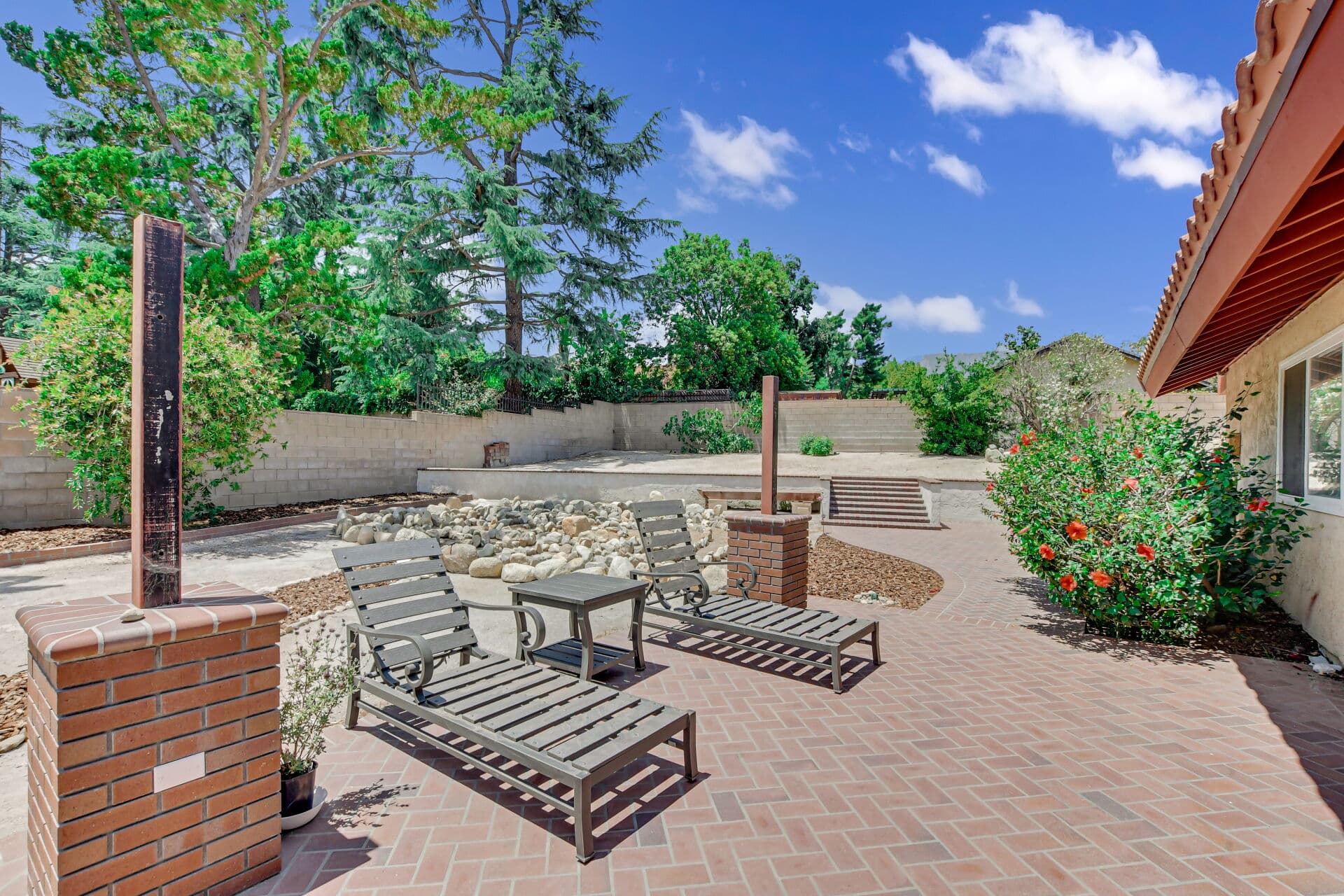
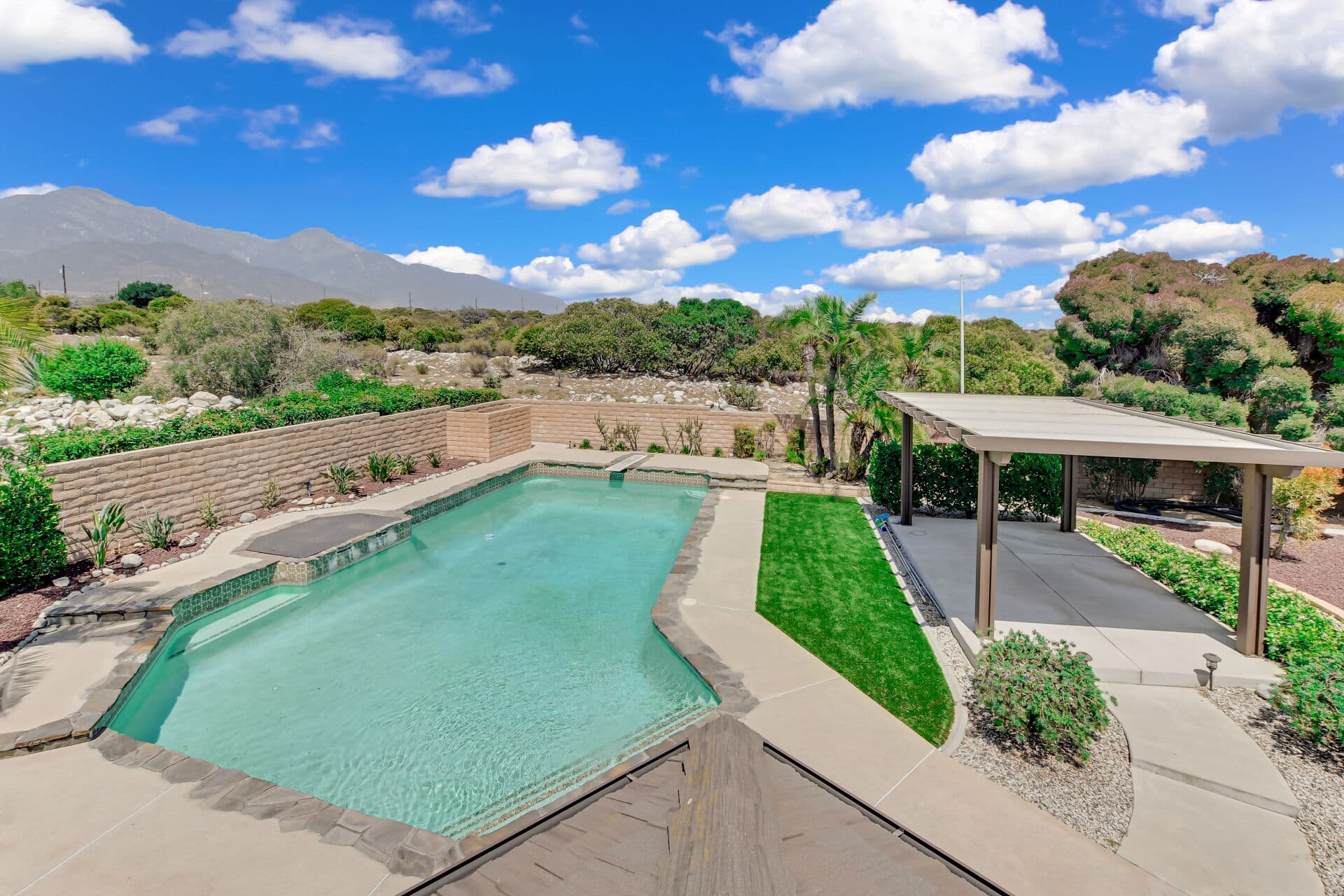
Photograph it honestly. Buyers who arrive expecting one thing and find another leave angry, and they tell their agents. The parts of the property that are finished, the lot, the trees, the street, the light, are all fair to show at their best. That is the same discipline as any other listing, and the general sequence is in preparing your home for a Claremont open house.
The short version
Decide whether to finish based on the actual remaining scope, not on a rule. Make the site genuinely safe before anyone walks it, and check your coverage. Put the plans, permits, scope, and receipts where buyers can read them. Be exact about permit status. Aim at the buyers who can actually close. And sweep the place.
More on showing difficult properties well is on the Claremont open houses hub. Anthony Grynchal has been licensed in California since November 2009.
Frequently asked questions
Should I finish the renovation before listing my Claremont home?
It depends on how much is left and what it costs to get there. Small remaining work, such as a vanity and a mirror in an otherwise complete bathroom, usually pays for itself because the unfinished state costs more in buyer perception than in labor. A gutted kitchen with nothing ordered is a different question, and it deserves advice from someone who has walked the site rather than a general rule.
Do I have to disclose unpermitted or incomplete work?
Treat permit status and incomplete work as material rather than as paperwork. Find out the actual record from the city, disclose what you know, and never describe work as permitted unless you can show it. Where the status is tangled, get advice from a real estate attorney before the listing goes live rather than after an offer arrives.
Is it safe to hold an open house in a home under renovation?
Only after the site is genuinely made safe, and often the answer is to use appointment-only showings instead. A construction site with unsupervised visitors is a liability question first. Cover openings, restore or guard railings, remove trip hazards, deal with exposed wiring, light everything, and physically restrict areas that should not be entered. Confirm your insurance coverage for the situation as well.
Will a buyer be able to get a loan on an unfinished house?
It is a real constraint and it narrows the buyer pool. Lenders and appraisers can take a hard view of a property missing a functioning kitchen or bathroom, and requirements vary by loan program and lender. Have that conversation early with a lender rather than discovering it during an appraisal, and expect cash and renovation-experienced buyers to be a larger share of the audience.

Written by
Anthony Grynchal
Anthony Grynchal is a California real estate professional with eXp Realty, licensed since November 2009 (California DRE# 01873626), and the Designated Local Expert™ for Claremont — where he has lived for more than 33 years.
More about AnthonyPublished · Updated