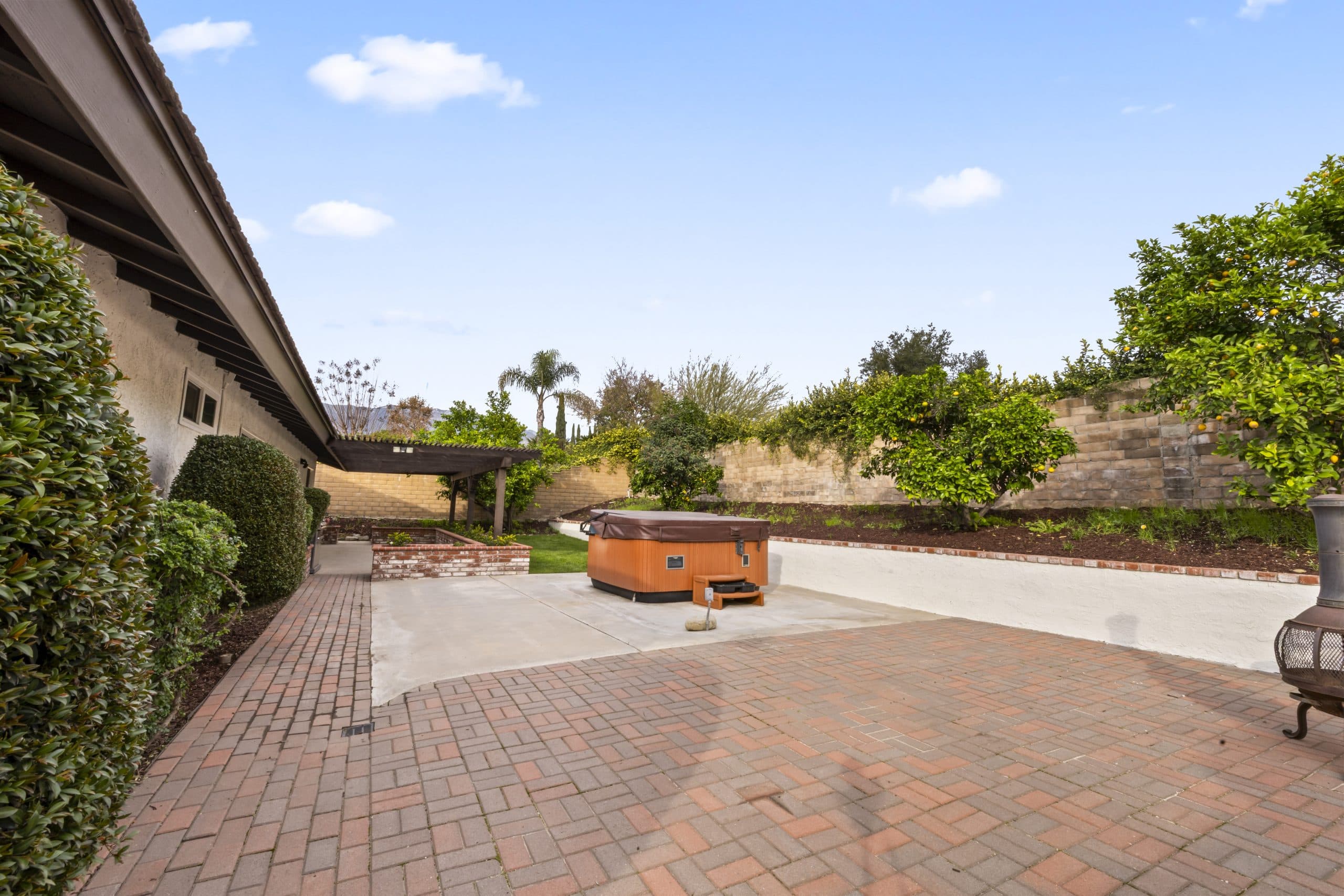
Claremont has good light, and it has it for a specific geographic reason: the town faces open valley to the south and a steep range immediately to the north, so the last hour of daylight lights up the mountain face while the basin below softens into haze. The result is a town where the evening is worth stepping outside for most of the year. It is also a town where views are sold, priced and occasionally overstated. This guide sits under the parks and recreation guide and covers both halves: where the light is good, and how to evaluate a view before paying for it.
Why the light works here
Two things do the work. The first is the wall of mountains directly north, which catches low sun and turns warm while the valley is already in shadow — the effect that makes the last half hour of a clear day genuinely striking rather than merely pleasant. The second is elevation change across the town itself: rising ground means that a modest gain in height buys a long southward sightline over the basin.
Season matters more than people expect. The clearest evenings tend to follow rain or wind, when the haze has been scrubbed out of the air and the far edges of the basin become visible. Winter afternoons run clean and cold and end early. Summer evenings run long and hazy and often finish better than they start.
Where to be at the end of the day
The general rule is that you want elevation and an open horizon, and Claremont supplies both along its northern edge.
The foothill trail network is the obvious answer for anyone willing to earn it, with the added benefit that a short climb changes the view enormously. It comes with the standing caution that applies to all evening trail use: parks and open space have posted hours, many close at or near dusk, and being caught out after dark on an unlit fire road is a genuinely bad time. CHECK POSTED HOURS AND CLOSURES with the city and the managing agency before planning an evening walk, and carry a light regardless of how confident you are about timing. The northern access points and what they offer are covered in the cluster's northern trailheads guide.
For those who want the light without the climb, the level paved path along the north side of town is the reliable answer, with open sightlines toward the range for much of its length. It is covered in the cluster's Thompson Creek Trail guide.
And the least-discussed option is the ordinary one: the streets themselves. A residential block with mature canopy and a clear gap to the north at the end of it delivers a surprising amount of the same experience with no planning whatsoever.
Two different views, priced differently
Buyers use one word for two distinct products.
A mountain view faces north into rising terrain. Its strength is that the subject is enormous, permanent and close, so the view is dramatic and, importantly, hard to build out — nobody is putting a two-story house on top of a mountain range. Its variability is in the foreground: the roofline of the house across the street, a growing tree, a hedge.
A valley view faces south over falling terrain. It is expansive, it gets the light rather than being lit, it delivers night lights and — on clear days — remarkable distance. It is also the more fragile of the two, because everything between the house and the horizon is developable, plantable and subject to change.
The practical consequence is that the same premium buys different levels of durability. That is worth understanding before deciding what a view is worth to you.
How to test a view before paying for it
See it at the hour it is claimed for. A view marketed as a sunset view should be inspected near sunset, not at a two o'clock showing. This sounds obvious and almost nobody does it.
See it in the wrong season. Deciduous foreground planting is transparent in January and opaque in July. So is the difference between a hazy August evening and a clear February one.
Look for what could grow. Trees in the sightline are the most common cause of a view quietly disappearing over a decade, and a young tree in the wrong place is a future problem that is invisible today. That includes trees on other people's property, which you do not control.
Look for what could be built. A single-story house or a low structure in the sightline is not a permanent guarantee. Zoning, setbacks and height limits are matters of public record, and the city is the source; if the view is a material part of the price, that is a question to ask specifically rather than to hope about.
Ask about any view protection in writing. View easements, covenants and association rules exist in some places and not in others, and an informal assurance from a neighbor is not one. If it is not recorded, treat it as not existing.
And check the view from the rooms that matter. A view from a corner of the yard on tiptoe is not the same product as a view from the living room and the primary bedroom.
The other half of a view lot
View lots tend to come with terrain, and terrain has consequences beyond aesthetics. Slope brings grading, drainage and retaining questions. Elevation at the northern edge brings the wildland-interface considerations covered in the cluster's fire-season guide — defensible space, insurance and seasonal awareness. Exposure brings wind. None of these are reasons not to buy a view lot; they are reasons to inspect one properly rather than falling in love at golden hour and skipping the rest.
They are also, in fairness, part of what makes the view exist. The premium and the obligations come from the same geography, which is broadly the pattern the cluster's park-proximity guide describes for amenity adjacency generally.
The through-line
The light here is a genuine feature of daily life, available for free to anyone who walks outside at the right hour. A purchased view is a different thing: worth what it is worth to the household, more durable when it faces the mountain than when it faces the basin, and only as reliable as the zoning, the trees and the recorded documents behind it. Test it at the claimed hour, in the wrong season, from the rooms you will use.
For the wider outdoor picture, start at the parks and recreation hub. Confirm park hours and closures with the city before an evening walk. Anthony Grynchal has been licensed in California since November 2009.
Frequently asked questions
Why is the evening light so good in Claremont?
Geography. The range immediately to the north catches low sun and turns warm while the valley to the south is already in shadow, and the town's own rising ground means a modest gain in elevation buys a long southward sightline. The clearest evenings tend to follow rain or wind, when haze has been scrubbed out of the air.
Is a mountain view more durable than a valley view?
Generally yes. A mountain view faces rising, permanent terrain that cannot be built out, so its main variability is in the near foreground — a roofline, a growing tree, a hedge. A valley view faces falling terrain where everything between the house and the horizon is developable and plantable, which makes it the more fragile of the two.
How do I check whether a view will last?
See it at the hour it is claimed for and in the opposite season, since deciduous foreground planting is transparent in winter and opaque in summer. Look for trees that could grow into the sightline, including on property you do not control. Ask the city about zoning, setbacks and height limits for what could be built, and treat any view protection as real only if it is recorded.
What else comes with a view lot in Claremont?
Terrain. Slope brings grading, drainage and retaining considerations; elevation at the northern edge brings wildland-interface issues including defensible space, insurance and seasonal fire awareness; and exposure brings wind. These are not reasons to avoid a view lot — the same geography creates the view — but they are reasons to inspect one properly rather than deciding at golden hour.

Written by
Anthony Grynchal
Anthony Grynchal is a California real estate professional with eXp Realty, licensed since November 2009 (California DRE# 01873626), and the Designated Local Expert™ for Claremont — where he has lived for more than 33 years.
More about AnthonyPublished · Updated