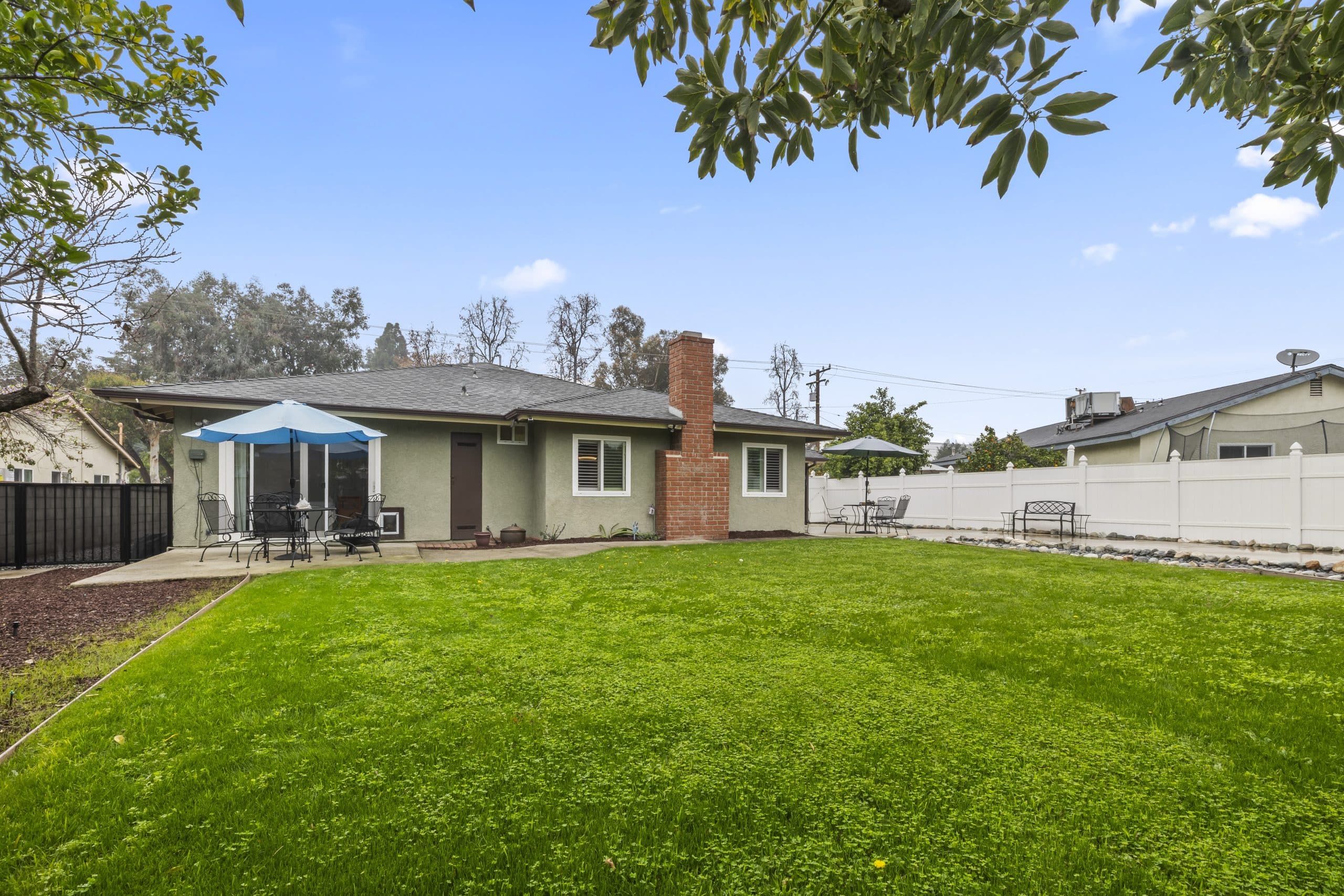
Plenty of buyers walk a back yard and picture raised beds and fruit trees. Far fewer check whether the yard can actually support them, and the answer is decided by things that are hard to change after closing.
Sun angle. Soil. Water and how it is delivered. Wildlife. And the rule set that applies to the property, which is not always the one people expect.
This guide belongs to the parks and recreation cluster and covers growing food around Claremont, from the private yard to the shared plot, with an emphasis on what to verify before you commit.
Sun is the constraint, and it moves
Most food crops want a lot of direct sun, and most yards have less of it than they appear to at the hour buyers tour.
Look at where shadows fall and work out what is casting them: the house itself, a fence, a neighbor's wall, a mature tree. Then remember that the sun sits much lower in winter, so a corner that bakes in July can be in shade for months.
The tension in this town is that shade is otherwise the thing you want. A canopy that makes a street pleasant, as described in the guide to Claremont's urban forest, also shades the ground you would grow in. Established trees are usually the more valuable asset, so the practical answer is to find the sunny part of the lot and plan around it rather than to start removing canopy.
Note also that heat here is intense. Full afternoon sun in midsummer can be too much for tender crops, and a spot with strong morning sun and some afternoon relief often outperforms one that is exposed all day.
Soil, and what is under the paving
Dig a hole before you make plans. Actually dig one.
You are looking for depth, structure and drainage. Fill a hole with water and see how long it takes to disappear; ground that holds water for a very long time will drown roots, and ground that empties instantly will need constant irrigation and organic matter.
On older properties, ask what the ground was used for previously and consider a soil test if anything about the history is unclear, particularly close to old structures. Where the answer is uncertain or the ground is poor, raised beds with imported soil solve the problem cleanly and are the usual approach anyway.
Water: the recurring cost nobody prices
Food gardens are thirsty in the season when water is most constrained, which puts them at the center of the trade-off described in the guide to reserving a field, a court or a picnic table in Claremont only in the sense that public and private green space compete for the same resource.
The practical questions are simple. Is there a hose bib near the growing area? Is there a drip system, or would you be installing one? Is there a separate valve, so the beds can be watered on their own schedule rather than with the lawn?
Drip irrigation on a timer is the difference between a garden that survives a heat wave and one that does not, and it is far cheaper to install before beds are built than after.
Conservation rules and any watering restrictions come from your water provider and change with conditions. Confirm the current position before planning anything substantial.
Wildlife will visit
Near the foothill edge in particular, a food garden is an announcement.
Ground squirrels, rabbits, birds, raccoons, opossums and, higher up, larger visitors all take an interest. The guide to coyotes, deer and the foothill boundary covers the wider picture of living at that edge.
The practical implications are fencing, hardware cloth under raised beds, netting over fruit, and a firm rule about not leaving fallen fruit or scraps out, because feeding wildlife inadvertently creates exactly the conflicts nobody wants. Guidance on wildlife in the area comes from the City and the state wildlife agency.
The rules that apply to your lot
Three layers, and buyers routinely check none of them.
CITY STANDARDS may address structures, fences and heights, tree protection, front-yard treatment and whether anything may be sold from the property.
ASSOCIATION RULES, where a property is governed by one, are frequently the binding constraint. Many associations have views about what may be grown in a front yard, what a rear yard may look like from common area, and whether structures such as greenhouses or tall beds are permitted. Read the governing documents during your review period, not afterward.
KEEPING ANIMALS is its own question entirely, with its own local rules, and should never be assumed from what a neighbor appears to be doing.
All of these change over time. Confirm the current requirements with the City of Claremont and with any association in writing before you build.
Shared plots and community growing
Not every household wants to grow food on its own land, and not every property can support it.
Shared garden plots solve several problems at once: prepared soil, established irrigation, an existing fence, and the knowledge of people who have been growing in this climate for years. They also mean the work happens somewhere other than the property you have to maintain.
Availability, waiting lists, plot rules and any fees vary and change, so ask the City of Claremont what exists currently rather than relying on a published account. What is worth noting for a buyer is that access to shared growing space reduces how much the private yard has to deliver, which can widen a search considerably.
What it means for the purchase
If growing food matters to you, treat it as a specification rather than a hope.
Prioritize a sunny, level, unpaved portion of the lot with water nearby. Check the governing documents before removing a candidate on the basis of the yard alone, and before assuming a plan is permitted. Value existing mature fruit trees, which take years to establish and cannot be bought at size.
And be realistic about maintenance. A garden is a recurring commitment through the hottest months of the year, in a climate that punishes neglect quickly. It is a wonderful thing to own and a poor thing to inherit by accident.
Where to go next
Check the sun, dig the hole, find the water, and read the rules before you plan a single bed. The rest of the parks and recreation cluster covers the wider outdoor life here, and the guide to the California Botanic Garden is the best local education available in what actually thrives in this climate. For a straight read on whether a specific yard can do what you want, ask someone who has walked a lot of them. Anthony Grynchal has been licensed in California since November 2009.
Frequently asked questions
How much sun does a Claremont yard need for a vegetable garden?
Most food crops want extended direct sun, but summer afternoon exposure here is intense, so a spot with strong morning sun and some afternoon relief often does better than one exposed all day. Check where shadows fall in winter as well as summer.
Can I remove a tree to make room for a garden?
Not necessarily. City tree standards and any association rules may restrict removal or pruning. Confirm in writing before planning, and consider that a mature tree is usually the more valuable and less replaceable asset.
Do homeowners associations restrict food gardens?
They can, particularly regarding front-yard planting, visibility from common areas and structures such as greenhouses or tall beds. Read the governing documents during the review period rather than after closing.
Are there shared garden plots in Claremont?
Availability, rules, waiting lists and fees vary and change over time. Ask the City of Claremont what currently exists. Access to a shared plot can widen a home search, since the private yard no longer has to provide the growing space.

Written by
Anthony Grynchal
Anthony Grynchal is a California real estate professional with eXp Realty, licensed since November 2009 (California DRE# 01873626), and the Designated Local Expert™ for Claremont — where he has lived for more than 33 years.
More about AnthonyPublished · Updated