
Claremont holds a superlative most residents take years to fully appreciate: the largest botanic garden dedicated to California native plants is HERE — the California Botanic Garden, scores of acres of the state's own flora arranged for wandering, adjacent to the colleges, a working research institution wearing a public garden's face. For the town it is equal parts amenity, institution, and teacher; for a homeowner it is, quietly, the best landscaping consultant in the region. This guide covers what the garden is, how to visit it well across the seasons, and the practical lessons it offers anyone who owns a piece of Claremont dirt. It deepens the parks guide.
What the garden is
The institution — long known as Rancho Santa Ana Botanic Garden before adopting its current name — is devoted entirely to California's native flora: the oaks and sycamores, the chaparral shrublands, the desert species, the wildflowers, arranged across a large site where visitors walk from plant community to plant community as if crossing the state in an afternoon. It is simultaneously a RESEARCH institution — botany, conservation, and graduate education in partnership with the colleges — which is why the garden fits Claremont so precisely: it is the trees-and-PhDs identity in institutional form, an anchor of exactly the century-minded kind the town's history keeps producing. Practicalities — admission, hours, membership, event calendars — are living details that belong to the garden's own current publications; the standing local wisdom is simply that membership pays for itself quickly for any household that will visit seasonally, and this is a garden that rewards exactly that.
Visiting through the seasons
A native garden runs on California's calendar, not a nursery's, and reading it that way transforms the visit. SPRING is the crescendo — the wildflower and ceanothus weeks when the garden is at maximum color and the whole town's show has its botanical headquarters; it is also peak visitation, and weekday mornings are the connoisseur's window. SUMMER teaches the honest lesson: natives estivate — the garden goes silver, sculptural, and quiet, beautiful in a way that requires recalibrated eyes, and morning visits. FALL is the insider's season: the light goes golden, the garden exhales, and the planting lessons below become most legible. WINTER is green season — the paradox newcomers learn, that California's natives wake with the rains — and the garden in a wet January is quietly spectacular. The through-year rhythm is the point: this is an asset that repays a dozen short visits far more than one long one, which is what makes it a residents' institution rather than a tourist stop.
The homeowner's classroom
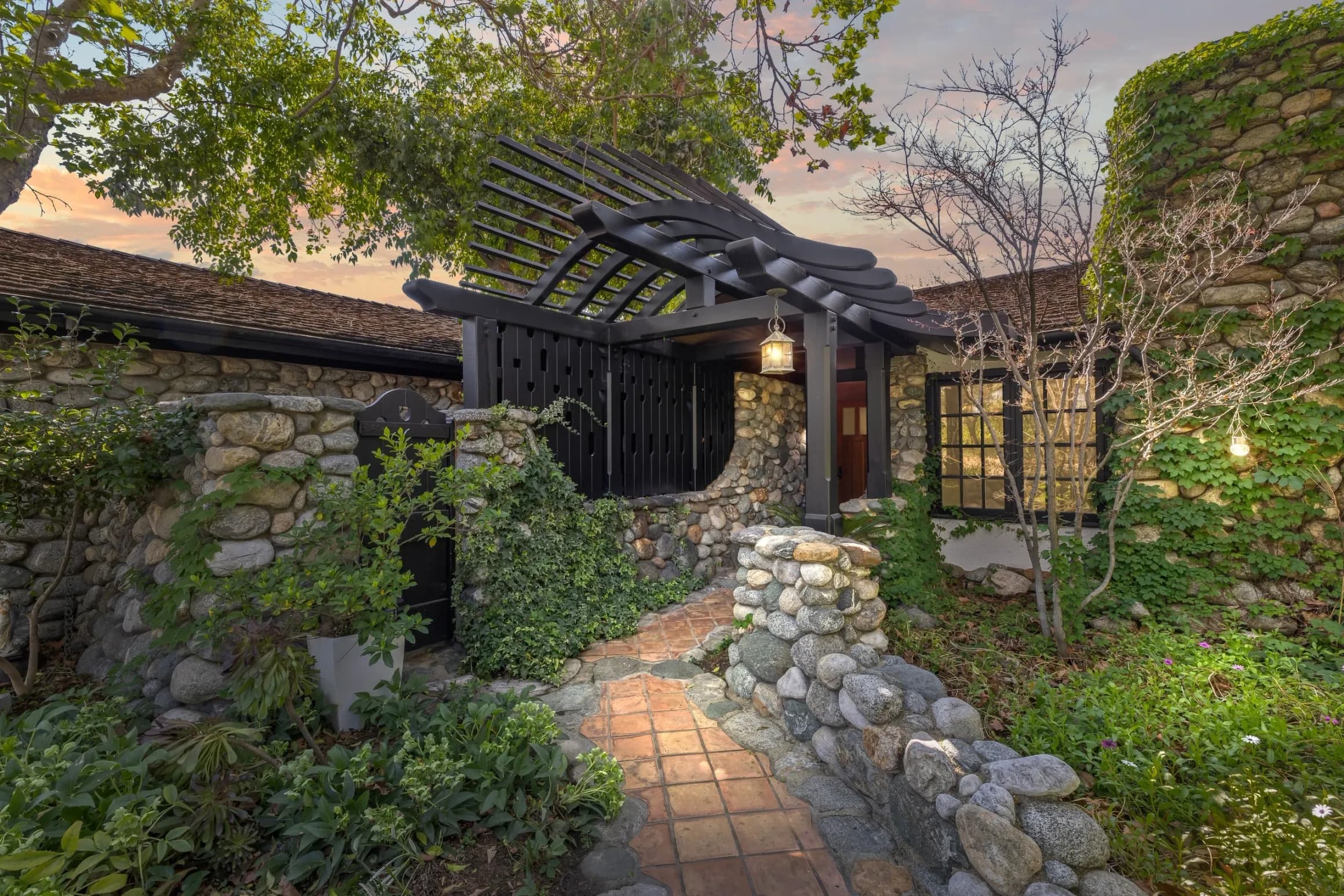
Here is the garden's most practical gift to this site's readers: it is a living catalog of what actually thrives in Claremont's climate with honest water use. Every owner of a Claremont yard eventually faces the landscape questions — water, fire-wise planting near the foothills, what replaces a lawn, what grows under mature oaks — and the garden answers them by demonstration: walk it with a camera and a notebook and you leave with a plant list proven against this exact climate. The garden's plant sales and programs extend the classroom (current offerings belong to its own calendar), and the design lesson compounds the plant lesson: natives done well read as intentional, beautiful, and regionally literate — increasingly a CURB-APPEAL vocabulary in a water-conscious market, and one that pairs naturally with the smart-irrigation conversation. For sellers, a mature, well-designed native landscape is a differentiator that photographs distinctively and signals stewardship; for buyers, recognizing one is part of reading a property's water future.
The garden and the town
Step back and the garden takes its place in the pattern this cluster keeps finding: Claremont's outdoor assets are INSTITUTIONS — the preserved wilderness, the public trail commons, and a research garden of statewide significance — rather than amenities bolted on by a developer. Each is the town's long-horizon temperament made physical, and together they are a real share of what households are buying when they buy here. The garden's particular contribution is teaching the town what its own land wants to be — one native plant sale at a time. This is general information; the garden's current hours, admission, and programs govern the practical specifics.
Anthony Grynchal has been licensed in California since November 2009, and the garden is his standing recommendation for two audiences: the newcomer who wants to understand where they have moved, and the homeowner staring at a thirsty lawn — both leave with the same answer.
Frequently asked questions
What is the California Botanic Garden?
The largest botanic garden devoted to California native plants, located in Claremont adjacent to the colleges — long known as Rancho Santa Ana Botanic Garden before its renaming. It is simultaneously a public garden and a working research institution in botany and conservation, with graduate education in partnership with the colleges.
When is the best time to visit the garden?
It runs on California's calendar: spring is the wildflower crescendo (weekday mornings beat the crowds), summer goes silver and sculptural, fall is the golden insider's season, and winter — when natives wake with the rains — is quietly spectacular. A dozen short seasonal visits beat one long one, which is why membership tends to pay for itself.
Can the garden help me plan my own Claremont landscaping?
It is the region's best landscaping consultant by demonstration: a living catalog of what thrives in this exact climate with honest water use. Walk it with a notebook and leave with a proven plant list — for water-wise replanting, fire-wise choices near the foothills, and what grows under mature oaks.
Does native landscaping affect home value in Claremont?
Increasingly — natives done well read as intentional and regionally literate, a curb-appeal vocabulary in a water-conscious market. For sellers a mature native landscape photographs distinctively and signals stewardship; for buyers, recognizing one is part of reading a property's water future.

Written by
Anthony Grynchal
Anthony Grynchal is a California real estate professional with eXp Realty, licensed since November 2009 (California DRE# 01873626), and the Designated Local Expert™ for Claremont — where he has lived for more than 33 years.
More about AnthonyPublished · Updated