Living well outdoors in this part of California is less about willpower than about timing. The year is not uniformly pleasant and it is not uniformly difficult. It has a rhythm, and people who have been here a while have internalized it to the point that they no longer discuss it. They simply go out earlier in July, differently in October, and enthusiastically in February.
Writing that rhythm down is useful for anyone new. It also has a housing dimension, because the weeks that are hardest outside are the weeks that reveal whether a house is set up for this climate. This guide sits in the parks and recreation cluster.
The three variables
Almost all of it comes down to heat, wind and air quality, plus the way they interact.
Heat. Inland valley summers are hot, and the hottest hours are the afternoon rather than midday. The important consequence for recreation is that the useful window shifts to the ends of the day, and the shaded and unshaded versions of the same route become different activities. Shade as a factor is covered in the cluster's guide to shade as infrastructure.
Wind. The offshore wind events that arrive in the dry part of the year are a defining feature of the front range. They bring low humidity, sudden temperature swings, dust, and elevated fire risk, and they routinely close open space. Wind days are for indoor plans.
Air quality. Two separate issues sit under this heading. There is the region's ordinary summer air quality pattern, which tends to be worse in the warm months and worse in the afternoon. And there is wildfire smoke, which is episodic, can arrive from very far away, and can be poor for days at a time regardless of season.
Reading conditions rather than guessing
The single most useful habit is checking rather than assuming, because all three variables change fast and none of them look the way they measure. Smoke haze can be visible on a day with acceptable numbers and invisible on a day with poor ones.
CHECK THE OFFICIAL FORECAST AND AIR QUALITY INDEX FOR THE DAY, and CHECK CURRENT CLOSURES, FIRE RESTRICTIONS AND POSTED HOURS WITH THE CITY AND THE MANAGING AGENCY before heading to a trailhead. Those two checks take under a minute and settle most of the decision. Agencies close land in heat, wind and fire conditions, and closures are not always where you would expect. The fire-season side of this is covered in the cluster's trail etiquette and fire-season rules.
The year, roughly
The general shape, without pretending to precision:
The cool months are the prime season. This is when the mountains are clearest, the trails are most rewarding, and midday is comfortable. It is also when storms arrive, which brings its own considerations in the drainages.
Spring is the peak for foothill walking, with green hillsides and long useful days. It is also when the trail network is busiest, which is a good argument for early starts and for knowing alternatives.
Summer compresses the day. Early morning is genuinely good; late evening can be, though light and closures constrain it. The middle of the day belongs indoors, in water, or in deep shade. Elevation is the standard local answer, and the mountains above town are meaningfully cooler, which the cluster's Mt. Baldy guide covers.
Autumn is the complicated season: often beautiful, often hot, and the peak period for offshore wind and fire risk. It rewards flexibility more than any other time of year.
Practical rules that hold up
Go early. It solves heat, air quality, crowding and parking at once, and it is the single habit that most improves an outdoor life here.
Have a plan B and a plan C. Closures, wind and smoke will cancel outings, and a household with alternatives simply switches rather than stays home.
Scale ambition to conditions. A route that is routine in February is a serious undertaking in August, and the failure mode in heat is that people attempt the February version.
Carry more water than seems necessary, and remember that shade and water are the two things that determine how long you can stay out comfortably.
Treat poor air quality as a genuine reason to stay in, particularly for children, older adults and anyone with respiratory conditions. Vigorous outdoor exercise in smoke is not a test of toughness.
The housing side
The hard weeks are diagnostic for a house. A few things are worth looking at with the calendar in mind.
Orientation and glazing. West-facing glass with no shading is the difference between a comfortable and an uncomfortable afternoon, and it is expensive to solve after the fact.
Cooling, insulation and attic condition. These determine whether a hot week is uneventful or exhausting, and they are inspectable.
Filtration. Smoke episodes make indoor air quality a real question. Filter capability and how well a house seals are worth understanding before a smoke week rather than during one.
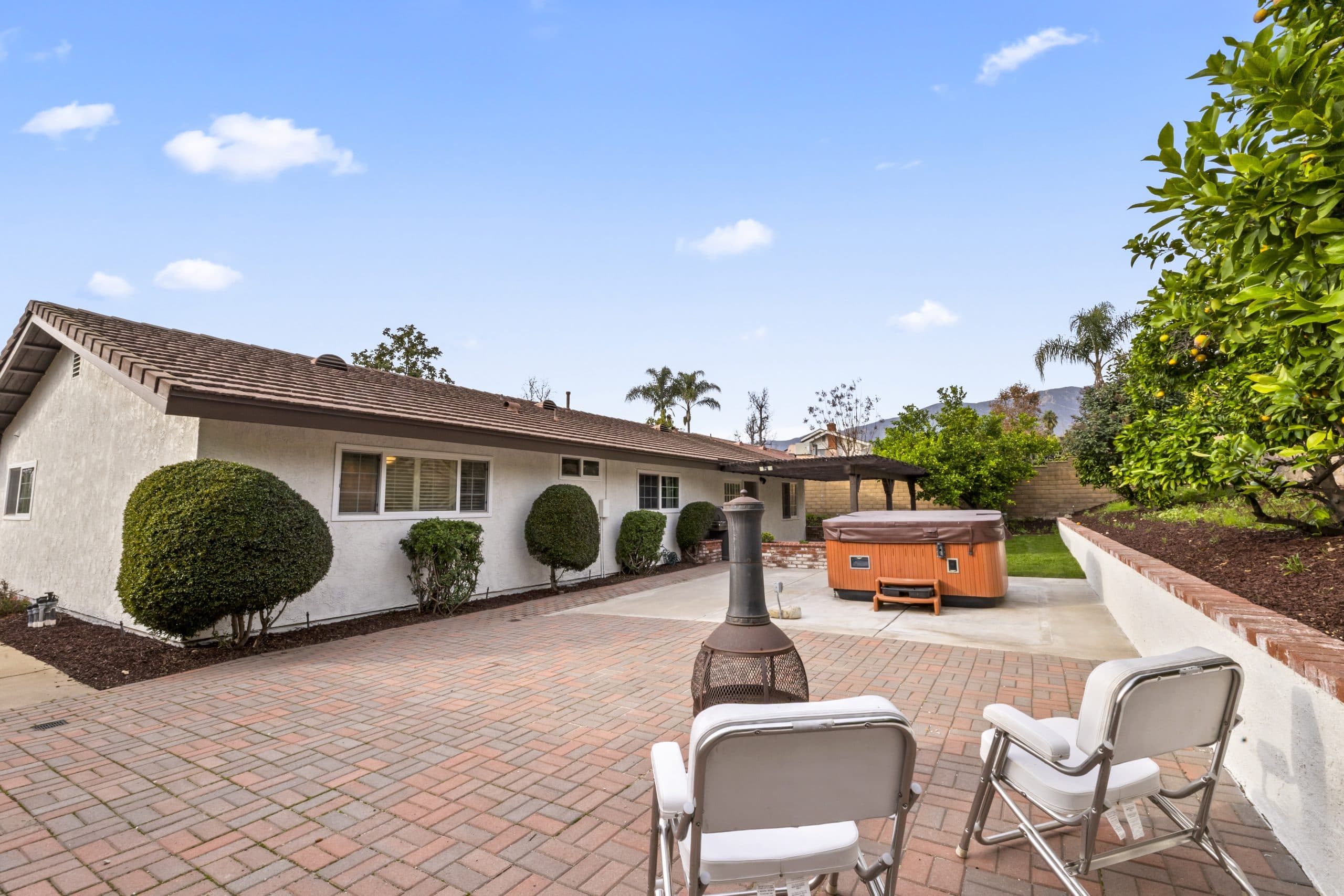
Outdoor space usability. A yard with afternoon shade is used; a yard without it is looked at. Covered space, tree cover and orientation decide which one you are buying.
Wildland interface. If a property sits at the northern edge, fire considerations, defensible space and insurance belong in the diligence, and they interact with everything above.
The honest summary
This is a climate with excellent outdoor months and a handful of genuinely difficult weeks. The people who enjoy it are not tougher; they are better scheduled. They start early in summer, they check before they drive to a trailhead, they keep alternatives, and they treat wind and smoke days as indoor days without feeling cheated.
Start from the parks and recreation guide for the rest of the series. Anthony Grynchal has been licensed in California since November 2009.
Frequently asked questions
When is the best time of day to be outside in a Claremont summer?
Early morning, by a wide margin. It solves heat, typically better air quality, crowding and trailhead parking at the same time. Late evening can work as well, though daylight and posted closing hours limit it. The afternoon is the part of the day to plan around rather than push through.
How do I know whether to cancel an outing?
Check the day's forecast and the air quality index, and check current closures, fire restrictions and posted hours with the city and the managing agency. Conditions do not look the way they measure, so a visual judgment of haze or heat is not reliable on its own.
What makes autumn different here?
It is the peak period for offshore wind events, which bring very low humidity, sharp temperature swings, dust and elevated fire risk, and which frequently trigger closures of open space. Autumn days can be superb or unusable, so it rewards flexible plans more than any other season.
What should a buyer look at with this climate in mind?
West-facing glass and any shading on it, cooling equipment, insulation and attic condition, air filtration capability for smoke episodes, whether the outdoor space has usable afternoon shade, and at the northern edge, wildland interface considerations including defensible space and insurance.

Written by
Anthony Grynchal
Anthony Grynchal is a California real estate professional with eXp Realty, licensed since November 2009 (California DRE# 01873626), and the Designated Local Expert™ for Claremont — where he has lived for more than 33 years.
More about AnthonyPublished · Updated