There is a particular silence that follows the sentence there is no will. It sounds like chaos arriving. It usually is not. California has default rules for exactly this situation, and they have been sitting there the whole time; dying INTESTATE does not mean the state takes the house, and it does not mean the family is left to negotiate from scratch. What it does mean is that the law, rather than the person who died, decides who inherits, and that the court appoints an administrator rather than honoring a nominated executor. This article explains what changes as a result. It deepens the probate guide and sits beside the executors and administrators guide and the probate myths guide. This is general information, not legal advice; a probate attorney and the court govern the specifics of any estate.
What the default rules do
California's succession statutes work down a family tree. A surviving spouse or registered domestic partner comes first in the ordering, with the share depending on whether property is community or separate and on which other relatives survive. Children come next, then parents, then siblings, and outward from there. Only where no relative in the statutory chain can be found does property pass to the state, and that is genuinely rare.
Two features of the system surprise people. The first is that it is MECHANICAL. It does not weigh who visited most, who provided care, who was already living in the house, or what the decedent said one Thanksgiving. The second is that the CHARACTER of the property matters, because community property and separate property can pass differently. Both features push in the same direction: get the deed, the purchase documents, and the marital history in front of an attorney early, and verify the current code with counsel rather than reasoning from a chart found online.
How it changes the estate's machinery
Three practical differences follow. FIRST, the appointment. Nobody has been nominated, so the court appoints an administrator from among those with priority under statute, and the family may need to agree on who that will be. Where several adult children each feel entitled, that conversation deserves to happen before the filing rather than at the hearing.
SECOND, the bond. Intestate estates are the common scenario for a court to require a surety bond, because no will exists to waive one. The bond requirements guide covers what that instrument is and why it is not an accusation.
THIRD, the authority. The scope of what an administrator may do without returning to court still follows California's independent administration framework, and it may or may not be granted in full. That single distinction changes how the house is marketed and whether the sale ends in a courtroom, which is the subject of the full versus limited authority guide.
The house, and the people who inherit it
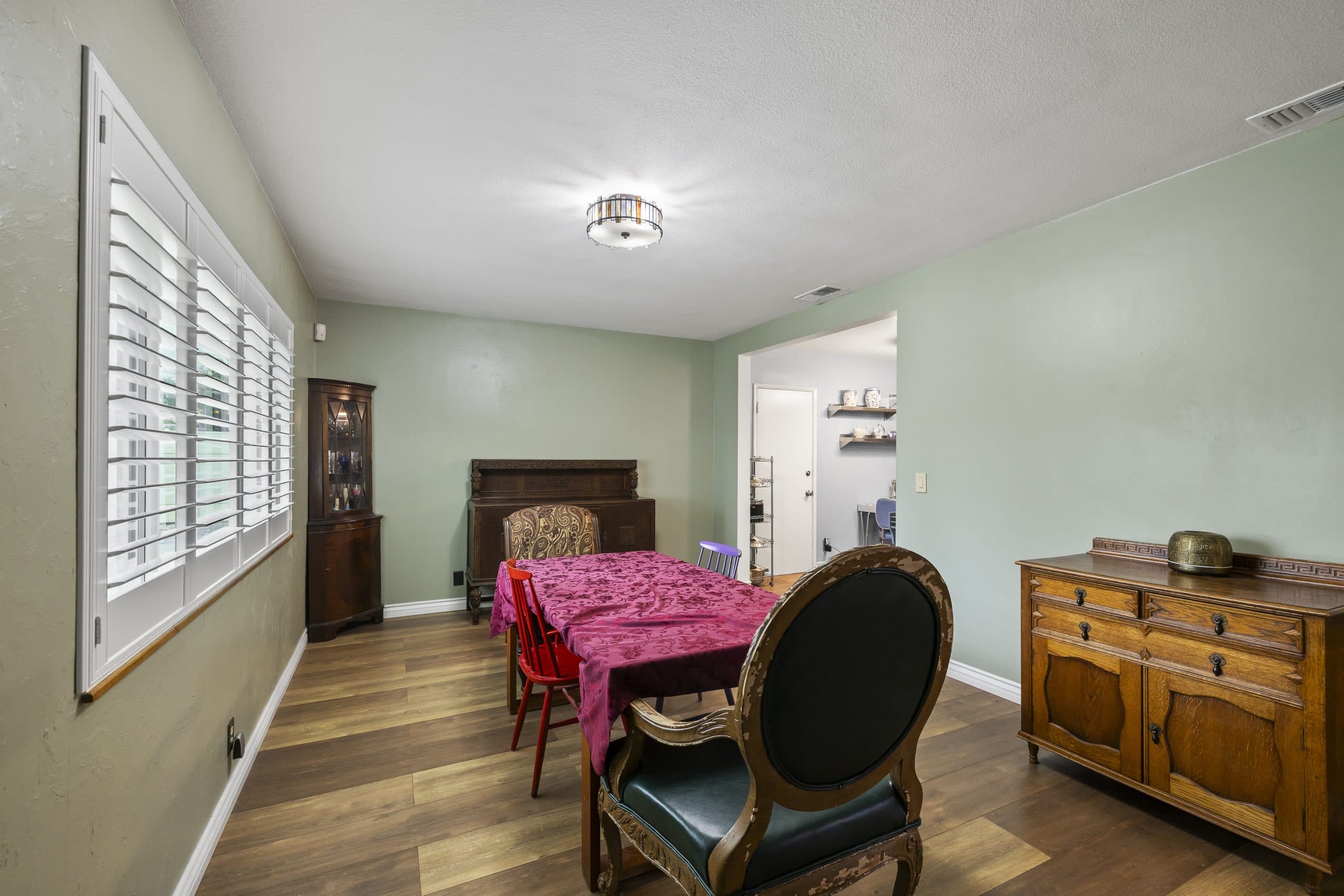
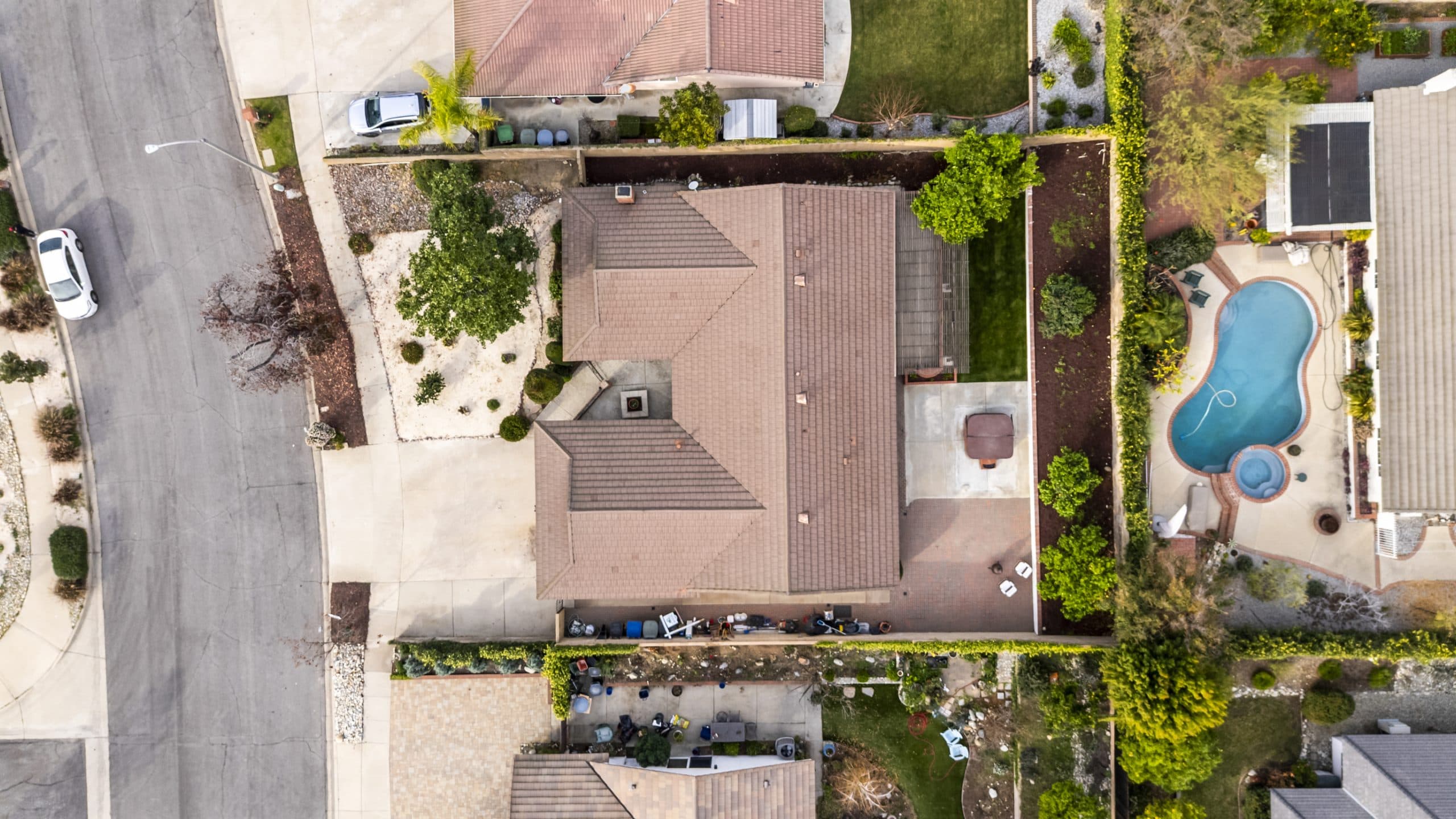
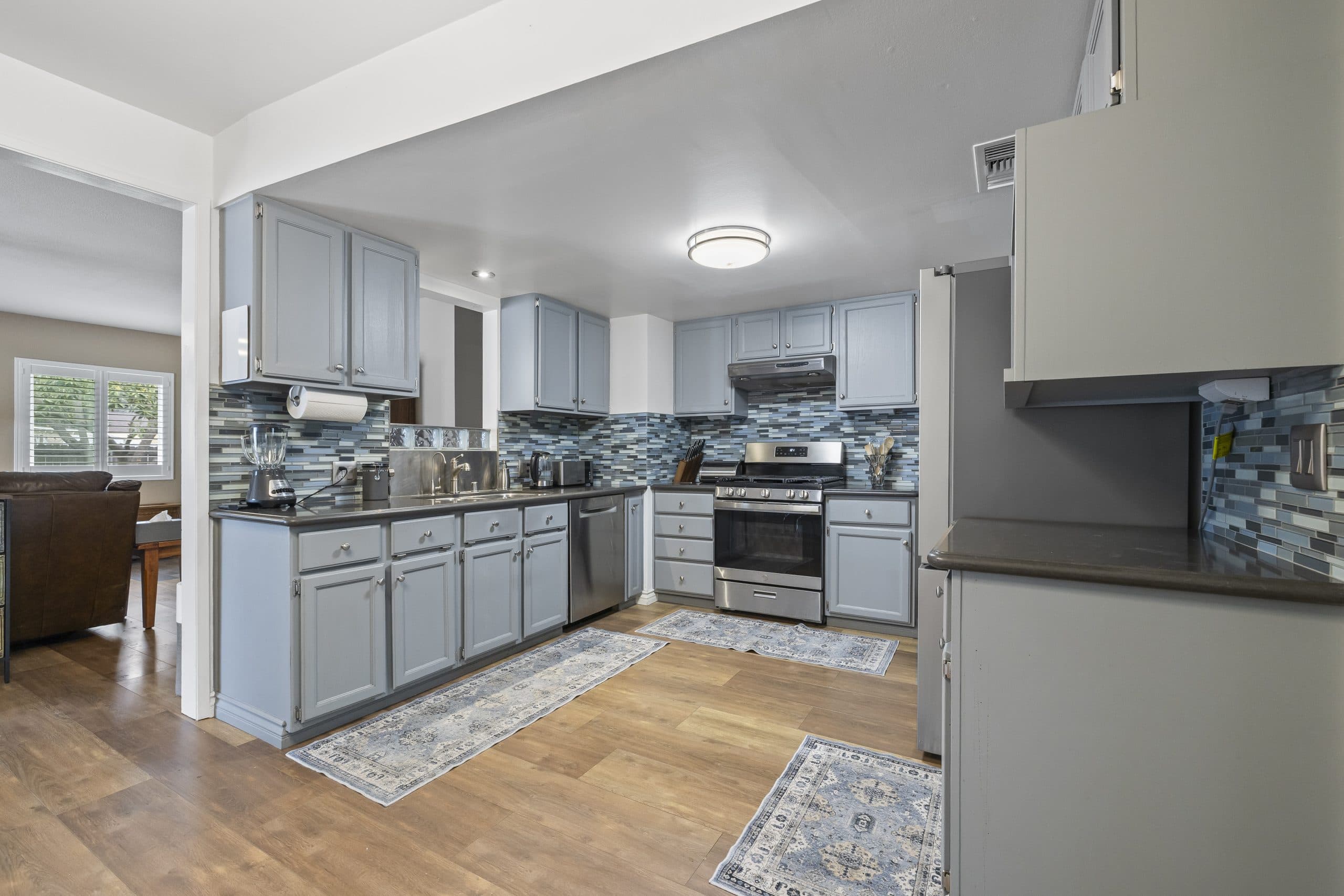
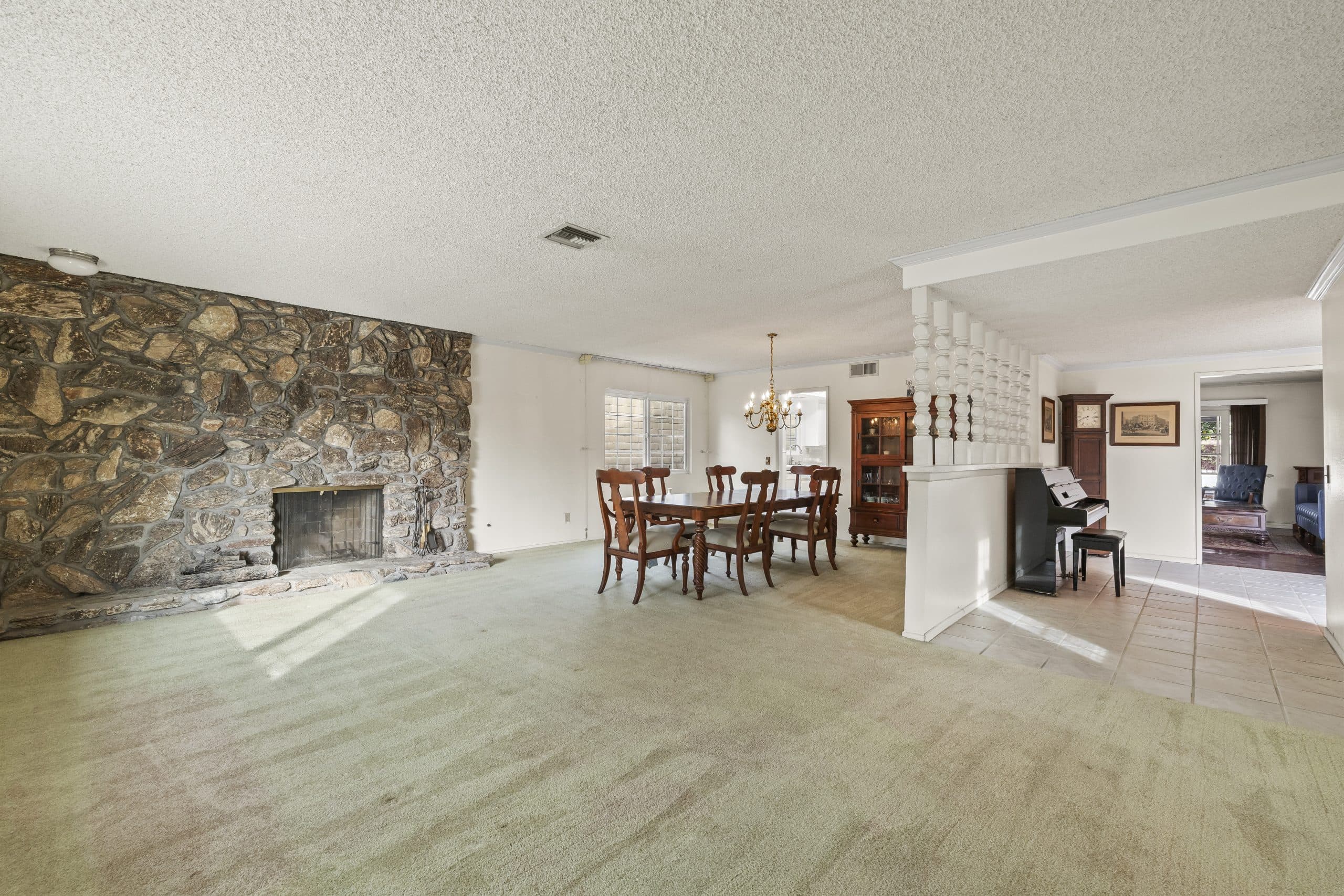
Intestate succession frequently produces the hardest version of a familiar problem: several people end up owning one house together, none of them chose the arrangement, and they want different things. One wants to sell. One wants to move in. One wants to wait a year and think. Nobody is being unreasonable, and there is no document expressing a parent's preference to appeal to.
The path through it is procedural rather than emotional. Establish who the heirs actually are under the statute, not who everyone assumed they were. Get the property valued through the estate's own process, which the probate referee guide explains. Then decide between the real options: sell and divide, or have one heir buy the others out. The multiple heirs guide and the sibling buyout guide cover the two routes in detail, and the second one is more often available than families assume.
A note about the person already living there. In many Claremont intestate estates, one adult child stayed in the family home as a parent aged. That person now occupies a property they may only partly own, and the situation needs to be handled with both fairness and clarity rather than left to drift. It is a legal question for the attorney and a human one for the family, and ignoring it is what turns it into litigation.
It is also worth confirming what actually sits in the estate. Accounts with a named beneficiary, retirement plans, and life insurance generally pass outside these rules entirely, and a property held with a right of survivorship may never have been part of the estate at all - the joint tenancy and survivorship guide covers that. Families sometimes discover the succession argument was about assets the statute never touched.
What to do in the first weeks
Search properly for a will before concluding there is not one, including a safe deposit box, a home safe, an attorney's file, and the papers of any lawyer the parent used decades ago. Secure the house, notify the insurer in writing that it is unoccupied, keep the utilities and irrigation running, and redirect the mail. Distribute nothing and begin no cleanout. Order certified death certificates. Then get an appointment with a probate attorney, bringing the deed and whatever family history you can assemble, because the succession answer depends on facts the family holds rather than facts the court does.
The absence of a will makes the process more clerical, not more dangerous. What makes it dangerous is acting before the appointment exists.
This is general information; your attorney and the court govern. Anthony Grynchal has been licensed in California since November 2009 and has seen intestate estates in Claremont resolve calmly whenever the family sorted out authority and valuation before they argued about the house. Start at the probate hub, and read the first steps guide next.
Frequently asked questions
Does the state take the house if there is no will?
Almost never. California's intestate succession rules pass property to a surviving spouse or partner, children, parents, siblings and outward through the family tree. Property goes to the state only when no relative in the statutory chain can be found. Confirm how the rules apply to your family with a probate attorney.
Who is in charge of an estate with no will?
The court appoints an administrator, chosen from among the people given priority by statute, and issues letters of administration. Nobody has authority before that, whatever a family has agreed among themselves. Where several relatives have equal standing, it is far better to agree on one candidate before the petition is filed.
Can heirs agree to divide things differently from the statute?
Adults with an interest can sometimes reach agreements about how property is ultimately handled, but that is a legal matter to raise with counsel rather than a private arrangement to act on. The court's job is to follow the code, so put any family understanding in front of the attorney before relying on it.
What happens when one child has been living in the family home?
It has to be addressed rather than left alone. That person may own part of the property and occupy all of it, which affects both the estate's accounting and any sale. Raise it with the attorney early, and consider whether a buyout is realistic before assuming the only option is to sell and divide.

Written by
Anthony Grynchal
Anthony Grynchal is a California real estate professional with eXp Realty, licensed since November 2009 (California DRE# 01873626), and the Designated Local Expert™ for Claremont — where he has lived for more than 33 years.
More about AnthonyPublished · Updated