Buyers research schools, commutes and comparable sales. Almost nobody reads the tax record before writing an offer, and it is one of the cheapest sources of real information about a house that exists.
It is public. It is free. It takes about fifteen minutes. And it will tell you several things a listing never will.
What you are looking at
The county maintains a record for every parcel: an identifying parcel number, an assessed value, a description of the improvements, and the charges that make up the bill. The bill-reading guide walks through the anatomy of it.
Read it as a document produced by an office with its own purposes, not as a verified description of the property. That framing prevents most of the mistakes people make with it.
The five things worth checking
THE PROPERTY DESCRIPTION AGAINST WHAT YOU SAW. Square footage, bed and bath counts, year built, whether a second structure is recorded. A gap between the record and the marketing is not automatically bad, but it is always worth understanding. Unpermitted work is one explanation. A stale record is another.
WHEN THE ASSESSED VALUE WAS LAST ESTABLISHED. Proposition 13 sets the general levy at one percent of assessed value and limits annual growth in assessed value to two percent, so a value that has grown slowly for a long time tells you the property has not changed hands in a long time. That is useful context about the seller and about the house.
WHAT THE NON-VALUE CHARGES ARE. Direct assessments and voter-approved charges vary by location, and they follow the parcel rather than the owner. Those lines are part of what you will pay every year. The direct assessments article explains what they are.
WHETHER AN EXEMPTION IS ON THE ROLL. A current owner's exemption reflects their circumstances, not yours. It is a line that can change when the property changes hands.
WHETHER ANYTHING IS UNPAID. Delinquency is a matter of record, and unpaid amounts follow the property. Escrow and title work exist to handle this, but knowing early changes how you negotiate.
The single biggest misreading
Here is the mistake that costs buyers real money.
THE SELLER'S TAX BILL IS NOT YOUR TAX BILL.
An owner who has held a Claremont home for decades carries an assessed value anchored to when it was established. A purchase is generally an event that resets that anchor. So the friendly number on the current bill is a description of the seller's history, not a forecast of your cost.
Budget from what the property will be assessed at after purchase, which your lender and your CPA can help you estimate, rather than from the line on the seller's bill. And expect a separate bill covering the gap between the old assessment and the new one after closing. The supplemental bill article explains that one, and it is the single most common unpleasant surprise in a first year of ownership.
What the record does not prove
Be strict about this, because the record is often treated as more than it is.
IT DOES NOT PROVE ANYTHING IS PERMITTED. The record may show a structure exists. It does not certify that the structure was legally built. Permit history lives with the city, and that is a separate search.
IT DOES NOT PROVE CONDITION. Nothing about the record speaks to the roof, the foundation, the wiring or the plumbing. That is what an inspection is for.
IT DOES NOT PROVE MARKET VALUE. Assessed value is an administrative number, not an appraisal, and reading it as one leads buyers badly astray in both directions.
IT DOES NOT PROVE BOUNDARIES. The record describes a parcel; it is not a survey.
Where it changes your questions
The value of the exercise is usually not a smoking gun. It is better questions.
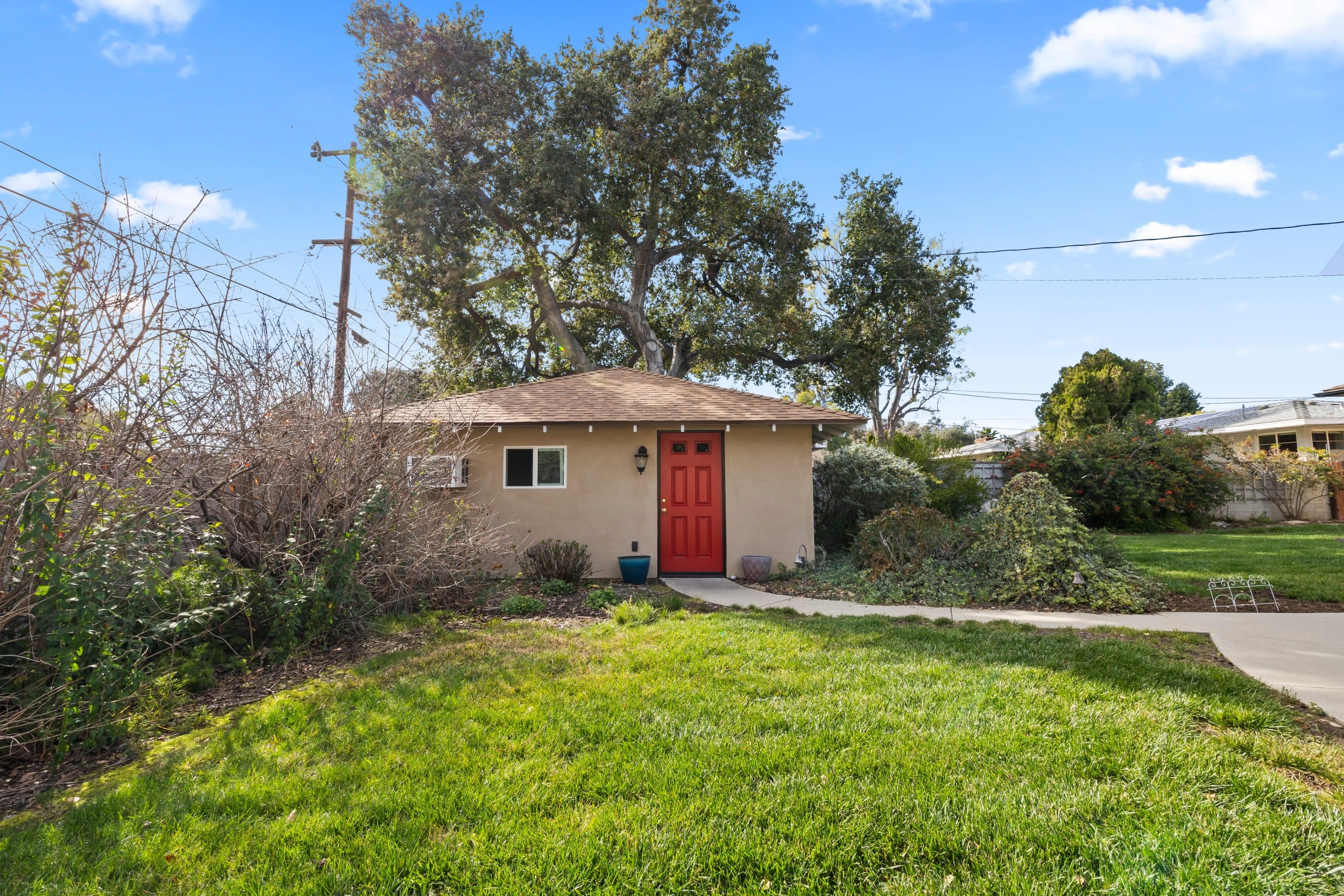
If the record shows fewer bedrooms than the listing, ask when the extra one was created and whether there is a permit. If the record shows a structure the tour did not include, ask what happened to it. If the assessed value was established recently on a home marketed as long-held, ask what event caused that.
None of those are accusations. They are the questions a careful buyer asks, and the answers are usually mundane. The occasions when they are not are precisely the occasions worth catching before you are in contract.
How to actually do it
Get the parcel number, which appears on any tax bill and in most listing data. Look up the assessment record and the current tax information through the county. Compare it against the listing and against what you observed at the property.
Then take the discrepancies to your agent, and take the money questions to your CPA and your lender. The record raises questions well; it answers very few of them on its own.
Fifteen minutes, before you are emotionally committed to a house, is the best time this research will ever be worth.
A necessary disclaimer
I am a real estate salesperson, not a tax professional. Nothing here is tax or legal advice and none of it predicts an outcome for your situation. The Los Angeles County Assessor is the authority on the assessment, and a CPA or tax attorney is who you talk to about consequences.
Where to go next
For the fundamentals behind everything above, start at the property taxes hub. To understand why two similar Claremont homes can carry very different bills, read the Prop 13 article.
Anthony Grynchal has been licensed in California since November 2009.
Frequently asked questions
Can I look up a property's tax record before making an offer?
Yes. Assessment and tax records are public, and with the parcel number you can review the assessed value, the recorded description and the charges on the bill.
Will I pay what the current owner pays?
Usually not. A purchase is generally an event that resets the assessed value, so a long-time owner's bill describes their history rather than your future cost.
Does the tax record show whether work was permitted?
No. The record may show that a structure exists but does not certify it was legally built. Permit history is a separate search with the city.
What is the most useful thing on the record?
The comparison between the recorded description and what you actually saw. Gaps there generate the right questions to ask before you are in contract.

Written by
Anthony Grynchal
Anthony Grynchal is a California real estate professional with eXp Realty, licensed since November 2009 (California DRE# 01873626), and the Designated Local Expert™ for Claremont — where he has lived for more than 33 years.
More about AnthonyPublished · Updated