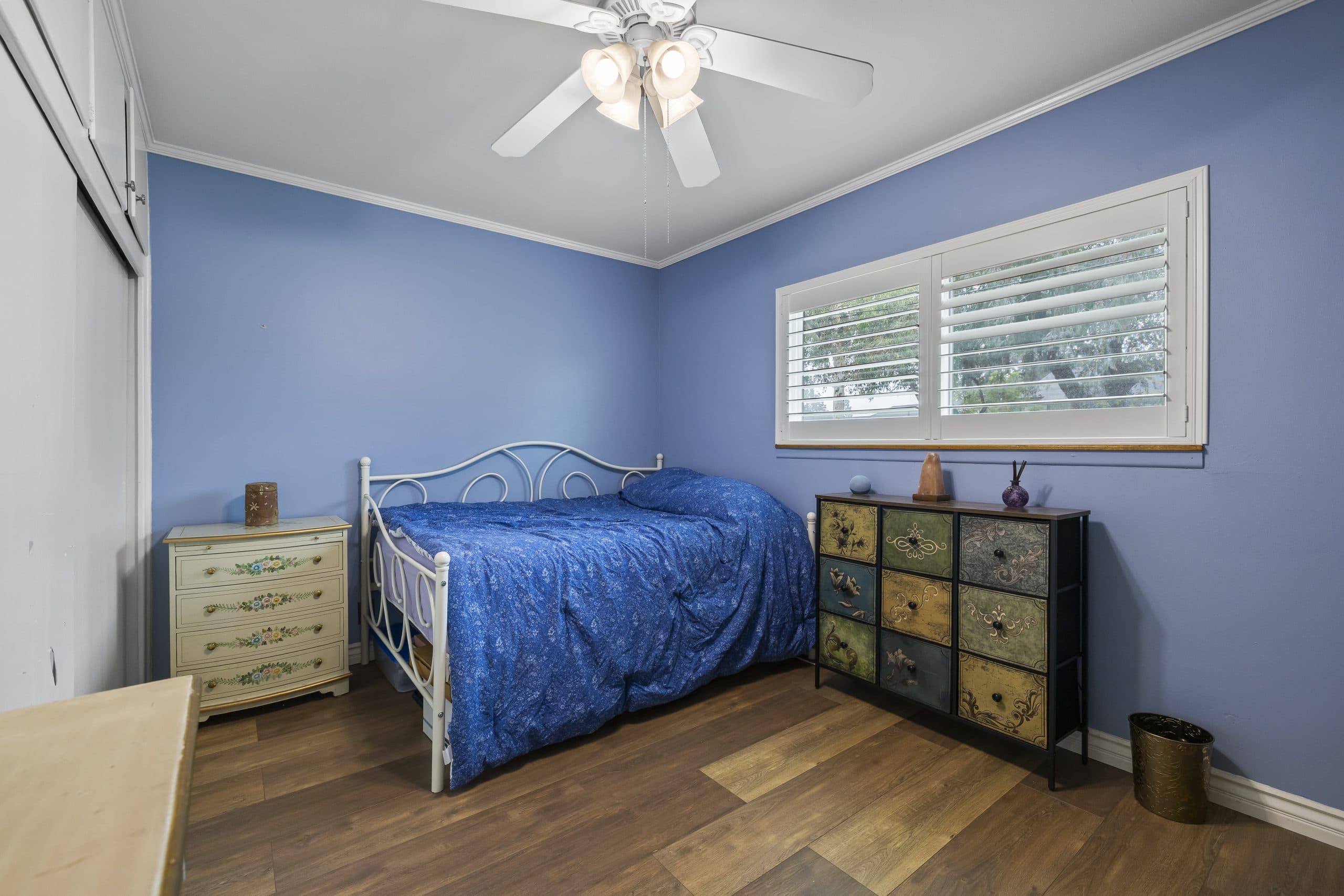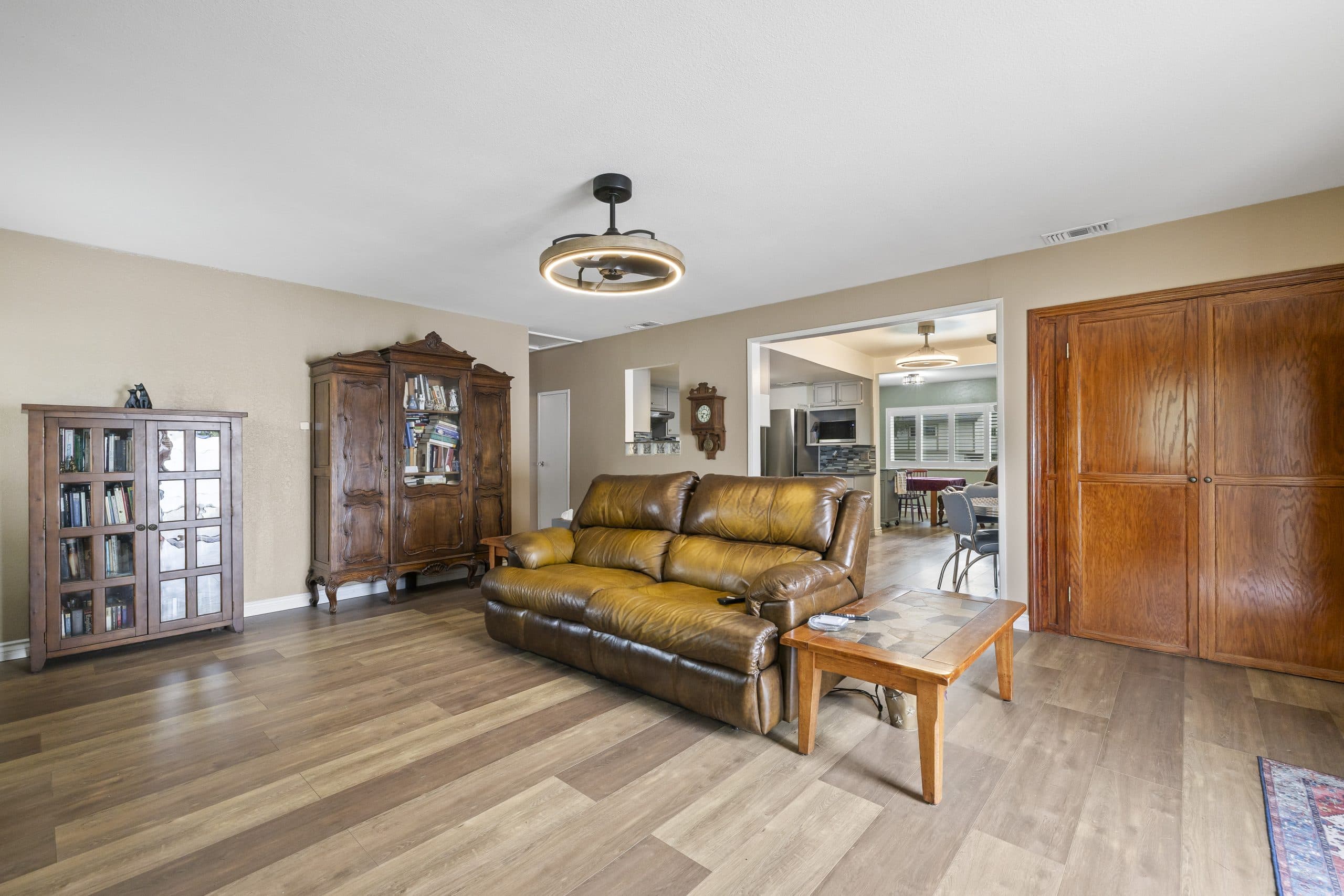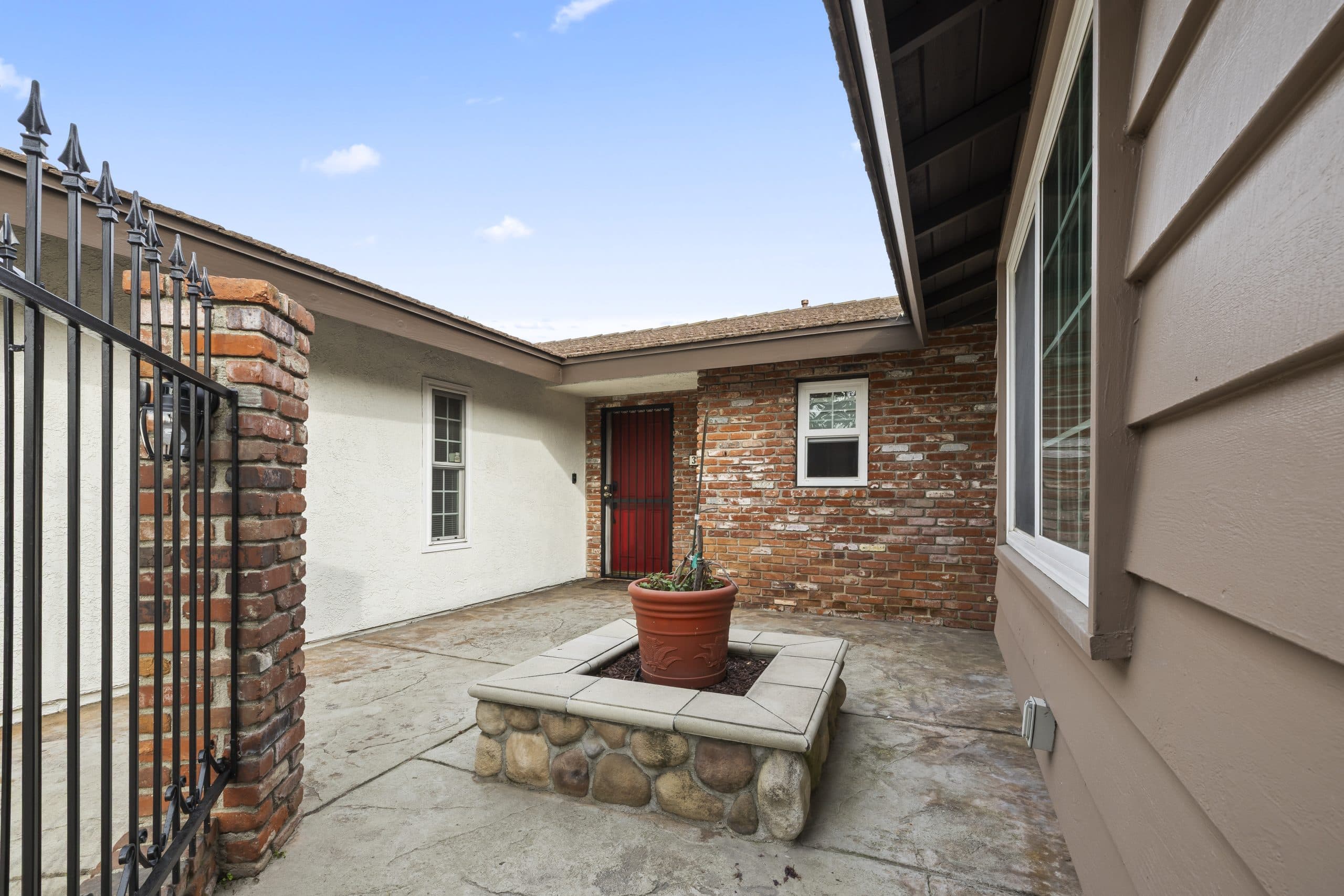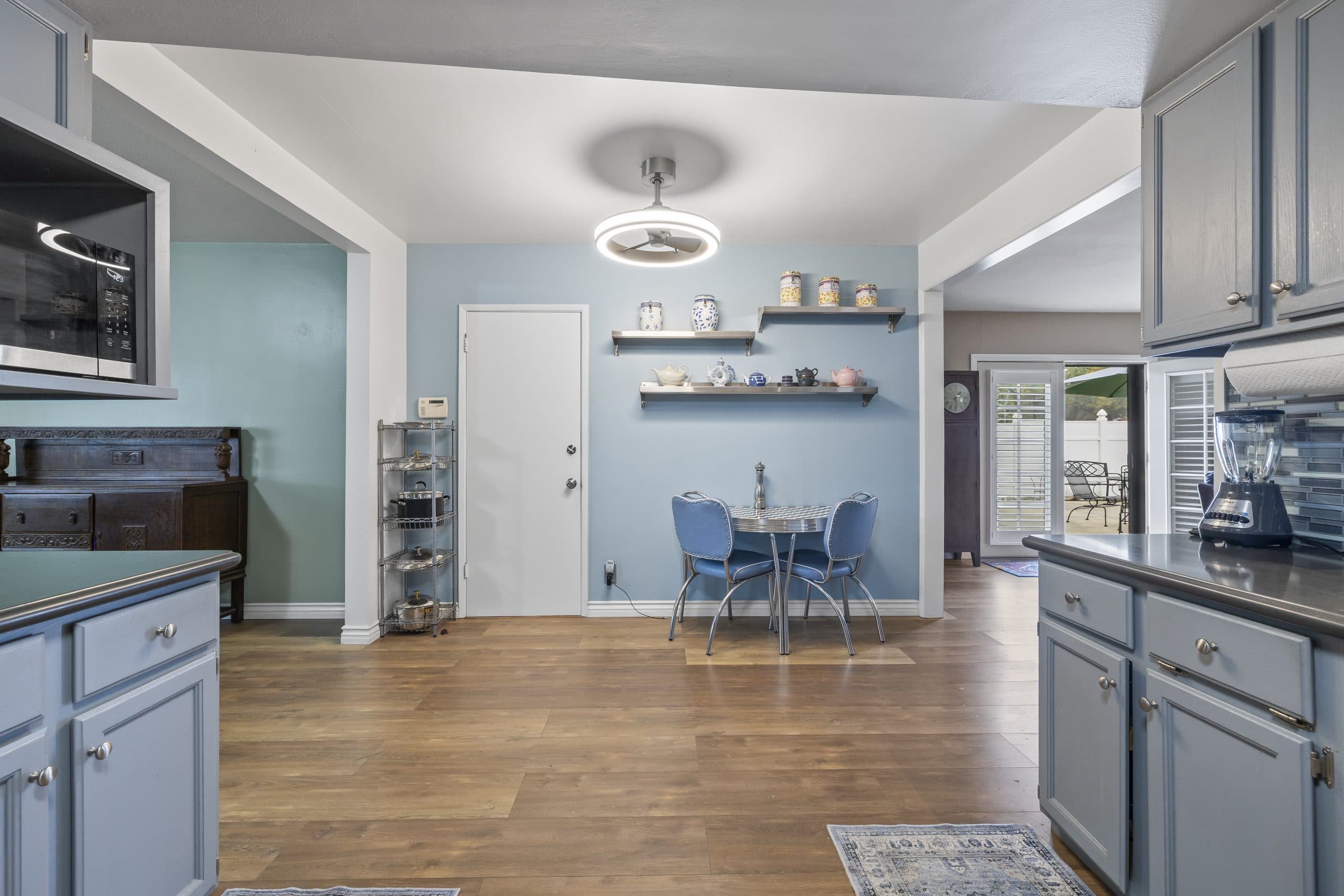
Sometimes there is no scouting trip. A start date lands, a lease ends, a house sells faster than expected, and you find yourself choosing where to live in a town you have only met through a screen.
It is not ideal and it is not reckless either, provided you replace the thing you are missing. What a visit gives you is CONTEXT: how a street feels, how far things really are, what the block is like at seven in the evening. You can reconstruct a surprising amount of that remotely if you are systematic about it.
Here is the method, and the three things it cannot fix.
What listing photos actually hide
Start by knowing what you are not being shown, because none of it is deception. It is just how photography works.
- Everything past the property line. A beautiful interior tells you nothing about what is across the street, next door, or behind the back fence.
- Scale and grade. Wide lenses flatten slope and enlarge rooms. A yard that looks level often is not, and in a foothill town that matters for drainage.
- Noise. No photograph has ever recorded a road, a leaf blower, or an air conditioner.
- Light and heat. Photos are shot at flattering hours. Orientation and shade are among the biggest quality-of-life variables in this climate, and they are invisible in a gallery.
- The tree canopy. Or its absence. In Claremont this is one of the most consequential differences between two streets a few blocks apart.
The remote reconnaissance sequence
Start with satellite, not street level. Zoom out until you can see the whole block, then the surrounding quarter mile. You are looking for the things nobody mentions: a commercial edge, a school and its arrival traffic, a large parking area, a wash or flood channel, arterial roads, and how much tree cover the street actually carries. Then check the grade, because slope brings drainage, access and brush questions with it.
Then drive the street virtually, in both directions, several blocks each way. One frame in front of the house tells you nothing. Look at how the houses meet the sidewalk, whether sidewalks are continuous, how wide the street is, whether cars are parked densely, and whether the era of construction stays consistent or shifts sharply mid-block.
Check the imagery date and compare older captures. Most street-level imagery has a history. Looking back several years tells you the trajectory of a block, which is information a visit cannot give you at all.
Trace your real routes on a map. Not the estimated time, which varies by day and hour and which you should test yourself later. Trace the SHAPE: what you cross, whether you are pushed onto an arterial, how you would reach a grocery, a trailhead, the Village or a freeway.
Understand the town's geography rather than memorizing names. Claremont's character shifts with position: the walkable center and the older streets around it, the flatter mid-century areas, the rising northern edge closer to the canyon mouths, and the rural fringe. Knowing which band a listing sits in tells you more than a neighborhood label does.
The checks that are not optional when buying remotely
These replace the things your own eyes would have caught.
- A full inspection, plus specialists. Sewer lateral, roof and, on any sloped lot, drainage. Older housing stock means older systems, and you have no in-person impressions to prompt the right questions.
- An address-specific insurance quote, early. Especially anywhere on the northern slope. Never assume pricing or availability from the city generally.
- A video walkthrough done live, by someone working for you. Not a produced marketing video. A live call where you can say go back, open that, point the camera at the neighbor's yard, stand still and let me listen.
- Sound, deliberately. Ask your agent to stand outside in silence for thirty seconds, twice, at different hours.
- Permitted status of anything that matters. If a converted garage, a rear structure or an addition is part of why you like the house, confirm its status with the City of Claremont. A listing's description is not a permit record.
- School boundaries, if relevant. Confirm the attendance boundary for the specific address directly with Claremont Unified School District before an offer depends on it. Boundaries change and listings are not authoritative.
The three things remote work cannot fix
Heat. You cannot feel an August afternoon through a screen, and this is inland Southern California. Compensate by weighting orientation, shade and the cooling system's age far more heavily than you would otherwise.
Whether the town fits you. A neighborhood decision assumes the town decision is already made. If you are not sure about the town itself, that is a different problem and the candid local answer is the right place to test it.
Your own reaction. Some people walk onto a street and know. No amount of research reproduces that.
The honest recommendation
If you can rent for a year, do. Choosing a neighborhood after living in the town for a season is a genuinely better decision than choosing it from a screen, and it costs you one move rather than a mistake you live in. That case is made in full in renting before you buy.
If you cannot, buy the location conservatively. Pick the block you are least likely to regret rather than the house that photographs best, keep your inspection contingencies intact, and remember that you can change a kitchen and cannot change what is across the street.
The relocation hub has the rest of the sequence.
Anthony Grynchal has been licensed in California since November 2009.
Frequently asked questions
Is it safe to buy a home sight unseen?
It can be done responsibly, but only by replacing what a visit would have given you: a full inspection plus specialists, a live video walkthrough directed by you, an address-specific insurance quote, and careful map and satellite reconnaissance of the surrounding blocks.
What do listing photos hide?
Everything past the property line, true scale and slope, noise, and the light and heat a house receives. In this town they also hide the presence or absence of street tree canopy, which makes a real difference to how a block feels.
How do I judge a Claremont street remotely?
Start with satellite view zoomed out to see commercial edges, schools, arterials, washes, grade and tree cover. Then drive the street virtually in both directions for several blocks, and compare older imagery captures to see the block's trajectory.
Should I rent first if I cannot visit?
Usually yes. Choosing a neighborhood after living in town for a season is a better decision than choosing from a screen, and it costs one extra move rather than a mistake you have to live inside.
What should I never assume from a listing?
Permitted status of a converted garage, addition or rear structure, and school attendance boundaries. Confirm the first with the City of Claremont and the second with Claremont Unified School District before an offer depends on either.

Written by
Anthony Grynchal
Anthony Grynchal is a California real estate professional with eXp Realty, licensed since November 2009 (California DRE# 01873626), and the Designated Local Expert™ for Claremont — where he has lived for more than 33 years.
More about AnthonyPublished · Updated