Moving to Claremont: The Complete Relocation Guide

An honest guide to moving to Claremont, CA: who thrives here, neighborhoods, commutes, real costs, schools, and a landing plan from a local agent.

Working with us directly? Living in Claremont

Moving to Claremont works best when you understand what you are actually buying: a small, tree-canopied college town on the eastern edge of Los Angeles County that trades big-city amenities for walkability, schools, and a community you can genuinely join within a season. The people who thrive here are families anchored to the school district, academics and staff connected to the Claremont Colleges, remote workers who want a walkable base with mountain trails ten minutes away, and retirees who want village life without leaving Southern California. The people who chafe are the ones who need late-night city energy, mild summers, or a short drive to the coast, because Claremont offers none of those. This guide is the honest version of the relocation pitch: the town as it is, the neighborhoods, the commute math, the costs, and a landing plan that actually works.

I am Anthony Grynchal, Mr. Claremont, licensed in California since November 2009, and I live in the city this page describes. Relocating households are a large share of my practice precisely because they arrive with every question unanswered, which is the most useful kind of client to write for.

The town, honestly

Claremont's nickname is the City of Trees and PhDs, and both halves are structural. The street canopy is real, decades old, and central to why the town feels established the moment you drive in. The PhDs come from the Claremont Colleges, the consortium of five undergraduate colleges and two graduate institutions that anchors the east side of town, keeps the Village economy healthy, and fills the calendar with lectures, concerts, and exhibitions a city this size has no right to expect. The Village itself, the walkable core of shops, restaurants, and the Metrolink depot, is the town's living room, and the Sunday farmers market is its weekly assembly.

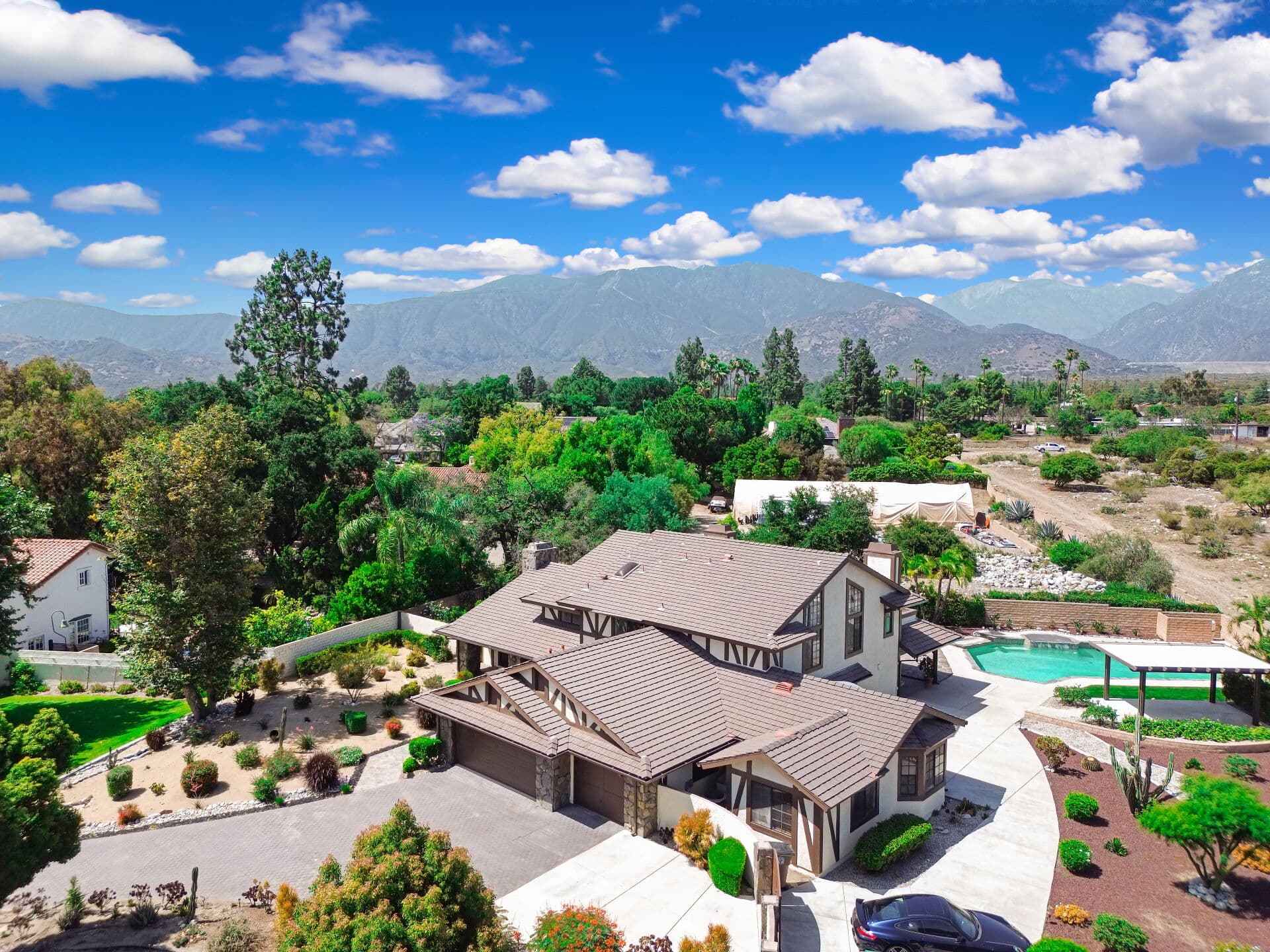
What Claremont is not: it is not urban, it is not coastal, and it is not lively at midnight. Summers are genuinely hot, inland Southern California hot, and the trade for that is autumn and winter weather most of the country would take in a heartbeat, with snow on the San Gabriel peaks above town while you eat outside in the Village. Judge the town by whether its actual life fits yours, not by the brochure version of either.

Where newcomers land: the neighborhoods

Claremont is small but not uniform, and relocating buyers should choose a strategy before falling for a kitchen.

  • The Village and its surrounding streets sell walkability and character: older homes, modest lots, and daily life on foot, with demand to match.
  • North Claremont, including tracts like Towne Ranch and Blaisdell Ranch, offers larger lots, mid-century homes, and proximity to the foothills, Thompson Creek Trail, and the Claremont Hills Wilderness Park. This is where relocating families most often land.
  • Claraboya, the hillside enclave above the city, trades on views: city lights to the south, mountains at your back, with hillside due diligence to match.
  • South Claremont is typically the most attainable entry to the city, closer to the 10 freeway for commuters, with charming pockets that buyers who never drive south of Arrow Highway simply miss.

If you are arriving from Los Angeles proper, the adjustment cuts both ways, more house and more quiet for the money, further from everything you currently walk to, and I wrote the specific translation guide in moving to Claremont from Los Angeles.

Commutes, trains, and the airport

Be honest with yourself about the commute before you commit to anything. Driving into central Los Angeles from Claremont is a real commute by any standard, and anyone who tells you otherwise is selling something. The mitigations are genuine, though. The Metrolink depot sits in the Village itself, running service toward LA Union Station, and residents who work downtown treat the train as a reading hour rather than a windshield hour. The 10 and 210 freeways bracket the city for drivers, Pasadena and the tech corridors of the San Gabriel Valley are materially closer than downtown, and the quiet luxury nobody advertises is Ontario International Airport, close enough that early flights stop being an ordeal. Remote and hybrid workers have the easiest math of all, which is a large part of who has been arriving lately.

What it costs to live here, without pretending

Claremont prices above several of its immediate neighbors, and that is not an accident: you are paying for the school district, the canopy, the Village, and the stability the Colleges lend the local market. Within the region's brutal housing math, though, it remains the case that money arriving from Los Angeles, Orange County, or the Bay Area buys meaningfully more house here than it left behind. Beyond the mortgage, budget honestly for the realities: cooling costs in the long summer, water for a garden that earns its keep, insurance that needs a real quote rather than an assumption if you are shopping the northern foothills near the fire severity zones, and California property taxes, which reset at your purchase price and arrive with a supplemental bill months after closing that surprises nearly every newcomer. I keep current market conditions out of this evergreen page deliberately; the numbers live in the Claremont market reports.

Schools and the Colleges

The Claremont Unified School District is one of the two or three most common reasons families choose this town, and the practical advice is simple: understand attendance boundaries before you fall in love with a house, because boundaries within the district shape both daily life and resale demand, and a short walk can separate two homes that feed different schools. Touring with boundaries in mind from day one is the kind of thing that saves relocating families from expensive re-learning.

The Colleges, meanwhile, are an amenity most newcomers underprice. Public lectures, concert series, galleries, and some of the best people-watching in the region come with the zip code, and the Wilderness Park trailheads above town turn the foothills into a daily habit rather than a weekend trip. A town of this size with this cultural calendar is genuinely rare, and it is the thing transplants mention first a year after arriving.

The calendar you are joining

The rhythm of Claremont is seasonal and specific: the Sunday farmers market runs year-round, the Fourth of July is a full-scale small-town production, autumn brings the Village Venture street fair, and spring belongs to commencement season, when the town fills with proud families and dinner reservations vanish. Here is the local observation I share with every relocating household: the town exhales in summer. When the Colleges empty out, Claremont gets quieter, parking gets easier, and the pace drops by a gear, and long-time residents quietly love it. You will learn to feel the academic year in the streets long before you could name why, and newcomers who arrive in July should know they are seeing the town at its sleepiest, not its truest.

Your landing plan

Relocations succeed on sequence. First, decide the city honestly: if you are weighing Claremont against its foothill neighbors, I wrote a genuinely fair comparison in Claremont vs La Verne vs Upland, and the differences are real enough to decide on. Second, decide rent-first or buy-first. Renting for a year teaches you the neighborhoods, the commute, and the summer before you commit, at the cost of moving twice and market risk; buying immediately works best for households that already know the town or have a hard school deadline. The rent-first path has its own playbook, including which neighborhoods rent easily and how to run the year deliberately, in renting in Claremont before you buy. Third, plan the house hunt like the out-of-towner you are: concentrated trips beat scattered ones, and a local agent watching inventory daily is your early-warning system, because the best Claremont homes do not wait for your next visit. The full purchase mechanics live in the Claremont buying guide, and the questions every newcomer asks are collected in the Claremont real estate FAQ.

The unglamorous admin deserves a line too, because it lands in the same exhausting first month. California gives newcomers deadlines for driver's licenses and vehicle registration, school enrollment runs on the district's calendar rather than yours, and utility accounts, internet service, and trash collection all need setting up against your actual move date. None of it is hard; all of it is easier as a checklist made in advance than as a series of surprises. The households that land softly here are the ones that treated the move as a project with a sequence, which is exactly the framing I try to give every relocating family in the first call.

When you are ready to talk specifics, a relocation video call is the right first step: your timeline, your budget, your commute, and an honest read on whether Claremont fits. Call me at (909) 731-5374 or reach out through the site, and I will tell you the truth about the town I chose, including the parts the brochures skip.

Frequently asked questions

Is Claremont a good place to live?

For the right household, genuinely yes: walkable Village life, a strong school district, the cultural calendar of the Claremont Colleges, and foothill trails ten minutes from your door. The honest trade-offs are hot inland summers, a real commute to central Los Angeles, and a quiet evening scene. Families, academics, remote workers, and retirees tend to thrive; committed urbanites tend to visit instead.

Should I rent in Claremont before buying?

If your timeline allows it, a rental year is the cheapest education you can buy: you learn the neighborhoods, the commute, the summer heat, and the school boundaries before committing to a specific street. The costs are moving twice and taking market risk on prices while you wait. Households with a hard school deadline or deep familiarity with the town often skip straight to buying.

How do people commute from Claremont to Los Angeles?

By Metrolink or by freeway. The depot in the Village runs service toward LA Union Station, and downtown workers treat the train as reclaimed reading time. Drivers use the 10 and 210 corridors, with Pasadena and the San Gabriel Valley meaningfully closer than downtown. The honest answer is that a central LA commute is real; hybrid and remote schedules are what make the math comfortable.

What surprises newcomers most about Claremont?

Three things come up constantly: how much the academic calendar shapes the town's rhythm, including the quiet exhale each summer when the Colleges empty; how hot the inland summer actually is; and the supplemental property tax bill that Los Angeles County sends months after closing, which catches nearly every newcomer unprepared. None are dealbreakers, and all are easier when someone warns you in advance.