Almost every deposit dispute reduces to one argument: the landlord calls it damage, the tenant calls it wear. The law sides with the tenant on ordinary wear, and the burden of proving otherwise sits with the owner.
So the useful skill is not toughness. It is the ability to classify a condition honestly and to show your work.
The dividing line
Normal wear and tear is the deterioration that happens when a reasonable person lives in a home in the ordinary way for the length of the tenancy. Damage is deterioration caused by negligence, abuse, accident, or misuse.
Two variables decide most calls: TIME and CAUSE.
Time matters because materials have a useful life. Carpet, paint, blinds, and appliances wear out on their own. A finish that was already near the end of its life when the tenant moved in cannot fairly be charged to them at full value, no matter what it looks like now.
Cause matters because the same photograph can be either category. A worn traffic path in the hallway carpet is use. A burn, a pet stain soaked into the pad, or a tear is damage.
Worked examples that come up in Claremont units
Paint. Faded walls, small nail holes from hanging pictures, and scuffs at furniture height are wear. Crayon, unapproved colour changes, large anchor holes left unrepaired, and smoke staining are damage.
Carpet. Flattened pile in walkways and light soiling are wear. Pet urine into the pad, bleach spots, cigarette burns, and cuts are damage. Age is the crucial second question: charging for full replacement of a carpet already most of the way through its life is what turns a fair deduction into an unfair one.
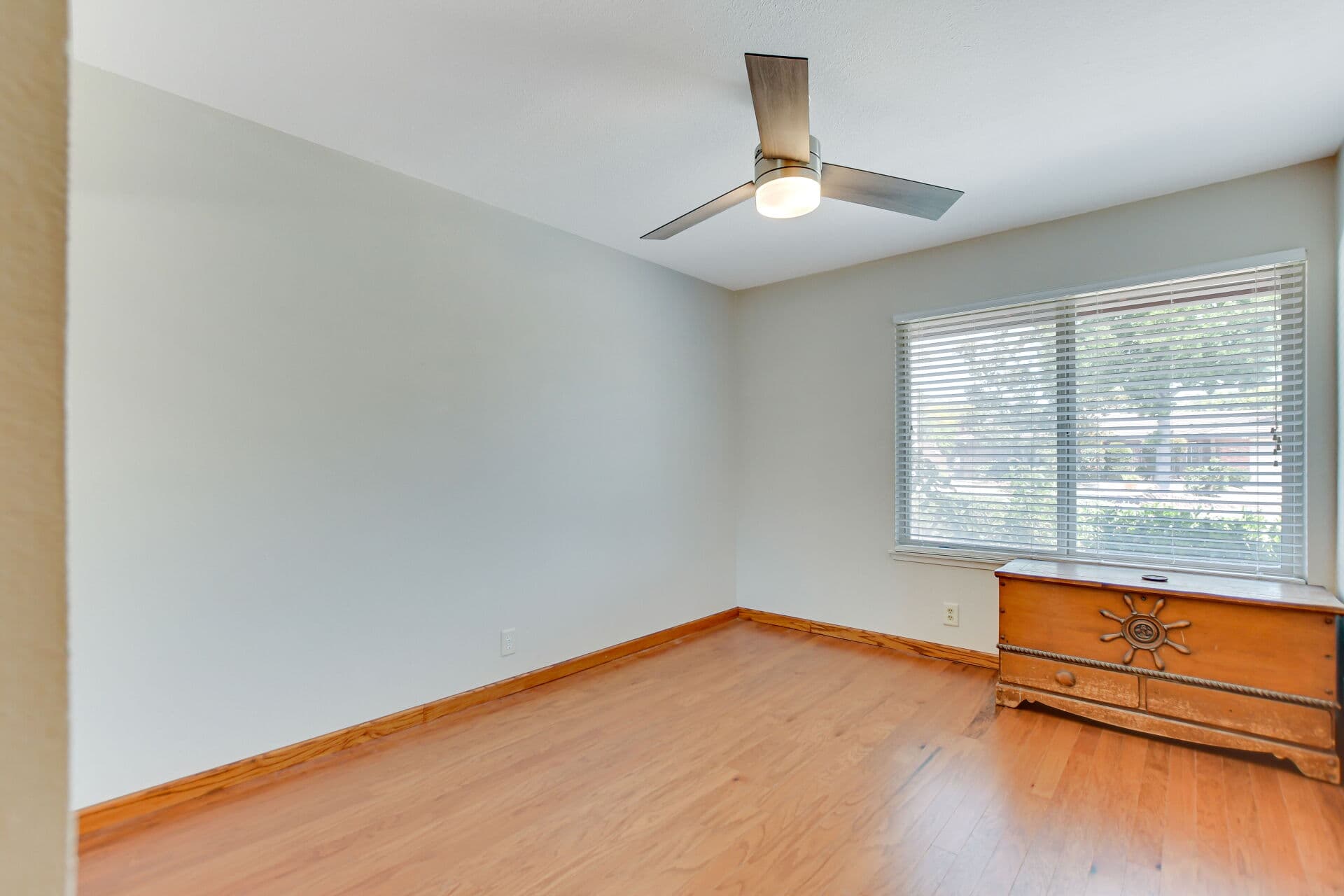
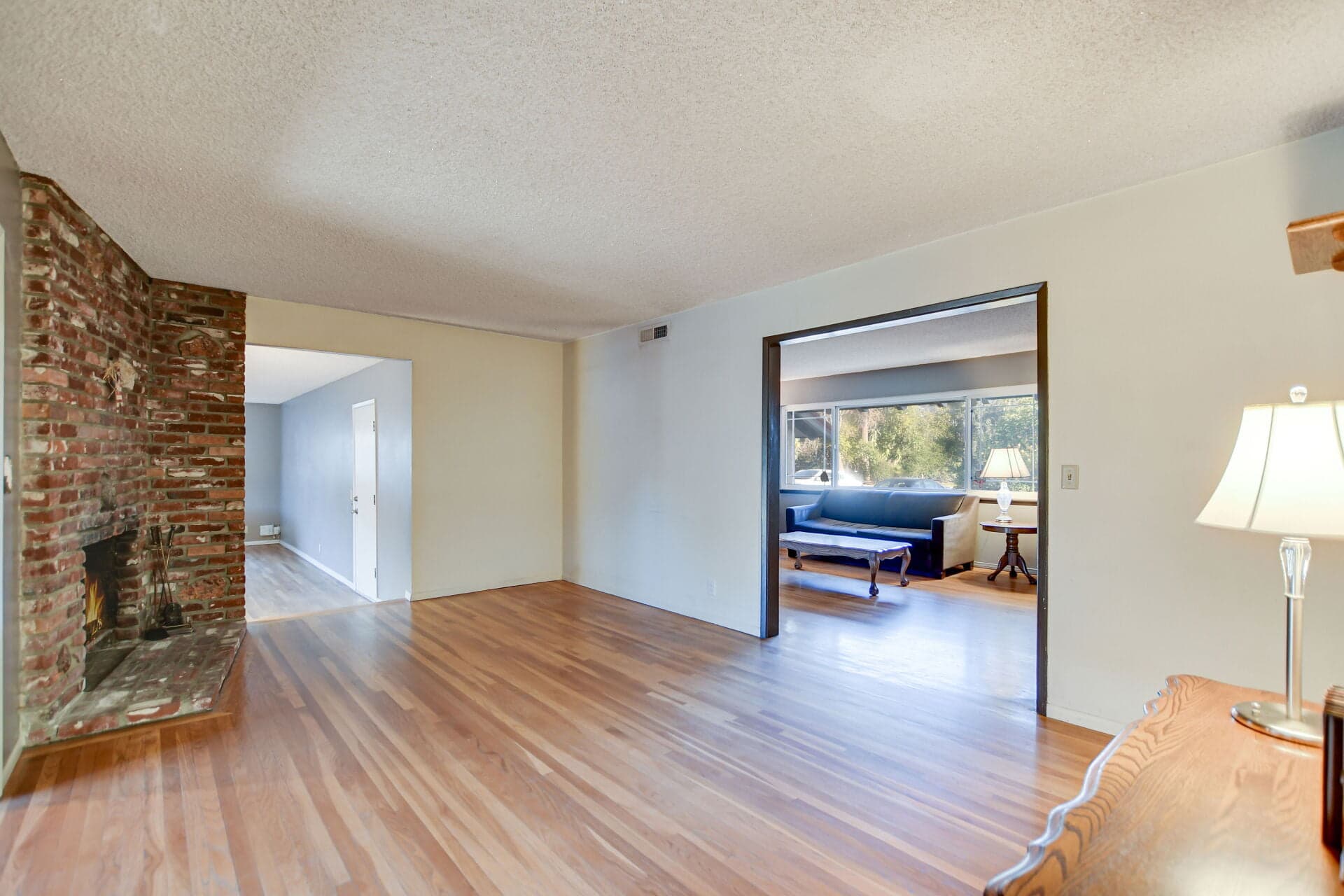
Hard flooring. Minor surface scratches on an older floor are wear. Gouges from dragged furniture, water damage at a dishwasher or planter, and buckling from standing water are damage.
Bathrooms. Grout discoloration and worn caulk are wear. Cracked tile and a broken vanity top are damage. Mould from a persistent leak is more complicated, because an unaddressed condition may trace back to something the owner should have fixed.
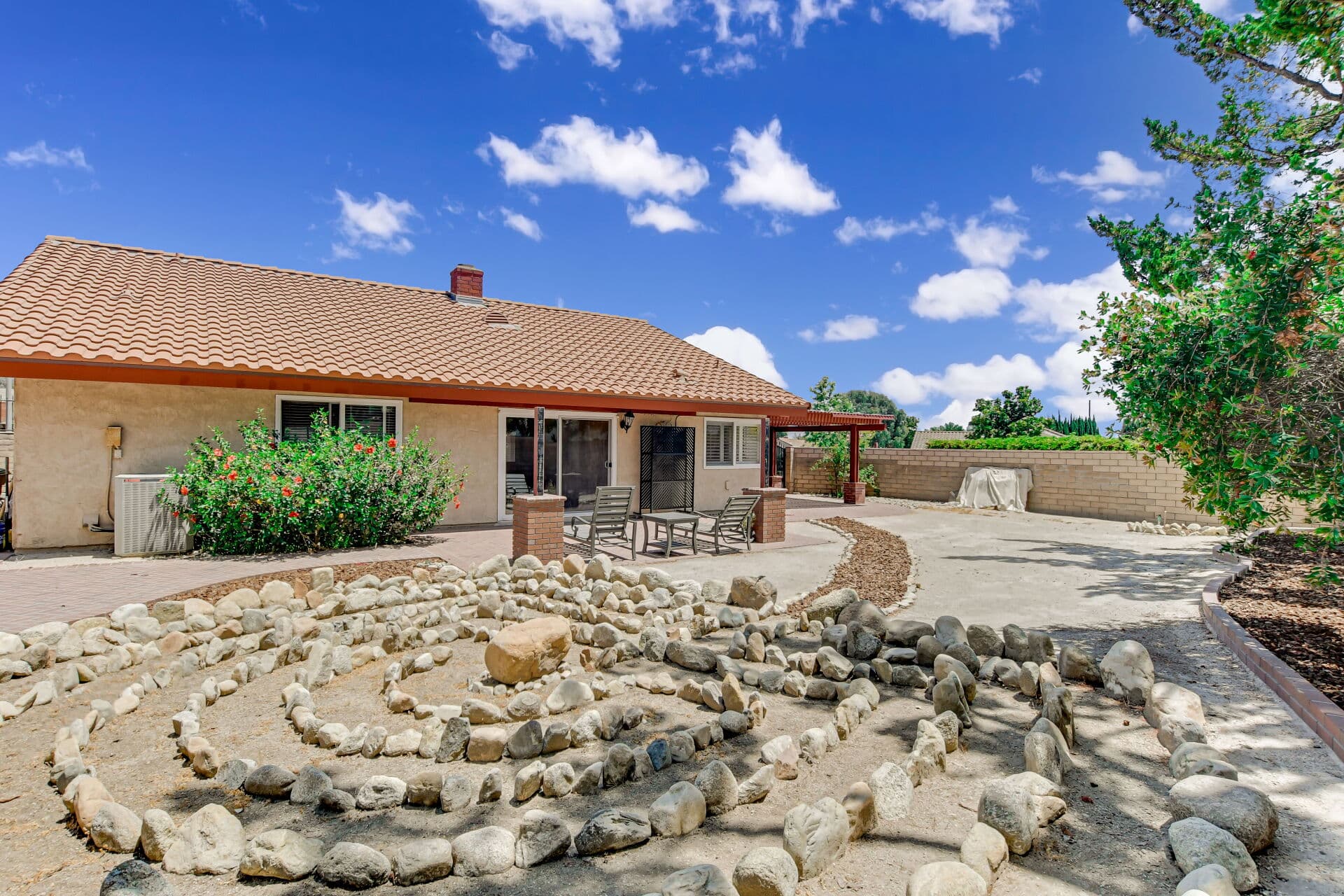
Yards. Claremont tenancies often include outdoor space. A tired lawn in a dry summer is wear. Dead landscaping where the lease put watering on the tenant, holes from unapproved digging, and removed plants are damage.
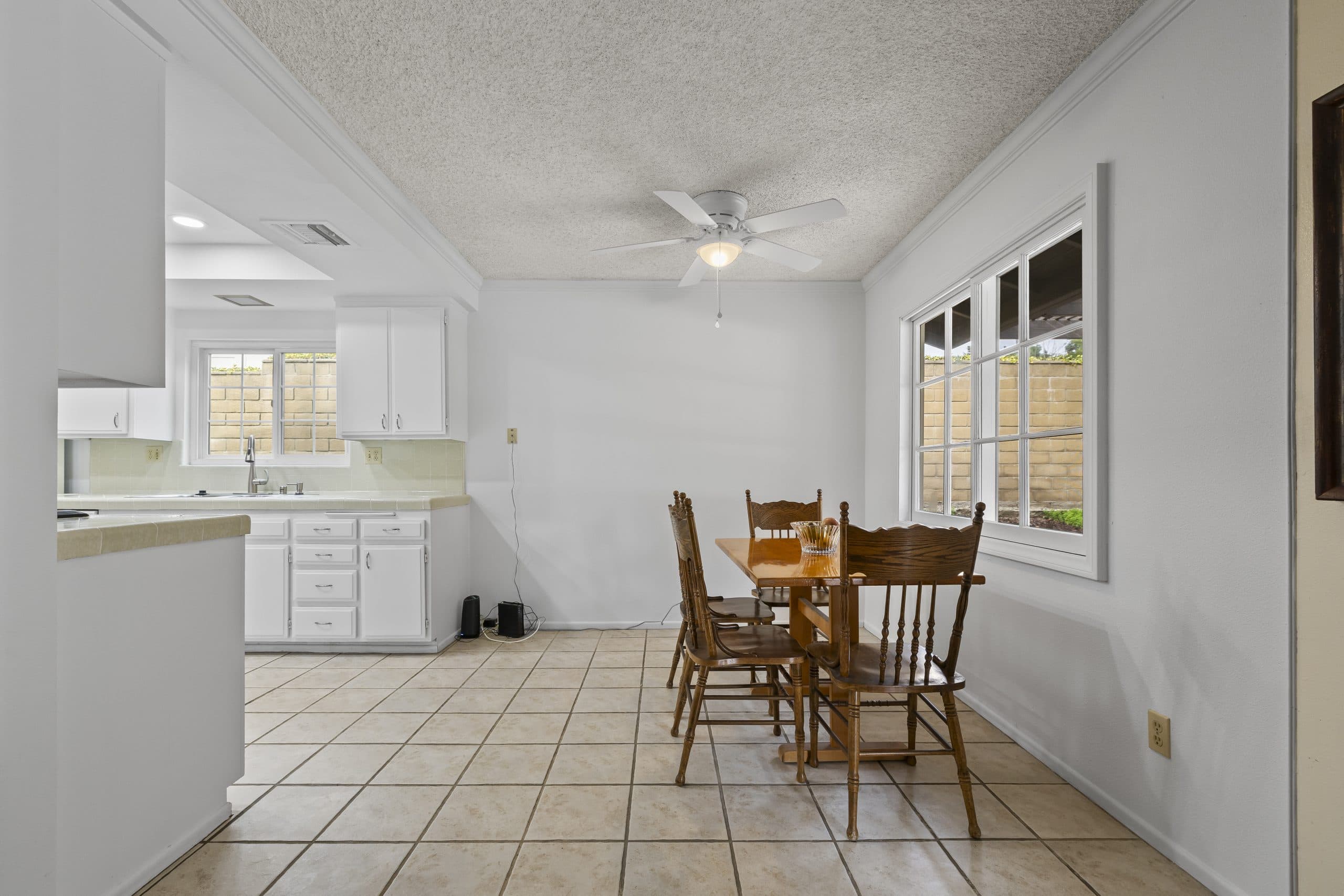
Fixtures and appliances. A dishwasher failing at the end of its service life is wear. A cracked door, a missing rack, or a unit destroyed by misuse is damage.
Cleaning is its own category
Cleaning is not the same argument as damage. A tenant is generally expected to return the unit in a similar level of cleanliness to the start, allowing for ordinary use.
Which means the move-in record decides it. If you cannot show the condition at the start, you cannot show that the end state is worse.
The evidence that actually holds up
Deposit decisions are won at move-in, not at move-out.
- A dated, signed move-in condition report walked with the tenant.
- Photographs or video of every room, including floors, walls, appliance interiors, and outdoor areas.
- Records of the age of major finishes and appliances - when the carpet went in, when the unit was last painted.
- The maintenance log showing what was reported during the tenancy and when it was fixed.
At move-out, repeat the same photograph set from the same positions. A side-by-side pair is far more persuasive than a paragraph of description.
Then itemise. Each deduction needs a condition, a cause, and a cost supported by an invoice or estimate. A single lump sum labelled cleaning and repairs is the classic invitation to a dispute.
Age, useful life, and proportion
The point that owners most often miss: you are restoring your position, not upgrading the unit at the tenant's expense.
If a replacement is genuinely required, the tenant's share should reflect the remaining life the item had, not the full price of a new one. A conservative, explainable proportion survives scrutiny. An aggressive full-replacement charge on a well-used item usually does not.
The same logic applies to labour. Charge what the work cost, evidenced, rather than a round number that sounds fair to you.
Process, notice, and timing
California sets out how deposits must be handled at the end of a tenancy, including the tenant's opportunity for a pre-move-out inspection and the itemised statement that follows. The mechanics and any limits change, so confirm the current requirements before you send anything.
The general shape is stable: offer the inspection, tell the tenant in writing what you observed and what they could fix themselves, then send an itemised statement with supporting documentation and return the balance within the required period.
Missing a deadline is one of the few unforced errors that can cost an owner more than the deduction was ever worth. Read our deeper walkthrough on security deposits in California and verify the current rules with a landlord-tenant attorney.
How to argue this well
Keep the tone administrative. You are not judging how someone lived. You are describing a condition, attributing a cause, and attaching a cost.
Where a call is genuinely close, decide for the tenant. The goodwill is cheap, and the alternative is a dispute over a small sum in which your entire process gets examined.
Where a call is clear, document it properly and hold the line without drama.
For the full end-of-tenancy sequence see the Claremont turnover checklist, and return to the rental properties hub for the surrounding topics. Anthony Grynchal has been licensed in California since November 2009.
Frequently asked questions
Is worn carpet damage or wear?
Flattened pile and light soiling in walkways are ordinary wear. Burns, tears, bleach marks, and pet urine into the pad are damage. The carpet's age also matters, because a tenant should not fund the replacement of a finish already at the end of its life.
Can I charge a flat cleaning fee at move-out?
Deductions should be itemised and supported by actual cost. A flat fee with no documentation and no move-in comparison is the most commonly disputed line on any statement.
What single record most improves my position?
A dated move-in condition report signed by the tenant, paired with a full photograph set. Without a starting condition you cannot demonstrate that the ending condition is worse.
What if the tenant disputes my itemised statement?
Respond in writing with the supporting invoices and the before-and-after photographs. Do not withhold anything beyond what you can evidence, and speak with a landlord-tenant attorney if the dispute escalates.

Written by
Anthony Grynchal
Anthony Grynchal is a California real estate professional with eXp Realty, licensed since November 2009 (California DRE# 01873626), and the Designated Local Expert™ for Claremont — where he has lived for more than 33 years.
More about AnthonyPublished · Updated