Operating a Claremont Rental: The Owner's Handbook

Running a Claremont rental well: tenant selection, the college calendar, habitability duties, and when professional management earns its fee.

Owning a Claremont rental is the quiet strategy — no flips, no drama, a sound house working steadily in a town with deep tenant demand. But 'quiet' describes the strategy, not the job. Operating a rental in California is a real occupation with real duties, and the owners who thrive here are the ones who treat it professionally from the first listing. This is the operator's guide: finding and keeping good tenants, the rhythm the Claremont Colleges impose on the local rental year, the obligations that come with the keys, and the honest math of doing it yourself versus hiring it out. For the buy-side question — whether and what to acquire — start with the investing landscape and the strategy playbooks; this page assumes you own the door already.

Know the rules before the rules find you

The single most important sentence on this page: California landlord-tenant law is substantial, layered, and periodically updated, and operating from memory or forum posts is how owners get hurt. Statewide frameworks govern security deposits, notice periods, entry rights, habitability, and in many cases the pace of rent changes; local requirements can add layers of their own. None of it is static, which is why this page teaches the discipline rather than reciting provisions that may age: before your first listing — and at a regular cadence after — verify the current rules with a landlord-tenant attorney or through the city's current guidance. The cost of that review is trivial beside the cost of one procedural mistake in a dispute.

The Claremont rental year has a heartbeat

Every college town's rental market breathes with the academic calendar, and Claremont's breathing is deep: seven campuses cycle students, faculty, visiting scholars, and staff through the housing market on a schedule you can nearly set a watch to. For owners this cuts two ways. Time a vacancy toward the summer-into-fall turnover and the tenant pool is at its widest; let a lease expire into the dead of the academic year and the same unit can sit. It also shapes tenant mix strategy — furnished flexibility near the campuses serves the academic stream, while unfurnished family houses on school-district streets march to the different, school-year-driven rhythm described in the schools guide. Neither stream is better; the mistake is pricing and timing one as if it were the other.

Tenant selection: consistent, documented, fair

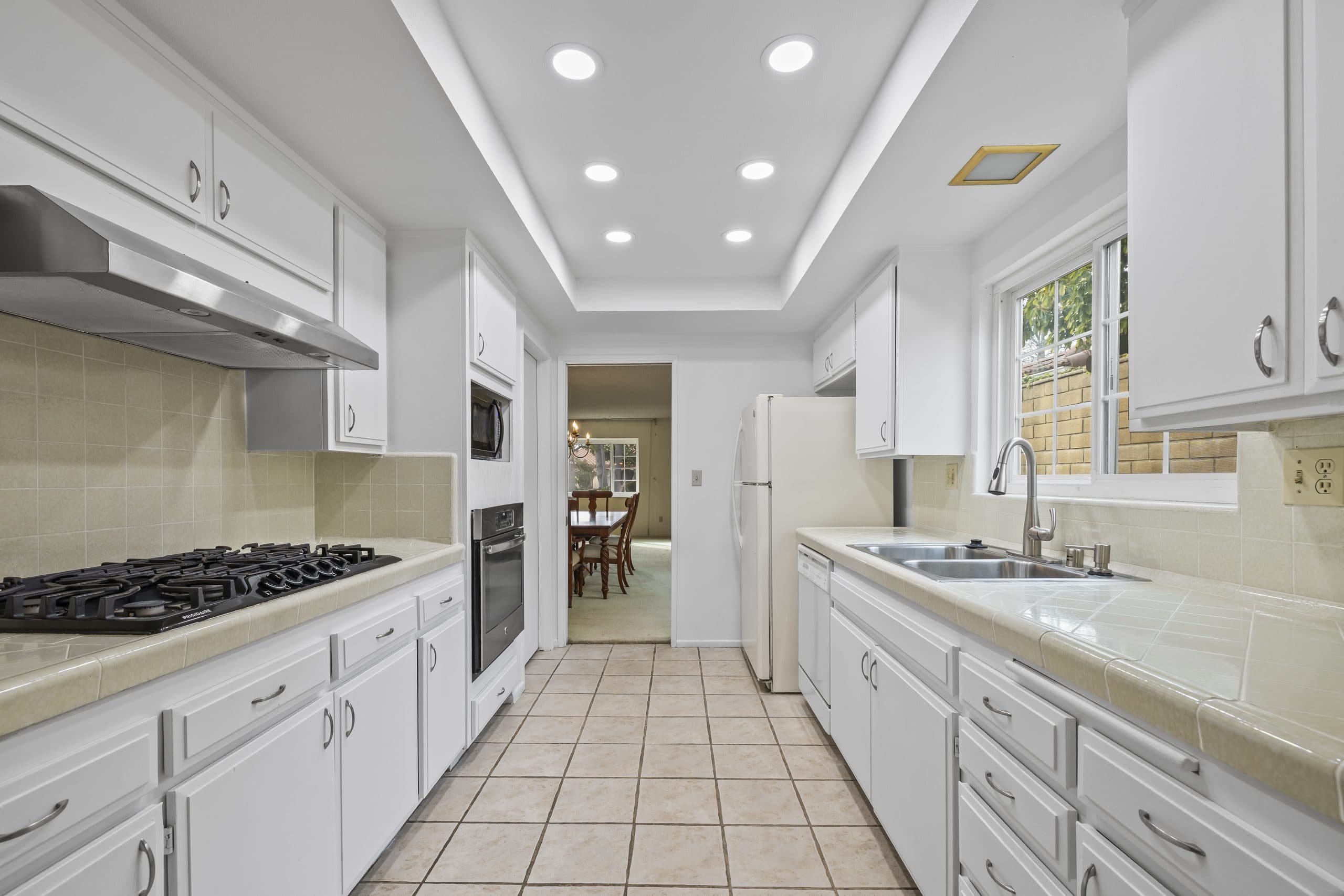
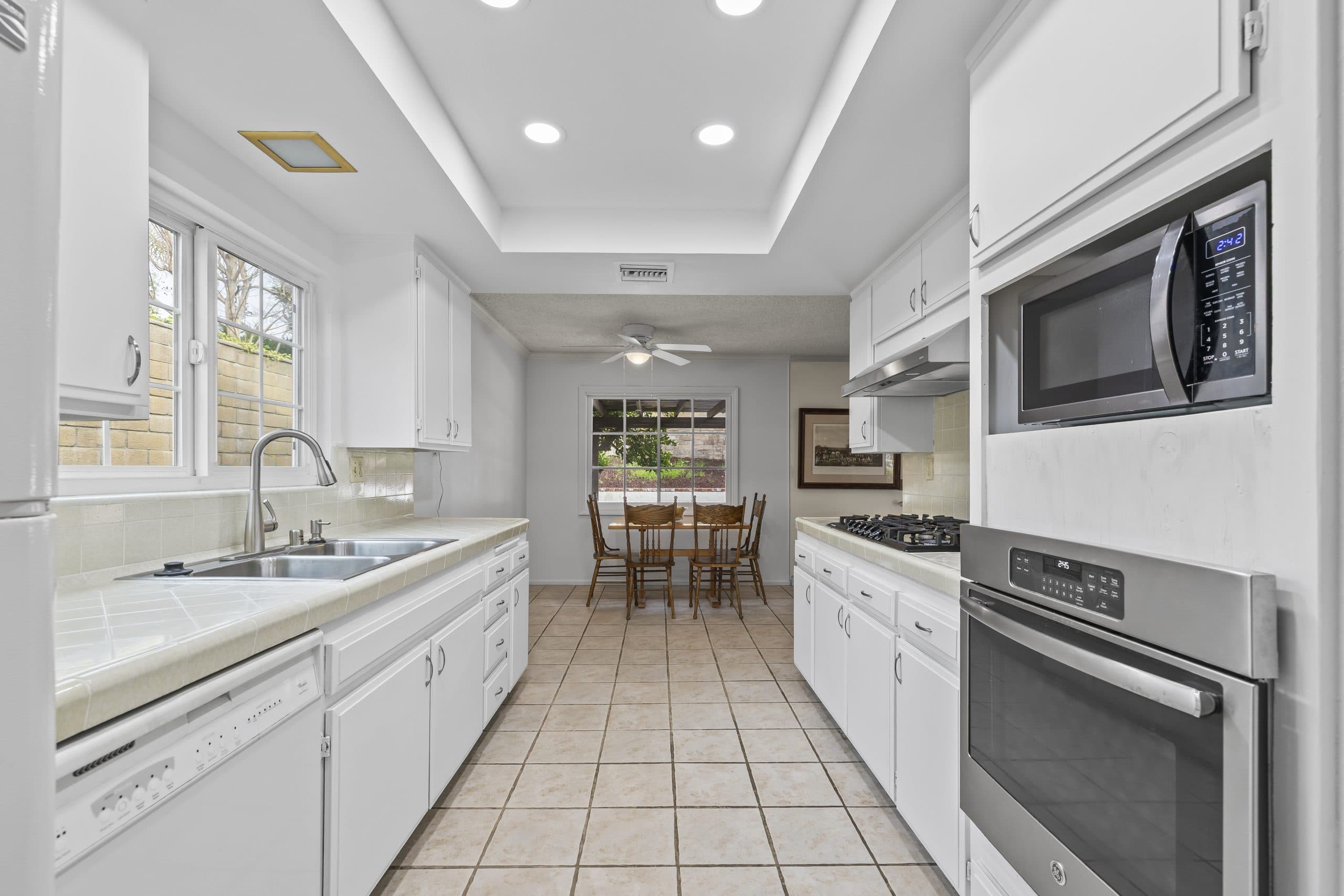
Good operation begins with one written standard applied identically to every applicant — income verification, references, history — inside fair-housing law, which is absolute and unforgiving of improvisation. The practical craft: respond fast (the best applicants in this market are gone in days), show a clean and functioning unit because the tenant you want is evaluating you back, and document the move-in condition with the thoroughness of someone who expects to need the record — photographs, a signed condition report, everything dated. The move-in file is boring right up until the day it is the whole case.

Habitability is the floor, maintenance is the strategy

California obligates landlords to maintain rental housing at a habitable standard — functioning systems, weatherproofing, safety basics — and that obligation does not wait for convenience. But the owners who do best here go past the floor, for a coldly practical reason: Claremont's housing stock is largely mature, and mature homes reward the preventive rhythm the maintenance guide lays out. A responsive owner keeps good tenants for years, and tenant longevity — not squeezing each renewal — is where this strategy's real economics live. Turnover is the silent expense: vacancy, turnover work, re-leasing effort. The best financial decision most Claremont landlords make is being the kind of landlord good tenants do not leave.

Self-manage or hire it out?

The honest test has nothing to do with spreadsheets. Can you take the 7 a.m. water-heater call, run the showing calendar, keep current on the legal layer, and hold a professional boundary with someone you may see at the farmers market? Owners with one nearby door and the temperament for it often self-manage well, especially with an attorney relationship for documents and escalations. Owners with distance, multiple doors, or full lives usually find professional management earns its fee — in vacancy avoided, procedure done correctly, and weekends returned. If you hire: interview like an employer, ask exactly how the college-calendar dynamics shape their leasing approach, and read the management agreement's termination and fee terms as carefully as any lease.

The exit is part of the operation

Every rental eventually sells — to another investor with tenants in place, or to an owner-occupant after a lease conclusion, and the two paths are prepared differently. Selling with tenants requires their cooperation and clean records; selling vacant requires timing the lease end honestly and lawfully. Either way, the operator's habits — documentation, permits for any work done, honest disclosure of the property's rental history — become the sale's assets, as the selling guide details. Run the rental for the decade, but file every year of it as if the sale were next spring.

Anthony Grynchal has been licensed in California since November 2009 and works with rental owners on both ends — acquiring the door and eventually selling it. The operators who win in this town are unfailingly the boring ones: current on the rules, quick on the repairs, patient on the strategy.

Frequently asked questions

When is the best time to have a Claremont rental vacancy?

The summer-into-fall turnover, when the Claremont Colleges cycle the widest pool of students, faculty, and staff through the market. A lease expiring into the middle of the academic year can leave the same unit sitting — align lease terms with the calendar deliberately.

What are my legal obligations as a Claremont landlord?

California sets substantial statewide duties — habitability, deposits, notice, entry — and layers can apply locally; the framework is periodically updated. Verify the current rules with a landlord-tenant attorney or current city guidance before your first listing and at a regular cadence after.

Should I self-manage my Claremont rental or hire a manager?

Self-management suits owners with one nearby door, current legal knowledge, and the temperament for calls and boundaries. Distance, multiple doors, or a full life usually make professional management worth its fee — in avoided vacancy, correct procedure, and returned weekends.

What paperwork matters most in operating a rental?

The move-in file — dated photographs and a signed condition report — plus consistent application records, maintenance logs, and permits for any work done. These records are boring until a dispute or a sale, when they become the whole case.