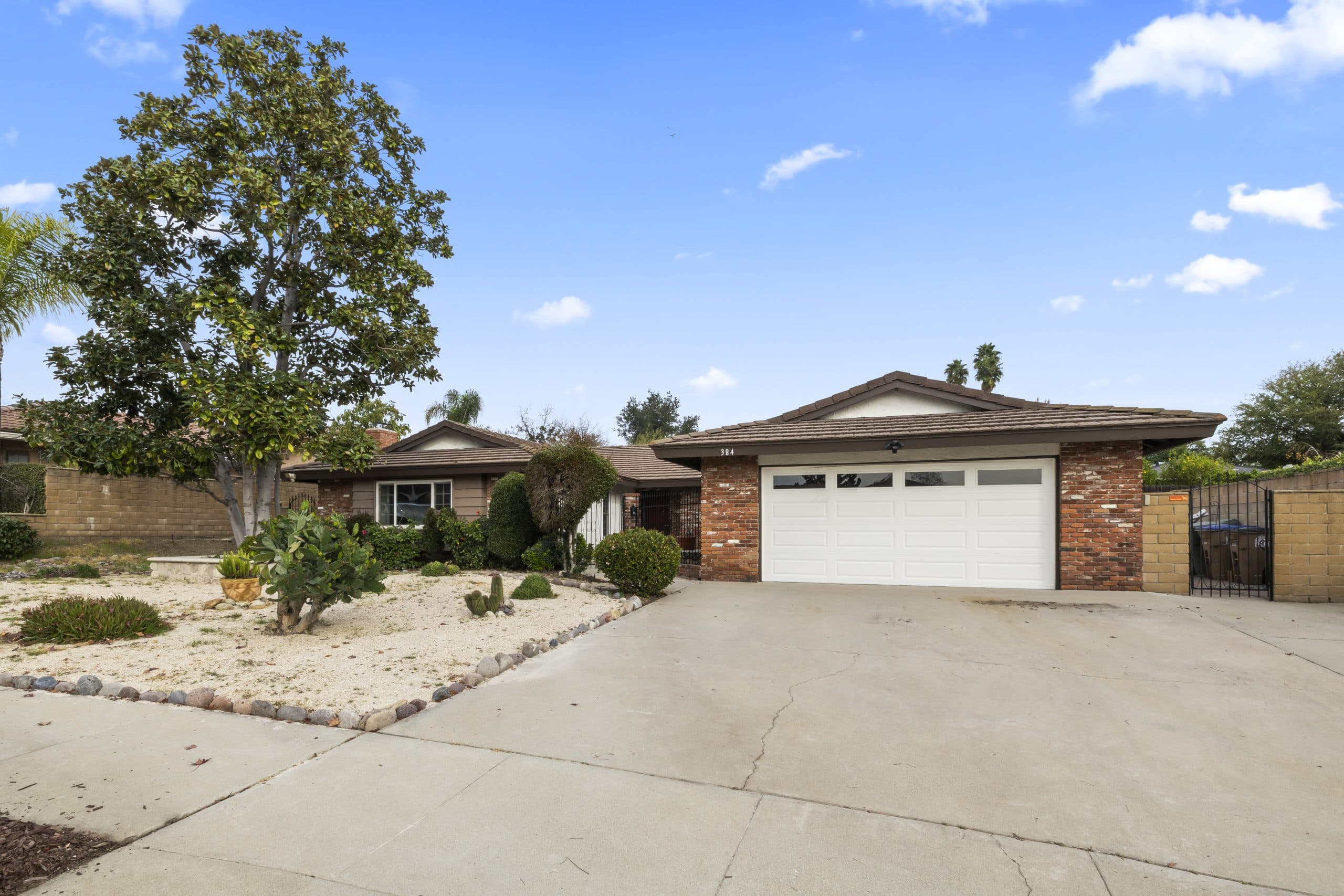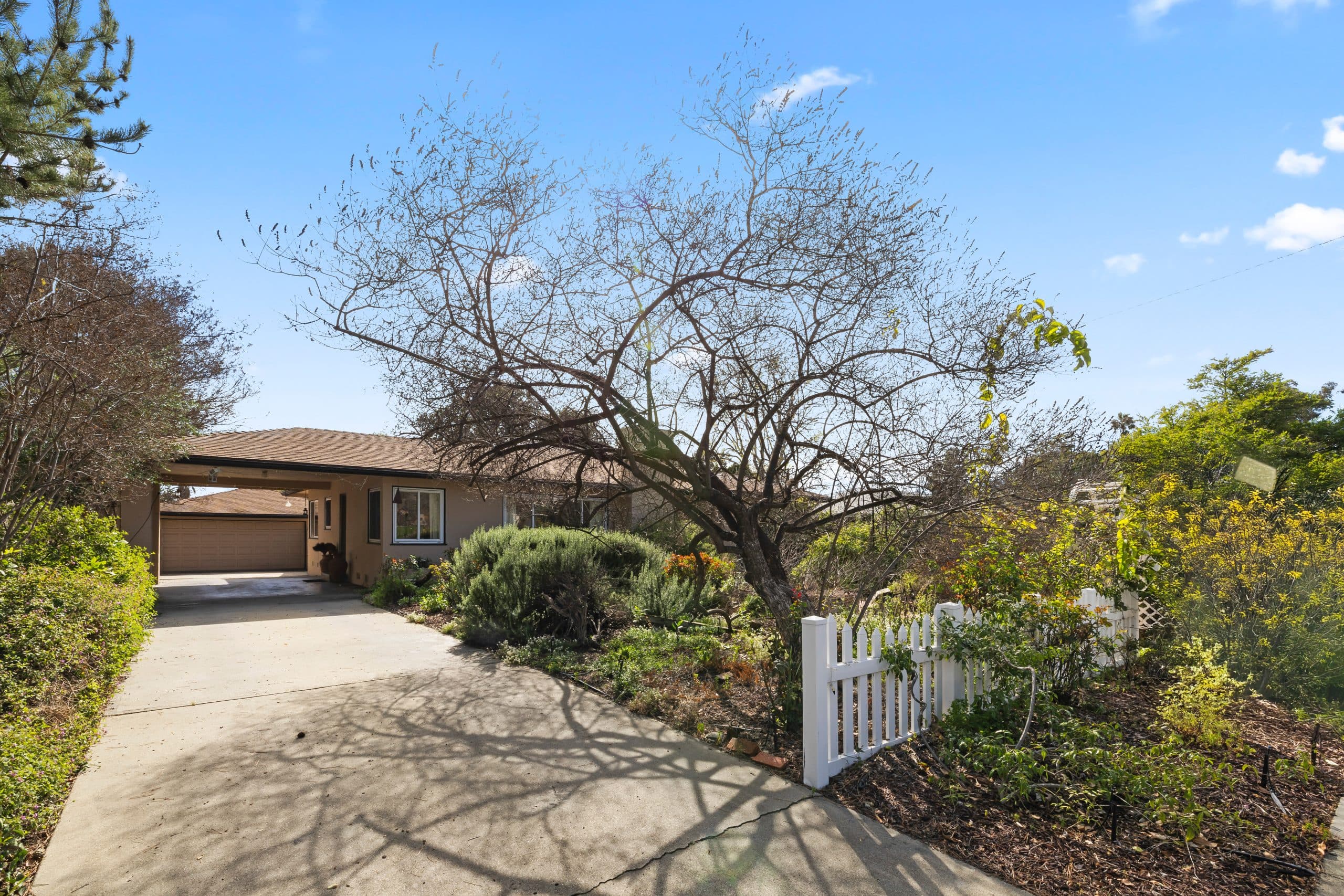
There is a house on every commercial edge that is the last residential property before the zoning changes. Sometimes it shares a fence with a parking lot. Sometimes it looks across a street at a storefront.
That address has real advantages and real exposure, and both are more specific than "near the shops." Understanding where the line actually falls, and what the code permits on the other side of it, is one of the more valuable pieces of homework a buyer can do.
The line is a fact you can look up
Zoning boundaries are public. The city's zoning map shows which parcels sit in which district, and the code describes what each district permits.
That is worth doing rather than eyeballing, because what a parcel currently HOLDS and what it is ALLOWED to hold are different things. A single-story building with a quiet tenant may sit on a parcel permitted for considerably more. If the edge matters to you, read the district rather than the building.
Rules, districts, and allowances change over time, so treat any general description as a starting point and confirm current specifics with the city's planning counter.
What the edge gives you
- The shortest walk in the neighborhood. Nobody is closer to the district than the house on its border.
- Often a better price than an equivalent house two blocks in, because many buyers screen out commercial adjacency without examining it.
- Sometimes an unusual lot. Edge parcels are frequently odd shapes left over from how the grid met the commercial block, and odd shapes can mean space in unexpected places.
- Stability of outlook. A parcel already built out with a durable commercial use is unlikely to become something dramatically different soon.
What the edge costs you
Mostly it costs you control over what happens on the other side.
Inside a residential block, your neighbors' options are narrow and predictable. On a commercial parcel, the range of permitted uses is much wider, and a change of tenant can change your evenings without anyone doing anything wrong. A quiet daytime office and a late-operating food business are both entirely legitimate occupants of the same building.
The other cost is the service side. Commercial parcels have loading, waste collection, and equipment, and those tend to be placed at the rear, which is to say toward the residential edge. What that involves is set out in the alley side of a restaurant block.
What actually determines how it feels
Three things, in this order.
Orientation. A house whose bedrooms face away from the commercial line is a different house from one whose bedrooms face it, on the same lot with the same neighbors. This is the single biggest variable and it is free to check.
Buffer. Distance, wall, grade change, or an intervening building. A genuine setback with mature planting does an enormous amount. A property-line wall does much less than it appears to on a drawing.
What is actually there now. The current use is your reality for the foreseeable future even if the code permits more. An office building next door is a quiet neighbor for as long as it remains an office building.
Questions to ask before you commit
Ask the city what the adjoining parcel is zoned for and what uses that permits. Ask whether any application is pending on it. Ask whether the commercial district has conditions attached - hours, deliveries, outdoor use - and how they are enforced.
Then ask the neighbors, who will tell you things no document contains: what time deliveries come, whether the enclosure smells in August, whether anything changed when the last tenant moved in.
Finally, visit at the hours that matter. Late evening, early morning, and a busy weekend afternoon. That is three short visits and it will tell you more than any amount of reading.
Why some edges are much better than others
An edge against a compact pedestrian core behaves differently from an edge against an auto-oriented commercial strip. The core generates walking, evening activity, and pressure on nearby curbs. The strip generates vehicle movement, larger parking fields, and daytime traffic.
Neither is worse in general, but they produce different lives, and the difference is easy to miss when both are simply labeled "commercial" on a map. The distinction between those two kinds of street is described in corridor or core.
Who does well on the line
Households that use the district heavily, that are not sensitive to background activity, and that did their homework before buying. For them the edge is the best-value walkable address available, because the discount is real and the drawbacks are ones they have already accepted.
Households who should think harder are light sleepers, anyone whose bedroom would face the commercial side, and anyone who would be unhappy if the tenant next door changed. That last one is not a small consideration, because it is the part you cannot control and cannot easily predict.
What this page will not tell you
It will not tell you what any specific parcel is zoned for or what may be built on it. Zoning maps, codes, and pending applications change, and only the city's current records are authoritative. Verify anything that would affect your decision with the planning department directly.
What it can tell you is that the line is knowable, that orientation and buffer decide most of the experience, and that the edge is one of the few genuinely underexamined values in a walkable neighborhood.
Start with the Claremont restaurants guide for the wider picture. Anthony Grynchal has been licensed in California since November 2009. If a house on a zoning edge interests you, we should look up the parcel next door before we look at the kitchen.
Frequently asked questions
How do I find out what is allowed on the parcel next door?
Look at the city's zoning map to see which district the parcel sits in, then read what that district permits, and confirm current specifics at the planning counter. What a parcel currently holds and what it is allowed to hold can be very different, so read the district rather than the building.
Why are edge properties often cheaper?
Because many buyers screen out commercial adjacency without examining it. That produces a real discount on an address with the shortest walk in the neighborhood. Whether the discount is worth taking depends on orientation, buffer, and what actually occupies the parcel next door.
What matters most about how a zoning edge feels day to day?
Orientation first: whether the bedrooms face the commercial line or away from it. Then the buffer, where a genuine setback with mature planting does far more than a wall on the property line. Then the current use, which is your reality for the foreseeable future even where the code permits more.
What is the main risk of living on a commercial edge?
Loss of control over what happens on the other side. Inside a residential block your neighbors' options are narrow. On a commercial parcel the permitted range is much wider, so a change of tenant can change your evenings without anyone doing anything improper.

Written by
Anthony Grynchal
Anthony Grynchal is a California real estate professional with eXp Realty, licensed since November 2009 (California DRE# 01873626), and the Designated Local Expert™ for Claremont — where he has lived for more than 33 years.
More about AnthonyPublished · Updated