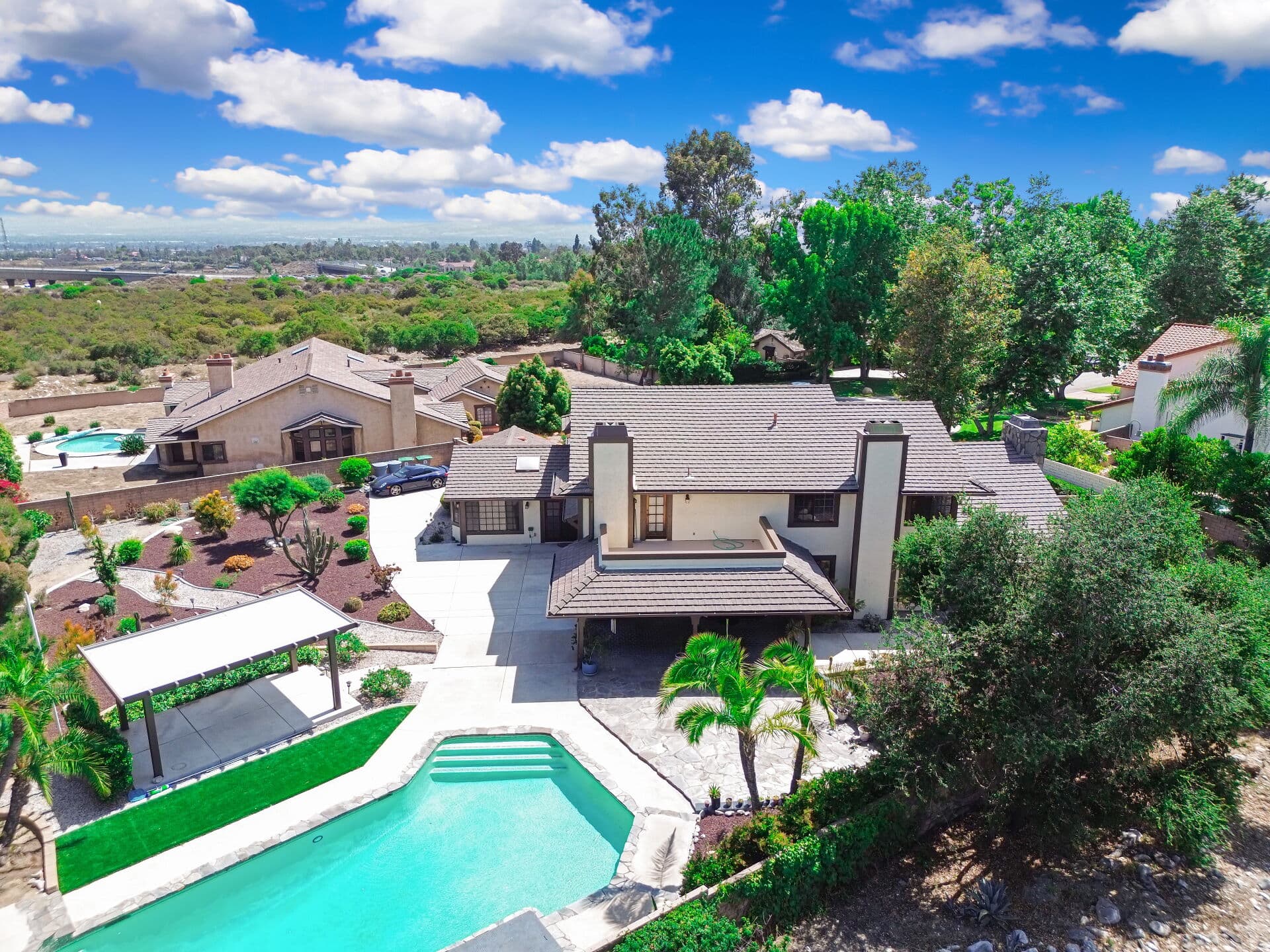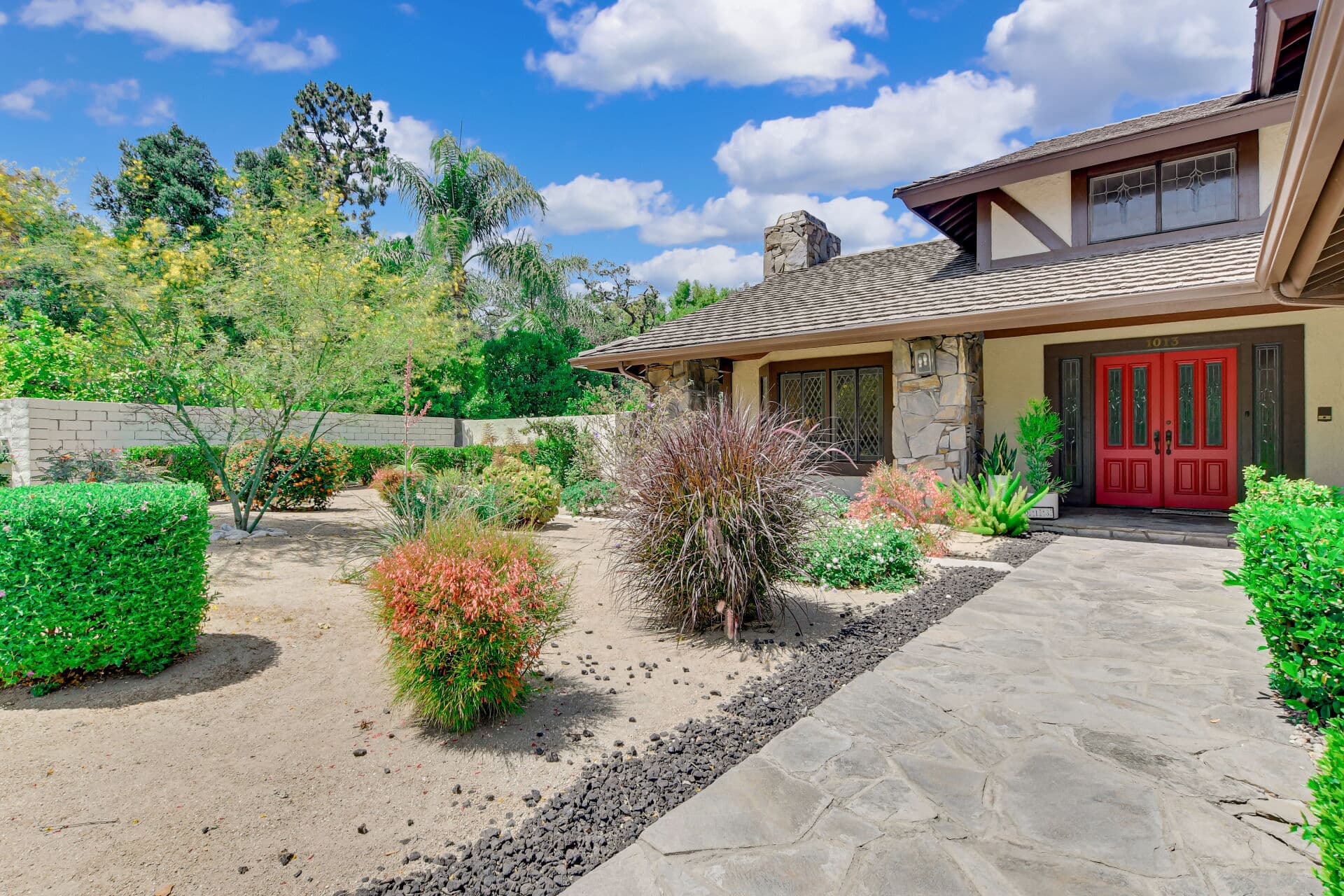
Claremont's trees are a substantial part of what people are actually buying when they buy here, and they are the single most expensive thing on the lot to replace. A mature canopy took decades. Nobody is putting one back inside a listing period.
Which is why the timing of tree work matters more than most homeowners realise. The cool months, when deciduous species have dropped their leaves and growth has slowed, are the window when most structural pruning should happen, and the window is not open all year.
Why dormancy is the right window
Three reasons, all practical.
YOU CAN SEE THE STRUCTURE. With the leaves off, the architecture of a deciduous tree is visible: crossing limbs, included bark, deadwood, weak unions, the branch that has been growing toward the roof for six years. Pruning decisions made against a solid wall of foliage are guesses.
THE TREE RECOVERS BETTER. Cuts made in dormancy are followed by the growth season, which is when the tree responds and compartmentalises the wound. Pruning heavily in the heat, on a tree already under water stress, asks it to spend reserves it does not have.
PEST AND DISEASE PRESSURE IS LOWER. Many pathogens and insects that exploit fresh cuts are less active in cool weather, which is why several species have a well-known window that avoids the warm months entirely.
Note the exception that swallows a lot of confusion: not all trees are deciduous and not all species follow the same schedule. Evergreens, palms, citrus and some ornamentals each have their own preferences, and a few flowering species will simply not bloom if pruned at the wrong point in their cycle. Species-specific timing is a question for an arborist, not a general rule.
What the work actually is
Good pruning is subtractive and conservative. The defensible categories are these.
Deadwood removal, which is safety work and is appropriate at almost any time of year. Anything dead over a roof, a driveway, a walkway or a neighbour's property is a liability that gets worse with every wind event.
Structural correction on young and middle-aged trees: removing crossing and rubbing limbs, correcting a competing leader, establishing clearance over the roofline and the street. This is the highest-value work anyone ever does on a tree, and it is cheap now and impossible later.
Clearance pruning: getting limbs off the roof, out of the gutters, away from the service drop, and clear of the chimney. This is not cosmetic. Overhanging limbs deliver debris into valleys and gutters, offer rodents a route to roof level, and are the branches that come down when soil is saturated and the wind gets up. Both of those threads are covered elsewhere on this cluster, in the pieces on Santa Ana winds and your property and in the homeowner's year.
Selective thinning, done sparingly, where genuine crowding is causing problems.
What the work is not
TOPPING IS NOT PRUNING. Cutting the crown of a tree back to stubs is a widely condemned practice: it produces a flush of weak, poorly attached regrowth, it removes the foliage the tree needs to feed itself, it opens large wounds that do not close well, and it permanently damages both the structure and the appearance of the specimen. A crew that offers to top a tree because it has got too big is telling you what they are.
Removing large amounts of live canopy in one season is also a mistake. There is a widely used rule of thumb about the proportion of live growth that should come off in a single operation, and any competent arborist will hold to it. If a bid describes taking half the tree, ask a second one.
And a mature tree that genuinely needs to be smaller is usually the wrong tree in the wrong place, which is a replacement conversation over years, not a chainsaw conversation over an afternoon.
Rules, permits and things that are not your call
This is the part homeowners get wrong most often and most expensively. Street trees, trees in the public right of way, and protected or heritage species are frequently subject to local rules, and the fact that a tree stands on your lot does not automatically mean you may remove or heavily prune it.
CHECK BEFORE THE CREW ARRIVES. Confirm with the City of Claremont what applies to the specific tree, whether a permit is required, and what the process is for anything in the parkway. If the property is in a homeowners association, confirm their rules as well, and read your governing documents rather than relying on a neighbour's account of them.
Get this wrong on a tree that turns out to be protected and the penalty attaches to you, not to the contractor who cut it.
Hiring, without getting robbed
Tree work is dangerous, unregulated at the margins, and heavily solicited door to door after every wind event. Some basic discipline covers most of the risk.
Use a licensed contractor and confirm insurance, including liability and workers' compensation, directly with the carrier rather than from a photocopied certificate. An uninsured climber injured in your tree is your problem in a way most homeowners never contemplate until it happens.
Prefer a certified arborist for assessment and for anything involving a mature or valuable specimen. An arborist's job is to tell you what the tree needs, which sometimes is nothing.
Get the scope in writing, tree by tree, with the specific cuts described. A bid that says trim trees is not a scope; it is an invitation to a dispute.
And be suspicious of unsolicited storm-season door knocks. The pressure to decide quickly is the product being sold.
The listing angle
Sellers should understand that tree work has a lead time and a look. Freshly cut stubs, sawdust everywhere and a tree that has obviously just been hacked at all read as a property with a problem. Work done in the dormant window, followed by a season of growth, reads as a property that has been cared for.
If a sale is planned for the warmer part of the year, described in the summer selling guide, the tree work belongs to the previous cool season, not to the six weeks before photography. This is one of the few preparation items that genuinely cannot be compressed.
Keep the invoices and the arborist's report. A documented canopy is an asset a buyer can evaluate; an undocumented one is an unknown they will price conservatively.
One thing nobody can quantify
There is no honest figure for what a mature tree adds to a specific property, and any number offered for it should be treated as marketing. What is defensible is the mechanism: canopy provides shade that reduces cooling load, it defines the character of the street, and it cannot be bought back. That is enough to justify treating it as infrastructure rather than decoration.
The rest of the seasonal calendar is on the seasonal guides hub. Anthony Grynchal has been licensed in California since November 2009. If there is one job to book while the weather is cool, it is the arborist.
Frequently asked questions
When should trees be pruned in Claremont?
Most structural pruning of deciduous trees belongs in the dormant cool months, when the branch structure is visible, the tree recovers into the following growth season, and pest and disease pressure is lower. Evergreens, palms, citrus and flowering ornamentals each follow their own schedule, so confirm species-specific timing with a certified arborist.
Do I need a permit to remove a tree in Claremont?
Possibly. Street trees, trees in the public right of way and protected or heritage species are commonly subject to local rules, and standing on your own lot does not automatically mean you may remove or heavily prune it. Confirm with the City of Claremont before any crew arrives, and check homeowners association rules if they apply.
Is topping a tree ever acceptable?
No. Cutting a crown back to stubs produces weak, poorly attached regrowth, removes the foliage the tree feeds on, opens wounds that do not close well and permanently damages structure and appearance. A contractor who proposes topping as a size solution is telling you about their standards.
How should I vet a tree contractor?
Use a licensed contractor, confirm liability and workers compensation coverage directly with the insurer rather than from a certificate copy, prefer a certified arborist for assessment of mature specimens, and insist on a written scope describing the work tree by tree. Treat unsolicited door-to-door offers after a wind event with particular caution.

Written by
Anthony Grynchal
Anthony Grynchal is a California real estate professional with eXp Realty, licensed since November 2009 (California DRE# 01873626), and the Designated Local Expert™ for Claremont — where he has lived for more than 33 years.
More about AnthonyPublished · Updated