
Summer selling in Claremont is organized around a single, hard deadline that belongs to the buyers: school starts in late summer, and the families who dominate this market want to be MOVED — not closing, moved — before it does. That one fact structures the entire season: who is shopping, how urgently, what they will pay for certainty, and why the market's temperature changes noticeably as the window narrows. This is the seller's guide to the window: its clock, its heat-management playbook, and the late-summer shift every summer seller should see coming. It deepens the seasonal guide; the spring predecessor is the spring playbook.
The window's arithmetic
Work the buyer's calendar backward and the season explains itself. A family that wants to be settled before the school year needs to close several weeks before it starts — the conventional escrow month the timeline guide maps, plus the moving-and-settling weeks — which means their PURCHASE decision happens in early-to-mid summer, and their shopping is happening now, with a countdown running. For sellers this produces the season's signature buyer: motivated, deadline-driven, and valuing CERTAINTY — clean timelines, responsive process, a house whose condition raises no escrow-extending surprises — at a premium over squeezing the last increment of price. The school-calendar mechanics behind all of this are the schools guide's territory; the seller's translation is simple: in this window, being the EASY house to buy is a pricing strategy.
The heat playbook: showing an inland home in summer
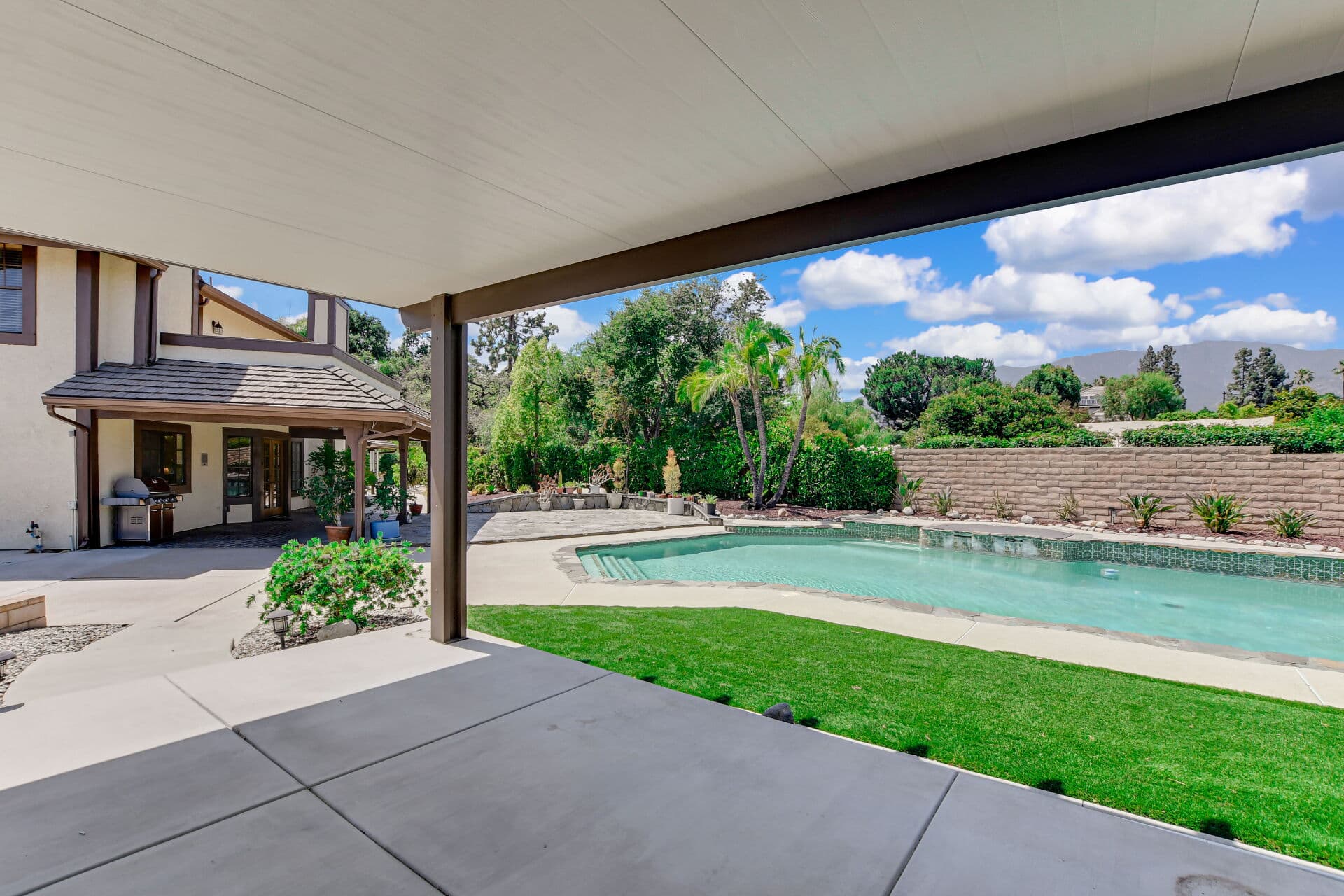
Claremont summers are honest inland summers, and a seller's showing strategy should respect the thermometer. COOL THE HOUSE LIKE IT MATTERS, because it does: buyers walking from a hot car into a cool house experience the home as a refuge, and into a warm house as a warning about the HVAC — the first impression IS the systems inspection, emotionally. Which means the cooling system deserves its service BEFORE listing (the spring checklist's early-test discipline pays here), and the utility spend of showing-season cooling is marketing budget, not waste. TIME THE LIGHT: mornings and evenings flatter an inland town — the long summer evenings are the season's showing gift, and the golden-hour backyard is summer's version of spring's bloom. WORK THE SHADE: Claremont's canopy is a literal selling point in July — a mature-tree backyard that stays usable at noon is a feature buyers FEEL, and the outdoor rooms (patios, pergolas, pools where present) should be staged as the summer living they represent. HYDRATE THE LANDSCAPE on its real schedule, because July curb appeal is an irrigation discipline, not a spring inheritance.
The late-summer shift, and how to read it
The window has a far edge, and sellers should see it coming rather than meet it surprised. As the school deadline passes, the family stream's urgency converts — some into closed purchases, some into next-year plans — and the buyer pool's composition shifts toward the streams without school clocks: professionals, investors, downsizers, the demand map's other lanes. This is not a market dying; it is a market changing audiences, and the practical implications are concrete. A listing launching EARLY in summer rides the deadline stream's urgency; one launching late should be positioned for the post-deadline audience — pricing calibrated to a less-pressured buyer, marketing emphasizing the features THAT audience values, and patience budgeted accordingly. And a listing that sat through the window unsold should treat the shift as a strategy checkpoint rather than a verdict: the audience changed, and the presentation may need to follow. The honest framing for any summer seller: know which side of the window you are launching into, and build the plan for the buyers who are actually there.
Anthony Grynchal has been licensed in California since November 2009 and has watched the family-move window run its clock every single year — the sellers who served the deadline buyers' need for certainty were paid for it, and the ones who read the late-summer shift early repositioned instead of languishing. This is general information; current school-year dates, market conditions, and your own timeline belong to a live conversation.
Frequently asked questions
Why is summer a strong selling season in Claremont?
One clock drives it: family buyers must close and complete their move before school starts, which makes early-to-mid summer their decision window. The season's signature buyer is motivated and deadline-driven, valuing certainty — clean timelines, surprise-free condition — at a premium over the last increment of price.
How should I show a Claremont home in summer heat?
Cool the house like it matters — the first impression is emotionally the HVAC inspection — after servicing the system before listing. Time showings for morning and evening light, stage the shade and outdoor rooms as the summer living they represent, and keep the landscape irrigated on its real schedule.
What happens to the market in late summer?
The family stream's deadline passes and the audience shifts toward buyers without school clocks — professionals, investors, downsizers. It is a change of audience, not a dying market: late-summer launches should price and position for the less-pressured buyer, and sitting listings should treat the shift as a strategy checkpoint.
Is it too late to list in July?
No — but know which side of the window you are entering. An early-July launch can still catch deadline-driven families if the transaction is built for speed and certainty; a late-summer launch should be positioned for the post-deadline audience from day one rather than discovering it after four quiet weekends.

Written by
Anthony Grynchal
Anthony Grynchal is a California real estate professional with eXp Realty, licensed since November 2009 (California DRE# 01873626), and the Designated Local Expert™ for Claremont — where he has lived for more than 33 years.
More about AnthonyPublished · Updated