A house full of guests is the most demanding load a home carries all year, and it is the only time most owners find out what their house can actually do. Every system runs at once. Every circulation flaw shows up. Every storage shortcut is exposed by a pile of coats.
That makes hosting season unexpectedly useful. It is a free, thorough, unforgiving inspection of the parts of a house that inspectors do not measure - capacity, flow, and comfort. And the fixes it identifies are, almost without exception, the same fixes a house needs before it goes on the market.
Whether to actually list during the holidays is a separate question, answered in the holiday listing guide. This is about the house, not the calendar.
What hosting stress-tests
Parking. The first impression of any gathering is where the cars go. On the older, narrower blocks in this town, and anywhere near a school or the colleges, guest parking is the constraint people forget until six vehicles arrive. If the answer is unclear to you, it will be unclear to a buyer too, and parking is one of the questions asked at almost every showing.
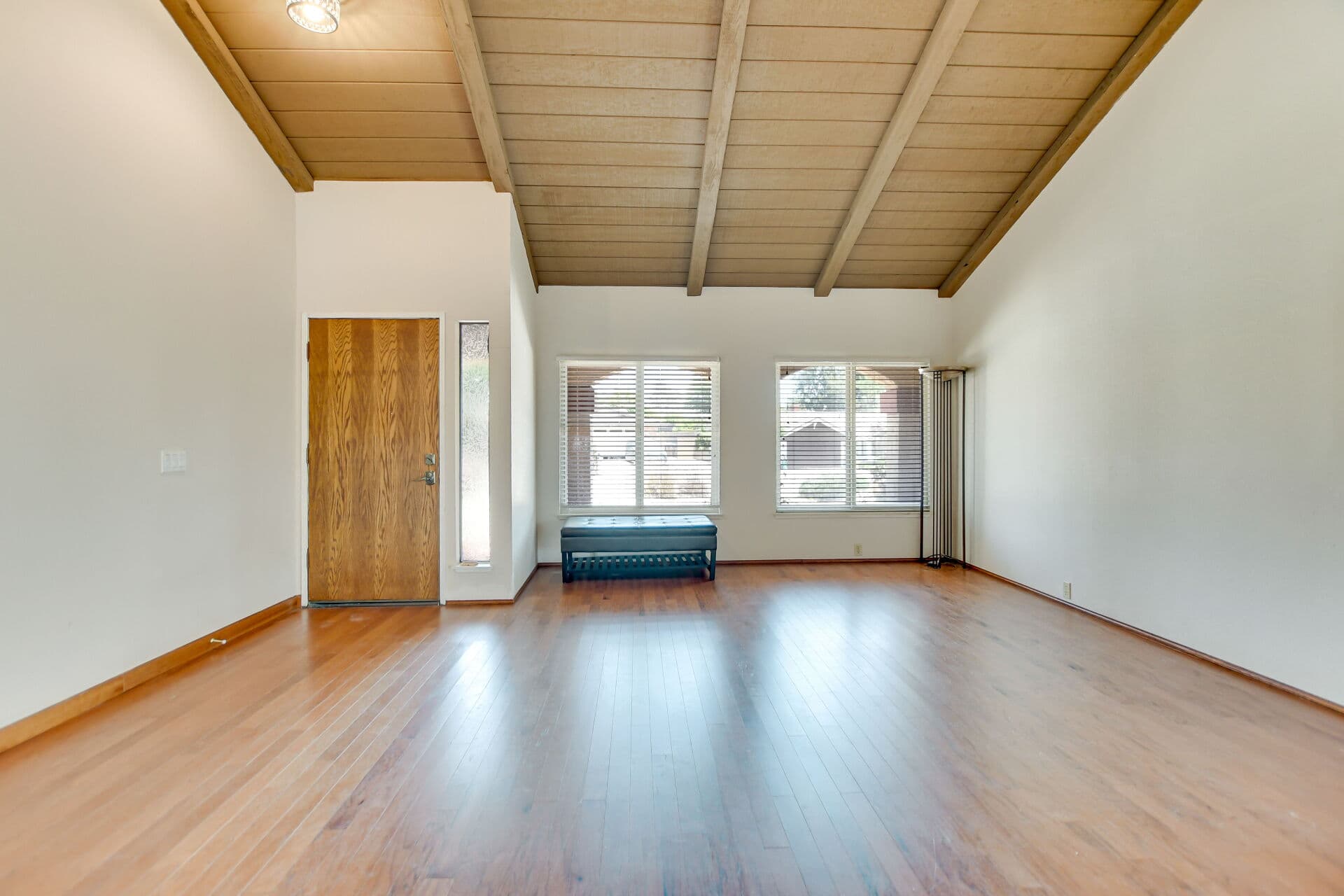
Entry and coat capacity. A house with no place to receive people creates a jam at the door. The fix is spatial rather than decorative: a clear path, a surface for keys and bags, and somewhere for coats that is not a bed.
The kitchen under real load. Counter space next to the oven, not across the room. Somewhere to stage dishes. Whether two people can work without colliding. Whether guests naturally stand in the exact spot the cook needs. Every one of those is a layout truth that a quiet Tuesday never reveals.
Guest bathroom. Location, privacy, ventilation, and whether a door swing or a threshold makes it awkward. A powder room in the wrong place is the single most-noticed floor plan flaw in a full house.
Mechanical capacity. A full house generates heat, opens doors constantly, and runs the water heater hard. This is the one time of year most owners learn whether their heating keeps up, whether one room is always cold, and whether the hot water survives consecutive showers.
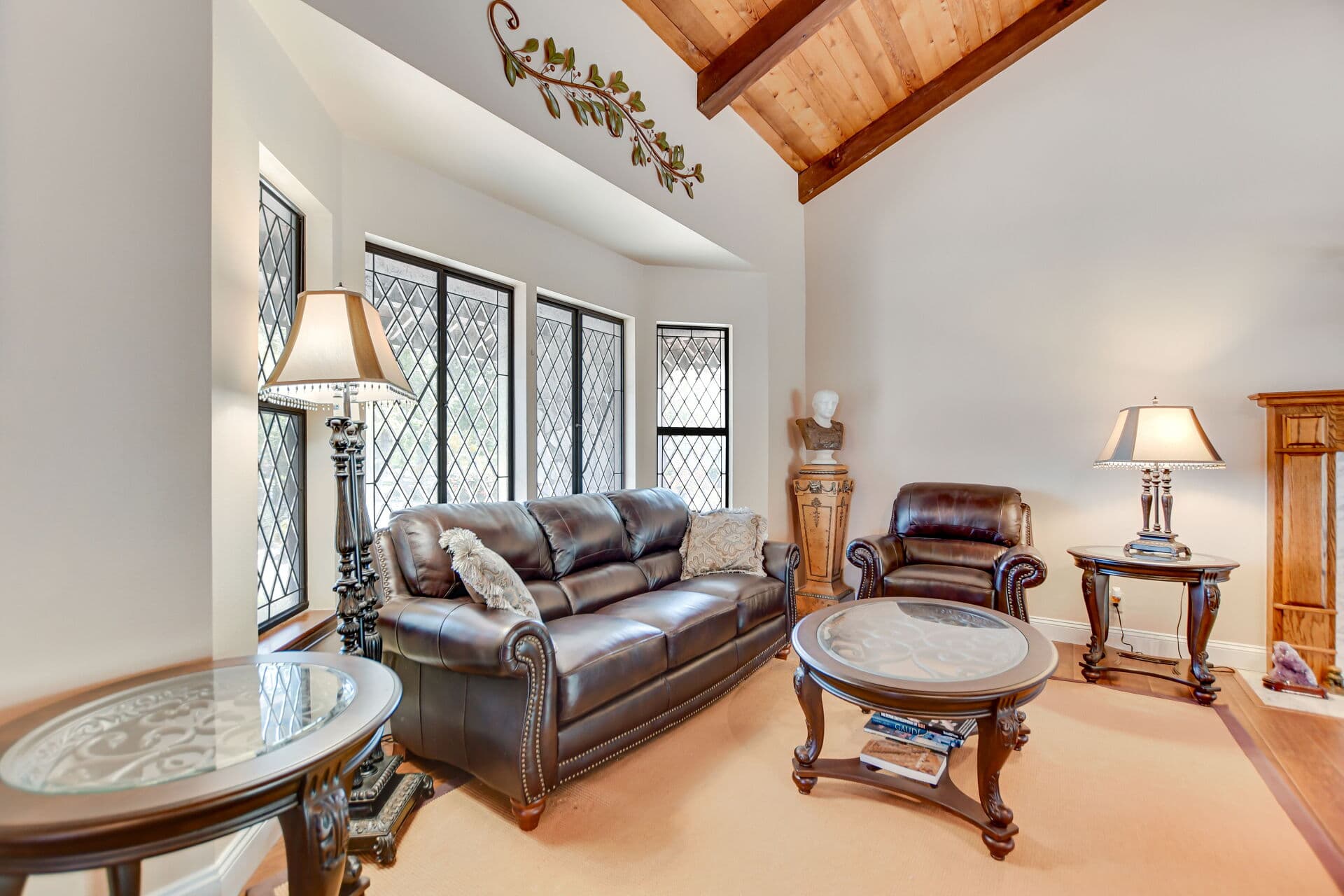
Sound. Hard-surface rooms with high ceilings are beautiful and loud. It is worth knowing which rooms in your house become unusable for conversation when full.
Prep that is worth doing regardless
The good news is that the useful preparation is short and none of it is seasonal decoration.
- Service the heating before you need it, not during. Discovering a heating problem with a full house is the expensive version of the same discovery.
- Clear the entry and the coat storage. This means removing volume, not rearranging it.
- Fix the lighting. Short days mean gatherings happen in artificial light. Matched bulbs, working fixtures, lamps in dark corners, and lit exterior paths. The same fixes matter enormously for evening showings, as covered in daylight and the showing day.
- Deal with the guest bathroom. Ventilation that works, a door that closes properly, and a functioning lock.
- Sort out where the coats and the cars go and say it out loud when people arrive. Ambiguity is what creates the jam.
The seasonal safety items nobody enjoys
Hosting season concentrates several ordinary hazards. Cooking is at its heaviest. Candles appear. Cords run across floors that do not normally have cords. Fireplaces get used, sometimes for the first time in a year, which is a good reason to have had the flue and appliance checked rather than assuming.
The routine items - working smoke and carbon monoxide alarms, a clear path to exits, an extinguisher someone can actually find - are worth confirming before the first gathering. Requirements for alarms and for anything involving open flame or outdoor heating are set by the fire authority with jurisdiction and by the City of Claremont, and they are worth asking about directly rather than assuming from a previous home.
Why this doubles as sale preparation
Take the list above and read it as a buyer's list. Parking, entry, kitchen flow, bathroom placement, heating performance, and lighting are precisely the things buyers evaluate and precisely the things sellers under-address because they have stopped noticing them.
A household that hosts well has already answered those questions, usually with small fixes rather than renovations. That is why a hosting season is a genuinely good rehearsal for a spring listing: the flaws announce themselves in December and there is time to correct them before anyone photographs the house.
Keep a note. Not a mental note - an actual list of what annoyed you while the house was full. That list is the highest-value preparation document a seller can have, and it costs nothing to write.
The honest limit
There is no reliable figure for what hosting-season fixes return at resale in a market this size, and any article printing one has invented it. What can be said with confidence is that the flaws exposed by a full house are the same flaws buyers cite, and that identifying them a season early is cheaper than discovering them during a listing.
Anthony Grynchal has been licensed in California since November 2009.
The rest of the local year is at the seasonal guides hub.
Frequently asked questions
What does hosting reveal about a house that an inspection does not?
Capacity and flow. Guest parking, entry and coat space, kitchen circulation under load, guest bathroom placement, heating performance in a full house, hot water recovery, and which rooms become too loud for conversation. Inspections measure condition; a full house measures livability.
Is hosting season a good time to prepare a home for sale?
It is an excellent rehearsal. The flaws a full house exposes are the same ones buyers notice, and finding them in the winter leaves time to correct them before spring photography and showings. Keep a written list of everything that annoyed you while the house was full.
What should be serviced before hosting?
Heating, ahead of the gatherings rather than during them, and any fireplace or flue that has sat unused for a year. Confirm smoke and carbon monoxide alarms work, keep exit paths clear, and check requirements for alarms and open-flame or outdoor heating with the fire authority and the City of Claremont.
How much do these fixes add to a sale price?
No honest number exists for a market this size, and any figure claiming otherwise is invented. What is dependable is the mechanism: parking, entry, kitchen flow, bathroom placement, and lighting are among the first things buyers evaluate, and correcting them early is cheaper than during a listing.

Written by
Anthony Grynchal
Anthony Grynchal is a California real estate professional with eXp Realty, licensed since November 2009 (California DRE# 01873626), and the Designated Local Expert™ for Claremont — where he has lived for more than 33 years.
More about AnthonyPublished · Updated