Nobody plans a home sale around sunset. Then the clocks change, the useful part of the afternoon disappears, and half the people who wanted to see the house after work are suddenly touring it in the dark. Daylight is the most predictable variable in a Claremont listing and one of the least discussed.
This is a scheduling article, not a photography one. The camera question - what the light does to pictures - is handled in the listing photography guide. What follows is about the living, breathing showing day: when people can actually come, what they can actually see when they get there, and how to stop the calendar from working against the house.
Two things change, not one
Through the year, the daylight variable moves in two directions at once, and they are easy to confuse.
The first is LENGTH. Long summer evenings mean a buyer who leaves work at five can still walk a backyard in full light. In the short months, that same buyer arrives to a dark yard and an interior lit entirely by whatever fixtures the seller happens to own. The house has not changed. The window in which it can be experienced has.
The second is ANGLE. Claremont sits on a south-facing slope with mountains at its back, and the sun's path across that slope shifts through the year. A living room that takes gentle indirect light in one season takes a low, glaring, straight-through-the-glass beam in another. A patio that is pleasant at four o'clock in one month is unusable at four o'clock in another. Same room, same hour, different experience.
The clock change is a scheduling cliff
The switch to and from daylight saving time does not ease in. It moves an hour of usable evening light overnight, in one direction or the other, and the practical effect on a listing is immediate.
When the evening hour disappears, the after-work showing slot collapses. Weekday tours compress toward lunch or vanish; weekend daylight hours carry more of the load; the open house window narrows. When the hour comes back, the reverse happens and the weekday evening becomes viable again.
Neither direction is good or bad. The mistake is not noticing. A listing that launched with generous evening availability and never adjusted its showing instructions after the clocks moved is quietly turning away the exact buyers it was built for.
What a dark showing costs you
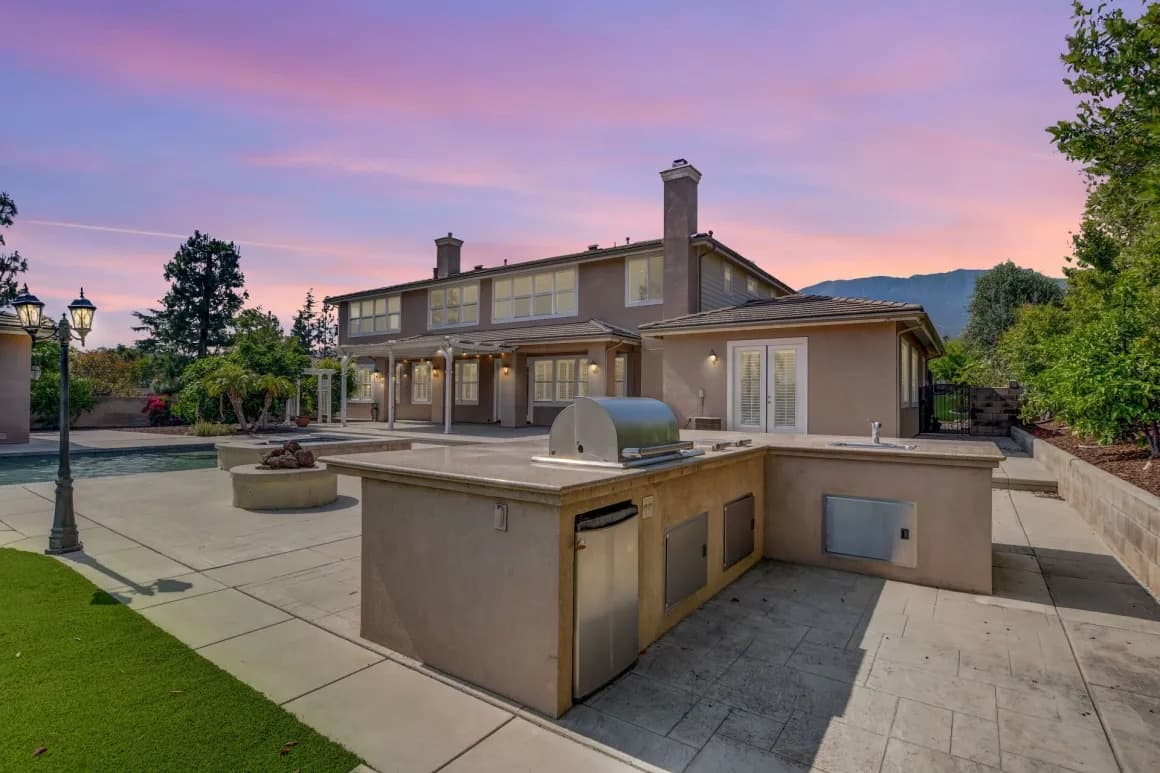
A buyer touring after dark cannot assess several things that matter here, and most of them are outdoor things - which in Claremont is a real loss, because the outdoor part of a property is often the part that closes the deal.
- The yard. Grade, planting, shade structure, the condition of a lawn or a decomposed granite path - all of it reads as a black rectangle through a window.
- The view. Whether a lot sees the mountains, and how much, is invisible at night.
- The canopy. Street trees are one of the town's real amenities and they simply do not register in the dark.
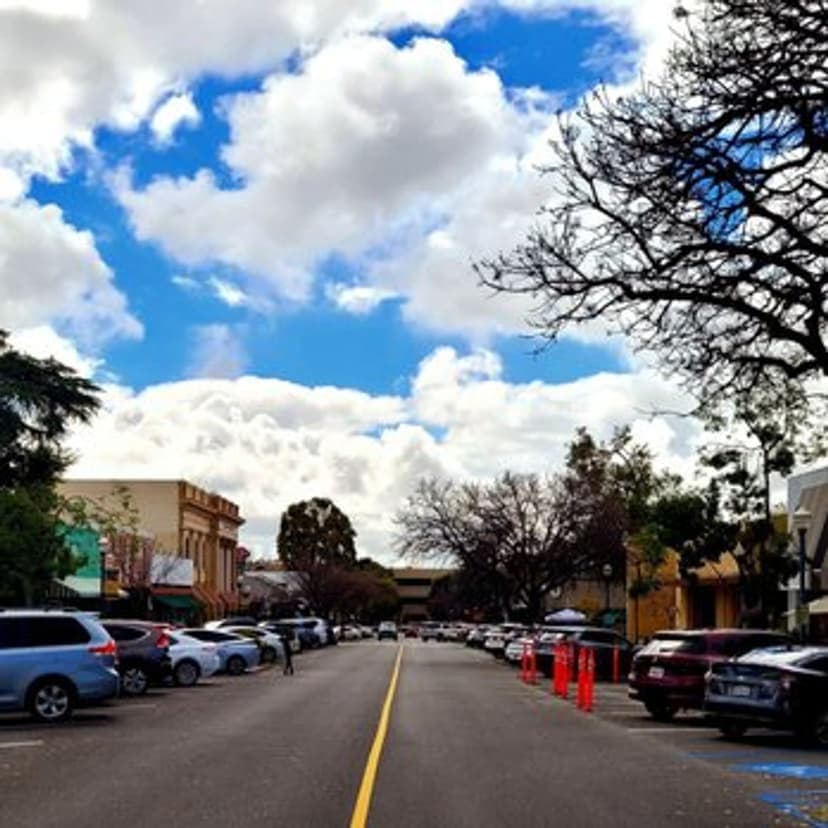
- The street itself. Traffic pattern, sidewalk condition, how neighbors keep their frontage.
A buyer who cannot evaluate those things does not conclude they are fine. They conclude they are unknown, and unknowns get discounted.
Practical scheduling, season by season
None of this needs a spreadsheet. It needs three habits.
Know your house's good hour. Walk the property at several times of day before it lists and note when each main room and the primary outdoor space looks its best. Every house has a window. Some are morning houses; a west-facing living room is usually a late-afternoon house. Put the open house inside that window instead of at the default hour everyone else picked.
Front-load the outdoor part. In the short-daylight months, that means steering showings earlier and being flexible about weekend midday. It also means that if a late tour is the only slot a serious buyer has, someone should offer them a daylight return visit rather than letting the dark walk-through be the only impression.
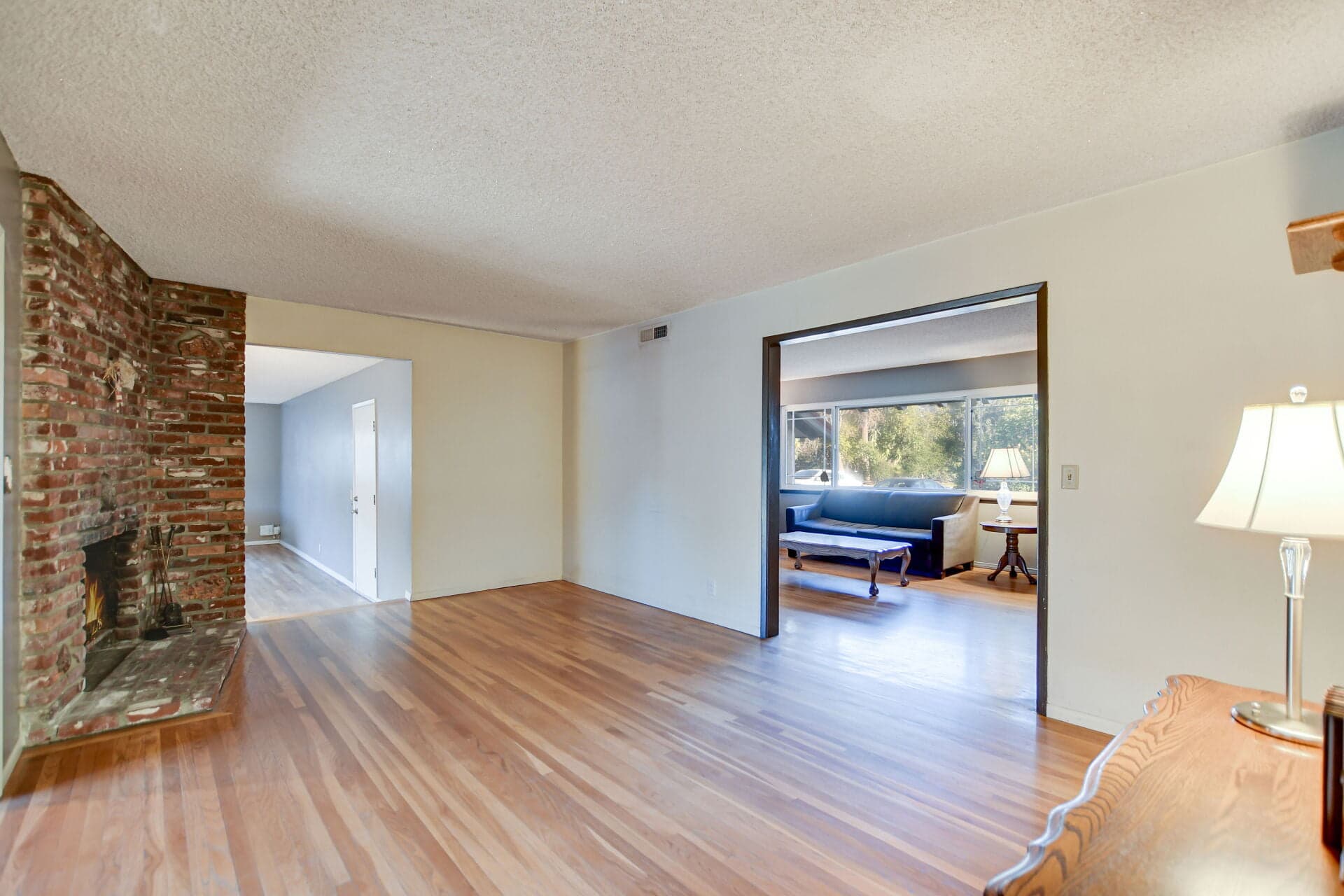
Fix the lighting before you need it. Dark-season showings are won or lost on fixtures. Matched, working bulbs at consistent color temperature throughout the house; lamps in corners a ceiling fixture cannot reach; exterior path and entry lighting actually switched on before an evening tour, not after the buyer has already fumbled at the door. Burned-out bulbs and one blue-white bulb in a row of warm ones read as neglect, and that impression transfers to the roof and the plumbing in a buyer's mind whether or not it should.
The buyer's side of the same problem
Buyers can use this deliberately. If you tour a house in the short months and only see it after dark, you have not really seen the lot. Ask to come back in daylight before writing, or make the daylight walk part of your inspection day. If you tour in the long months and fall in love with a golden evening on the back patio, understand that you are seeing the property at its best hour and ask what that space feels like at midday in the heat.
The same instinct applies to sun exposure. A room can be charming in one season and a solar oven in another, and one visit tells you about one season. The broader version of this problem - everything a property conceals depending on when you walk it - is worth reading before you write an offer.
What this does not tell you
It would be convenient to say that listings shown in long-daylight months sell faster, or that the clock change moves prices. No honest number can be printed for that. Daylight is one input among many, and any figure claiming to isolate its effect on a market this small would be invented. What can be said with confidence is the mechanism: fewer usable showing hours means fewer showings per week, and a dark tour communicates less about a property than a daylight one. Manage the hours you have.
Anthony Grynchal has been licensed in California since November 2009.
For the rest of the year in this town - what each season does to a house, a garden, and a sale - start at the seasonal guides hub, or read how the quiet months behave in selling in winter.
Frequently asked questions
When is the best time of day to hold an open house in Claremont?
There is no single right hour. Walk the property at several times before listing and find the window when the main living space and the primary outdoor area both look their best, then schedule inside that window. West-facing homes usually favor late afternoon; homes with a bright east side often show best in the morning.
Does the daylight saving time change really affect a home sale?
It affects showing logistics, which is the part you can control. Moving an hour of evening daylight either opens or closes the after-work weekday tour slot overnight. Listings that update their showing instructions and open house timing after the change keep access to buyers who otherwise quietly drop off the calendar.
Is it a mistake to tour a house after dark?
It is not a mistake, but it is incomplete. After dark you cannot properly assess the yard, the grade, the tree canopy, the mountain view, or the street. Treat an evening tour as a first look and arrange a daylight return before writing an offer.
What lighting should a seller fix before evening showings?
Replace burned-out bulbs, match color temperature throughout the house so no room reads blue against a warm one, add lamps where ceiling fixtures leave corners dark, and confirm that entry and path lighting is on before the buyer arrives rather than switched on afterward.

Written by
Anthony Grynchal
Anthony Grynchal is a California real estate professional with eXp Realty, licensed since November 2009 (California DRE# 01873626), and the Designated Local Expert™ for Claremont — where he has lived for more than 33 years.
More about AnthonyPublished · Updated