An empty house is a different asset to a lived-in one, and the holiday weeks are when the difference is sharpest. The street is quieter in the daytime, plenty of neighbours are away, deliveries pile up on porches, and darkness starts early.
A vacant listing over that stretch is exposed on three fronts at once: security, physical failure, and insurance. Most sellers only think about the first one.
The insurance question comes first
Start here, because it is the one that can quietly invalidate everything else. Standard homeowner policies frequently contain vacancy provisions that limit or exclude coverage once a property has been unoccupied beyond a defined period, and the definitions of vacant and unoccupied are not the same in every policy.
CALL YOUR CARRIER AND ASK DIRECTLY. Tell them the property is going to be empty, tell them for roughly how long, and ask in writing what the policy does. Depending on the answer, a vacancy endorsement or a specific vacant-property policy may be required. Discovering the gap after a loss is the worst possible sequence, and it is common precisely because nobody makes the call.
The same conversation should cover whether staged furniture, and any contractor's work in progress, is covered.
Make the house look occupied, not defended
The goal is a property that reads as lived-in from the street. A house with obvious security theatre reads as empty and valuable, which is the opposite of what you want.
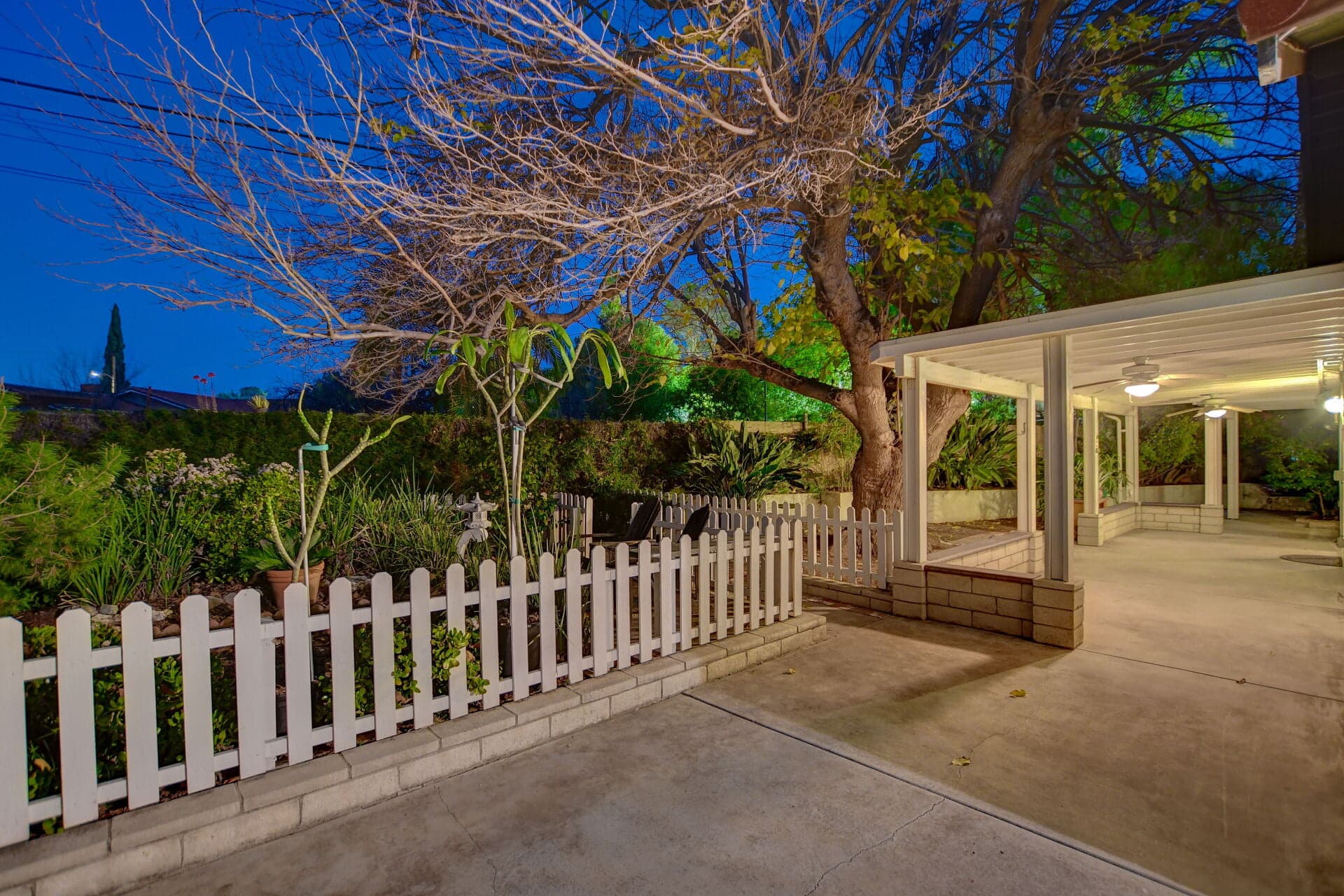
Interior lighting on varied timers, in more than one room and at plausible hours, does more than any single measure. Exterior lighting at entries and along dark approaches matters equally, and motion-activated fixtures at the sides and rear are worth having. Every dead bulb should be replaced before the house is left, because a dark porch is an advertisement.
Keep the landscape maintained on the same schedule you kept while living there. Uncut grass, uncleared leaves and unswept walks are the classic tell, and they are also the first thing arriving buyers see.
Stop deliveries and hold mail rather than letting either accumulate, and arrange for anything that does arrive to be collected promptly. A porch stacked with parcels is a signal.
Access control, which is where most losses come from
An active listing is a house with a lot of key movement, and the discipline around that is worth being rigid about.
Use a properly rated lockbox and control the access log. Know who entered, when, and whether the showing was verified. Prospective buyers should not be in the property unaccompanied, and appointment verification is not paperwork for its own sake; it is the entire control.
Rekey when a tenant, contractor, house sitter or property manager stops having a legitimate reason to be there. It is inexpensive and it closes a category of risk that no camera addresses.
Check the ordinary openings that get forgotten in an empty house: side gates, garage side doors, the door between garage and house, sliding doors that do not latch properly, and the window in the room nobody uses. Secondary locking devices on sliders are a few dollars of hardware and remove a well-known weakness.
Cameras, alarms, and what they actually do
A monitored alarm and visible cameras change the risk profile, but they are recovery and deterrence tools, not prevention. They work best combined with the occupancy signals above.
Two practical rules. First, tell your agent what monitoring exists, because a camera recording audio inside an occupied showing raises legal questions that vary by circumstance and should be checked before it becomes an issue. Second, be careful about publishing security detail. A listing description that explains exactly which systems are installed tells the wrong reader as much as the right one.
The physical failures that empty houses have
Nobody is home to hear the water running. That is the whole problem, and it is why an unattended failure in a vacant property is so much more expensive than the same failure in an occupied one.
The mitigations are unglamorous. Know where the main water shutoff is and consider shutting it off between showings if the property will be empty for an extended stretch, remembering that irrigation and any fire system are separate questions to check. Insulate exposed pipes before the coldest nights. Consider a leak sensor at the water heater, under sinks and at the laundry connection.
DO NOT TURN THE HEAT COMPLETELY OFF. Keeping a modest baseline temperature protects plumbing, protects finishes and cabinetry from damp swings, and means a buyer is not touring a cold, stale house. It also stops the property smelling closed, which it will within days.
Leave utilities connected. An empty house with the power off cannot be shown properly, cannot run its lighting timers, and cannot support an alarm.
Somebody has to actually go there
All of the above is a system, and systems fail silently. The single highest-value item on this list is a person physically walking the property on a regular, defined schedule, ideally at varying times.
They should walk the interior and the perimeter, run the taps briefly, check for water stains and unfamiliar smells, confirm every door and window is secure, collect anything on the porch, and confirm the lighting is doing what it is supposed to. Whoever it is should have a written checklist and should report each visit, because a visit with no record is indistinguishable from a visit that did not happen.
Tell trusted neighbours the house is empty and give them a number. Neighbours notice things no camera is pointed at.
Showing an empty house in the holiday weeks
Vacancy is not a reason to withdraw from the market. The buyers touring in that stretch tend to be motivated, a point made at length in the guide to holiday listings in Claremont, and the conversion argument for the quiet months is set out in the piece on selling in winter.
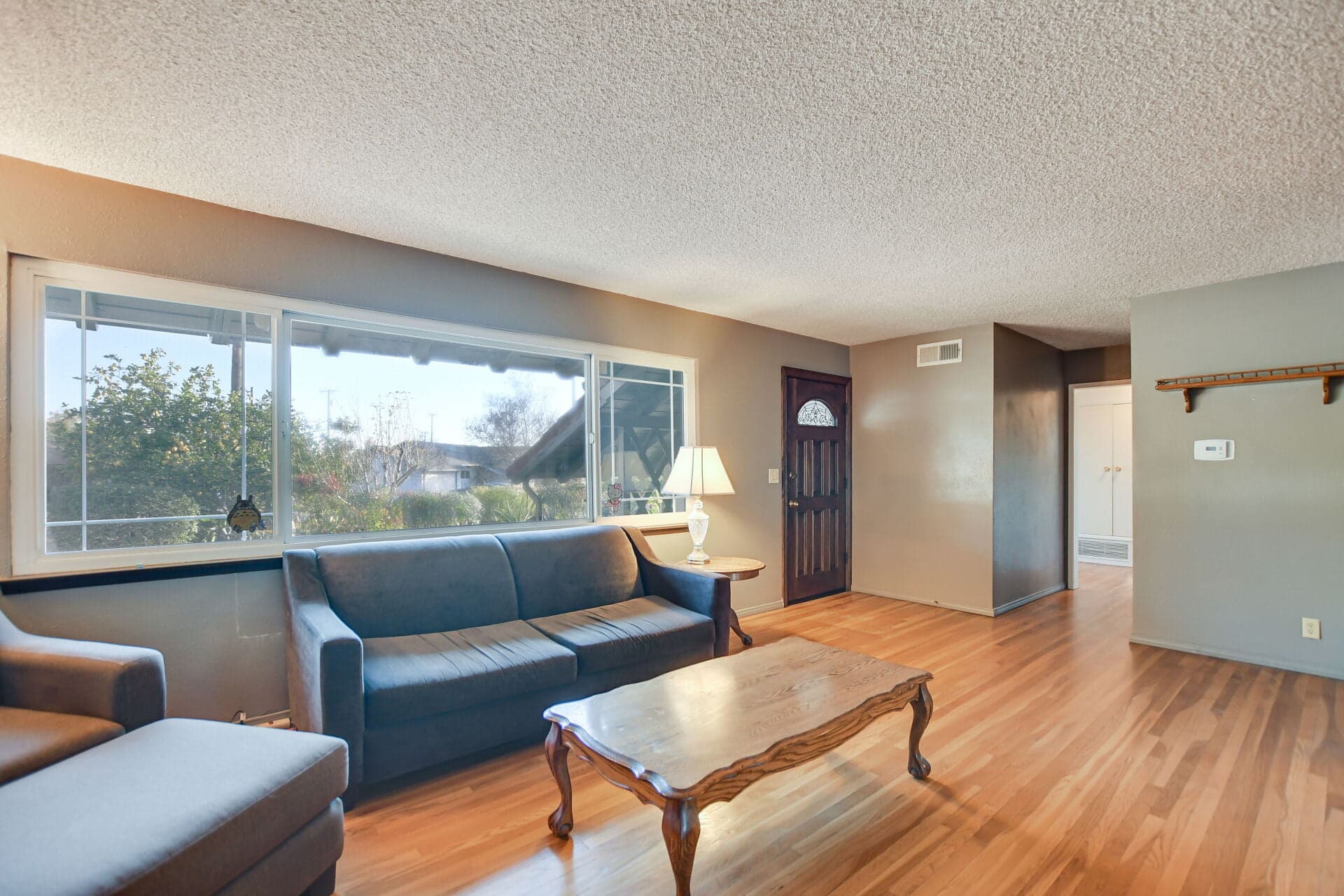
What vacancy does change is presentation. Empty rooms read smaller and colder, sound echoes, and every flaw in a floor or wall is unshielded by furniture. Warmth, light and a clean, warm-toned entry sequence carry more weight than they would in a furnished house.
There is no reliable published figure for how much risk any of this removes, and anyone offering one is guessing. The measures are cheap, the failures are not, and that asymmetry is the whole argument.
More on managing a property across the calendar sits on the seasonal guides hub. Anthony Grynchal has been licensed in California since November 2009. An empty house does not need a fortress. It needs lights on a timer, water off, and somebody who actually walks through it.
Frequently asked questions
Does home insurance still cover a vacant listing?
Not necessarily. Many homeowner policies contain vacancy provisions that limit or exclude coverage once a property has been unoccupied beyond a defined period, and the definitions vary. Contact your carrier before the house is left empty, explain the situation and get the answer in writing; a vacancy endorsement or separate vacant-property policy may be required.
Should I turn off the utilities in an empty house?
Leave power and heat on. A baseline temperature protects plumbing and finishes and keeps the house from smelling closed, and power is needed for lighting timers, alarms and showings. Shutting the main water supply between showings is often sensible for an extended vacancy, though irrigation and fire systems need to be checked separately.
How do I make a vacant house look occupied?
Interior lights on varied timers in more than one room, working exterior lighting at every entry, landscaping maintained on the schedule you kept while living there, mail held rather than accumulating, and deliveries stopped. The aim is a property that reads as lived-in, not one that advertises a security system.
How often should someone check on a vacant listing?
On a regular defined schedule, at varying times, with a written checklist and a report after each visit. The visit should cover the interior and perimeter, running taps, checking for stains or unfamiliar smells, confirming every opening is secure, and clearing the porch. An unrecorded visit is indistinguishable from one that never happened.

Written by
Anthony Grynchal
Anthony Grynchal is a California real estate professional with eXp Realty, licensed since November 2009 (California DRE# 01873626), and the Designated Local Expert™ for Claremont — where he has lived for more than 33 years.
More about AnthonyPublished · Updated